The U.N. special envoy to Kyrgyzstan is working alongside the Organization for Security and Co-operation in Europe (OSCE) to bring a peaceful resolution to the crisis there. The United States should resist the temptation to engage in a backroom deal to decide Kyrgyzstan’s fate.
U.S. Should Avoid Backroom Deals on KyrgyzstanKyrgyzstan will certainly be discussed in various side meetings during today's Nuclear Security Summit in Washington. When the issue is raised, the United States must be careful not to engage in any backroom deals over the country's fate. Such an approach would damage the U.S. position in the region, while at best creating only the illusion of stability in Kyrgyzstan and more generally in Central Asia.
Both Russia and the U.S. have a real stake in the outcome of the current political standoff in the Kyrgyz Republic. The U.S. transit center at Manas Airport is the major military transfer point into Afghanistan and an important, but not irreplaceable, link for U.S.-led military operations in that country.
By contrast, Russia has traditionally been Kyrgyzstan's closest foreign ally. It is the country's long-term economic partner and home to hundreds of thousands of Kyrgyz seasonal laborers. Most importantly, Russia is the de facto head of the Collective Security Treaty Organization, the security arrangement that includes Kyrgyzstan. Moscow also has a military base in the country, albeit a very small one.
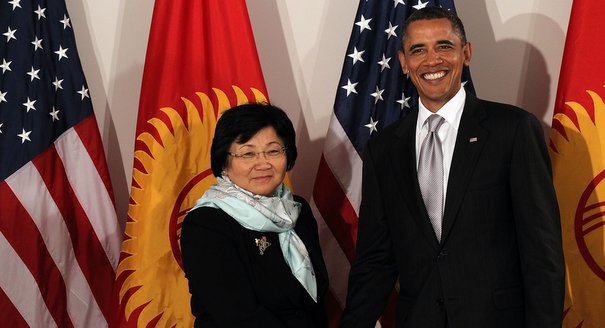
As a result, a Kyrgyz leader could conceivably invoke treaty obligations to call for Russian military support. So far neither Kyrgyz opposition leader Roza Otunbayeva nor deposed President Kurmanbek Bakiyev -- who has not formally resigned his position -- has done so.
Russian Prime Minister Vladimir Putin has in effect recognized the authority of Otunbayeva's interim government, clearly signaling Moscow's displeasure with Bakiyev. Putin is treating Otunbayeva as the de facto prime minister, a post that was vacated last month by Bakiyev's appointee Daniyar Usenov, who tendered his resignation along with that of his cabinet on March 7.
In contrast, the U.S. government has continued to maintain that calm should be restored in a manner consistent with democratic principles and human rights -- a stance that cannot be viewed as even tacit support of Otunbayeva's government. Secretary of State Hillary Clinton recently called Otunbayeva, using the conversation to reinforce U.S. calls for a peaceful resolution to the crisis, while also dispatching Assistant Secretary of State Robert Blake to Kyrgyzstan.
Although it might be tempting to work a deal today in Washington, the U.S. will gain nothing from moving discussions of Kyrgyzstan's crisis out of the international context in which they have been placed by U.N. Secretary-General Ban Ki-moon. The U.N.'s special envoy, Ján Kubiš, is a prominent international diplomat, well-known and respected by virtually all politicians in Kyrgyzstan and throughout the region. Working alongside a special envoy from Kazakhstan, which now chairs the Organization for Security and Co-operation in Europe, Kubiš has already begun shuttling between Bakiyev in the south and Otunbayeva in the nation's capital.
Given the difference between the United States and Russia's public stance toward Otunbayeva and her interim government, any joint statement from the two powers on Kyrgyzstan would serve to reinforce the idea that the road to Central Asia goes through Moscow. Not only would this be a substantial reversal of U.S. policy from the administrations of Bill Clinton and George W. Bush, it is less true today than it was 15 years ago, when Washington and a host of international partners first supported these countries to pursue independent foreign policies.
The U.S. and Russia are not the only interested parties in Kyrgyzstan, with whom neither shares a border -- unlike Kazakhstan, Uzbekistan, Tajikistan, and China, who all do. The first two share frequently traversed land borders with Kyrgyzstan, both of which have been closed in recent days. Both countries have also put local security forces at higher levels of alert.
None of these countries want to see Russia once again become the gatekeeper in the region -- the country to which one turns to confirm the authority of Central Asia's leaders. This is true for the Kazakhs and Uzbeks, who, with their aging presidents, will soon confront inevitable political transitions, and also for the Tajiks, whose economic and social problems are even worse than those of the Kyrgyz. But most of all, this is true for the Chinese, who are about to supplant the Russians as Kyrgyzstan's leading economic partner, a relationship facilitated by the fact that China and Kyrgyzstan are the only members of the World Trade Organization in the region.
China has important treaty relations with the Kyrgyz Republic through the Shanghai Cooperation Organization, which also includes Russia, Tajikistan, Uzbekistan and Kazakhstan as members. The SCO -- headed by Muratbek Imanaliev, a former Kyrgyz foreign minister and a neutral political figure -- has stayed on the sidelines of developments in Bishkek.
Otunbayeva has repeatedly argued that it is time for the people of Kyrgyzstan to solve their own problems, and that they don't need outside security forces to help. The interim government has managed to keep order for the last several days, and there is already an international negotiation mechanism in place to help end the political stalemate with Bakiyev as well as the country's current constitutional crisis.
Success by the U.N. special envoy and the OSCE would reinvigorate the viability of international institutions in the region, and hopefully lead to the formation of a government of Kyrgyzstan that both enjoys popular support and is able to form foreign partnerships of its own choosing. And that would be a better outcome than any backroom deals that could be struck in Washington today.
Former Senior Associate, Russia and Eurasia Program and, Co-director, al-Farabi Carnegie Program on Central Asia
Olcott is professor emerita at Colgate University, having taught political science there from 1974 to 2002. Prior to her work at the endowment, Olcott served as a special consultant to former secretary of state Lawrence Eagleburger.
Carnegie does not take institutional positions on public policy issues; the views represented herein are those of the author(s) and do not necessarily reflect the views of Carnegie, its staff, or its trustees.
More Work from Carnegie Endowment for International Peace
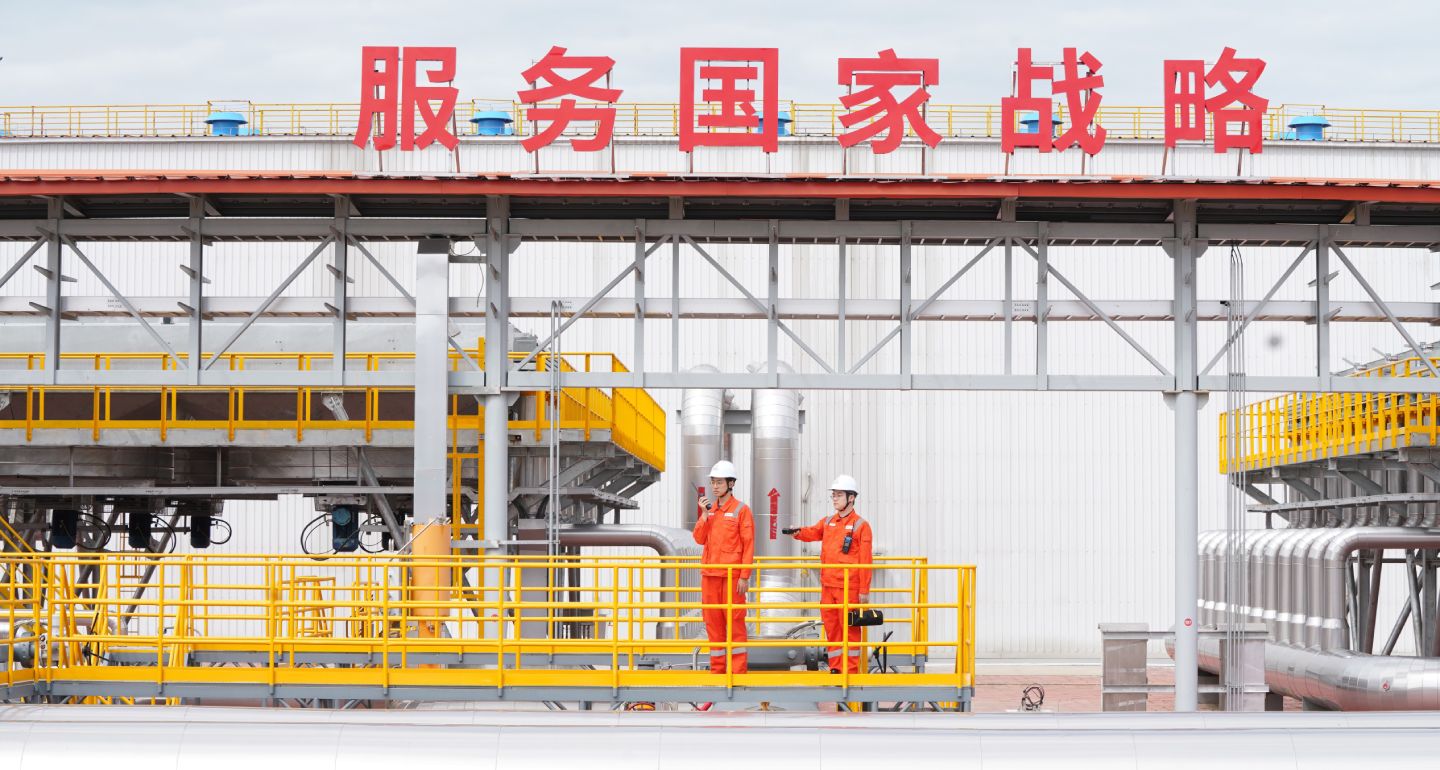
A leak of Russian gas price data helps establish that China is paying Russia far less than Central Asian countries and Gazprom’s former European customers.
China’s political future will be shaped between now and next October. As the Communist Party enters its intense “campaign season” to prepare for a major political transition in 2027, reading Beijing's actions and responses may become more difficult as domestic politics weigh on its behavior more than usual.
The EU can impose sanctions but struggles to enforce them without the United States. With Washington increasingly disinterested in backing European interests, the bloc must now fend for itself.
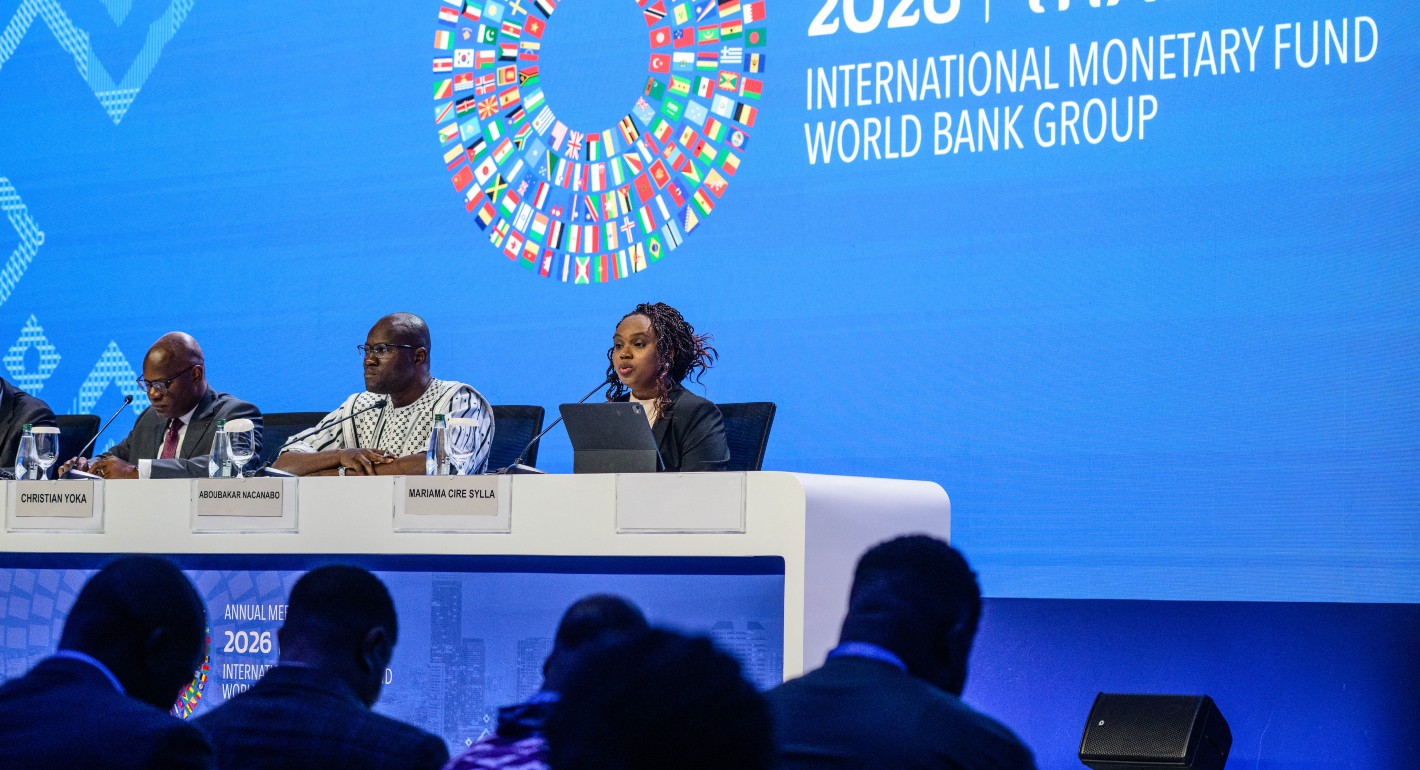
Global and rising powers will need to engage with Africa’s priorities and agency in order to secure the continent’s increasingly attractive partnerships.