

Commentary
In an interview, Ian Lustick and Eli Clifton discuss their new book on why a prominent ally has so much influence in America.
Michael Young
{
  "authors": [
    "Taghreed El-Khodary",
    "Philip C. Wilcox Jr.",
    "Sarah Ferris",
    "Ellen Willmott"
  ],
  "type": "commentary",
  "centerAffiliationAll": "dc",
  "centers": [
    "Carnegie Endowment for International Peace"
  ],
  "collections": [],
  "englishNewsletterAll": "menaTransitions",
  "nonEnglishNewsletterAll": "",
  "primaryCenter": "Carnegie Endowment for International Peace",
  "programAffiliation": "MEP",
  "programs": [
    "Middle East"
  ],
  "projects": [],
  "regions": [
    "Middle East",
    "Israel",
    "Palestine"
  ],
  "topics": [
    "Security"
  ]
}
REQUIRED IMAGE
Under the control of Hamas and hemmed in by Israeli containment policies, the Gaza Strip continues to pose multiple challenges for humanitarian and reconstruction efforts as well as for broader U.S. strategic interests in the region.
Under the control of Hamas and hemmed in by Israeli containment policies, the Gaza Strip continues to pose multiple challenges for humanitarian and reconstruction efforts as well as for broader U.S. strategic interests in the region. The Gaza crisis has contributed to internal political rivalries among Palestinian factions and complicated Cairo’s efforts to advance Palestinian reconciliation talks. Does the U.S. administration’s current push for restarting negotiations require a united Palestinian partner? How can U.S. investments in Gaza be leveraged to secure progress on the ground while addressing U.S. security interests in the region? Does the path to peace go through Gaza or require a diplomatic detour?
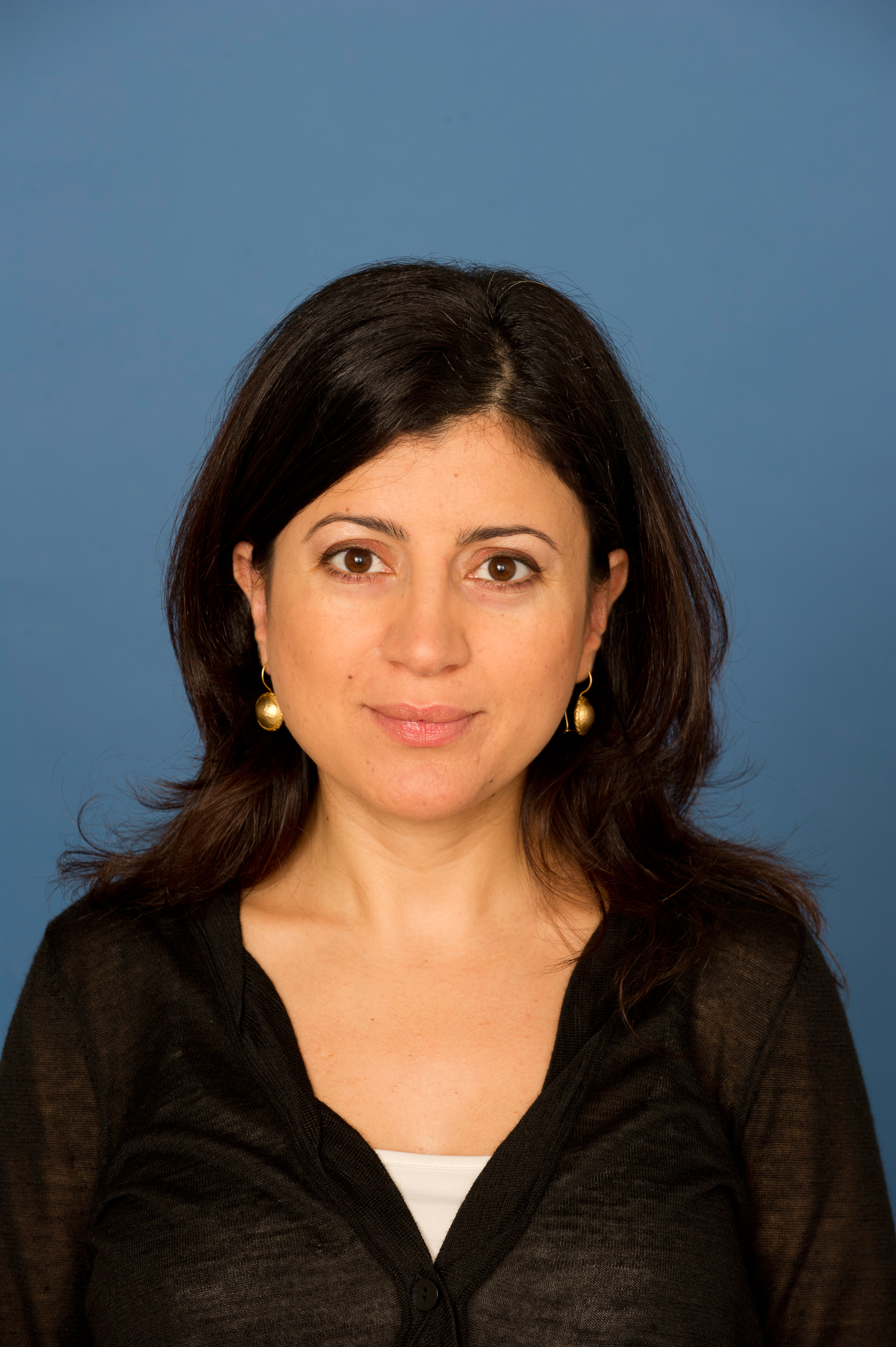
Former Visiting Scholar, Heinrich Boell Fellow, Middle East Program
El-Khodary was a visiting scholar in the Middle East Program, where her research focused on the future of Gaza.
Philip C. Wilcox, Jr.
Foundation for Middle East Peace
Sarah Ferris
Mercy Corps
Ellen Willmott
Save the Children
Carnegie does not take institutional positions on public policy issues; the views represented herein are those of the author(s) and do not necessarily reflect the views of Carnegie, its staff, or its trustees.

In an interview, Ian Lustick and Eli Clifton discuss their new book on why a prominent ally has so much influence in America.

Michael Young

The Horn of Africa countries are among those facing a new security calculus.


Andrew Leber, Lesley Anne Warner

The European far right might fail to steer EU policy in the direction Russia wants, but they will create enough chaos inside Europe to benefit the Kremlin.

Dimitar Bechev

The new U.S.–Denmark–Greenland agreement will help Washington exert political, economic, and financial dominance under the guise of security. Yet, it acknowledged Copenhagen’s and Nuuk’s sovereignty on the island.

Marc Pierini

A summer of escalation in the Black Sea has hurt Ukraine economically and is exacerbating world food security. A truce is needed—as is a broader reframing of Europe’s Ukraine strategy.

Thomas de Waal