

Paper
Thomas Carothers
{
  "authors": [
    "Thomas Carothers"
  ],
  "type": "testimony",
  "centerAffiliationAll": "dc",
  "centers": [
    "Carnegie Endowment for International Peace",
    "Carnegie Europe",
    "Carnegie Russia Eurasia Center"
  ],
  "collections": [],
  "englishNewsletterAll": "democracy",
  "nonEnglishNewsletterAll": "",
  "primaryCenter": "Carnegie Endowment for International Peace",
  "programAffiliation": "DCG",
  "programs": [
    "Democracy, Conflict, and Governance"
  ],
  "projects": [],
  "regions": [
    "North America",
    "United States"
  ],
  "topics": [
    "Political Reform",
    "Foreign Policy",
    "Democracy"
  ]
}
Source: Getty
While U.S. democracy aid has grown in amount and sophistication over the last two decades under Republican and Democratic administrations alike, American democracy promotion efforts can achieve their full potential only by reforming USAID.
Source: House Committee on Foreign Affairs

While U.S. democracy aid has grown in amount and sophistication over the last two decades under Republican and Democratic administrations alike, Carothers concludes that American democracy promotion efforts can achieve their full potential only by reforming USAID. Doing so, he writes, would “be a viable signal that the Obama administration is moving beyond its apparent caution on democracy promotion to forge foundational changes.”

Harvey V. Fineberg Chair for Democracy Studies; Senior Fellow, Democracy, Conflict, and Governance Program
Thomas Carothers, a senior fellow in the Carnegie Endowment for International Peace’s Democracy, Conflict, and Governance Program, is a leading expert on comparative democratization and international support for democracy.
Recent Work
Thomas Carothers
Thomas Carothers
Carnegie does not take institutional positions on public policy issues; the views represented herein are those of the author(s) and do not necessarily reflect the views of Carnegie, its staff, or its trustees.
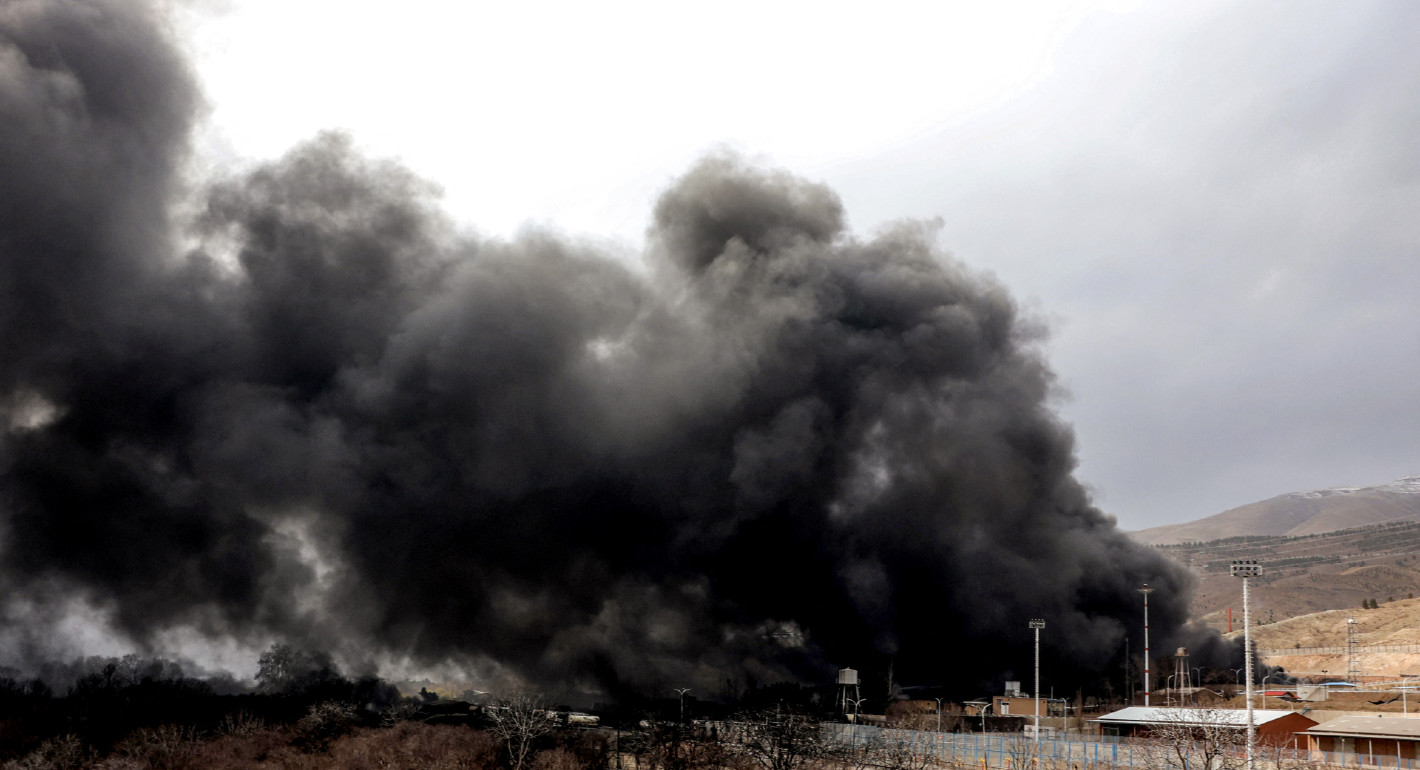
Understanding the climatic pain points is necessary for policymakers hoping to minimize the war’s negative environmental consequences.



Alejandro Martin Rodriguez, Joy Arkeh, Sarah Yerkes

Huawei pushed hard to enter the Egyptian data centers market, until the Americans made a better offer.

Angie Omar

Radical-right parties are expected to do well in upcoming elections in four of the EU's biggest member states. If successful, they could prevent the union from addressing key challenges ahead.

Stefan Lehne

The books, podcasts, and films that explain the world it made.

Andrew Leber

U.S. trading partners in Asia are closely watching the dispute for signs of how it may affect their own interests.
Barbara Weisel