

Commentary
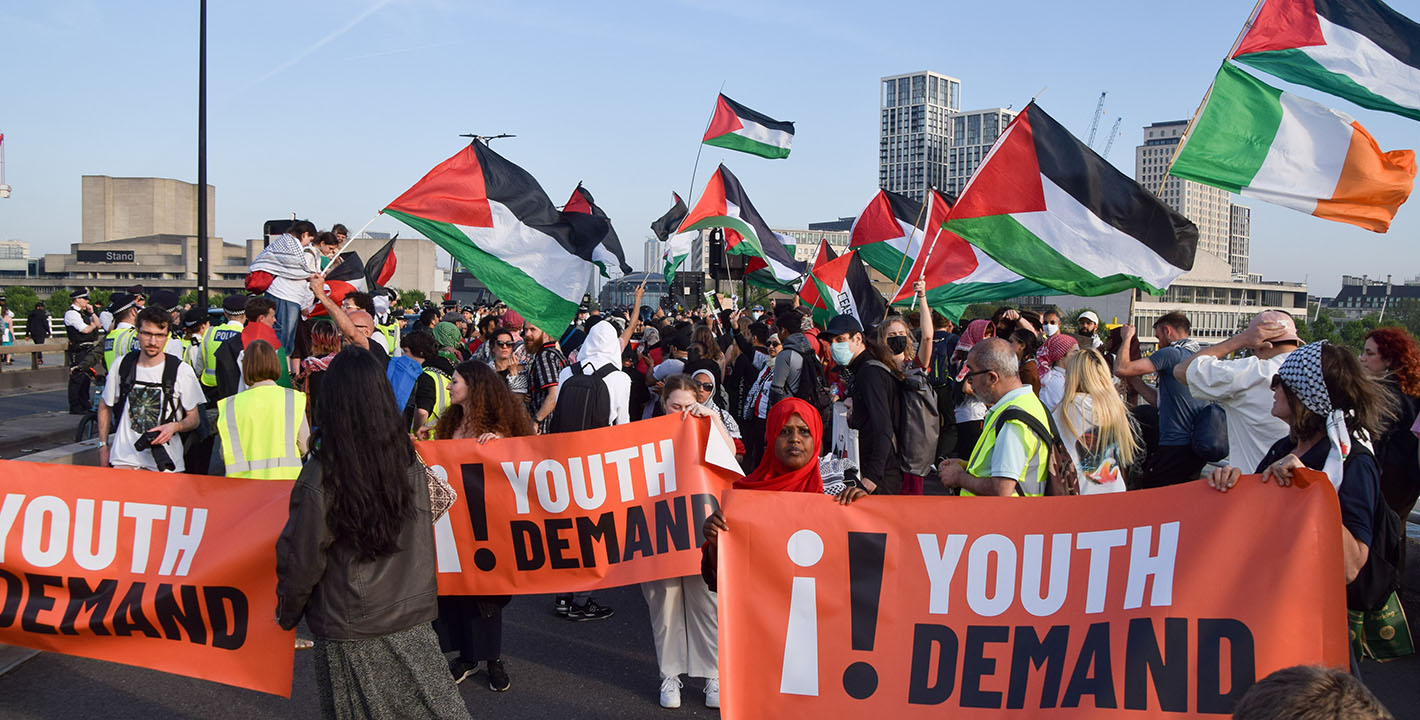
In an interview, Mayssoun Sukarieh discusses youths in the region, and how they are being defined and reshaped.
Yasmine Zarhloule
{
  "authors": [
    "Henri J. Barkey",
    "Kemal Kirişci"
  ],
  "type": "commentary",
  "centerAffiliationAll": "dc",
  "centers": [
    "Carnegie Endowment for International Peace"
  ],
  "collections": [],
  "englishNewsletterAll": "menaTransitions",
  "nonEnglishNewsletterAll": "",
  "primaryCenter": "Carnegie Endowment for International Peace",
  "programAffiliation": "MEP",
  "programs": [
    "Middle East"
  ],
  "projects": [],
  "regions": [
    "Middle East",
    "Türkiye"
  ],
  "topics": []
}
REQUIRED IMAGE
As Turkey increases its regional and global influence, its internal political challenges may limit Ankara’s ability to achieve its global ambitions even as its new foreign policy focus could affect Turkey’s relations with the United States and the European Union.
What are the implications of Turkey’s ambitions to increase its regional and global influence? In particular, what is the impact on U.S.-Turkey relations? How have Turkey’s long-term interest vis-à-vis the European Union changed now that it appears to be ‘cozying up’ with the Arab world and Iran? How might Turkey’s internal political challenges impact its global ambitions? Henri Barkey and Kemal Kirişci discuss how Turkey's changing foreign policy might affect its relations with the West.

Former Visiting Scholar, Middle East Program
Barkey served as a member of the U.S. State Department Policy Planning Staff, working primarily on issues related to the Middle East, the Eastern Mediterranean, and intelligence from 1998 to 2000.
Kemal Kirişci
Kemal Kirişci is a nonresident senior fellow at the Brookings Institution, with an expertise in Turkish foreign policy and migration studies.
Carnegie does not take institutional positions on public policy issues; the views represented herein are those of the author(s) and do not necessarily reflect the views of Carnegie, its staff, or its trustees.
In an interview, Mayssoun Sukarieh discusses youths in the region, and how they are being defined and reshaped.

Yasmine Zarhloule
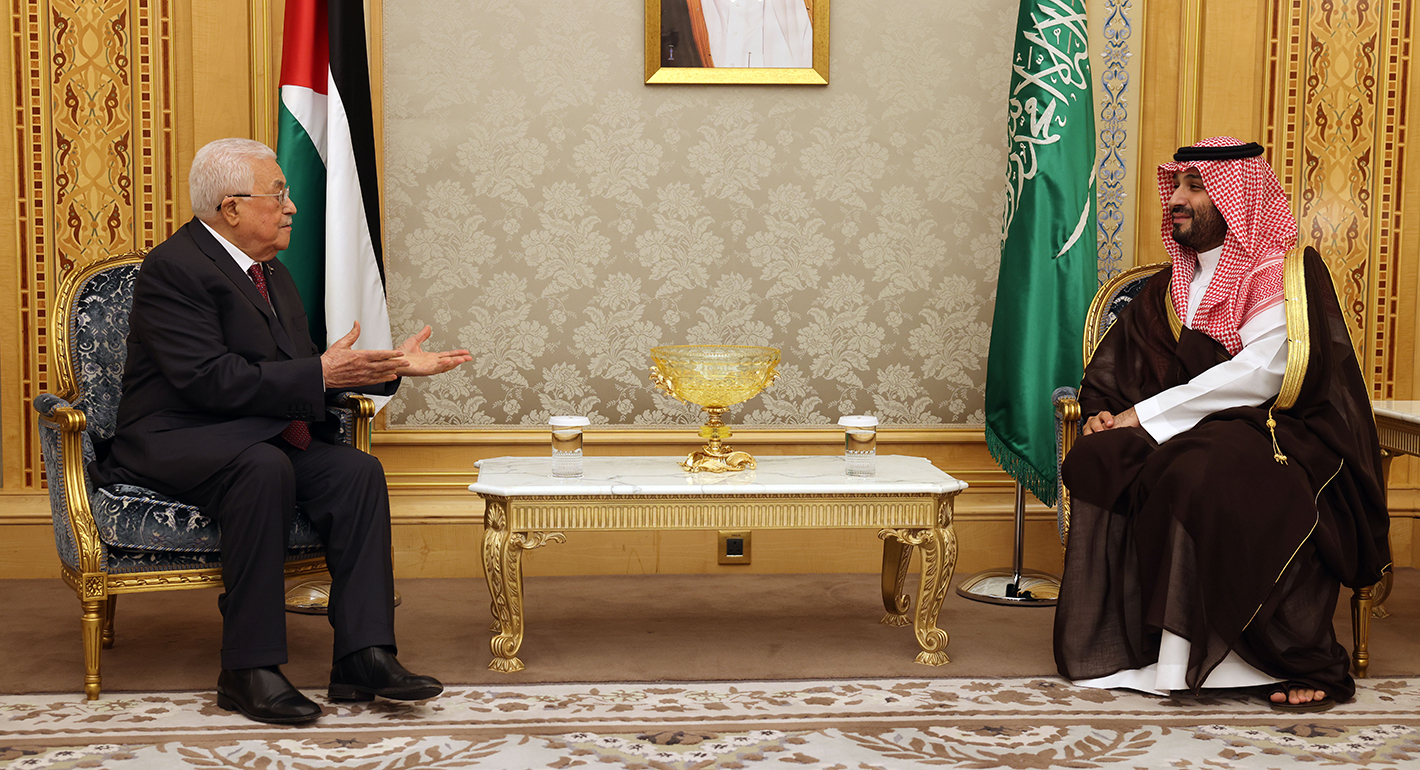
The U.S. midterm elections signal the opening of a narrow window for bold Saudi diplomacy on Palestine.

Andrew Leber, Zaha Hassan

Russia is testing the waters of NATO’s mutual defense clause. What do strikes in Romanian territorial waters mean for the alliance’s posture toward Moscow?

Dimitar Bechev
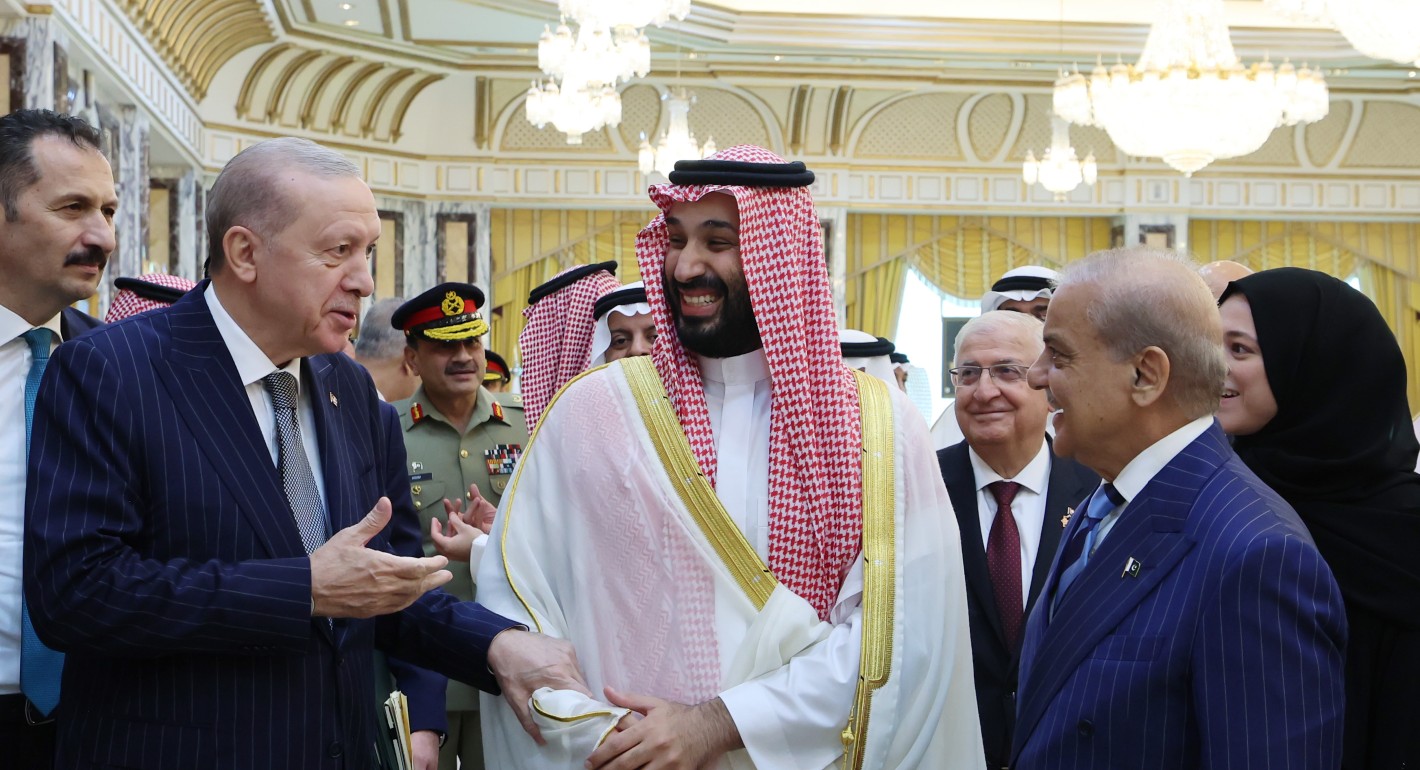
Why Pakistan, Saudi Arabia, and Turkey are joining forces on regional security.


Alper Coşkun, Amr Hamzawy
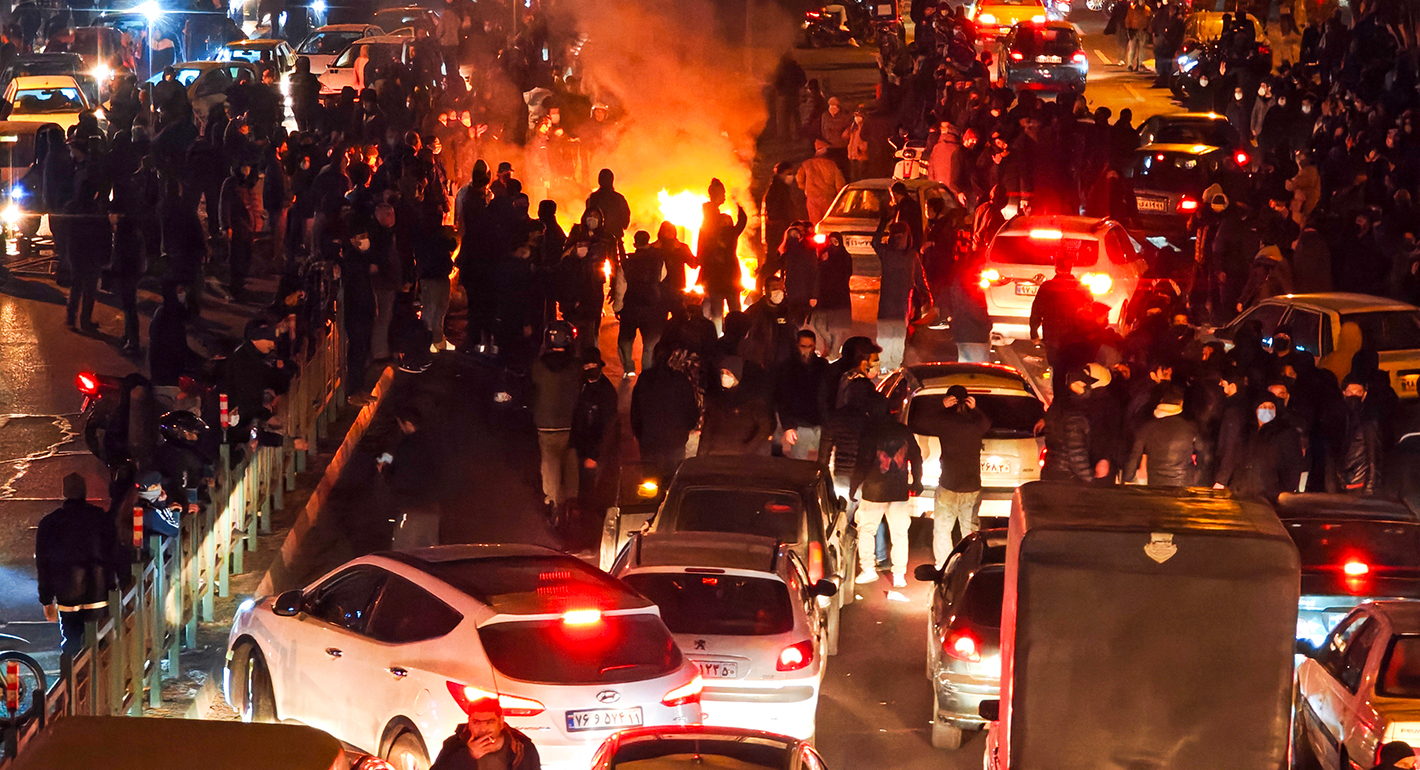
Protests in Iran follow a similar pattern: Economic grievances turn into political protests that spread nationwide. But increased state repression has begun to shift the arrangement.

Eric Lob