

Article
Henri J. Barkey
{
  "authors": [
    "Henri J. Barkey"
  ],
  "type": "legacyinthemedia",
  "centerAffiliationAll": "dc",
  "centers": [
    "Carnegie Endowment for International Peace",
    "Carnegie Europe",
    "Malcolm H. Kerr Carnegie Middle East Center"
  ],
  "collections": [
    "Turkey’s Transformation"
  ],
  "englishNewsletterAll": "menaTransitions",
  "nonEnglishNewsletterAll": "",
  "primaryCenter": "Carnegie Endowment for International Peace",
  "programAffiliation": "MEP",
  "programs": [
    "Middle East"
  ],
  "projects": [],
  "regions": [
    "Middle East",
    "Türkiye",
    "Egypt",
    "Gulf",
    "Levant",
    "Europe"
  ],
  "topics": [
    "Security"
  ]
}
Source: Getty
Turkey is one of the most economically and politically powerful states in the Middle East and it has recently been taking steps to fill the leadership vacuum that exists in the region.
Source: Al Jazeera's Inside Story
During the end of the Bush administration, Turkey began to position itself to fill the leadership vacuum in the Middle East. Turkey is one of the most economically and politically powerful states in the region. Its government brokered negotiations between the Syrians and the Israelis. Yet while those negotiations demonstrate the strength of Turkey’s ambitions, Carnegie’s Henri Barkey suggested that “the importance of these negotiations should not be exaggerated;” no real deal could have been made without U.S. involvement and approval.
Addressing concerns that the United States and Turkey are becoming increasingly estranged, Barkey asserted that “the big problem between the United States and Turkey is Iran; everything else is just a sideshow.” Ultimately, he concluded, the Turks and Americans remain important allies and will continue to cooperate on the multitude of regional issues where their interests coincide.

Former Visiting Scholar, Middle East Program
Barkey served as a member of the U.S. State Department Policy Planning Staff, working primarily on issues related to the Middle East, the Eastern Mediterranean, and intelligence from 1998 to 2000.
Recent Work
Henri J. Barkey
Henri J. Barkey
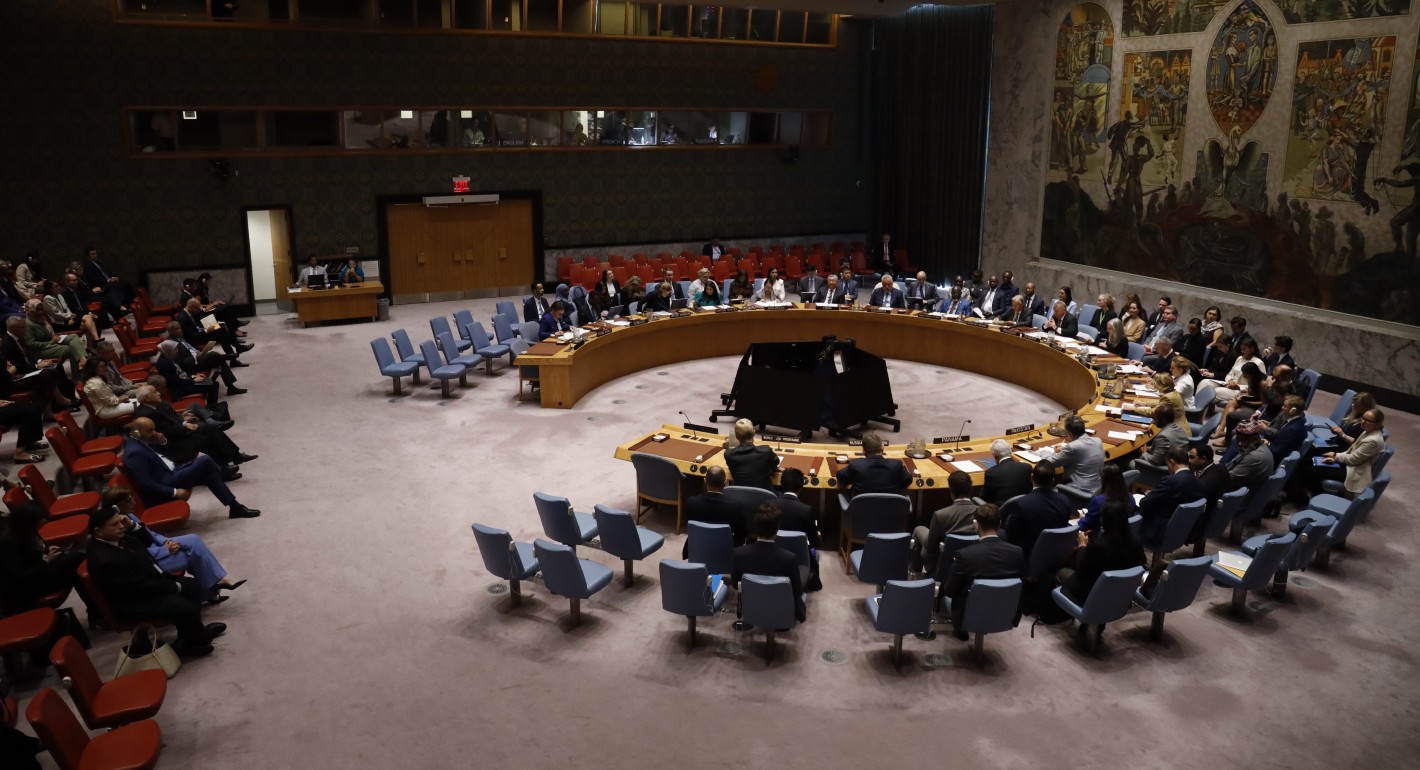
They face an uphill climb, but they could draw on a strategy that other diplomats have used in the past.


Shana Tabak, Alejandro Martin Rodriguez
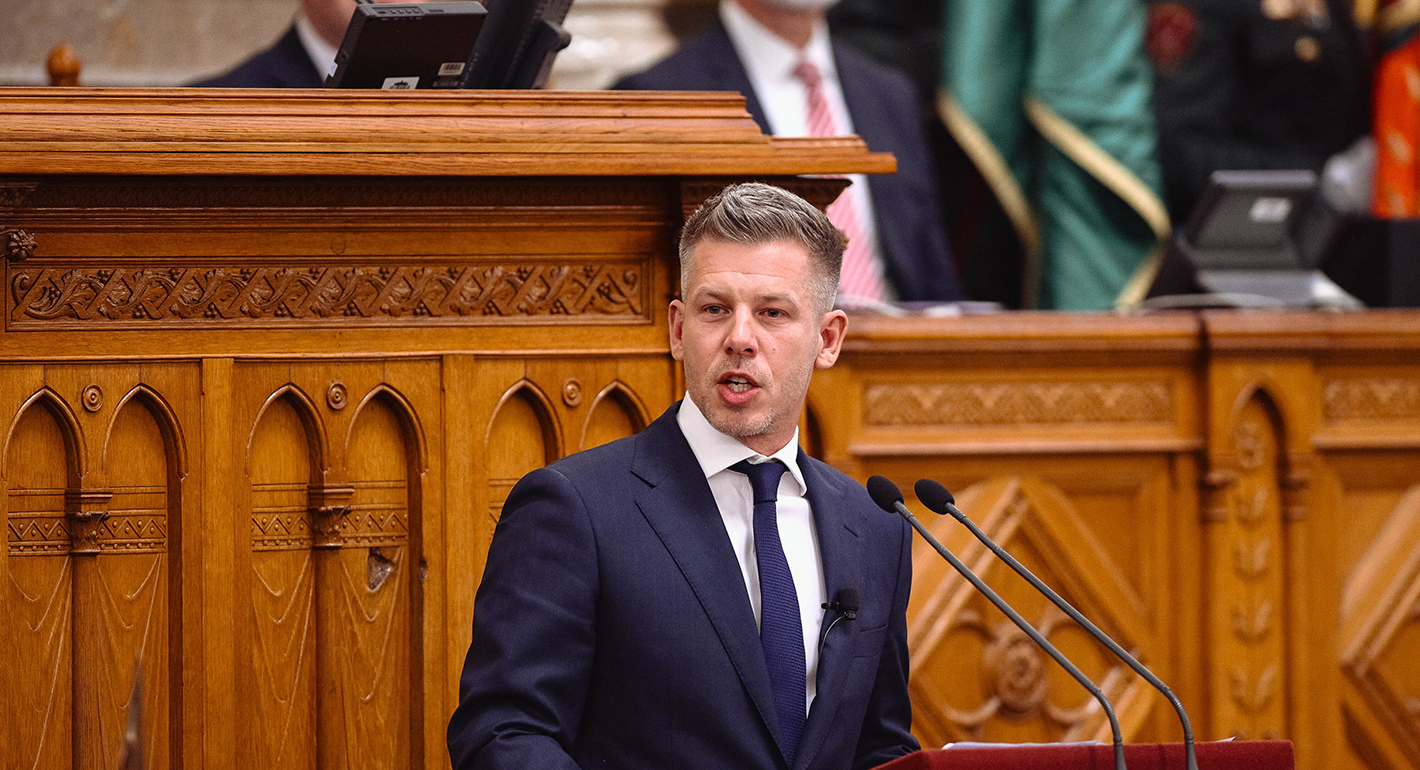
Despite myriad challenges and occasional stumbles, the new Hungarian government is moving ahead with energy and conviction to uproot years of illiberalism and corruption and rebuild Hungarian democracy.

Thomas Carothers

European Commission President Ursula von der Leyen is about to give her annual address on the state of the EU. Here’s what she won’t—but should—say.

Rym Momtaz

Understanding the climatic pain points is necessary for policymakers hoping to minimize the war’s negative environmental consequences.


Alejandro Martin Rodriguez, Joy Arkeh, Sarah Yerkes

Huawei pushed hard to enter the Egyptian data centers market, until the Americans made a better offer.

Angie Omar