

Article
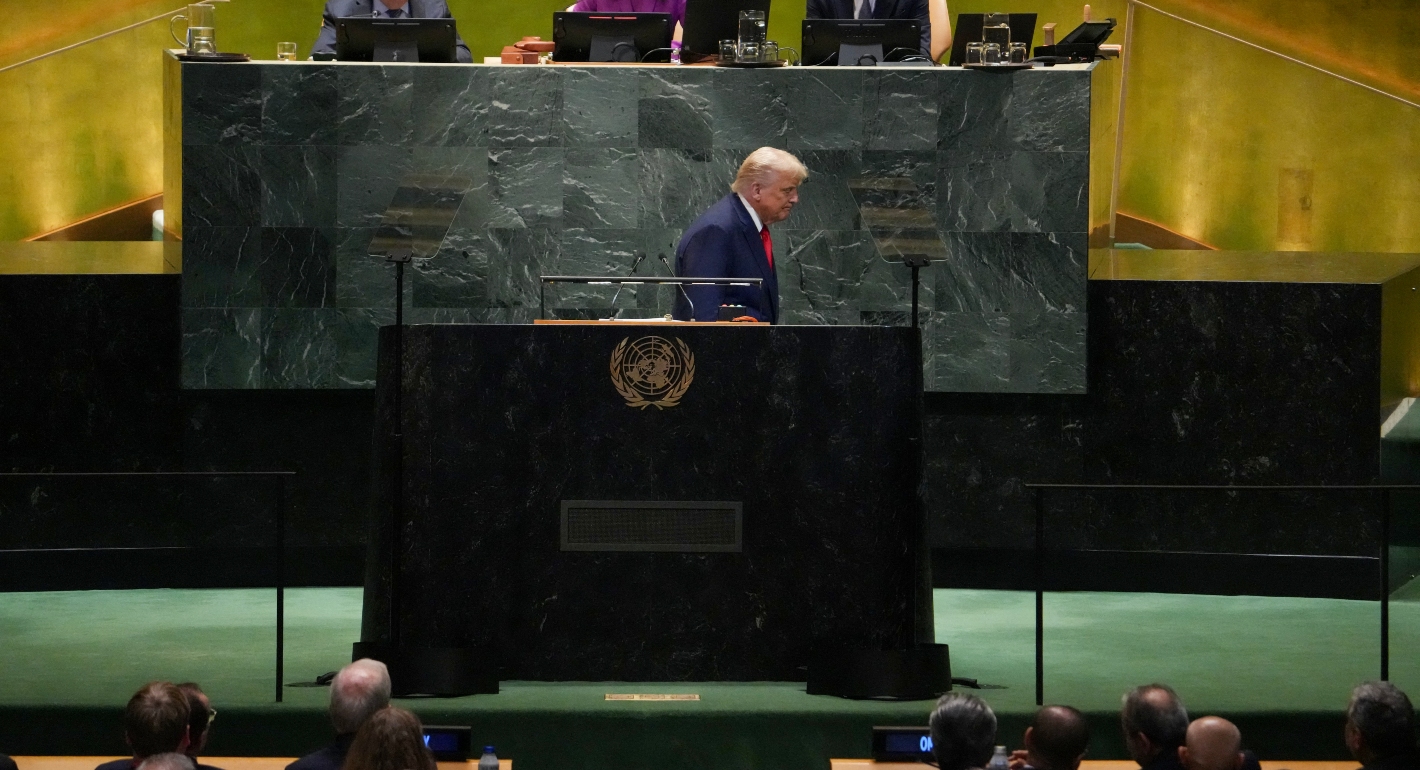
For years, the United States anchored global cyber diplomacy. As Washington rethinks its leadership role, the launch of the UN’s Cyber Global Mechanism may test how allies adjust their engagement.
Patryk Pawlak, Chris Painter
{
  "authors": [],
  "type": "pressRelease",
  "centerAffiliationAll": "dc",
  "centers": [
    "Carnegie Endowment for International Peace"
  ],
  "collections": [],
  "englishNewsletterAll": "asia",
  "nonEnglishNewsletterAll": "",
  "primaryCenter": "Carnegie Endowment for International Peace",
  "programAffiliation": "AP",
  "programs": [
    "Asia",
    "Sustainability, Climate, and Geopolitics"
  ],
  "projects": [],
  "regions": [
    "China",
    "North America"
  ],
  "topics": []
}
REQUIRED IMAGE
Beijing’s focus on domestically developed products and services—if executed correctly—is a positive development. Adopting market-friendly policies that foster innovation could move China beyond its current policies, which stifle rather than encourage innovation. This will lead to an increase in wages and living standards in China and help build technological progress worldwide.
WASHINGTON, July 8—China’s policies favoring local industries have led to a growing perception that China is becoming less conducive to foreign businesses. Beijing’s approach raises serious concerns in the global business community, spurring increasingly protectionist calls in the United States and Europe.
In a new paper, however, Nathaniel Ahrens challenges conventional wisdom and suggests that Beijing’s focus on domestically developed products and services—if executed correctly—is a positive development. Adopting market-friendly policies that foster innovation could move China beyond its current policies, which stifle rather than encourage innovation. This will lead to an increase in wages and living standards in China and help build technological progress worldwide.
Key Conclusions:
“Government procurement should play an important role in stimulating innovation, but keeping open markets and international linkages is critical,” writes Ahrens. “Instead of following its current approach of short-term product substitution and picking winners by protecting them from competition, China should focus on proven, market-friendly ways of stimulating innovation.”
###
NOTES
Carnegie does not take institutional positions on public policy issues; the views represented herein are those of the author(s) and do not necessarily reflect the views of Carnegie, its staff, or its trustees.
For years, the United States anchored global cyber diplomacy. As Washington rethinks its leadership role, the launch of the UN’s Cyber Global Mechanism may test how allies adjust their engagement.


Patryk Pawlak, Chris Painter

Censorship in China spans the public and private domains and is now enabled by powerful AI systems.
Nathan Law

Most of Moscow’s military resources are tied up in Ukraine, while Beijing’s foreign policy prioritizes economic ties and avoids direct conflict.


Alexander Gabuev, Temur Umarov

The interventions in Iran and Venezuela are in keeping with Trump’s strategy of containing China, but also strengthen Russia’s position.

Mikhail Korostikov
Arguing that Chinese policy is hung on alliances—with imputations of obligation—misses the point.

Evan A. Feigenbaum