

Paper
Matthew Rojansky
{
  "authors": [
    "Matthew Rojansky"
  ],
  "type": "legacyinthemedia",
  "centerAffiliationAll": "dc",
  "centers": [
    "Carnegie Endowment for International Peace",
    "Carnegie Europe"
  ],
  "collections": [],
  "englishNewsletterAll": "ctw",
  "nonEnglishNewsletterAll": "",
  "primaryCenter": "Carnegie Endowment for International Peace",
  "programAffiliation": "russia",
  "programs": [
    "Russia and Eurasia"
  ],
  "projects": [],
  "regions": [
    "Caucasus",
    "Russia"
  ],
  "topics": [
    "Political Reform"
  ]
}
Source: Getty
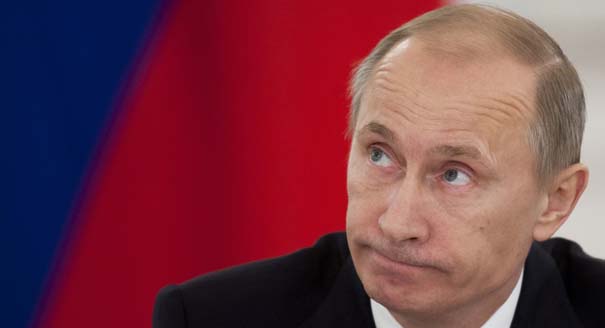
In spite of widespread criticism of Moscow’s handling of the crisis, the forest fires burning across Russia have provided Prime Minister Putin with another chance to boost his personal popularity by presenting himself as a strong, tough leader.
Source: The Independent

But Putin is best known to Russians as a strong leader, a "man on horseback" in the tradition of Stalin and Peter the Great. Putin's presidency began with the second Chechen war, a campaign to eradicate Islamist separatists and terrorists accused of bombings in Moscow and other cities. Putin's popularity crested with his image as the kind of strong leader who could play tough – even dirty – when the circumstances merit.
Now, as Prime Minister, he is rolling up his sleeves to take charge and is once again the man on horseback. Although fire-fighting efforts have been woefully inadequate, Putin's personal popularity will swell, at least in the short term.
For Medvedev, the short-term prospects are less bright. He has been a very different kind of President. With Putin positioned protectively close, he plays the role of diplomat-in-chief and apostle of Russia's "modernisation" drive, which entails forging closer ties with the West and fighting corruption. But to average Russians, the suave young President appears no match for the challenge of this firestorm.
In the longer term, however, it may be Medvedev that benefits more. Citizens are asking how Putin's power structure could have allowed so much local corruption and ill-preparedness, and complaining that even Soviet-era leaders were more effective.
With presidential elections still two years off, there is plenty of time for new crises to remind Russians why Putin's toughness might still be needed. Medvedev himself has said he will step aside if his mentor decides to run. For now, just like the smoke-blotted Moscow skyline, there is little daylight visible in Russia's "tandem" leadership.
Former Deputy Director, Russia and Eurasia Program
Rojansky, formerly executive director of the Partnership for a Secure America, is an expert on U.S. and Russian national security and nuclear-weapon policies.
Recent Work
Matthew Rojansky
Matthew Rojansky
Carnegie does not take institutional positions on public policy issues; the views represented herein are those of the author(s) and do not necessarily reflect the views of Carnegie, its staff, or its trustees.
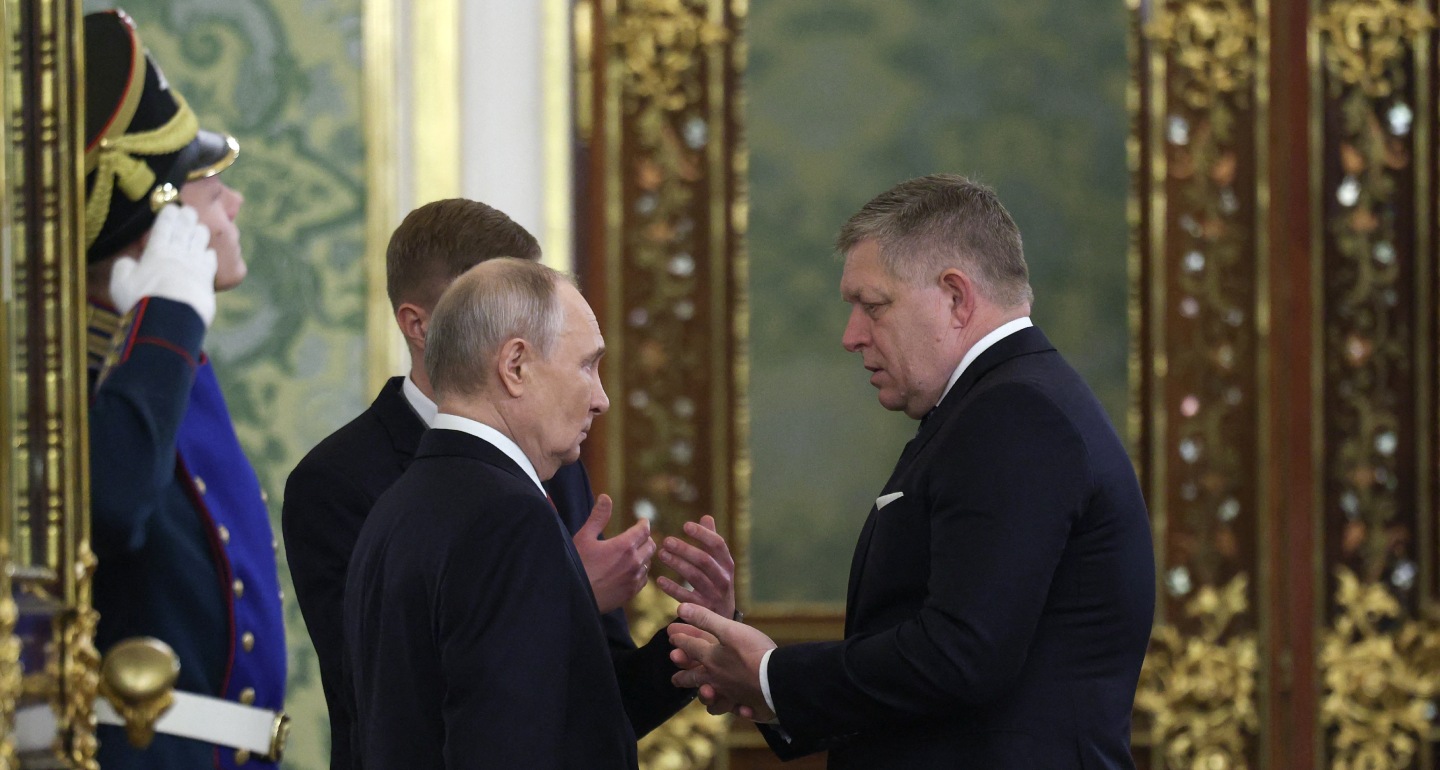
Though Orban is gone, Putin can still count on some like-minded individuals in Central and Eastern Europe. However, they will seek to avoid open confrontation with EU institutions over Ukraine and their ties with Moscow.

Dimitar Bechev
The truth is that Japan’s government is seeking a degree of reengagement but at a vastly reduced level than under Abe. Most significantly, Japan has shown no willingness to ease sanctions.

James D.J. Brown
“Central Asia” as an analytical category is itself part of the problem. The term is a Soviet administrative inheritance, drawn along lines that served the convenience of Moscow. The Central Asian states the Soviets named no longer see themselves through this category alone and are not aligning across political blocs but are instead building external partnerships sector by sector, assigning different partners to different functions.

Jennifer B. Murtazashvili
The cost of air defense has become an unregistered tax on revenue for businesses. While military rents are consolidated in the federal budget, the costs of defense are being spread across the balance sheets of companies and regional governments.

Alexandra Prokopenko
Governments in Estonia, Latvia, and Lithuania want to ensure that a U.S. military withdrawal would not leave them dangerously exposed to a Russian attack.

Sergejs Potapkins