

Article
Thomas de Waal, Areg Kochinyan, Zaur Shiriyev
{
  "authors": [
    "Thomas de Waal"
  ],
  "type": "legacyinthemedia",
  "centerAffiliationAll": "dc",
  "centers": [
    "Carnegie Endowment for International Peace",
    "Carnegie Europe",
    "Carnegie Russia Eurasia Center"
  ],
  "collections": [],
  "englishNewsletterAll": "ctw",
  "nonEnglishNewsletterAll": "",
  "primaryCenter": "Carnegie Europe",
  "programAffiliation": "russia",
  "programs": [
    "Russia and Eurasia"
  ],
  "projects": [],
  "regions": [
    "North America",
    "United States",
    "Caucasus",
    "Azerbaijan",
    "Armenia"
  ],
  "topics": [
    "Foreign Policy"
  ]
}
Source: Getty
Diaspora Armenian politics are playing a significant role in holding up U.S. diplomatic nominations to the countries of the South Caucasus, which risks undermining U.S. engagement and influence throughout the region.
Source: The National Interest

Nowadays, the Senate hold is the new nie pozwalam. A handful of senators with axes to grind are holding up a whole series of government nominations, thereby seriously obstructing the conduct of U.S. foreign policy. The ambassadorial nominees to Turkey and the Czech Republic are stuck in limbo, but the most compelling drama is around Matt Bryza, the nominee for ambassador in Baku. The fate of Bryza (who is of Polish descent), hangs on the whims of two senators, Barbara Boxer of California, who is facing a tough re-election fight in November, and Robert Menendez of New Jersey. Both are stalwarts of the Congress Armenian lobby.
There are both pluses and minuses about sending Bryza back to the Caucasus, the region he covered as deputy assistant secretary of state. The minuses are about Georgia, not Azerbaijan. Bryza was the front man for a policy there that went disastrously wrong in 2008 and is still associated with the failure to prevent war over South Ossetia. But Azerbaijan is not Georgia and in many ways Baku and Bryza are a good match. Obviously the Azerbaijanis are keen to see any ambassador turn up, having had none since July 2009 (although this did not stop them blocking the proposed dispatch to Baku of a senior U.S ex-ambassador as a chargé d’affaires). Bryza is a known quantity to them, which means that there will be no time wasted: the bilateral conversation will be serious from Day One. Bryza certainly knows the Karabakh issue, the number one policy issue for Azerbaijan, inside out, having served as the U.S co-chairman of the Minsk Group negotiations on the conflict.
Curious to say, the Armenian government should be just as happy to see Bryza arrive in Baku—and they have in fact made it clear they have no problem with his nomination. The Yerevan government knows full well that the lack of a U.S ambassador in Baku increases Azerbaijani anger, pushes Baku closer to Moscow and the Islamic world, and decreases American leverage—none of which is useful for them. They would also benefit in having as U.S. representative in Azerbaijan a man who in his previous job regularly visited Armenia and Nagorny Karabakh; that means he can counter, from personal knowledge, fantastic Azerbaijani claims that the Armenians on the other side of the Karabakh conflict divide are terrorists, drug-runners or living in dirt poverty.
This is not about Armenia, but about one faction of U.S. Armenians. The questions raised by Menendez, with the keen support of the Armenian Dashnak organization, the ANCA, amount to queries on Bryza’s relationship with a few Azerbaijani and Turkish officials and his lavish wedding on the Bosphorus. In the end they mainly come down to the fact that Bryza happens to have a politically active Turkish wife and that the ANCA took a dislike to him because he did not pursue an openly pro-Armenian line in his former post. Challenged by the Washington Post, Menendez responded that “at the core of my opposition to Mr. Bryza's nomination is respect for the Armenian people.” He said, “We should not be sending a top diplomat to the region who does not support recognition of what is considered among historians to be the first modern genocide.”
The invoking of the genocide issue raises an interesting question. Bryza is only faithfully expressing official U.S. policy, that the 1915 killings and deportations of the Ottoman Armenians should not be labeled “genocide” (even though President Obama has now said everything but the “G-word,” declaring last April 24, “I have consistently stated my own view of what occurred in 1915, and my view of that history has not changed.”) Menendez says that sticking to this line disqualifies Bryza from being an ambassador. Will he now put a hold on every single genocide-denying diplomatic nominee who comes before the Senate until all 180 or so U.S ambassadorial seats around the world are vacant?
In sum, Menendez and Boxer are being driven by diaspora Armenian politics as they put a hold on U.S. engagement in the region. What next for the Senate naysayers in their search to emulate the Sejm?

Senior Fellow, Carnegie Europe
Thomas de Waal is a senior fellow at Carnegie Europe, specializing in Eastern Europe and the Caucasus.
Recent Work
Thomas de Waal, Areg Kochinyan, Zaur Shiriyev
Thomas de Waal
Carnegie does not take institutional positions on public policy issues; the views represented herein are those of the author(s) and do not necessarily reflect the views of Carnegie, its staff, or its trustees.
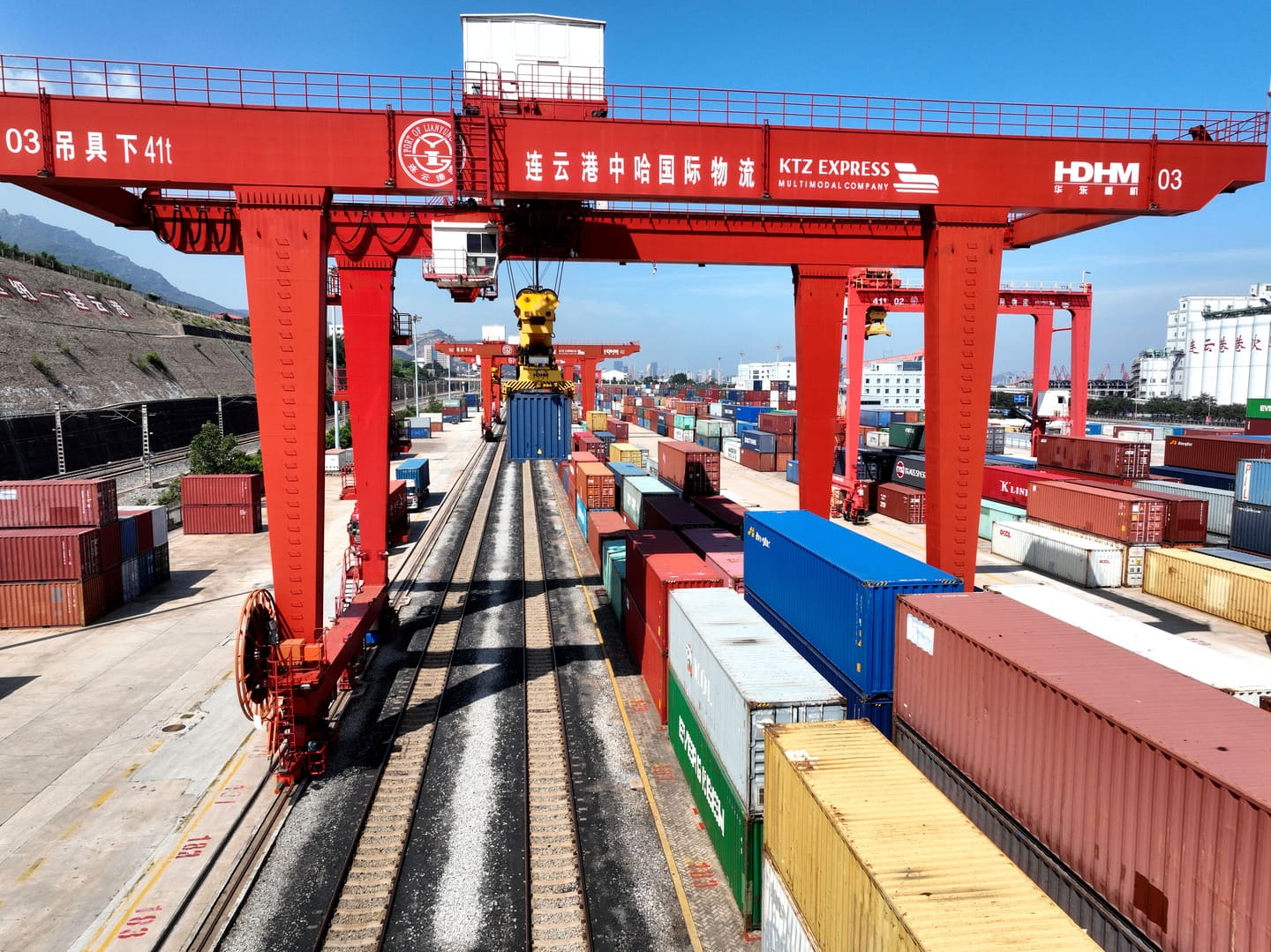
For the Middle Corridor to fulfill its promises, one of these routes must become scalable. At present, neither is.
Friedrich Conradi
If Washington cannot adapt to the ongoing transformations of a multipolar world, its superiority will become a liability.

Amr Hamzawy
A prerequisite of serious talks is that the country’s leadership consolidates majority national support for such a process.

Michael Young
Following Ursula von der Leyen’s gaffe equating Turkey to Russia and China, relations with Ankara risk deteriorating even further. Without better, more consistent diplomatic messaging, how can the EU pretend to be a geopolitical power?

Sinan Ülgen
Here’s why—and what the next president needs to do to fix the process.

Daniel C. Kurtzer, Aaron David Miller