

Q&A
- +1
Amr Hamzawy, Andrew Leber, Eric Lob, …
{
  "authors": [
    "Marwan Muasher"
  ],
  "type": "other",
  "centerAffiliationAll": "dc",
  "centers": [
    "Carnegie Endowment for International Peace",
    "Malcolm H. Kerr Carnegie Middle East Center"
  ],
  "collections": [
    "Arab Awakening"
  ],
  "englishNewsletterAll": "menaTransitions",
  "nonEnglishNewsletterAll": "",
  "primaryCenter": "Malcolm H. Kerr Carnegie Middle East Center",
  "programAffiliation": "MEP",
  "programs": [
    "Middle East"
  ],
  "projects": [],
  "regions": [
    "Middle East",
    "North Africa",
    "Egypt",
    "Gulf",
    "Levant",
    "Maghreb"
  ],
  "topics": [
    "Political Reform"
  ]
}
Source: Getty
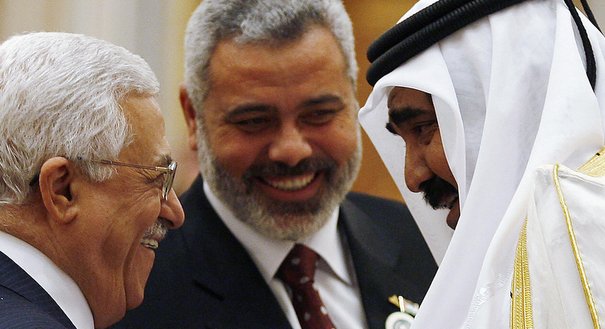
Arab moderates must realize that they cannot limit their moderation to the Arab-Israeli peace process if they hope to remain credible in the eyes of a public demanding serious domestic reforms.
For Arabs today, the label "moderate" applies to only one issue: one’s position on the Arab–Israeli peace process. Arab states or individuals who pursue or support peace between Israel and the Palestinians and other Arabs through peaceful means are known as "moderates." Those who do not—either by advocating, supporting, or engaging in violence to end the Israeli occupation—are labeled hardliners. As a result, countries like Egypt, Saudi Arabia, and Jordan are considered moderate Arab states, while Syria and non-state actors like Hamas and Hizbollah, are deemed hardliners.
To be sure, the Saudi–Jordanian–Egyptian axis has made enormous effort to achieve peace over the last decade, putting forward ideas such as the Arab Peace Initiative and the Middle East Road Map. While the Israelis have talked about being the only party that wants peace, they have made no similar efforts during this period. Instead, they have sought to weaken the idea of negotiated settlements, such as the Israeli separation wall and disengagement from Gaza.
Looking at the broader challenges facing the Arab world today—which also include good governance and political reform—can many of these countries still be called "moderate?" Saudi Arabia’s record on women’s rights or political diversity and representative government does not suggest a moderate approach. Neither does that of Egypt, when popular political parties such as the Muslim Brotherhood are still banned from elections and leaders seem to inherit office. Jordan’s system of government, which intentionally stifles political institutions, hardly seems moderate either.
As these examples show, peace is only one challenge facing the Middle East. And while “moderates” have tackled the peace process directly and valiantly, they have ignored the other critical challenge of state building: developing a system of checks and balances. Prioritizing the resolution of the Arab–Israeli conflict over all others is no longer acceptable to the public—the people want to see progress on improving governance.
As a result, the “moderates” have failed to achieve either goal and their credibility has suffered as a result. The hardliners, on the other hand, have not offered a better alternative. They tend to adopt rigid policies on both peace and reform, sometimes resorting to arms to make their point. At best, they call for selective reforms that suit only their needs, without a clear commitment to the principles of political, cultural, and religious diversity necessary to achieve a lasting peace.
Unfortunately, all Arab countries—hardliner and moderate—have largely resisted political reform. Some have initiated ad hoc programs at times to expand certain political freedoms, mostly because of outside pressure. But none has adopted a long-term systematic process to encourage the necessary infrastructure for a democratic society—complete with an evolved system of checks and balances—or to allow for true accountability and transparency of the political process.
These risks have become clear in recent weeks as unrest roils the Arab world. While the unfolding crises in Tunisia, Egypt, and around the region were triggered by economic complaints, the protests are just as much about governance.
The idea that political reform should take place internally in the Arab world has long been used as an excuse to take little action. When small successes were achieved—such as the election of Islamic parties like Hamas in Palestine or the Muslim Brotherhood in Egypt—outside pressure abated. So did work on reform.
In recent years, the United States has essentially avoided any push for reform in the Arab world. But this avoidance is partially to blame for the regression in Arab reform. Washington needs to get out in front of the crises brewing in the Arab world and contribute to positive change.
Arab governments have a clear choice today: either lead a serious reform process or watch it unfold in the streets. The status quo of doing little—or nothing—is unsustainable.
Much of the resistance to a meaningful reform process has come from the Arab world’s political elite, which is eager to protect its privileges under a rentier system that buys loyalty with favors. It does not want the political process to evolve into a merit-based system that will certainly end up robbing it of these privileges.
To protect itself, this elite has used the ascendance of political Islam as a convenient scare tactic, both domestically and with the international community. Its argument is simple and effective: “You open up the system and the Islamists come in.”
This argument was proved wrong by the events in Tunisia in early 2011. The actions of one person—unaffiliated with an Islamist party—inspired a revolution that led to the fall of an autocrat.
Even when elections take place—such as the November elections in Egypt and Jordan—the laws are designed to protect the elite by producing parliaments that are weak and service-oriented rather than ones that exercise true oversight of the executive branch of government. Parliaments are never intended to share power with the executive branch or hold it in check against any excesses.
Today, we are witnessing the grand success of these laws, with disastrous effect. The ruling elite—unfettered by a free press, opposition parties, or a vibrant civil society—has grown increasingly closed over the years. The Transparency International “Corruptions Perceptions Index” of 2010 ranks twelve Arab countries above 80 (1 being the best) out of 178 countries worldwide.
As the elite’s privileges expanded, so too did its interest in protecting them. Self-aggrandizement superseded loyalty to the state and merit as a virtue. Alongside Arab governments, religious parties dominate the public sphere and fill the void created by suppression to provide public services.
Through their philanthropy and social services, Muslim-based parties constructed a broad and deep base of support. By the time some Arab regimes contemplated political reforms in the early 1990s, religious groups had already established a significant edge over other civil society groups, which, in any case, had difficulty gaining traction.
The political inertia that was meant to preserve the status quo for the elites at first, and, later, to "shield" society against radical ideologies, produced the opposite effect: a ruling elite increasingly viewed by Arab publics as not so much "moderate" as unaccountable, and the ascendancy of religious groups that use Islam for political purposes.
As a result, those who call for pluralistic reform in the Arab world counter with a different argument: “You don’t open up the system and the Islamists—and only the Islamists—come in and garner mass support.”
There is no excuse for this sorry state of affairs. Where other regions have learned to face their challenges and move ahead—even if they are as formidable as the Arab–Israeli conflict—somehow the Arab world maintains that its special circumstances should allow it to forfeit a meaningful reform process.
These two dominant discourses—that of the political elite and that of the forces that use religion for their own purposes—feel increasingly uncomfortable to many in the Arab region. There is a dire need in the Arab world for a third way: a political force that is moderate across the board; one that is as passionate about reform as it is about peace, and as insistent about political and cultural diversity as it is about pursuing its objectives through peaceful means. Such a discourse is almost absent from today’s Arab politics, if not from the minds and hearts of many Arab citizens.
Arab political and cultural thinking is also becoming increasingly introverted, thereby ignoring, dismissing, or rejecting interaction with outside civilizations and different schools of thought. Indeed, this self-imposed isolation has left the Arab world behind almost every other region in terms of overall human development, socioeconomic stability, and political reform.
However, despite the many challenges facing the region, and the Arab center in particular, there exists today a unique window of opportunity to spur a new discourse that views diversity as a source of strength, not weakness, for the region. And a new way of thinking that pushes for the following multidimensional agenda: a serious home-grown political and cultural reform process; a system of checks and balances where no arm of the state dominates; a stable, peaceful, and economically developed region; and a Middle East society that includes all of its citizens and diverse groups.
Three main principles comprise this new discourse: pluralism, peaceful means, and inclusion. A commitment to all three ideals by Arab countries will strengthen the Arab center and widen its support base across Arab society.
Pluralism: There needs to be a fundamental belief in and commitment to political and cultural diversity across society and at all times. No party has a monopoly on truth or power; no party can impose its cultural views on the rest of society. A commitment to pluralism must include:
Peaceful Means: In each country, pluralism cannot exist unless all parties believe that only the state should maintain security and use arms, and that no group can pursue its objectives through violent means. This means that non-state actors such as Hamas, Hizbollah, or the various Iraqi armed groups must be fully disarmed and integrated into the political process in their own countries.
On a regional level, upholding peace includes a commitment to resolving the Arab–Israeli conflict through peaceful means. It also means pledging to reject violence, including violence against civilians whether they are Israelis, Arabs, or others.
Inclusion: The Arab world is a mosaic of ethnic and religious communities. These include: Muslims, namely Sunnis and Shiites, and other schools of jurisprudence; Christians of all denominations; and Jews, as well as Arabs, Kurds, Armenians, Circassians, Chechens, and Berbers. This moderate discourse must seek an inclusive society of all its citizens and regard this diversity as a positive force. It should also include an unwavering position that women are full participants in development and society who have equal rights.
To produce this kind of real reform and break the governance deadlock, a gradual approach offers the best hope. But gradual should not be synonymous with a turtle-like pace or whimsical ad hoc programs that don’t add up to a reform process. Gradual must mean serious and sustained.
One example of such a gradual and serious effort is the Jordanian National Agenda, a blueprint on political, economic, and social reform. The agenda was developed in 2005 by an inclusive committee representing a wide spectrum of political, economic, and social ideologies that included personalities from political parties, parliament, media, civil society, private sector, and the government.
The document did not rely on rhetorical statements or initiatives but suggested specific programs with timelines, performance indicators, and links to the budget. In the political reform field, it offered a series of changes to laws to open up elections, prevent discrimination against women, encourage freedom of the press, and address other areas through a process that seeks to gradually build a system of checks and balances in the country and move from a rentier system to a merit-based one.
It is precisely because of these reforms that the effort was shot down by an entrenched political establishment that did not wish to see its privileges end. Every year, a new government in Jordan informs the public that it is serious about implementing the National Agenda. Every year it fails to do so. Sadly, rhetoric is still seen as a sufficient tool to fend off outside pressures or to continue deceiving an increasingly skeptical public.
One of the many areas where serious reform is most needed is education—not the quantity of education but the quality of it. What has been glaringly lacking in Arab educational systems is a curriculum that nurtures the evolution of a healthy concept of citizenship and leads to proper state-building by teaching values such as tolerance and the appreciation of diversity. Different points of view should be encouraged through creativity, critical thinking, and research.
Instead, Arab children today are taught at a very early age that differences must be suppressed to serve the larger common goals of all Arabs. They learn to think monolithically, one-dimensionally. Critical thinking is not valued or encouraged. Truths are always absolute rather than relative. Whole generations have been raised to believe that allegiance to the country means allegiance to the party, the system, or the leader; that being a good citizen is measured by loyalty to the country’s leadership; that diversity, critical thinking, and individual differences are treasonous.
Sadly, there exists today an unwritten alliance between the two major political forces in the Arab world—the government and the religious opposition—against any serious improvements to our educational systems. Both groups want to maintain their monopoly on what children are taught—one which dictates that only their version and their interpretation of history, religion, and values is correct. Students are not supposed to question, think, analyze, or consider other interpretations. Thus, neither of these forces has undertaken a serious educational reform process. They have intentionally avoided the core issues and settled for reform at the margins.
As a result, the continual improvements Arabs make to the physical infrastructure of education are worthless unless they also make a much greater investment in the human infrastructure of their schools and universities. Without this, reforms in every other area will be meaningless.
When President Obama came into office he turned away from the policies of the previous administration. It was widely perceived that President Bush was trying to impose reform from the outside, and, in response, Obama adopted a policy at the opposite end of the spectrum with almost no emphasis on Arab reform. Countries thought that democracy and opening the political systems were no longer priorities for Washington.
While change should undeniably be homegrown, the Obama administration’s silence has contributed to—although not caused—the regression in the Arab reform process in recent years. The United States can elevate the importance of political reform without imposing it.
At this stage, the United States is purely playing catch up and reacting to the latest developments around the Arab world. It is in Washington’s own interest to get ahead of the curve and engage countries in a serious dialogue about a sustained and gradual reform process that leads to new political opening and enhanced power sharing.
As the Arab–Israeli peace process stalls and as other needs, such as education reform, arise, Arab “moderates” must realize they cannot limit their moderation to the peace process and hope to remain credible in their publics’ eyes. The Arab public must be convinced that a proactive, pragmatic Arab discourse extends to other concerns as well: good governance, economic well-being, and inclusive decision-making.
In this era of the global financial crisis everything has changed. While people didn’t take their grievances to the street before the economic meltdown, they are no longer willing to ignore corruption and inequitable treatment.
An often overlooked fact is that the loss of credibility on addressing issues that affect citizens’ daily lives has also led to a loss of credibility of the moderate policies of the Arab center vis-à-vis the Arab-Israeli conflict. Many Arabs thus came to view the pragmatic positions of the Arab center as compromising Arab interests in the service of Western powers, rather than attempting to end the Israeli occupation, establish a viable Palestinian state, and bring much-needed stability and prosperity to the region.
If the Arab center is to finally triumph—and shake the image its opponents try to paint of it as an apologist for the West or a compromiser of Arab rights—it must start confronting the challenge of creating a robust, diverse, tolerant, democratic, and prosperous Arab society and begin planting the seeds for a time when the peace process will end. That time is now.

Vice President for Studies
Marwan Muasher is vice president for studies at Carnegie, where he oversees research in Washington and Beirut on the Middle East. Muasher served as foreign minister (2002–2004) and deputy prime minister (2004–2005) of Jordan, and his career has spanned the areas of diplomacy, development, civil society, and communications.
Recent Work



Amr Hamzawy, Andrew Leber, Eric Lob, …
Marwan Muasher
Carnegie does not take institutional positions on public policy issues; the views represented herein are those of the author(s) and do not necessarily reflect the views of Carnegie, its staff, or its trustees.

Putin’s conservative staffing policies and search for ever greater control have cemented parliament’s transformation into a bureaucratic appendage of the executive branch.

Andrey Pertsev
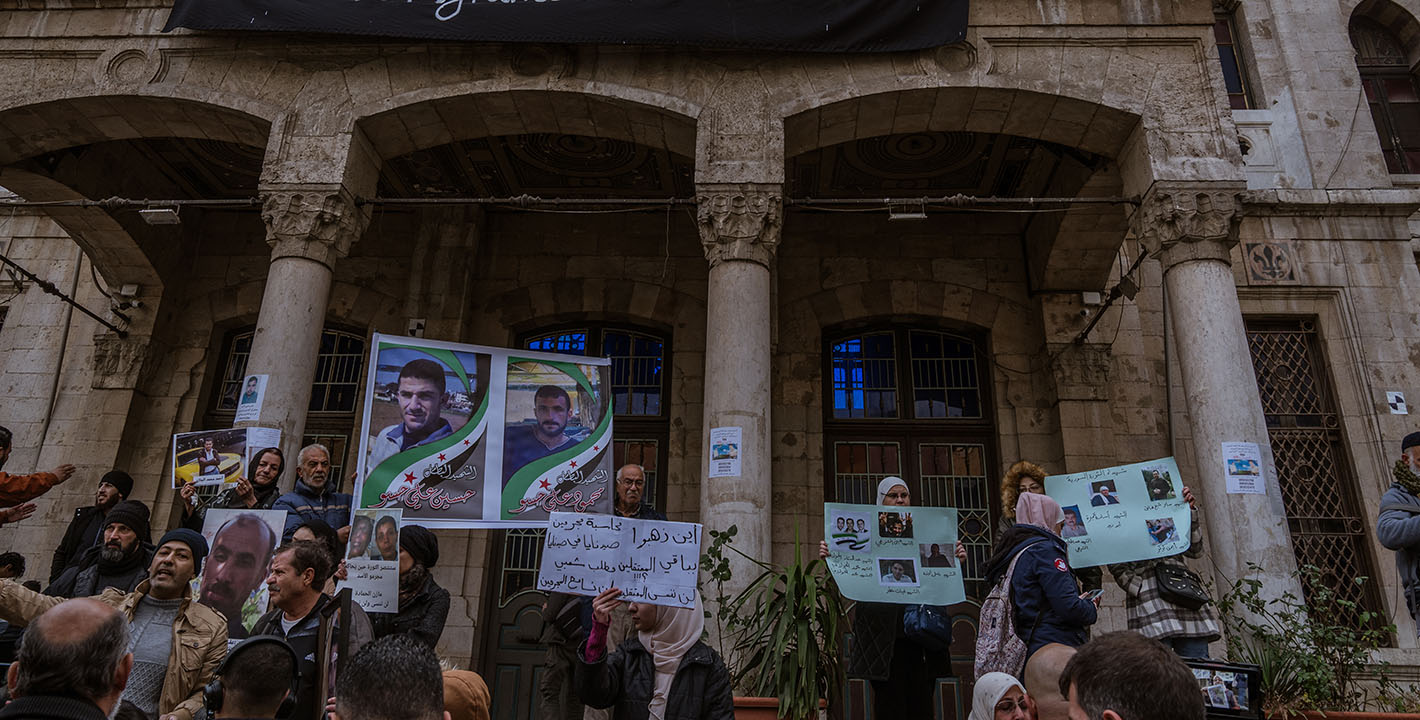
Reconciliation councils are emerging throughout the country to mediate in intracommunal disputes, many from the war years.
Natacha Danon
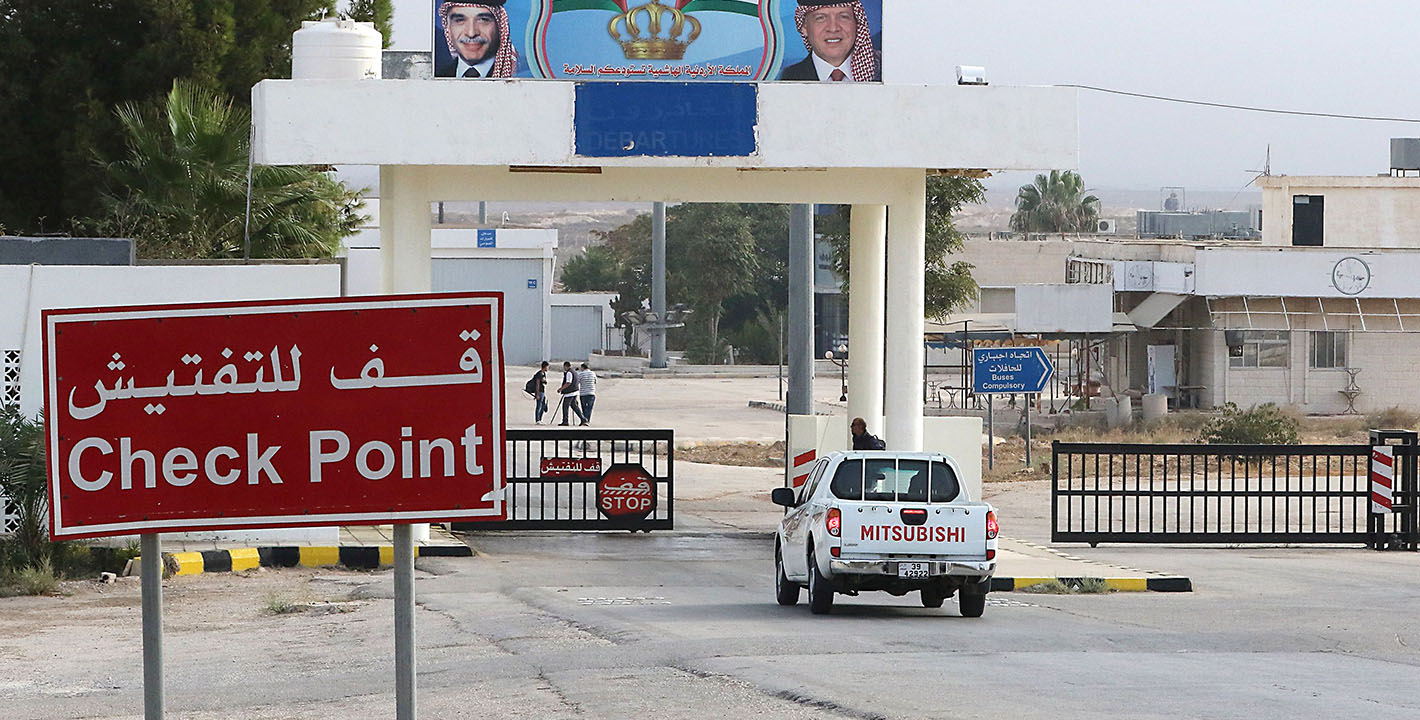
The civil war in Syria may have ended, but the country continues to serve as a source for the trafficking of illegal substances into and via Jordanian territory.

Armenak Tokmajyan, Laith Qerbaa

Ex-president Gurbanguly Berdimuhamedov remains interested in politics, but his son Serdar, Turkmenistan’s current president, is becoming increasingly independent and willing to break with his father’s legacy. If their covert rivalry goes too far, both risk losing power.

Galiya Ibragimova

A notable degree of participative democracy has firmly arrived in Europe. But to have more far-reaching impact, democratic deliberation needs to move into a radically new phase.

Richard Youngs