{
  "authors": [
    "Henri J. Barkey"
  ],
  "type": "legacyinthemedia",
  "centerAffiliationAll": "dc",
  "centers": [
    "Carnegie Endowment for International Peace",
    "Malcolm H. Kerr Carnegie Middle East Center"
  ],
  "collections": [],
  "englishNewsletterAll": "menaTransitions",
  "nonEnglishNewsletterAll": "",
  "primaryCenter": "Carnegie Endowment for International Peace",
  "programAffiliation": "MEP",
  "programs": [
    "Middle East"
  ],
  "projects": [],
  "regions": [
    "Middle East",
    "Iran",
    "Türkiye",
    "Levant"
  ],
  "topics": [
    "Nuclear Policy"
  ]
}
Source: Getty
In The Media
What's Turkey's Role in the Second Round of Iran Talks?
Although a new round of talks regarding Iran’s nuclear program is taking place in Turkey, the nation's leaders will play a minimal role in the negotiations as the P5+1 works to curtail an Iranian bomb.
What's Turkey's Role in the Second Round of Iran TPBS: Previous talks have always been in European venues, so why Istanbul for this second round of talks between Iran and the world's six major powers over Iran's controversial nuclear program?
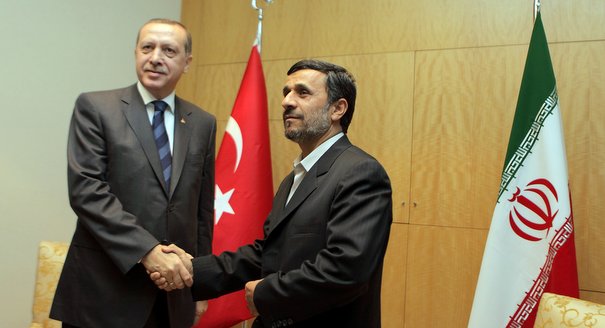
Barkey: Iran called for the talks to be held in Istanbul to reward Turkey -- and also Brazil, since President Ahmadinejad has announced the next meeting is supposed to be there -- for trying to negotiate a compromise on the Tehran Nuclear Reactor Deal in May 2010. Turkish officials will not be in the room in the January 2011 talks, but the Iranians are likely to praise Turkey's role in speeches before and after talks in the hopes of getting Ankara's support for its own position.
PBS: How might the Turkish venue impact the diplomatic dynamics of talks between Iran and the five permanent members of the U.N. Security Council plus Germany, or P5 +1?
Barkey: It will have no impact on the dynamics of the negotiations.
PBS: In the past, what role has Turkey played in negotiations on Iran's nuclear program?
Barkey: The Turks, in particular Prime Minister Erdogan and Foreign Minister Davutoglu, have tried to downplay the significance of Iran's nuclear program. Erdogan has even dismissed international suspicions that Tehran may want nuclear weapons as "gossip" and says he takes Iran at its word when it claims the program is only for peaceful nuclear energy.
Turkey and Brazil negotiated a deal with Iran in May 2010 just as the U.N. Security Council, including all five permanent members, was about to seek further sanctions against Tehran. The two rising powers proposed transmitting some 1,200 kilograms of Low Enriched Uranium to Turkey for safekeeping, but the P5+1 saw it as insufficient and a last-minute ploy by Iran to prevent a fourth round of punitive sanctions. For Turkey, it was a bittersweet deal because it undermined its position with the United States.
PBS: What role might Turkey play this time?
Barkey: It will play no role as it is not participating in the meeting.
PBS: Does Prime Minister Recep Tayyip Erdogan appear to have any interest in playing a role, beyond host, given the nuclear deal he and his Brazilian counterpart negotiated in May 2010?
Barkey: The Turks are uneasy about playing a role, given the failed May 2010 diplomatic effort and fears that they may be dragged into backing either side. Turkey has not even responded yet to the Iranian invitation to visit its nuclear sites. Iran's invitation to countries seen as being friendly to Tehran was designed to drive a wedge between them and the U.S. and European positions on Iran's nuclear program.
Erdogan was surprised by the P5+1 reaction to the Turkey-Brazil proposal on the Tehran Research Reactor and especially by President Obama's reaction. When they met in Toronto in June 2010, Obama told Erdogan in no uncertain terms that he was upset at the Turkish role and Ankara's subsequent decision to vote against a new U.N. sanctions resolution. So Erdogan is likely to be circumspect this time around. One can even imagine him wishing that the meeting would not take place in Istanbul.
PBS: What does hosting these talks do for Turkey's reputation and Erdogan's foreign policy ambitions?
Barkey: The use of Istanbul as a venue is always good publicity. However, in this case, this is clearly an Iranian choice and Western powers did not object so as not to appear to be dismissive of Turkey. In an ironic way, Iran may be doing Turkey and Brazil a disfavor because the Istanbul talks will remind everyone of the previous diplomatic debacle in May 2010.
PBS: In a recent press conference, Iranian President Mahmoud Ahmadinejad announced the January talks in Istanbul, followed by February talks in Brazil and March talks in Tehran. That sequence has not been confirmed by other countries. What is he up to?
Barkey: At this stage, these negotiations are pure theater. Nothing is expected to come out of them. Both sides are playing a game in which the object is to pretend to the audience -- the rest of the world -- that they mean well. For the Iranians, the goal is to gain time. For the six major powers, it is about building international consensus for the dual policy of talking and ratcheting up the measures that make it more difficult for Iran to achieve its nuclear goals.
The Americans and Europeans can already claim success because their policies have clearly caused substantive delays in the Iranian nuclear program.
Barkey served as a member of the U.S. State Department Policy Planning Staff, working primarily on issues related to the Middle East, the Eastern Mediterranean, and intelligence from 1998 to 2000.
Carnegie does not take institutional positions on public policy issues; the views represented herein are those of the author(s) and do not necessarily reflect the views of Carnegie, its staff, or its trustees.
More Work from Carnegie Endowment for International Peace
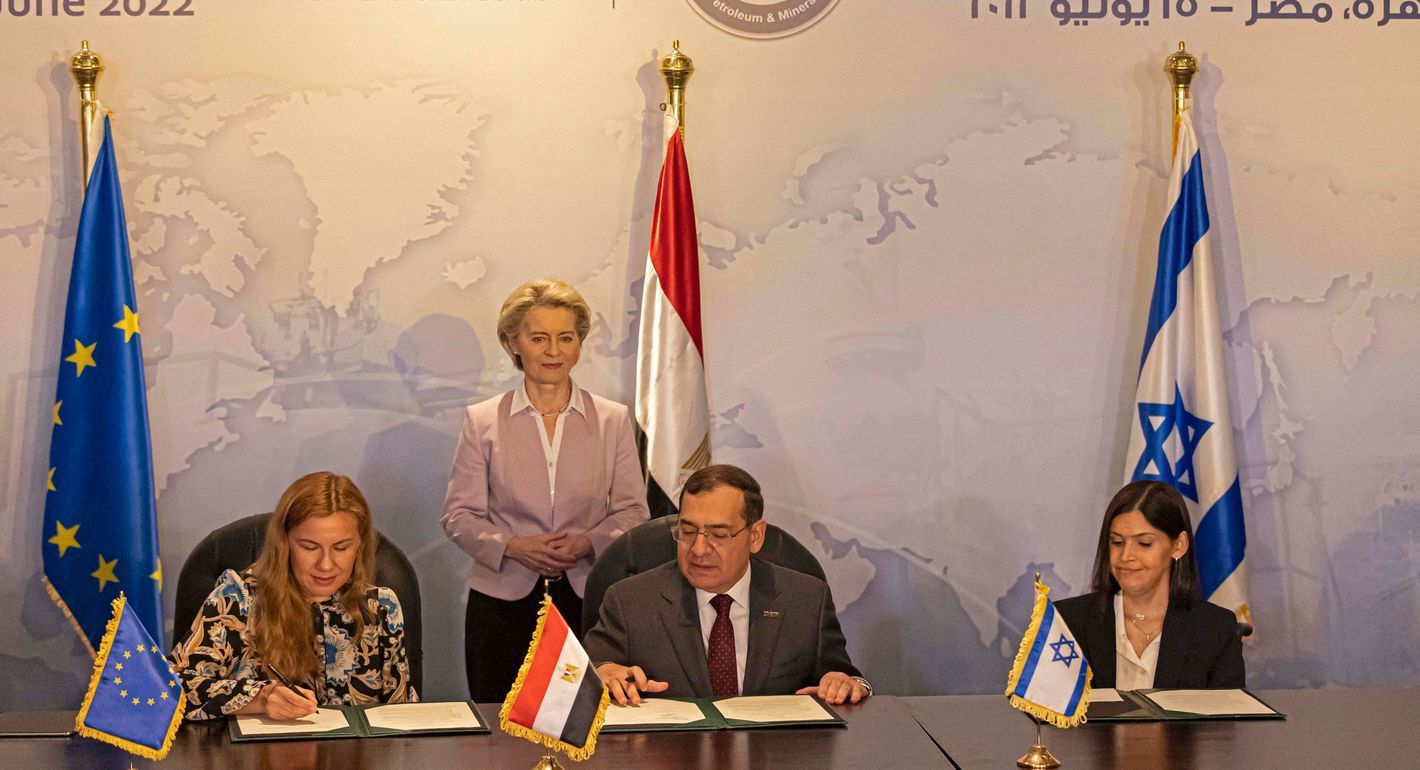
Can economic ties help contain conflict between Egypt and Israel, or do they simply postpone confrontation? Drawing on the German-Russian experience, the article examines how the gas deal creates mutual dependence, keeps channels of cooperation open, and raises the cost of conflict, without necessarily delivering lasting peace.