

Paper
Lora Saalman
{
  "authors": [
    "Lora Saalman"
  ],
  "type": "legacyinthemedia",
  "centerAffiliationAll": "dc",
  "centers": [
    "Carnegie Endowment for International Peace",
    "Carnegie China"
  ],
  "collections": [],
  "englishNewsletterAll": "ctw",
  "nonEnglishNewsletterAll": "",
  "primaryCenter": "Carnegie Endowment for International Peace",
  "programAffiliation": "NPP",
  "programs": [
    "Nuclear Policy"
  ],
  "projects": [],
  "regions": [
    "South Asia",
    "India",
    "East Asia",
    "China"
  ],
  "topics": [
    "Nuclear Policy"
  ]
}
Source: Getty
China’s perception of India’s military modernization and space capabilities has evolved over recent years, and growing bilateral strains demonstrate the need for collaborative measures to reduce tensions and clarify national policies.
Source: James Martin Center for Nonproliferation Studies
China is increasingly paying attention to India’s military modernization and space capabilities. Carnegie’s Lora Saalman combed archives of key Chinese military, international relations, science, and security journals for articles referencing India, tracking changes in the depth and frequency with which they discuss India. She noticed five trends reflected in the way that prominent international relations journals describe China, which she presented at a luncheon seminar at the James Martin Center for Nonproliferation Studies. Increasingly, articles:
Saalman also interviewed Chinese and Indian officials and analysts. She noted that many within China were particularly concerned about creating an enduring stability and cooperation with India, a perspective that was less pronounced in India and even scarcer in journal articles. Saalman advocated collaborative measures to reduce the perception of bilateral threats, including the collaborative composition of a glossary to reduce the notorious ambiguity in space weapons terms. She also suggested that India and China develop Codes of Conduct to better align their policies on space and their border.

Former Nonresident Associate, Nuclear Policy Program
Saalman was a nonresident associate in the Nuclear Policy Program at the Carnegie Endowment for International Peace. Her research focuses on China’s nuclear and strategic policies toward India, Russia, and arms control.
Recent Work
Lora Saalman
Lora Saalman
Carnegie does not take institutional positions on public policy issues; the views represented herein are those of the author(s) and do not necessarily reflect the views of Carnegie, its staff, or its trustees.

Huawei pushed hard to enter the Egyptian data centers market, until the Americans made a better offer.

Angie Omar

U.S. trading partners in Asia are closely watching the dispute for signs of how it may affect their own interests.

Barbara Weisel
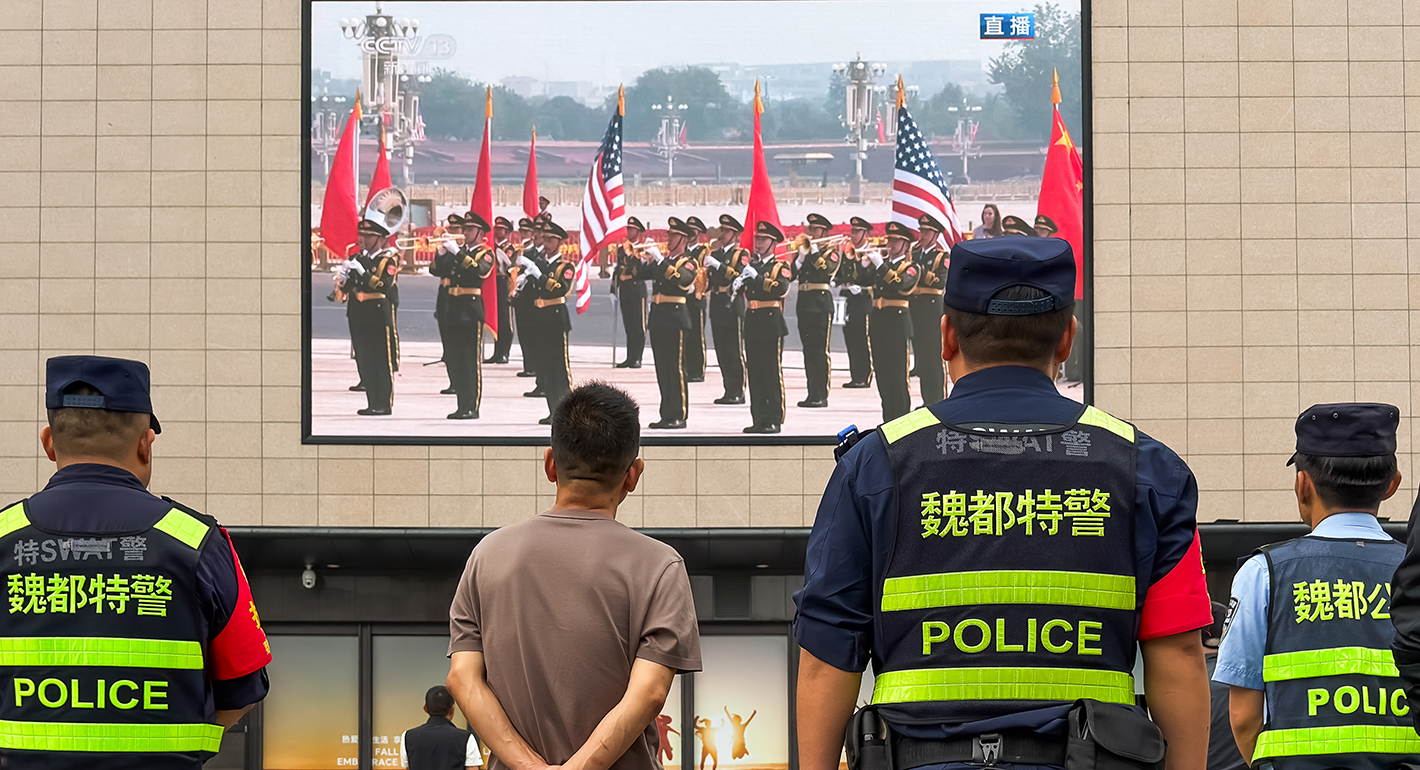
Chinese strategists are once again debating whether American power is declining and whether U.S. hegemony is experiencing irreversible decay.
Wu Xinbo
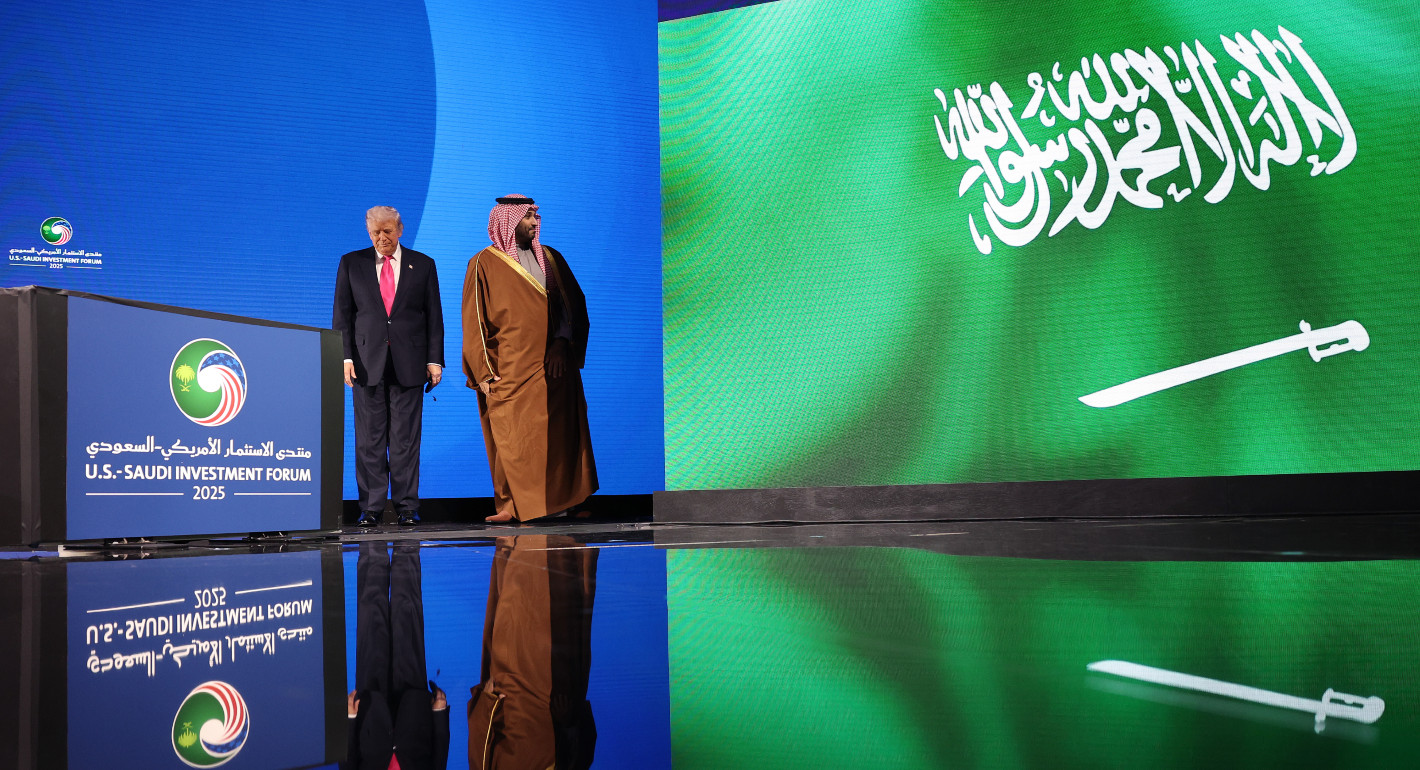
Congress should ask tough questions about the agreement’s more unique features and whether they advance U.S. interests or compromise them.

Jane Darby Menton

With the growth in points of friction between the great powers, organizations like the SCO will continue to play a role in the strategic adaptation of the smaller powers caught between them.

Temur Umarov