

Paper
James M. Acton, Ankit Panda
{
  "authors": [
    "James M. Acton"
  ],
  "type": "legacyinthemedia",
  "centerAffiliationAll": "dc",
  "centers": [
    "Carnegie Endowment for International Peace"
  ],
  "collections": [],
  "englishNewsletterAll": "ctw",
  "nonEnglishNewsletterAll": "",
  "primaryCenter": "Carnegie Endowment for International Peace",
  "programAffiliation": "NPP",
  "programs": [
    "Nuclear Policy"
  ],
  "projects": [],
  "regions": [
    "East Asia",
    "Japan"
  ],
  "topics": [
    "Nuclear Policy",
    "Nuclear Energy"
  ]
}
Source: Getty
As Japanese authorities work to cool the nuclear reactors damaged by the earthquake and tsunami, it remains unclear how much radiation is being released into the environment.
Source: NBC
As the crisis deepens at the Daiichi reactors in Fukushima, Japanese authorities are working to cool the reactors and limit the spread of radiation. The severity of the situation is both unclear and fluid, since measuring gauges at the Daiichi reactors are unreliable and radiation levels have fluctuated greatly on-site. Speaking on NBC’s Today Show, Carnegie’s James Acton describes the Fukushima reactor crisis as worse than Three Mile Island, though less disastrous than Chernobyl. During the Chernobyl catastrophe, Acton said, a significant fraction of the reactor core explosively spread into the environment. In Japan, the primary threat comes from the melting of the reactor core, exposing fuel rods to the atmosphere. The amount of radiation that will be released from such melting is unclear, Acton concluded.

Jessica T. Mathews Chair, Co-director, Nuclear Policy Program
Acton holds the Jessica T. Mathews Chair and is co-director of the Nuclear Policy Program at the Carnegie Endowment for International Peace.
Recent Work

James M. Acton, Ankit Panda
James M. Acton
Carnegie does not take institutional positions on public policy issues; the views represented herein are those of the author(s) and do not necessarily reflect the views of Carnegie, its staff, or its trustees.
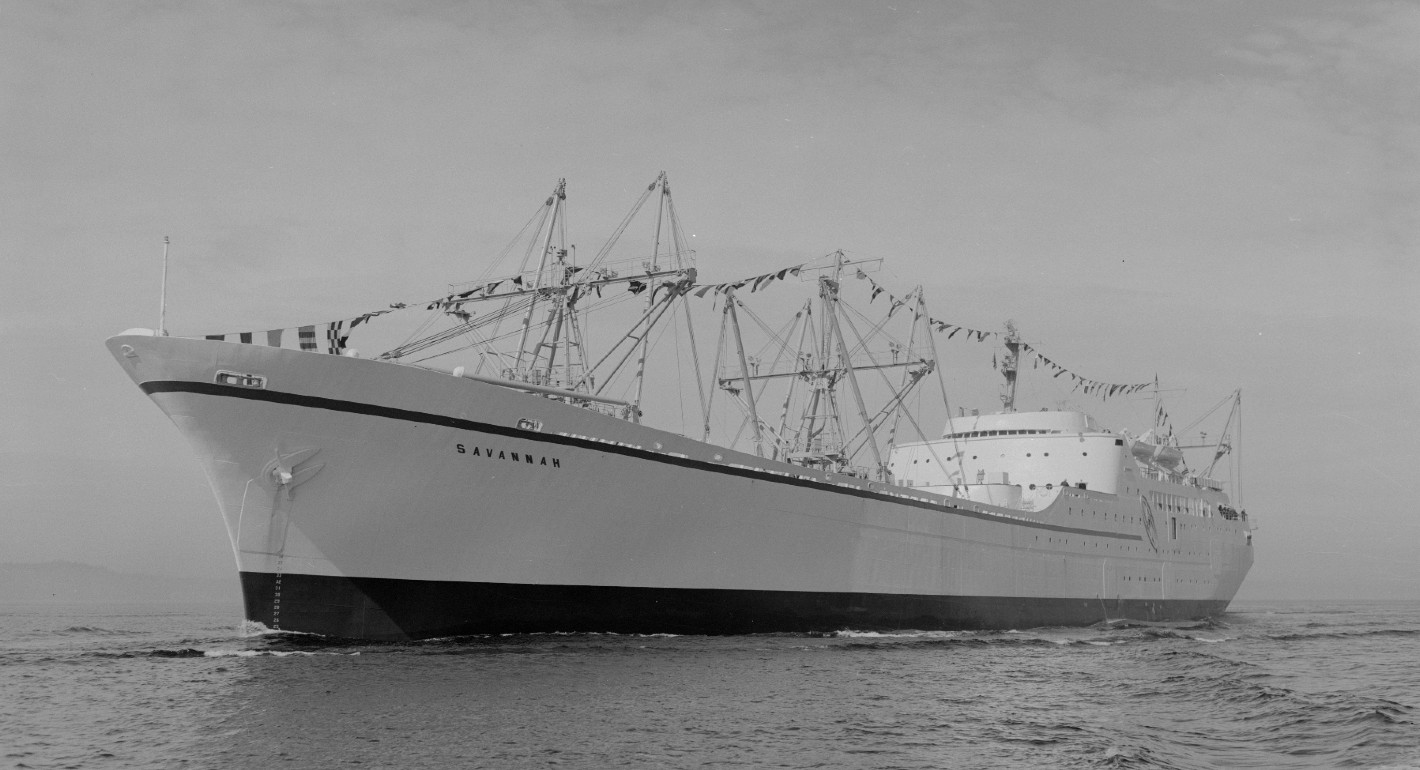
Nuclear and maritime communities face a long and challenging journey to deploy commercial nuclear applications at sea.


Jamie Kwong, Toby Dalton
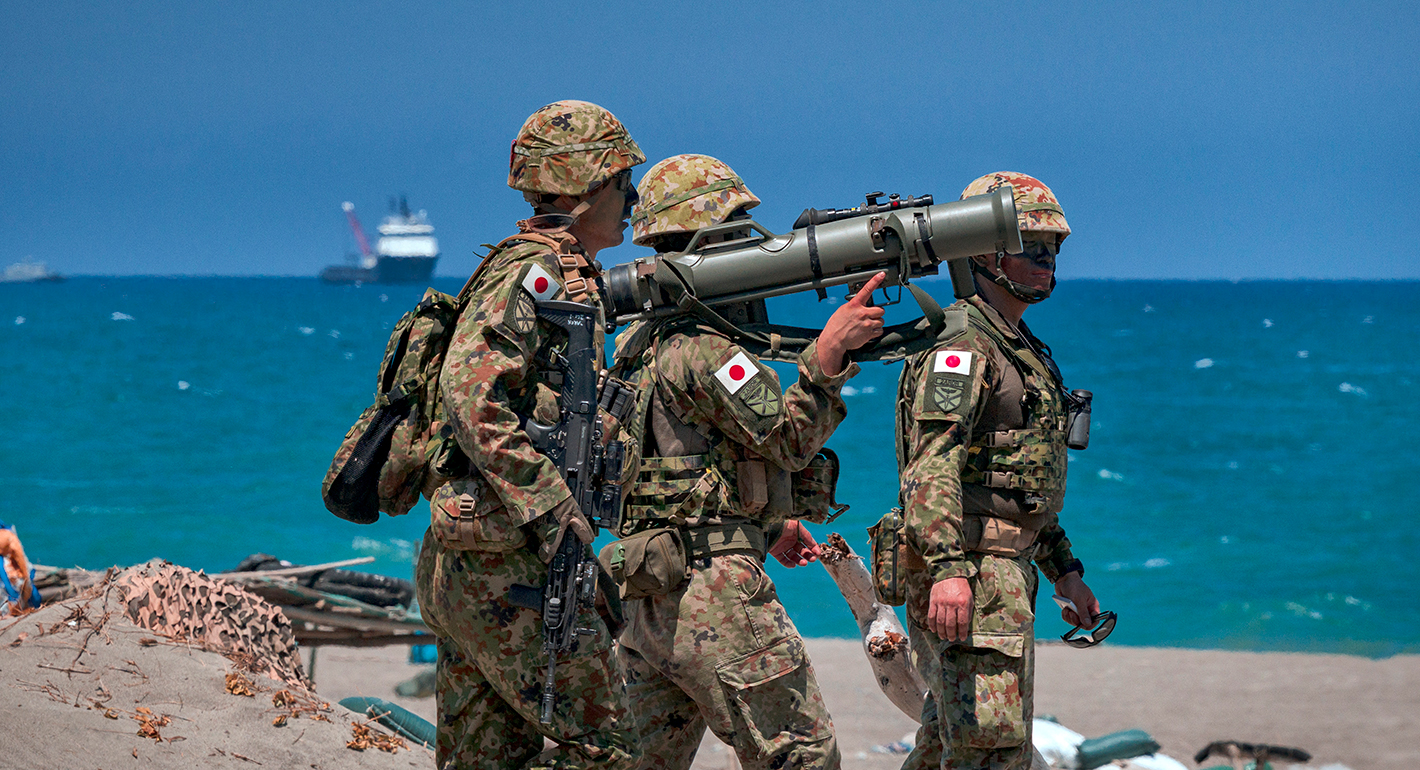
Japan’s revision of its three strategic documents reflects an intention to keep the United States engaged in the region while Japan fills any vacuums of U.S. power to preserve the Indo-Pacific order.

Ryo Sahashi

Chinese biotech companies have been on the receiving end of U.S. economic coercion. Yet their responses have differed significantly because firm and state interests are not uniformly aligned. For Washington, treating all Chinese tech firms the same, irrespective of their actual interests, risks pushing them farther into Beijing’s corner.

Xue Gong

Over the past decade, China has moved from marginal player to major producer of all things batteries. The United States, Europe, and others are aiming to balance the market.

Milo McBride

A look at how public opinion influences the credibility of coercive nuclear threats,and how it enables and constrains strategies of nuclear coercion.

Lauren Sukin, Samuel Seitz