

Commentary
The conflict has sent economic and political shock waves through a country with no representation at the negotiating table—and Kenya is not alone.
Georgia Schaefer-Brown, Jane Munga
{
  "authors": [
    "Jane Darby Menton",
    "Mohammad Ayatollahi Tabaar"
  ],
  "type": "questionAnswer",
  "blog": "Emissary",
  "centerAffiliationAll": "dc",
  "centers": [
    "Carnegie Endowment for International Peace"
  ],
  "collections": [
    "Nuclear Iran"
  ],
  "englishNewsletterAll": "menaTransitions",
  "nonEnglishNewsletterAll": "",
  "programAffiliation": "MEP",
  "programs": [
    "Middle East",
    "Nuclear Policy"
  ],
  "regions": [
    "Middle East",
    "Israel",
    "United States",
    "Iran"
  ],
  "topics": [
    "Nuclear Policy",
    "Foreign Policy",
    "Domestic Politics",
    "Global Governance"
  ]
}
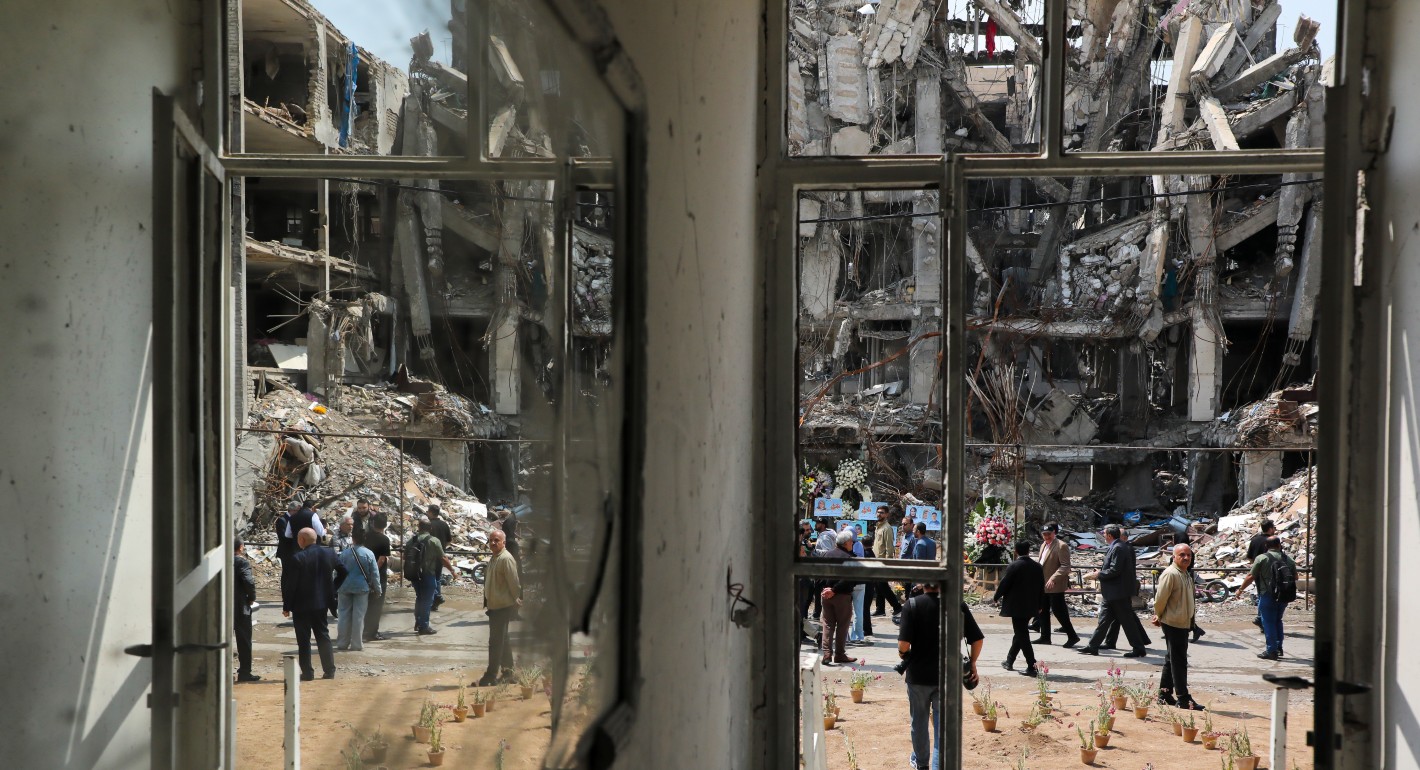
A building in Tehran targeted by U.S.-Israeli strikes in April 2026. (Photo by Majid Saeedi/Getty Images)
Tehran may conclude that its ability to disrupt the global economy via the Strait of Hormuz provides enough deterrence to begin quietly rebuilding its nuclear program.
How did the United States and Iran view Iran’s nuclear program before the latest war?
Jane Darby Menton: For decades, diplomatic overtures and coercive measures have failed to durably resolve the United States’ concerns about Iran’s nuclear program. During President Barack Obama’s administration, multilateral negotiations yielded the Joint Comprehensive Plan of Action (JCPOA), which imposed verifiable limits on the program in exchange for sanctions relief. Yet this deal proved ephemeral when the first Trump administration abandoned it in 2018 (though Iran was complying at the time). Despite Trump’s “maximum pressure” sanctions, Iran used the intervening years to advance its nuclear knowledge and expertise and amass sizable stockpiles of enriched uranium.
Upon returning to office, Trump initially seemed keen to negotiate an Iran deal of his own. But in June 2025, talks gave way to the Twelve-Day War, culminating in targeted U.S. strikes on Iran’s nuclear infrastructure. The decision to recommence hostilities in February 2026 had more to do with Tehran’s conventional military capabilities and brutal suppression of domestic protests than new developments in the nuclear realm. U.S. officials did, however, engage in verbal gymnastics to explain how a program they had just “obliterated” also presented an imminent threat.
Mohammad Ayatollahi Tabaar: The war began while Iran and the United States were negotiating through Omani intermediaries on the nuclear issue. As Washington moved major military assets to the Middle East and war seemed a real possibility, Tehran concluded that it was perceived as weak—both militarily and internally—in the aftermath of the Twelve-Day War and the recent protests. Iranian leaders assessed that they would eventually be attacked regardless of whether a nuclear agreement was reached, in an effort to degrade the missile capabilities Iran had demonstrated during that war.
Ultimately, Tehran decided it was better to fight while holding firm on its enrichment red lines than to capitulate, as U.S. President Donald Trump had apparently expected just before the war. Tehran wagered that Washington had underestimated it, and that surviving the conflict would strengthen rather than weaken its hand.
How are Iran’s new leaders thinking about the nuclear program? What about Iranians broadly?
Mohammad Ayatollahi Tabaar: The war may have hardened Iran’s view on the importance of avoiding irreversible concessions on the nuclear issue. There has been more open public discussion of the weaponization option since both the Twelve-Day War and the latest conflict.
Although Iran may have greater resolve to preserve—and potentially one day weaponize—its program (a sentiment that some polling suggests is increasingly shared by the public), that is not an immediate priority. Replenishing its conventional capabilities, particularly its missile and drone programs, and maintaining control over the Strait of Hormuz are more pressing concerns. Both could eventually help establish deterrence and, if Iran chooses, create conditions for a future move toward weaponization.
Is the war actually making any progress in limiting Iran’s nuclear enrichment capabilities?
Jane Darby Menton: The Twelve-Day War rendered most of Iran’s known enrichment infrastructure inoperable, so in that sense, these campaigns have imposed limits, at least in the short term. The problem is that Iran still has an ability and perhaps greater desire to reconstitute these capabilities, including in smaller, clandestine facilities. It also has effectively curtailed the International Atomic Energy Agency (IAEA)’s access to the program, and there are still large stockpiles of enriched uranium in the country.
These challenges are not particularly amenable to military solutions, and the decision to deploy force in the middle of negotiations (twice) has vitiated the credibility of diplomatic tools that could provide traction on them.
Mohammad Ayatollahi Tabaar: The destruction of most of Iran’s enrichment infrastructure during the Twelve-Day War, combined with economic strain and the threat of further strikes, may suppress any near-term revival. Yet Tehran may equally conclude that its demonstrated ability to disrupt the global economy has established enough deterrence to begin quietly rebuilding its program underground. Either way, reconstituting large industrial-scale enrichment facilities looks unlikely in the immediate future.
How has enrichment factored into recent negotiations?
Jane Darby Menton: War has not softened Iran’s insistence that it has a “right” to enrich (to the Trump administration’s deep chagrin), though the fact that it is not currently exercising this disputed right could create space for creative dealmaking. That, however, would require concerted efforts from both parties, who currently seem more inclined to retrench in their maximalist positions. Reporting suggests that negotiators have been haggling over timelines in which Iran would suspend and/or curtail nuclear activities, though these talks now appear to be at an impasse.
Mohammad Ayatollahi Tabaar: The Trump administration has insisted that Iran must give up its enrichment program entirely. Some formulas—such as a multiyear suspension—could in theory bridge the gap, but the central problem is that the administration cannot credibly offer meaningful sanctions relief, which in turn makes Iran less willing to show flexibility on enrichment. Tehran therefore appears to be pushing the enrichment issue down the negotiations agenda, recognizing that the gap between the two sides may be too wide for a solution. In some respects, this resembles the treatment of disarmament in the Hezbollah and Hamas negotiations with Israel, where the issue was deferred to future steps after a ceasefire—which in practice has meant indefinitely. Iran seems increasingly uninterested in even engaging on enrichment and is instead focused for now on countering the U.S. blockade.
If you were involved in negotiations for the nuclear aspect, what would you want to discuss?
Jane Darby Menton: For me, credible oversight remains the sine qua non of a negotiated settlement. Prolonged speculation about the capabilities and equipment that Iran has retained, and what it might do with them in deep mountain tunnels, will put both states on a glide path to the next crisis.
But getting a handle on where things currently stand, let alone rebuilding confidence in the international community’s ability to detect covert nuclear activities, will be technically and politically challenging. Oversight was already an issue before the war due to Iran’s evolving nuclear program and the breakdown of the JCPOA’s extensive verification regime. Since Israel and the United States opted for military escalation (including strikes on safeguarded facilities), Iran has not let the IAEA access any damaged sites, and its cooperation with the agency has become more contentious. While the Trump administration’s lead negotiators have shown little interest in the quotidian details of international oversight, without it, nuclear diplomacy will effectively devolve into a game of “he said, she said.”
Mohammad Ayatollahi Tabaar: The debate inside Iran suggests that Tehran may never provide the same level of access to IAEA inspectors as it did under the JCPOA. Worse, the leadership appears to be more wary of diplomacy than of war. It is willing to confront the United States directly but reluctant to engage in bilateral talks with U.S. officials. The emerging view is that Iran gains more through confrontation while conceding ground through diplomacy.
In this environment, it may be necessary to shift from a comprehensive approach aimed at resolving the issue to a more minimalist approach focused on containing it. Given deep mutual distrust and intense domestic pressure on both sides, it may be easier to agree on what each party will not do than to negotiate affirmative commitments. For instance, Iran could refrain from enrichment and from excavating its highly enriched uranium stockpile, and in return, the United States could agree not to fully enforce certain nuclear-related sanctions.
This approach resembles the understanding model under Joe Biden’s administration, in which Iran informally agreed not to exceed certain enrichment levels, among other constraints, while the United States exercised restraint in enforcing sanctions. Similarly, after the Twelve-Day War, Trump stated that Iran could now sell oil to China, which appeared to be part of the ceasefire arrangement.
Do you think the nuclear aspect of this war will have implications for nonproliferation outside Iran?
Mohammad Ayatollahi Tabaar: The Iranian case can cut both ways. On the one hand, it illustrates how costly a latency strategy can be—decades of sanctions, followed by two wars. On the other hand, some states may interpret it differently and conclude that, compared to the North Korean model of covertly racing to a bomb, Iran’s approach was a mistake. It is worth noting, however, that Iran’s trajectory was shaped by a distinct set of constraints at the time—namely significant internal and external pressure—that make a comparison to the North Korean model difficult.
What may nonetheless resonate with some states is the narrative that Tehran could one day use to justify leaving the Nuclear Nonproliferation Treaty (NPT): that a state can cooperate with the IAEA, adhere to a nuclear agreement, and become the most inspected country in the world, yet still face military attacks. Iranian officials point in particular to what they view as the IAEA’s uneven responses—contrasting its condemnation of Russian actions against Ukrainian nuclear facilities with its more muted reaction in Iran’s case. More broadly, they claim that participation in the NPT has brought costs—namely intrusive inspections—without corresponding security protection.
Jane Darby Menton: I am also wary of superimposing North Korea’s experience onto Iran. As Mohammad notes, Tehran’s nuclear choices were forged under very different circumstances. Nor do I find the counterfactual fully persuasive. Recent events have revealed that Israeli and U.S. intelligence penetration went even deeper than assumed: A more dogged pursuit of nuclear weapons may still have led to war. Ironically, the Strait of Hormuz has emerged as a more credible “nuclear option” for Iran than its nuclear program.
That said, I am worried about the growing salience of the bomb (in Iran, and among some U.S. allies and partners) and the concurrent breakdown of norms, bargains, and diplomatic tools that have historically limited its spread. Further damage to institutions like the IAEA and NPT could leave us in a more dangerous world, where nuclear crises occur more often and are harder to defuse.
What’s with the pope and Trump arguing on this topic?
Jane Darby Menton: In fairness to the pope, the Catholic Church has historically been quite vocal about the immorality of nuclear weapons and need for global disarmament. Perhaps papal diplomacy could break the impasse . . . deus ex machina?

Fellow, Nuclear Policy Program
Jane Darby Menton is a fellow in the Nuclear Policy Program at the Carnegie Endowment for International Peace and director of the Carnegie International Nuclear Policy Conference.
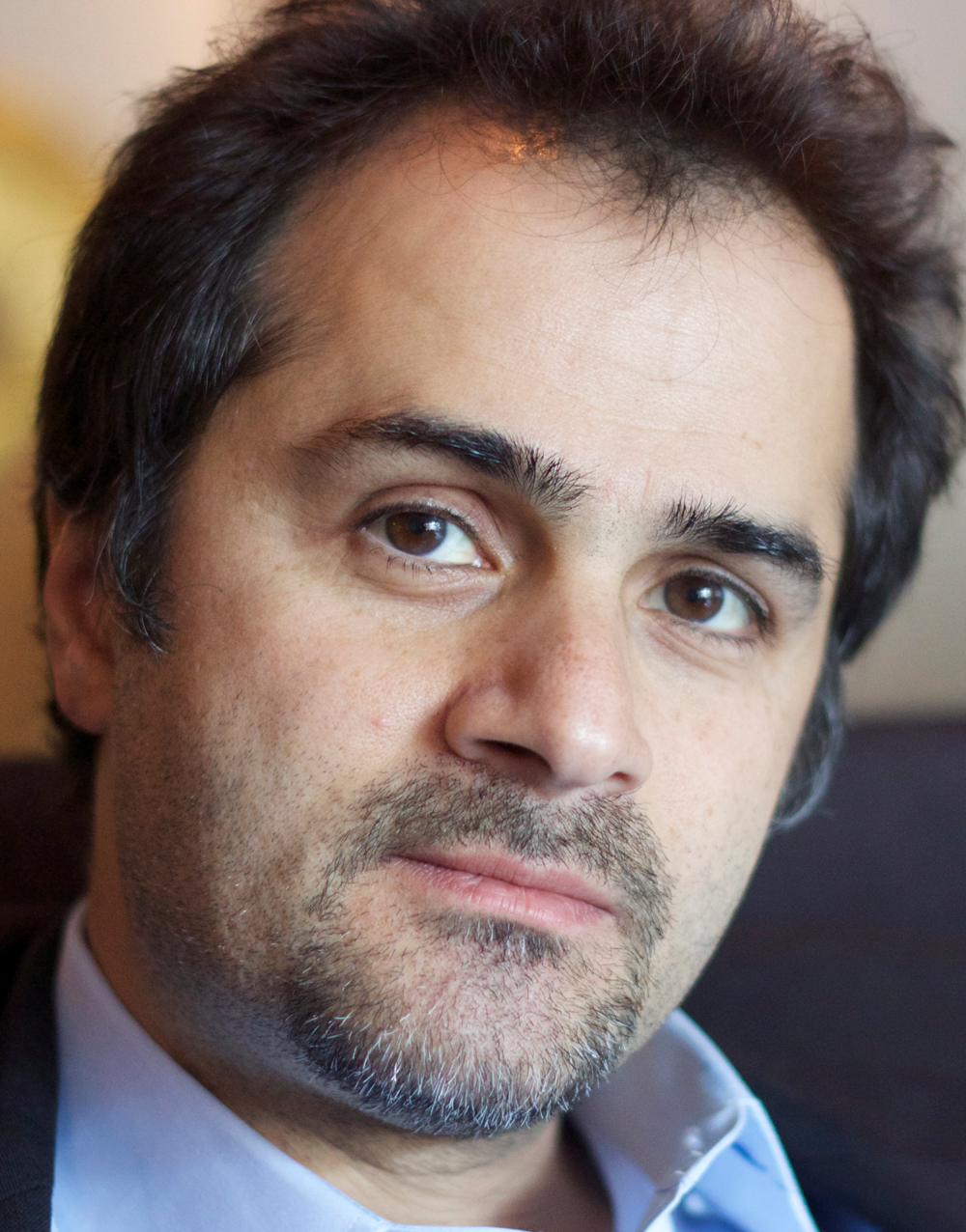
Nonresident Scholar, Middle East Program
Mohammad Ayatollahi Tabaar is a nonresident scholar in the Middle East Program at Carnegie Endowment for International Peace and an associate professor of international affairs at Texas A&M University’s Bush School of Government and Public Service.
Carnegie does not take institutional positions on public policy issues; the views represented herein are those of the author(s) and do not necessarily reflect the views of Carnegie, its staff, or its trustees.

The conflict has sent economic and political shock waves through a country with no representation at the negotiating table—and Kenya is not alone.
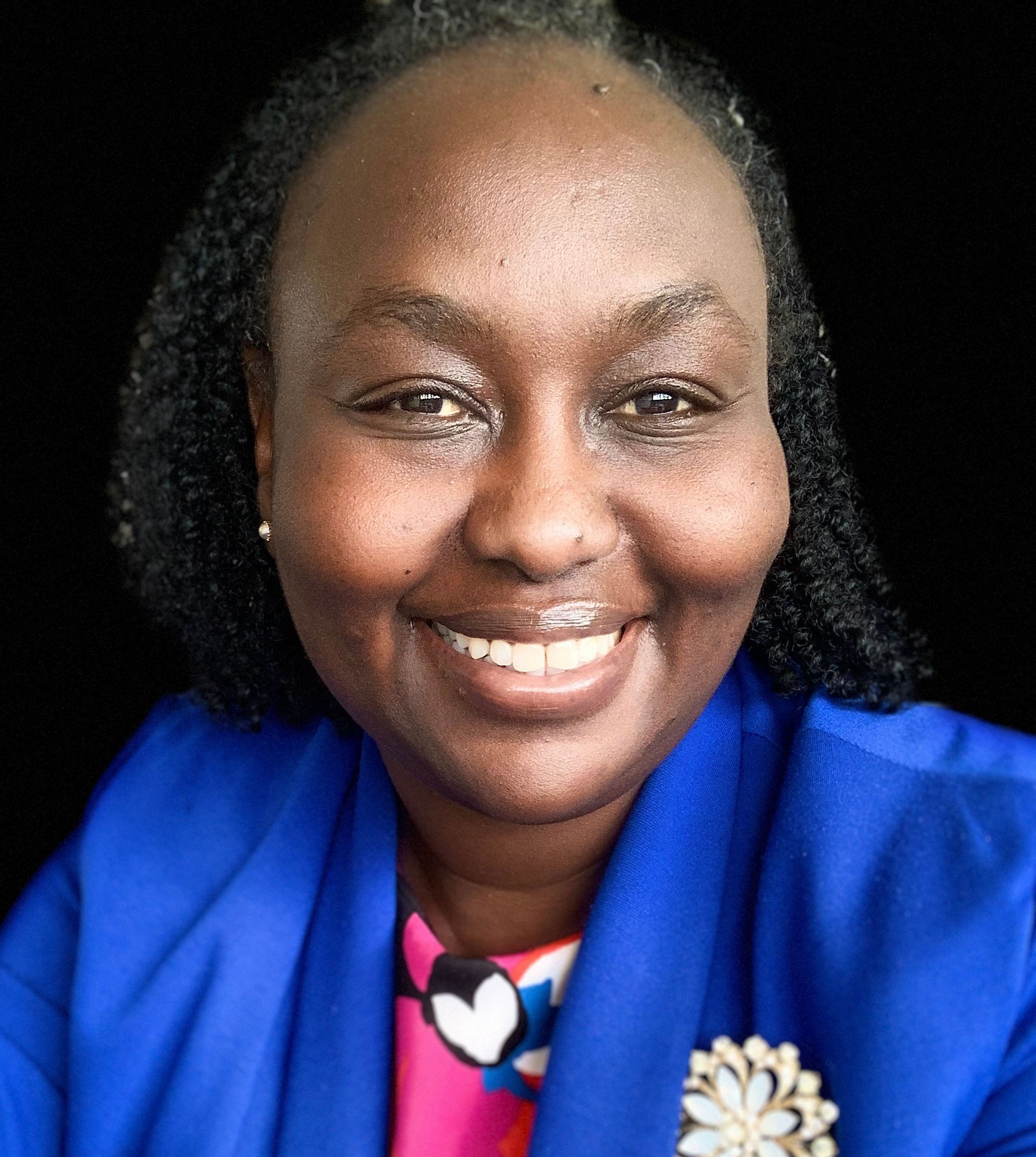
Georgia Schaefer-Brown, Jane Munga
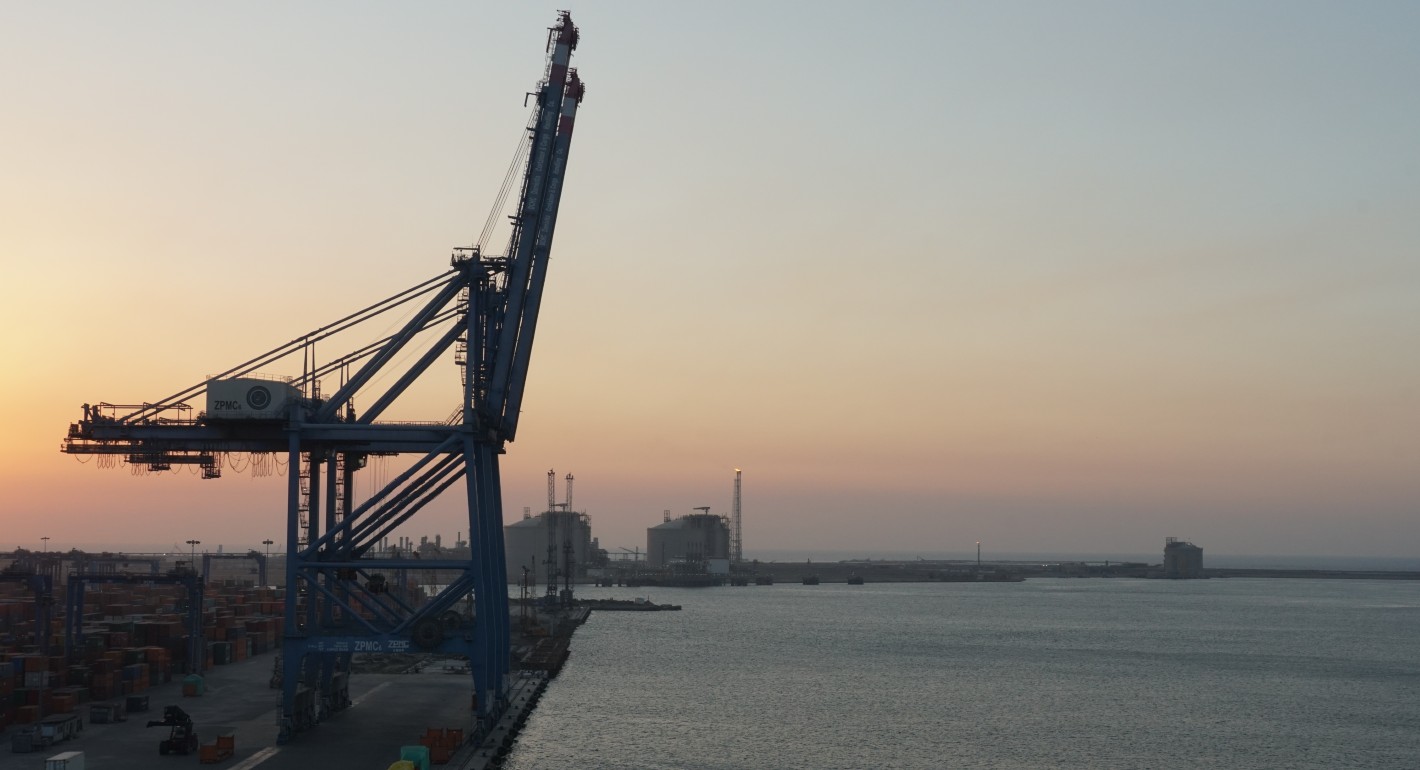
The targeting of Damietta Port appears to be more than a mere security message.

Amr Hamzawy
Despite the agreement’s uncertainty, it’s still a significant development in regional and nuclear policy.

Andrew Leber, Jane Darby Menton
By burying disagreements in imprecision, the new deal risks same fate as its predecessors.

James M. Acton
The United States and Israel may have unwittingly revived the Islamic Republic’s “zombie regime.”


Suzanne Maloney, Aaron David Miller, Karim Sadjadpour