• Research
  • Emissary
  • About
  • Experts
Carnegie Global logoCarnegie lettermark logo
DemocracyIran
  • Donate
{
  "authors": [
    "Henri J. Barkey"
  ],
  "type": "legacyinthemedia",
  "centerAffiliationAll": "dc",
  "centers": [
    "Carnegie Endowment for International Peace"
  ],
  "collections": [
    "Arab Awakening"
  ],
  "englishNewsletterAll": "menaTransitions",
  "nonEnglishNewsletterAll": "",
  "primaryCenter": "Carnegie Endowment for International Peace",
  "programAffiliation": "MEP",
  "programs": [
    "Middle East"
  ],
  "projects": [],
  "regions": [
    "North Africa",
    "Libya"
  ],
  "topics": []
}
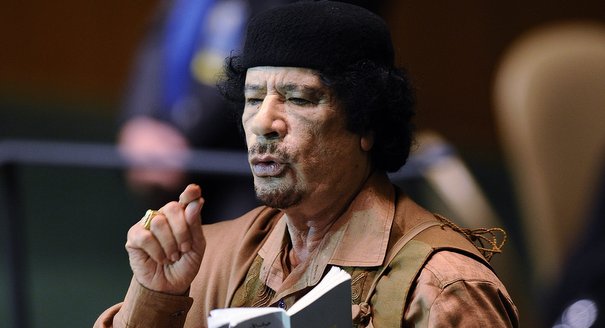
Source: Getty

In The Media

Kadafi's Port in the Storm

In spite of Colonel Muammar Qaddafi’s good relations with the leaders of a number of countries around the world, he may encounter some difficulty in finding a new place to relocate to if he is forced to leave Libya.

Link Copied
By Henri J. Barkey
Published on Mar 11, 2011
Program mobile hero image

Program

Middle East

The Middle East Program in Washington combines in-depth regional knowledge with incisive comparative analysis to provide deeply informed recommendations. With expertise in the Gulf, North Africa, Iran, and Israel/Palestine, we examine crosscutting themes of political, economic, and social change in both English and Arabic.

Learn More

Source: Los Angeles Times

Kadafi's Port in the StormCol. Moammar Kadafi and his family must be busily looking for a new abode, just like his neighbors Zine el Abidine ben Ali and Hosni Mubarak had to do recently. Where can the colonel go? Over the years he has cultivated, funded, entertained and lavished presents and prizes on many world leaders. Someone will surely spare him a place to pitch the tent he always travels with.

Kadafi may not be a terribly exacting person, but he does have some minimum requirements: a relatively cheap piece of land for his tent, access to water, electricity and free Wi-Fi. With the international community and his own people searching for his stashed funds, he cannot afford expensive locations. And his benefactor must be trustworthy and unlikely to rescind his refuge by sending him packing back to Libya where the "cockroaches," as he has called his opposition, can put him on trial.
 
So what are his options? Zimbabwe immediately comes to mind. The weather is perfect. President Robert Mugabe can be relied on to snub and stand up to the international community. But Mugabe is old and is unpopular at home. In fact, inspired by events in the Middle East, Zimbabweans are also beginning to clamor for rights.
 
Saudi Arabia is another good choice, but only on paper. It has a desert climate, and people there have lots of experience with tents and a history of accommodating fallen dictators, such as the Ugandan Idi Amin. The colonel's very good friend Ben Ali, after plunging into a stroke-induced coma, is presumably enjoying the free and good healthcare Saudi Arabia is known for. The problem is that Kadafi once tried to have the Saudi king killed; the latter may still be bearing a grudge.
 
Turkey is another possibility. Only this past December, Turkish Prime Minister Recep Tayyip Erdogan was awarded the Kadafi Human Rights Prize. Erdogan, who had called on Mubarak to heed the will of his people, has shied away from doing so with Kadafi. This is a true friend; it also helps, of course, to have thousands of Turkish workers trapped in Libya as potential hostages.
 
But Turkey is unreliable. Sudanese President Omar Hassan Ahmed Bashir was disinvited as a guest by the Turks after Europeans and Americans raised objections even though Erdogan had vouched that Darfur was genocide free. Kadafi may also face the added embarrassment that Erdogan, to look good to the outside world, may kick him out together with the human rights prize; with airlines charging for excess baggage these days, Kadafi cannot afford to incur any additional luggage charges.
 
Venezuela, ruled by the indomitable Hugo Chavez, has already been rumored as a destination. Chavez stands by his friends — just ask Fidel. The Venezuelan would relish the opportunity provided by the colonel's presence to thumb his nose at "the empire" (the U.S.).
 
But Chavez comes with two peculiar problems. First is his penchant for the color red. He wears red shirts, red berets and his followers live in a sea of red. This would clearly clash with the colonel's tastes. Have you ever seen Kadafi wear anything but dull desert brown or pale green? The other problem is that Chavez keeps warning that the empire may invade Venezuela (he may be genuinely wishing so). Kadafi is not to be outdone when it comes to believing conspiracy theories and therefore may worry about the prospect.
 
This leaves Kadafi only one place, Silvio Berlusconi's Italy. Berlusconi has been a best friend who seems to think that the colonel's time is not up yet. In 2008, Berlusconi did promise $5 billion in reparations for Italy's decades-long occupation of Libya. Berlusconi has style, wonderful friends (many very young and even of North African ancestry). Berlusconi is not going anywhere; he bats away scandals as if they were flies (maybe even cockroaches). Kadafi and certainly his son Saadi would feel very comfortable there. Saadi even dabbled in Italian soccer, buying one of the premier league teams.
 
It is settled then. All roads lead to Rome.

About the Author

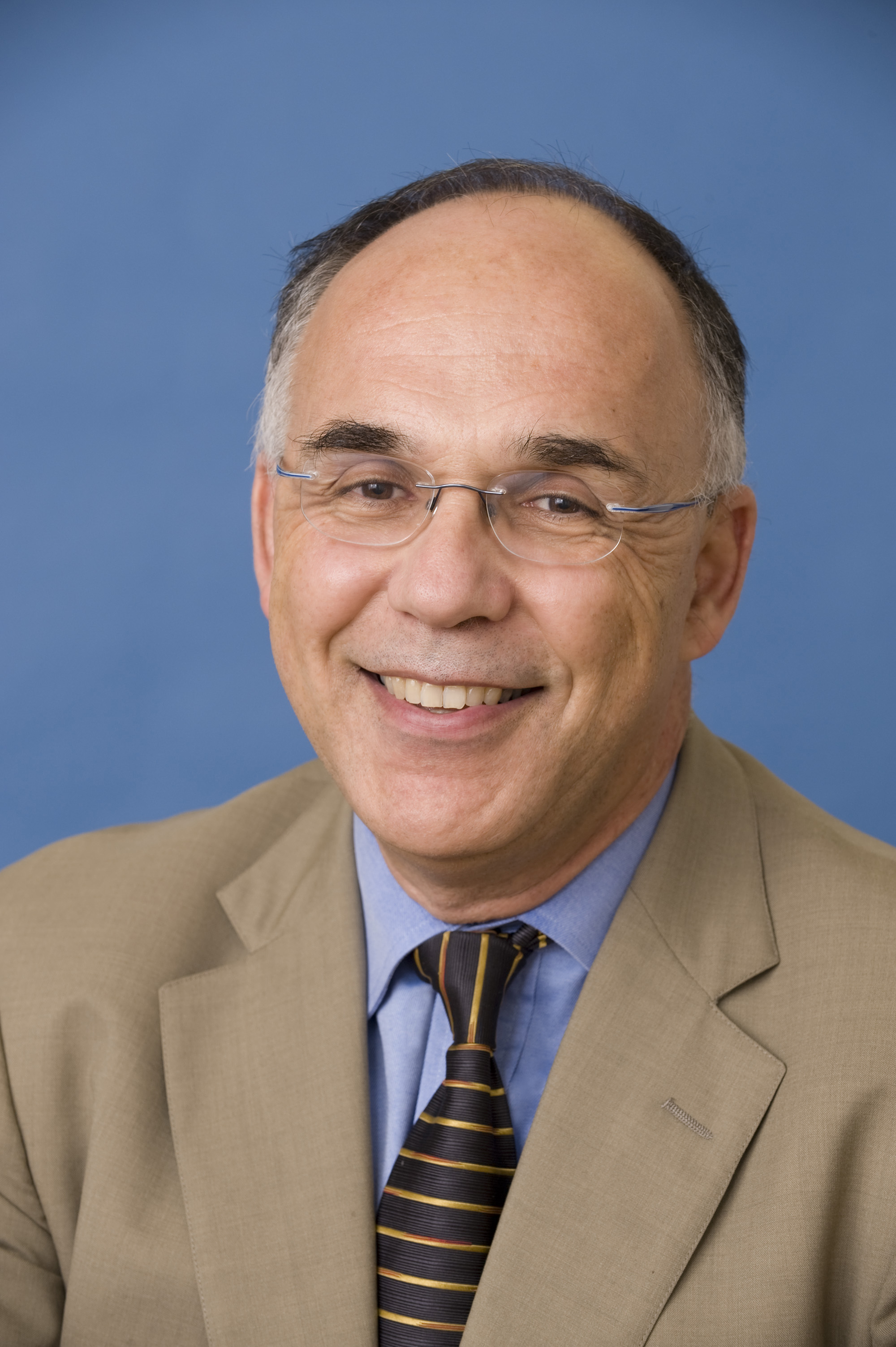
Henri J. Barkey

Former Visiting Scholar, Middle East Program

Barkey served as a member of the U.S. State Department Policy Planning Staff, working primarily on issues related to the Middle East, the Eastern Mediterranean, and intelligence from 1998 to 2000.

    Recent Work

  • Article
    Winners and Losers in Turkey’s Election

      Henri J. Barkey

  • Article
    The Road to Turkey’s June Elections: Crises, Strategies, and Outcomes

      Henri J. Barkey

Henri J. Barkey
Former Visiting Scholar, Middle East Program
Henri J. Barkey
North AfricaLibya

Carnegie does not take institutional positions on public policy issues; the views represented herein are those of the author(s) and do not necessarily reflect the views of Carnegie, its staff, or its trustees.
More Work from Carnegie Endowment for International Peace

  • Teenagers hold a large banner reading "stop pollution in Gabes, stop pollution everywhere, save Gabes'' in English and Arabic
    Article
    Civil Society Restrictions in North Africa: The Impact on Climate-Focused Civil Society Organizations

    For climate-focused civil society in countries like Morocco, Algeria, and Tunisia to be most effective, organizations should work together to develop networks that extend their reach beyond their local area and connect across borders to share best practices and amplify each other’s work.

      • Sarah Yerkes

      Sarah Yerkes

  • Commentary
    Diwan
    When Football Is More Than Football

    The recent African Cup of Nations tournament in Morocco touched on issues that largely transcended the sport.

      Issam Kayssi, Yasmine Zarhloule

  • Research
    Russia in Africa: Examining Moscow’s Influence and Its Limits

    As Moscow looks for opportunities to build inroads on the continent, governments in West and Southern Africa are identifying new ways to promote their goals—and facing new risks.

      • Nate Reynolds
      • +1

      Nate Reynolds, ed., Frances Z. Brown, ed., Frederic Wehrey, ed., …

  • Photo of Duma Boko in a gray suit waving at a crowd.
    Article
    Africa’s Democratic Kaleidoscope: Trends to Watch in 2026

    Supporters of democracy within and outside the continent should track these four patterns in the coming year.

      Saskia Brechenmacher, Frances Z. Brown

  • Commentary
    Strategic Europe
    Taking the Pulse: What Issue Is Europe Ignoring at Its Peril in 2026?

    2026 has started in crisis, as the actions of unpredictable leaders shape an increasingly volatile global environment. To shift from crisis response to strategic foresight, what under-the-radar issues should the EU prepare for in the coming year?

      Thomas de Waal

Get more news and analysis from
Carnegie Endowment for International Peace
Carnegie global logo, stacked
1779 Massachusetts Avenue NWWashington, DC, 20036-2103Phone: 202 483 7600Fax: 202 483 1840
  • Research
  • Emissary
  • About
  • Experts
  • Donate
  • Programs
  • Events
  • Blogs
  • Podcasts
  • Contact
  • Annual Reports
  • Careers
  • Privacy
  • For Media
  • Government Resources
Get more news and analysis from
Carnegie Endowment for International Peace
© 2026 Carnegie Endowment for International Peace. All rights reserved.