• Research
  • Emissary
  • About
  • Experts
Carnegie Global logoCarnegie lettermark logo
DemocracyIran
  • Donate
{
  "authors": [
    "Jessica Tuchman Mathews"
  ],
  "type": "legacyinthemedia",
  "centerAffiliationAll": "dc",
  "centers": [
    "Carnegie Endowment for International Peace",
    "Carnegie Europe",
    "Malcolm H. Kerr Carnegie Middle East Center",
    "Carnegie Russia Eurasia Center"
  ],
  "collections": [
    "Arab Awakening"
  ],
  "englishNewsletterAll": "menaTransitions",
  "nonEnglishNewsletterAll": "",
  "primaryCenter": "Carnegie Endowment for International Peace",
  "programAffiliation": "MEP",
  "programs": [
    "Middle East"
  ],
  "projects": [
    "Eurasia in Transition"
  ],
  "regions": [
    "North Africa",
    "Libya",
    "Maghreb",
    "Middle East"
  ],
  "topics": [
    "Political Reform",
    "Security",
    "Foreign Policy"
  ]
}
Source: Getty

In The Media

Libya: The Politics of Intervention

As the international community pursues a range of activities to help end the violence in Libya, analysts and politicians should avoid creating a false dichotomy between imposing a no-fly zone on the country and doing nothing to prevent the deaths of Libyan civilians.

Link Copied
By Jessica Tuchman Mathews
Published on Mar 9, 2011
Program mobile hero image

Program

Middle East

The Middle East Program in Washington combines in-depth regional knowledge with incisive comparative analysis to provide deeply informed recommendations. With expertise in the Gulf, North Africa, Iran, and Israel/Palestine, we examine crosscutting themes of political, economic, and social change in both English and Arabic.

Learn More
Project hero Image

Project

Eurasia in Transition

Learn More

Source: Diane Rehm Show

As fighting in Libya enters its third week, there is increasing international pressure for the imposition of a no-fly-zone in Libya. Carnegie’s Jessica Mathews spoke on NPR’s Diane Rehm Show, arguing that the international community should not create a false dichotomy between taking a military action like imposing a no-fly-zone and doing nothing to help the Libyan rebels. There is a range of activities that the international community and the United States can take to build a multinational consensus and create a sense of pressure on Qaddafi and his regime. Such activities include sharing intelligence with the opposition members, airlifting in weapons, or creating safe zones to deliver humanitarian aid, among many other options.

Mathews pointed out that the United States should think carefully before stepping into an open-ended military commitment in Libya. The world is currently seeing the beginning of a gigantic historic moment, she said, and the United States may see significant changes in countries that have greater importance to U.S. national interest than Libya. Ultimately, it is crucial to consider the consequences of military intervention, Mathews argued. Such an intervention will have consequences that cannot be predicted and may raise expectations and set a precedent in the region that the United States will not be able to meet.

About the Author

Jessica Tuchman Mathews

Distinguished Fellow

Mathews is a distinguished fellow at the Carnegie Endowment for International Peace. She served as Carnegie’s president for 18 years.

    Recent Work

  • In The Media
    Washington Already Knows How to Deal with North Korea

      Jessica Tuchman Mathews

  • Commentary
    Trump Wins—and Now?

      Jessica Tuchman Mathews

Jessica Tuchman Mathews
Distinguished Fellow
Jessica Tuchman Mathews
Political ReformSecurityForeign PolicyNorth AfricaLibyaMaghrebMiddle East

Carnegie does not take institutional positions on public policy issues; the views represented herein are those of the author(s) and do not necessarily reflect the views of Carnegie, its staff, or its trustees.
More Work from Carnegie Endowment for International Peace

  • people walking with suitcases
    Commentary
    Emissary
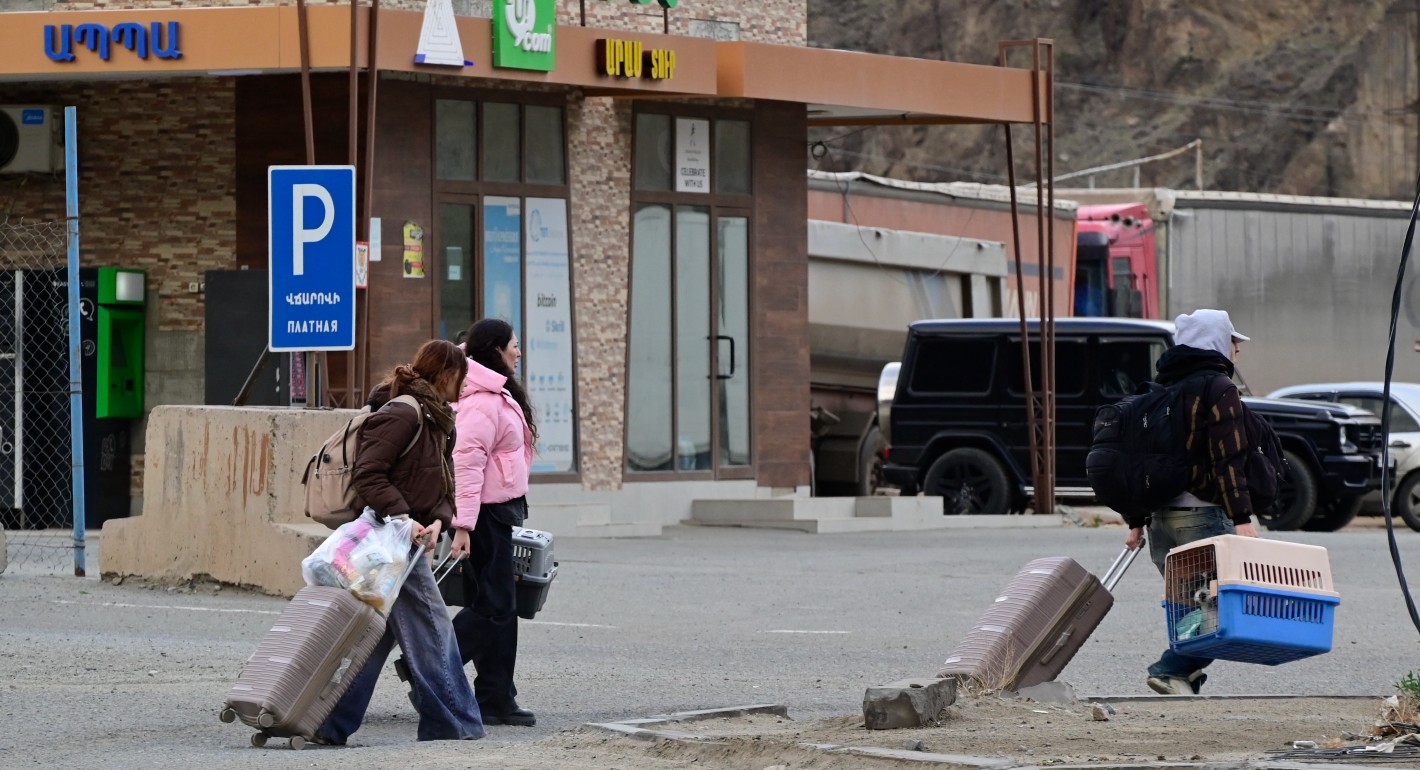
    Iran’s Northern Neighbors Are Facing Fallout From the War, Too

    The conflict is threatening stability in Armenia and Azerbaijan.

      Zaur Shiriyev

  • City at night
    Commentary
    Emissary
    The Iran War Is Also Now a Semiconductor Problem

    The conflict is exposing the deep energy vulnerabilities of Korea’s chip industry.

      Darcie Draudt-Véjares, Tim Sahay

  • Commentary
    Strategic Europe
    Taking the Pulse: Is France’s New Nuclear Doctrine Ambitious Enough?

    French President Emmanuel Macron has unveiled his country’s new nuclear doctrine. Are the changes he has made enough to reassure France’s European partners in the current geopolitical context?

      • Rym Momtaz

      Rym Momtaz, ed.

  • Commentary
    The Iran War’s Dangerous Fallout for Europe

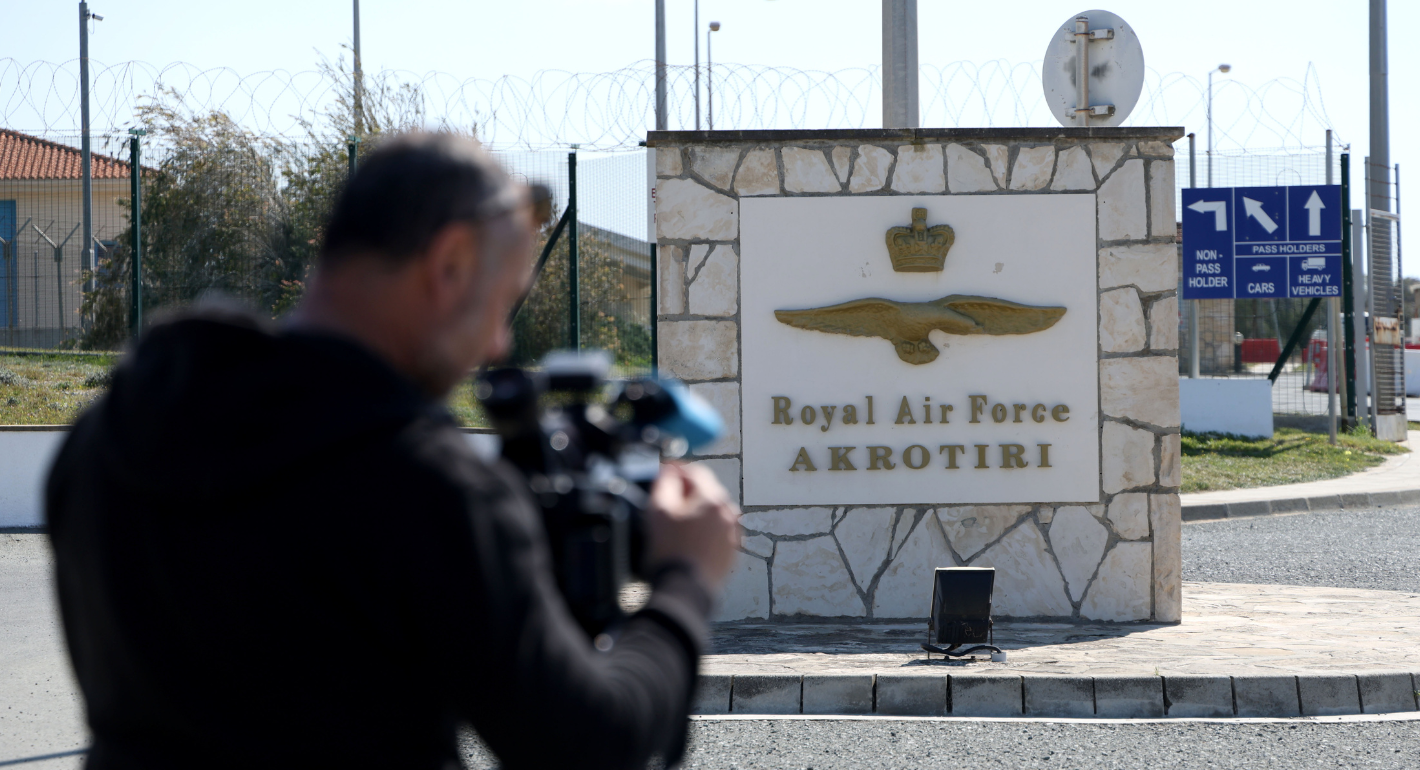
    The drone strike on the British air base in Akrotiri brings Europe’s proximity to the conflict in Iran into sharp relief. In the fog of war, old tensions in the Eastern Mediterranean risk being reignited, and regional stakeholders must avoid escalation.

      Marc Pierini

  • Indian Prime Minister Narendra Modi, wearing an orange cap, and the Chief Minister of Uttar Pradesh, Yogi Adityanath, dressed in saffron robes, are greeting supporters of the Bharatiya Janata Party (BJP) during a roadshow ahead of the Indian General Elections in Ghaziabad, Uttar Pradesh, India, on April 6, 2024.
    Paper
    India’s Foreign Policy in the Age of Populism

    Domestic mobilization, personalized leadership, and nationalism have reshaped India’s global behavior.
      Sandra Destradi

Get more news and analysis from
Carnegie Endowment for International Peace
Carnegie global logo, stacked
1779 Massachusetts Avenue NWWashington, DC, 20036-2103Phone: 202 483 7600Fax: 202 483 1840
  • Research
  • Emissary
  • About
  • Experts
  • Donate
  • Programs
  • Events
  • Blogs
  • Podcasts
  • Contact
  • Annual Reports
  • Careers
  • Privacy
  • For Media
  • Government Resources
Get more news and analysis from
Carnegie Endowment for International Peace
© 2026 Carnegie Endowment for International Peace. All rights reserved.