

Commentary
Thomas de Waal
{
  "authors": [
    "Thomas de Waal"
  ],
  "type": "legacyinthemedia",
  "centerAffiliationAll": "dc",
  "centers": [
    "Carnegie Endowment for International Peace",
    "Carnegie Europe",
    "Carnegie Russia Eurasia Center"
  ],
  "collections": [],
  "englishNewsletterAll": "ctw",
  "nonEnglishNewsletterAll": "",
  "primaryCenter": "Carnegie Europe",
  "programAffiliation": "russia",
  "programs": [
    "Russia and Eurasia"
  ],
  "projects": [],
  "regions": [
    "Russia",
    "Eastern Europe",
    "Caucasus",
    "Georgia"
  ],
  "topics": [
    "Political Reform",
    "Democracy"
  ]
}
Source: Getty
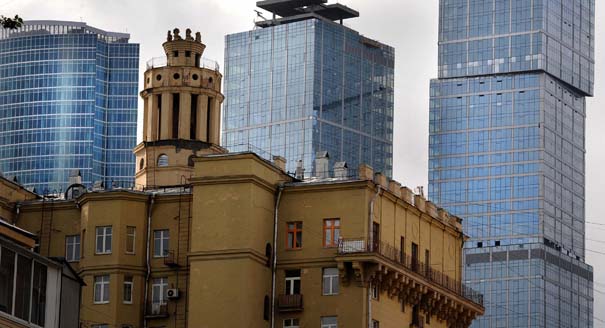
Generations of state socialism had the effect of devaluing public space and creating a sharp split between the public and private spheres. This divide still exists today and helps explain the apathetic political culture that exists in most of the former Soviet Union.
Source: National Interest

Why this intense contrast between the bleak communal world and the welcoming private domain? Mainly because three generations of state socialism had the perverse effect of devaluing public space. Soviet society was at once both intensely communal and very atomized. If you were not being specifically ordered to, there was no incentive to band together with others to put up light-bulbs or repaint your stairwell. Better to retreat behind the front door and do up your own home instead.
This retreat into the private sphere enabled Soviet citizens to retain their sanity and work around the system. Especially in the fringes of the USSR, it nourished individualism, non-conformism, investment in family and friends to positive effect. It was a good survival strategy.
But of course these qualities are not useful attributes when you want to build a new state. The public/private split goes a long way to explaining the apathetic political culture that defines most of the former Soviet Union. Professional associations and trade unions are weak. Citizens still spend much of their time and energy avoiding paying taxes and for services. Parents have little say in the running of their children’s schools. Businesses hire only close friends and family. The government resembles a latter-day feudal class which may or may not be fairly elected but as soon as it is in power is not accountable to voters.
I’ve rarely seen this issue analysed in depth, so a new study by the Caucasus Research Resource Centers (CRRC) in Tbilisi, “An Assessment of Social Capital in Georgia” makes for interesting reading. The authors cite the definition that social capital, the horizontal web of relationships that enable disparate people to work together, “is not just the sum of the institutions which underpin a society—it is the glue that holds them together.”
So defined, the authors say, social capital is related but not identical to that much more common idea, “civil society,” that heroic term popularized by Vaclav Havel but almost beaten to death since. Genuine civil society is also weak in the post-Communist state and has unfortunately come to be identified too closely with grant-funded non-profit organizations. Some of the best “civil society activists” are the democratic conscience of their nations, but others are professional grant-consumers who have simply exchanged Soviet academies of science for Western donors as their income-provider.
Social capital is more spontaneous. It enables businessmen, teachers, farmers, lawyers, residents to band together with strangers to further their common interest. In Georgia the CRRC notes that it is still weak—and it is almost certainly the case elsewhere in the former USSR. Georgian membership of organizations is low, social entrepreneurs who want to change things encounter resistance. One poll cited by CRRC found that 15 percent of Georgians are so fatalistic that they do not think they are in control of their lives at all. (The corresponding figure in the U.S. is three percent.)
These findings help explain one political mystery of the post-Soviet world: why, when so many people are living in poverty and social divisions have sharply increased, left-of-center social democratic parties do not get more support. It seems that you need a stronger state and a stronger sense of social solidarity with your fellow citizens to believe in the Western European social democratic model. The lack of this helps governments get away with policies that entrench inequalities. They can currently win over poor voters with magical promises of largesse, which generally disappear soon after polling day.
This kind of civic culture cannot be created artificially. The report’s authors note that there are some positive signs in Georgia. They make the point that a “demonstration effect” will be helpful—if a number of professional and business associations are seen to be useful, they could set a trend. But another prerequisite for a burgeoning of social capital is that governments must allow it to take root by doing nothing—and that will also take a big cultural shift.

Senior Fellow, Carnegie Europe
Thomas de Waal is a senior fellow at Carnegie Europe, specializing in Eastern Europe and the Caucasus.
Recent Work
Thomas de Waal
Thomas de Waal
Carnegie does not take institutional positions on public policy issues; the views represented herein are those of the author(s) and do not necessarily reflect the views of Carnegie, its staff, or its trustees.

For every ruble allocated to social policy, health, and education in 2027, double that amount is earmarked for the army, the police, and the security services.

Alexandra Prokopenko
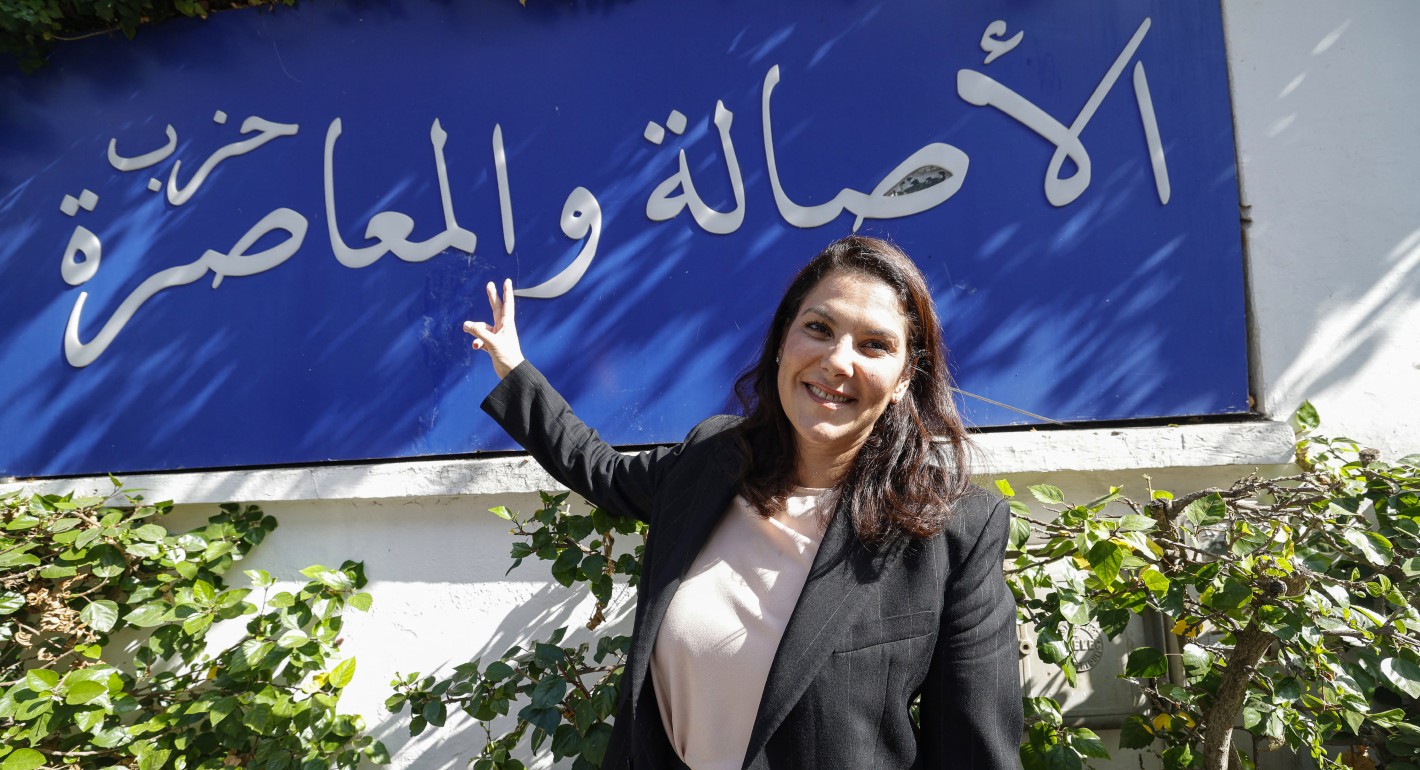
Fatima El Mansouri is the country’s first female prime minister. She’s also a privileged insider in a largely ceremonial position.

Sarah Yerkes
The acknowledgment has sparked fears of a new arms race with China and Russia.

Chris O’Meara

Cargo traffic through Russia’s Northern Sea Route has increased because of the disruption caused by the conflict in the Middle East, the Ukraine war, and U.S.-China tensions.

Mikhail Korostikov
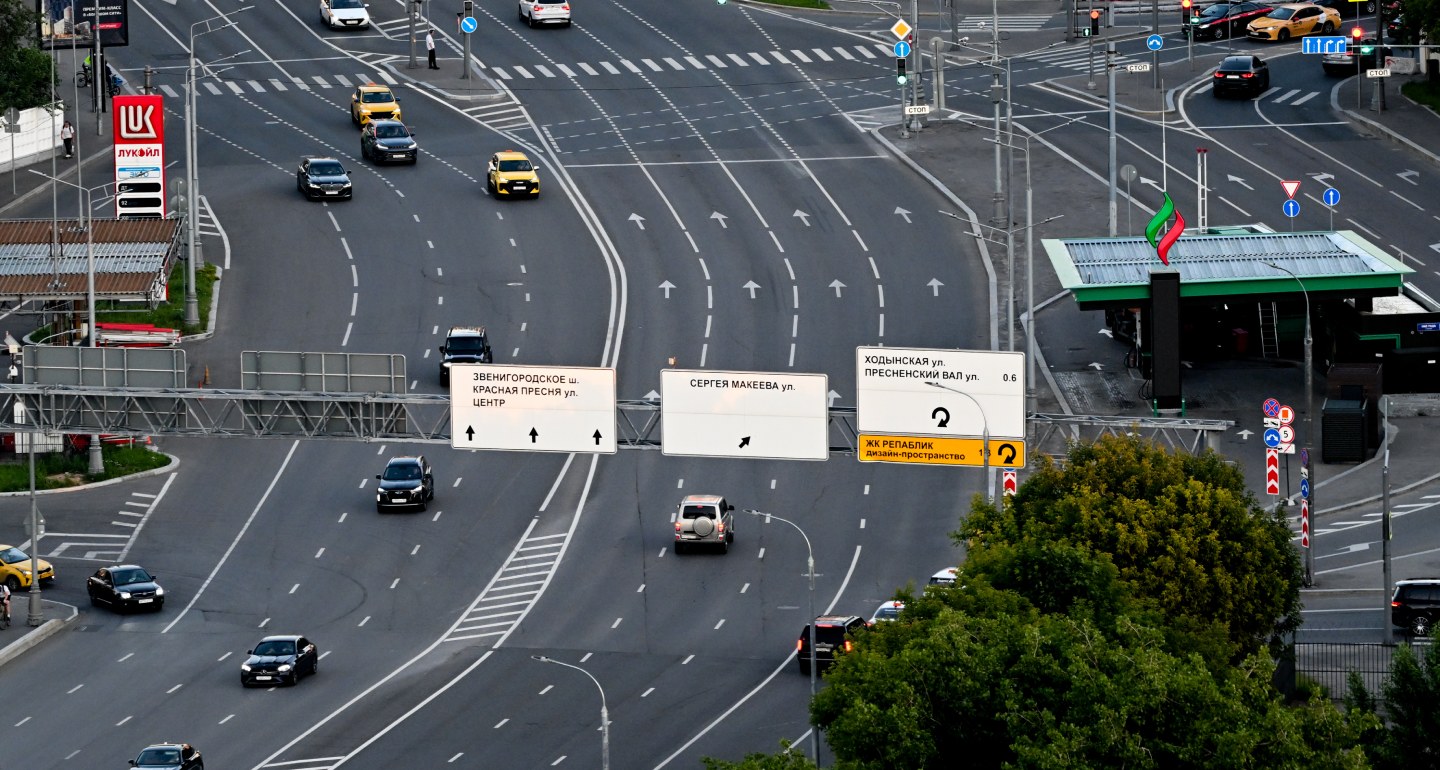
An analysis of traffic accident data suggests that Ukrainian drone attacks caused a material but not disastrous fall in Russian gasoline consumption over the summer.

Sergey Vakulenko