

Paper
Maria Fantappie
{
  "authors": [
    "Maria Fantappie"
  ],
  "type": "legacyinthemedia",
  "centerAffiliationAll": "",
  "centers": [
    "Carnegie Endowment for International Peace",
    "Malcolm H. Kerr Carnegie Middle East Center"
  ],
  "collections": [],
  "englishNewsletterAll": "",
  "nonEnglishNewsletterAll": "",
  "primaryCenter": "Malcolm H. Kerr Carnegie Middle East Center",
  "programAffiliation": "",
  "programs": [],
  "projects": [],
  "regions": [
    "Gulf"
  ],
  "topics": [
    "Political Reform"
  ]
}
Source: Getty
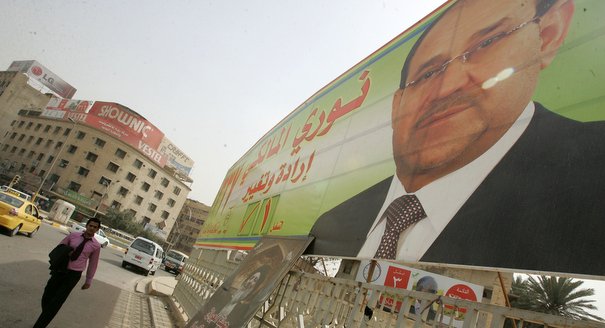
Iraq’s Sadrists have the opportunity to emerge as the winners of the current social unrest, given their control of key ministries within the new Iraqi government, their alliance with Prime Minister Maliki, and their prompt response to popular calls for better services.
Source: Los Angeles Times


Former Visiting Scholar, Carnegie Middle East Center
Maria Luisa Fantappie is Head of the Mediterranean, Middle East and Africa Programme at IAI. She served as Special Adviser at the Centre for Humanitarian Dialogue in Geneva (2020-2023) and at the International Crisis Group (2012-2020), engaging at the highest level of policy in Europe, the United States and across MENA (Iraq, Jordan, Saudi Arabia, Iran, Qatar, Oman and United Arab Emirates).
Recent Work
Maria Fantappie
Maria Fantappie
Carnegie does not take institutional positions on public policy issues; the views represented herein are those of the author(s) and do not necessarily reflect the views of Carnegie, its staff, or its trustees.
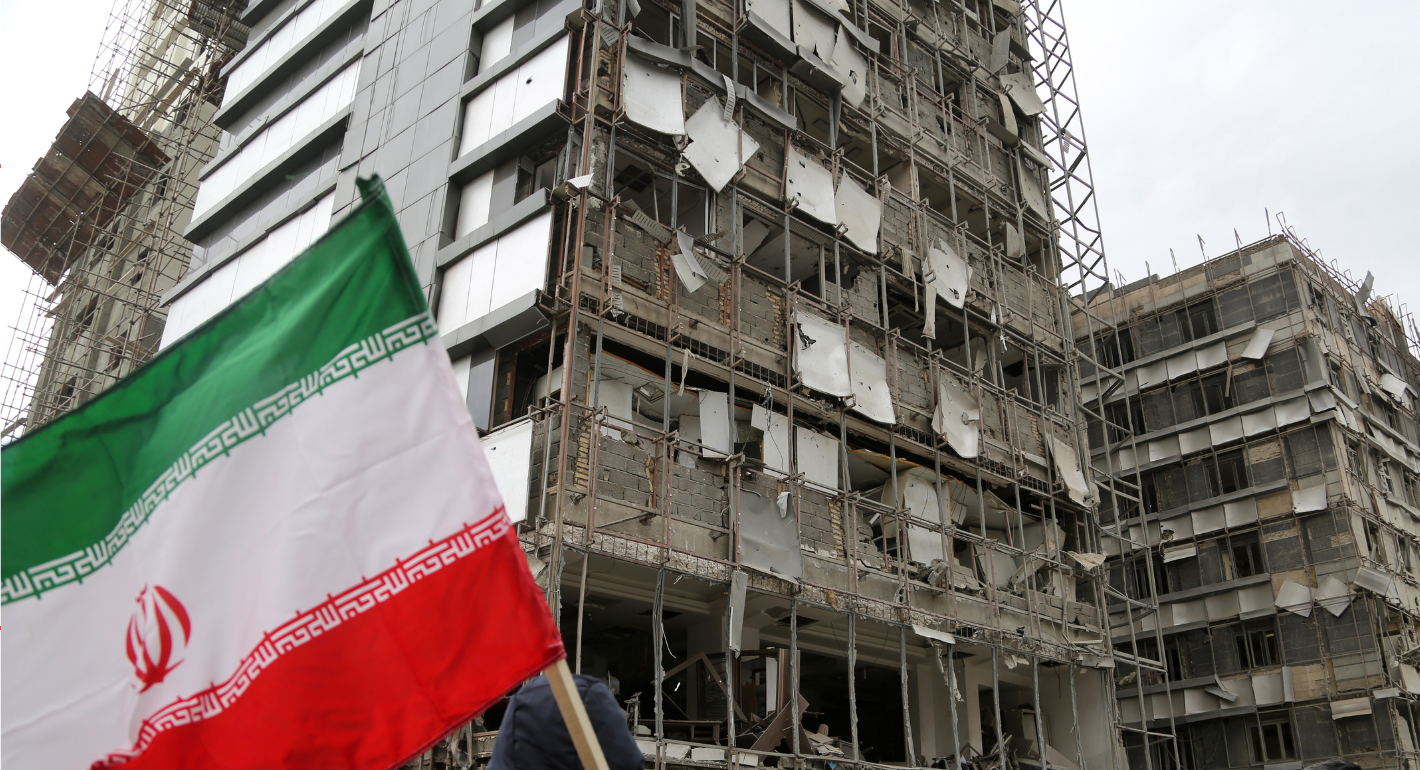
Europe’s reaction to the war in Iran has been disunited and meek, a far cry from its previously leading role in diplomacy with Tehran. To avoid being condemned to the sidelines while escalation continues, Brussels needs to stand up for international law.

Pierre Vimont
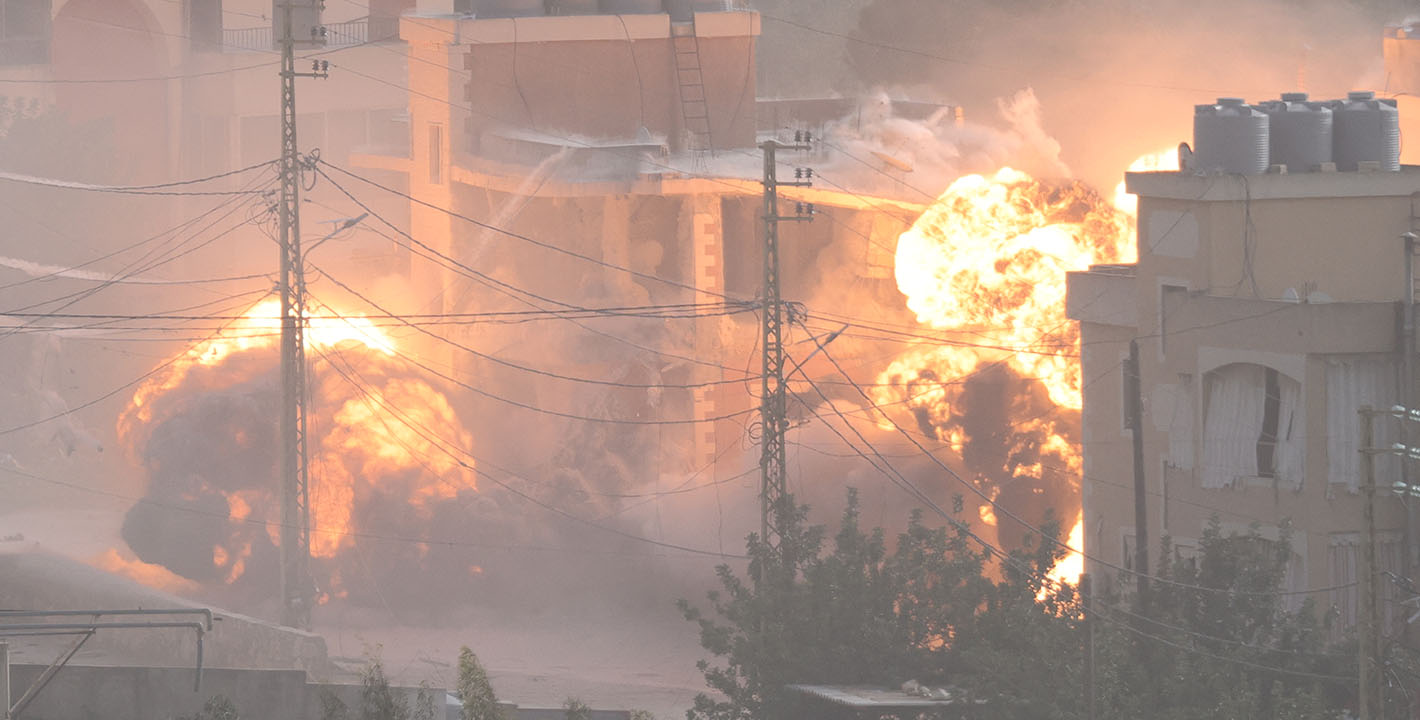
As Iran defends its interests in the region and its regime’s survival, it may push Hezbollah into the abyss.

Michael Young
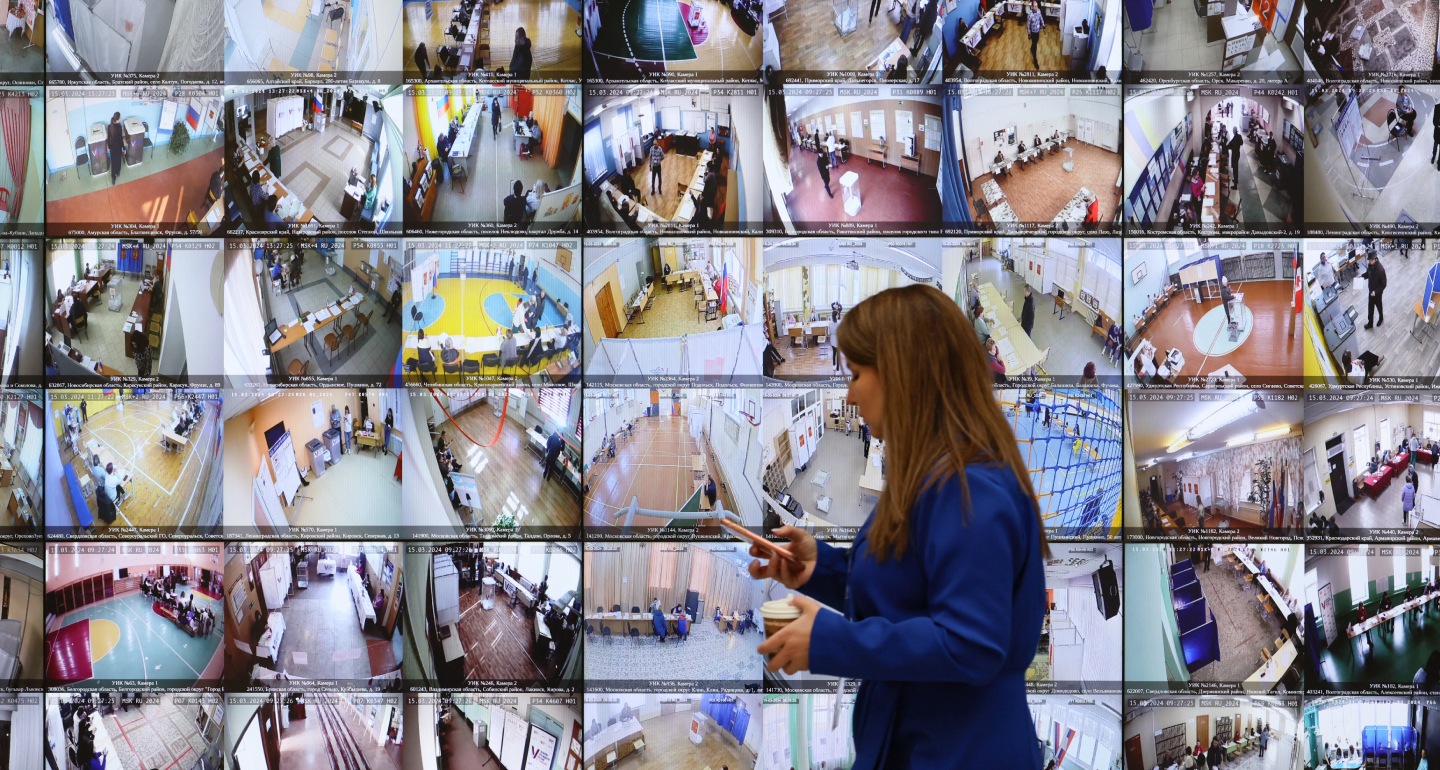
The use of technology to mobilize Russians to vote—a system tied to the relative material well-being of the electorate, its high dependence on the state, and a far-reaching system of digital control—is breaking down.

Andrey Pertsev
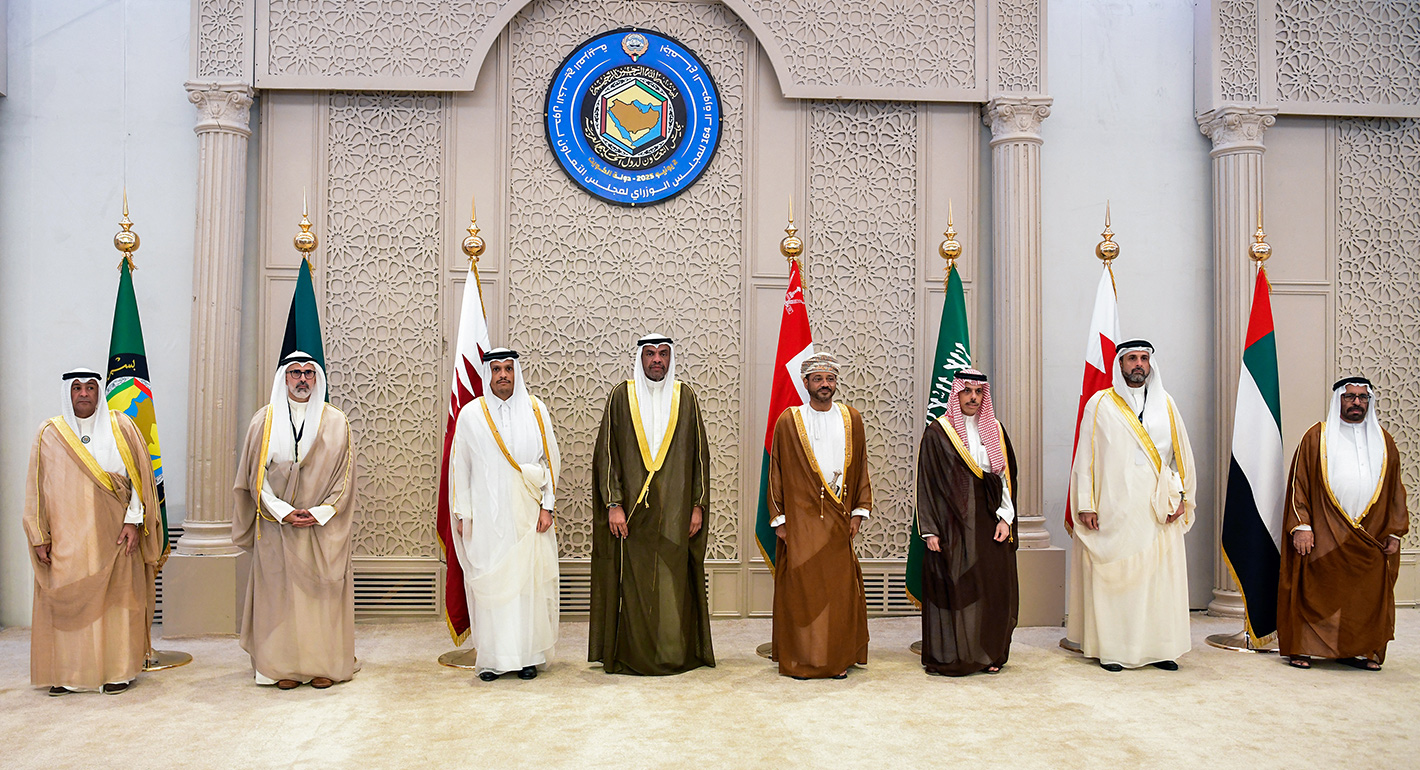
Without structural reform, the organization, which is racked by internal rivalries, risks sliding into irrelevance.

Hesham Alghannam
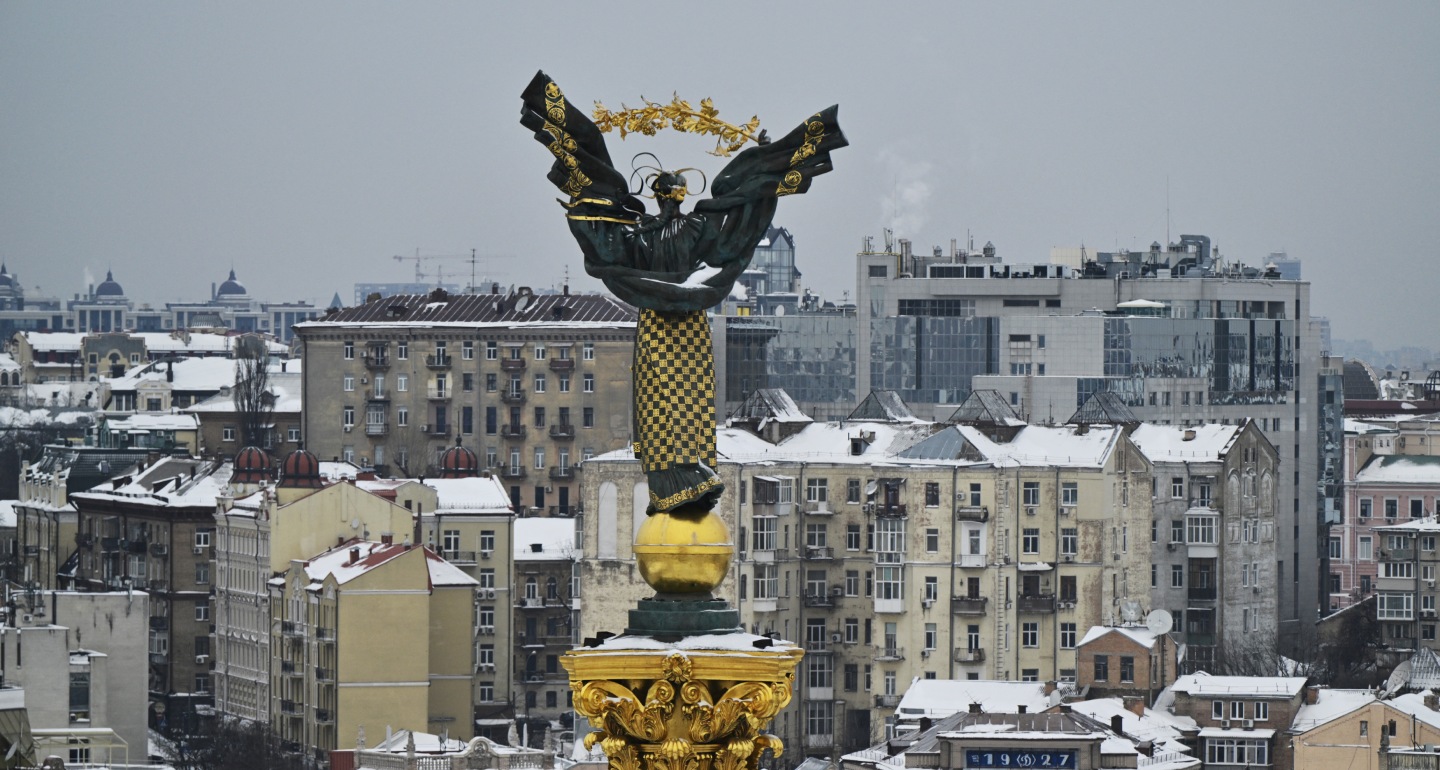
As discussions about settlement and elections move from speculation to preparation, Kyiv will have to manage not only the battlefield, but also the terms of political transition. The thaw will not resolve underlying tensions; it will only expose them more clearly.

Balázs Jarábik