

Paper
Maria Fantappie
{
  "authors": [
    "Maria Fantappie"
  ],
  "type": "legacyinthemedia",
  "centerAffiliationAll": "",
  "centers": [
    "Carnegie Endowment for International Peace",
    "Malcolm H. Kerr Carnegie Middle East Center"
  ],
  "collections": [],
  "englishNewsletterAll": "",
  "nonEnglishNewsletterAll": "",
  "primaryCenter": "Malcolm H. Kerr Carnegie Middle East Center",
  "programAffiliation": "",
  "programs": [],
  "projects": [],
  "regions": [
    "Gulf"
  ],
  "topics": [
    "Political Reform"
  ]
}
Source: Getty
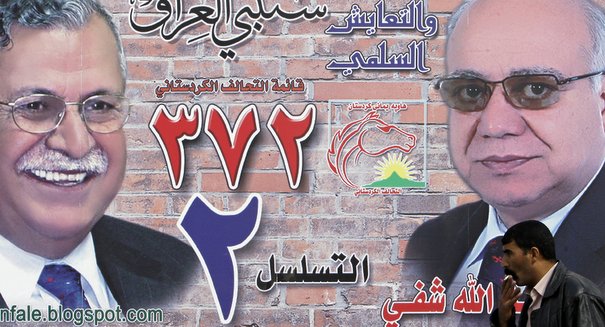
Inspired by the region’s ongoing unrest, Kurdistan’s youth are demonstrating against decades of two-party control over Kurdish institutions and society, hoping to reform the region's political arena.
Source: Los Angeles Times

Whereas in the rest of Iraq demonstrators called for a variety of demands, in Kurdistan most of protesters were young and voiced their discontent against Kurdistan's traditional leadership. The future of these leaders now depends on their ability to regain legitimacy with these youth.
The protests served as a wake-up call for the region's two-party leadership: the Kurdistan Democratic Party, or KDP, led by Massoud Barzani, and the Patriotic Union of Kurdistan, or PUK, led by Jalal Talabani. Both parties have ruled Kurdistan since the establishment of a regional government in 1992.
The KDP and the PUK built their legitimacy on the struggle against Saddam Hussein's regime and the creation of the Kurdistan region. But Kurdistanis between the ages of 15 and 30 -- approximately 40% of the population -- grew up in an already semi-autonomous Kurdistan. Most of them only heard about the struggle against the former regime from their parents and grandparents.
They did, however, witness the armed struggle for power between the KDP and the PUK from 1994 to 1997, and have lived under two-party rule that dominates political representation, resource management and access to employment. They have little or no contact with the rest of Iraq, attend Kurdish universities, speak Kurdish better than Arabic -- and hold Irbil politically accountable before Baghdad.
In the eyes of this youth, the KDP and PUK have spent the past 20 years prioritizing parochial interests over the national good.
Until the protests started, the Kurdistan Regional Government (KRG) ministries remained split between the two parties -- with no access for others -- and little collaboration has existed between them. Peshmerga forces, long the symbol of national resistance to Hussein's regime, are also divided into two uncooperative branches, one loyal to the KDP and the other to the PUK.
Furthermore, although Kurdistan enjoys better security than the rest of Iraq and has seen investments pour in since 2003, between 35% and 45% of Kurdish youth remain unemployed or underemployed. Political affiliation often regulates advancement.
Demonstrations started in February, but they gave voice to a discontent that was simmering in Kurdistan long before the wave of mobilization engulfed the Middle East region. They revealed the increasing disaffection toward a leadership that has anchored its legitimacy to past achievements and has failed to fulfill the aspirations of its youth. Already in 2009, regional elections saw a third party, Gorran, or "The Movement for Change," making significant gains at the expense of the PUK in particular.
Although demonstrations have mainly been limited to Sulaymaniyah, the entire Kurdish political scene has been shaken.
KRG leaders are growing vulnerable, and last month attempted to stem the flow of protests. Alongside promises of democratic reform and Cabinet reshuffling, as well as the establishment of anti-corruption commissions, they drastically restricted demonstrations, deployed their security forces and clamped down on protesters.
Both the KDP and the PUK now find themselves on the same side of a power struggle, as their survival depends on one another in the face of mounting opposition. The opposition parties -- Gorran, the Islamic Group of Kurdistan and the Kurdistan Islamic Union -- have also sought to present a united front. Since the earliest protests, they have called for the resignation of the government and the implementation of reforms, boycotting the parliamentary sessions in an attempt to gain legitimacy as advocates of the demonstrators' demands.
If negotiations fail, both the incumbent leaders and the opposition parties could polarize in two blocs, eager either to reassert or gain support from the people.
In the run-up to September's provincial elections, the KDP and the PUK are likely to continue employing a mix of repressive measures and promises of reform as they attempt to contain protests. They may try to recast themselves as united defenders of the Kurdish national interest in Iraq, through further political or military maneuvers in Kirkuk on the disputed border between Kurdistan and the rest of Iraq. Should they succeed in making gains there, they could reinstate some legitimacy as Kurdistan's flag bearers.
Meanwhile, the opposition parties could increase their following mainly in Sulaymaniyah by eroding the PUK's electoral base, if they succeed in establishing themselves as the legitimate and exclusive spokesmen for the demonstrators' demands. Some of the youth view these opposition parties as either part of the corrupt political system or as too traditional to represent them. But these youth could be left with no other option through which to channel their demands, given that they have not yet organized into a proper political party.
In Kurdistan, as elsewhere in the Middle East, the youth's biggest challenge will be to transform the wave of mobilization into real change: to break the control that parties have established over institutions and society for decades, and to ensure that their demands will genuinely reach and reform the political ground. Only then will their Liberation Square be aptly named.
Former Visiting Scholar, Carnegie Middle East Center
Maria Luisa Fantappie is Head of the Mediterranean, Middle East and Africa Programme at IAI. She served as Special Adviser at the Centre for Humanitarian Dialogue in Geneva (2020-2023) and at the International Crisis Group (2012-2020), engaging at the highest level of policy in Europe, the United States and across MENA (Iraq, Jordan, Saudi Arabia, Iran, Qatar, Oman and United Arab Emirates).
Recent Work
Maria Fantappie
Maria Fantappie
Carnegie does not take institutional positions on public policy issues; the views represented herein are those of the author(s) and do not necessarily reflect the views of Carnegie, its staff, or its trustees.
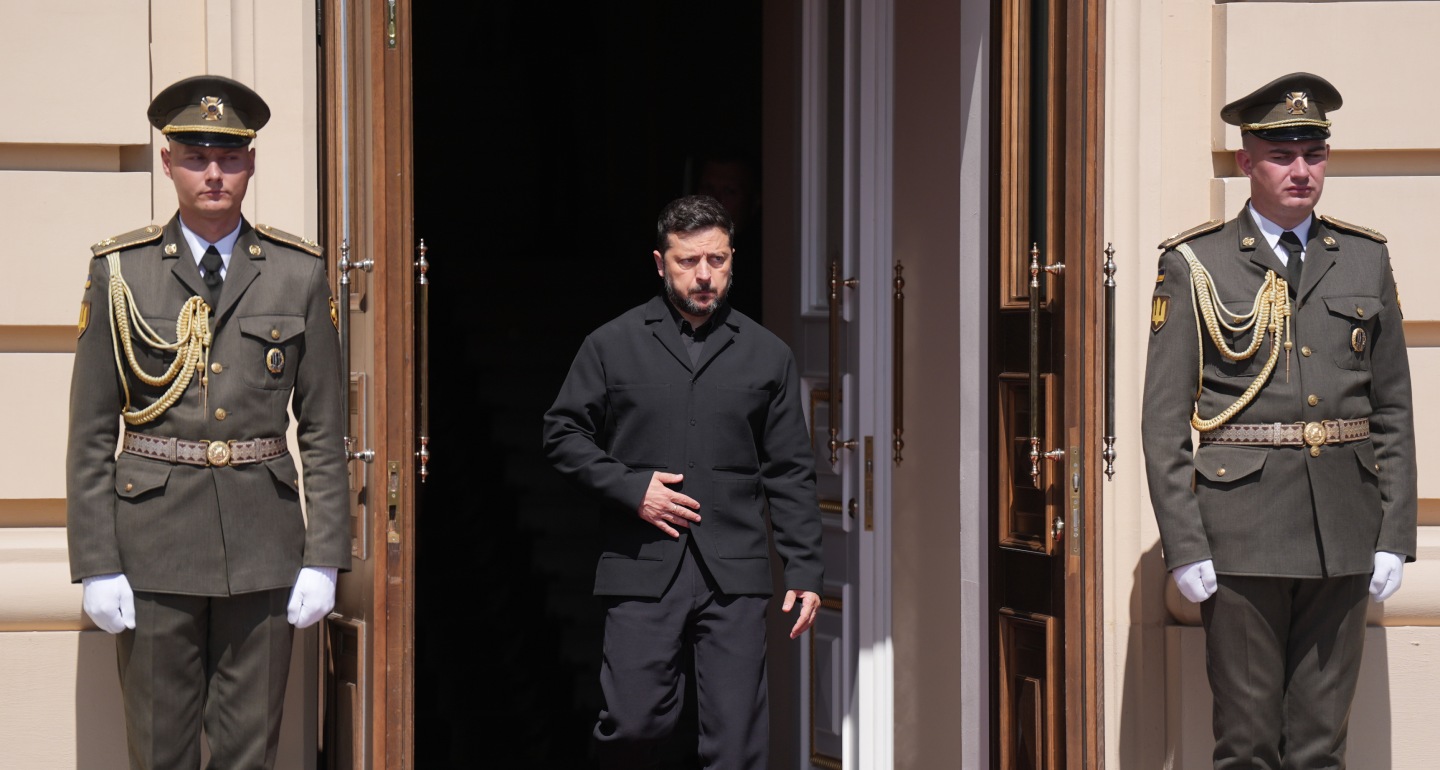
Ultimately, Zelensky sided neither with the reform camp nor with the military establishment as such, but with political control.

Balázs Jarábik
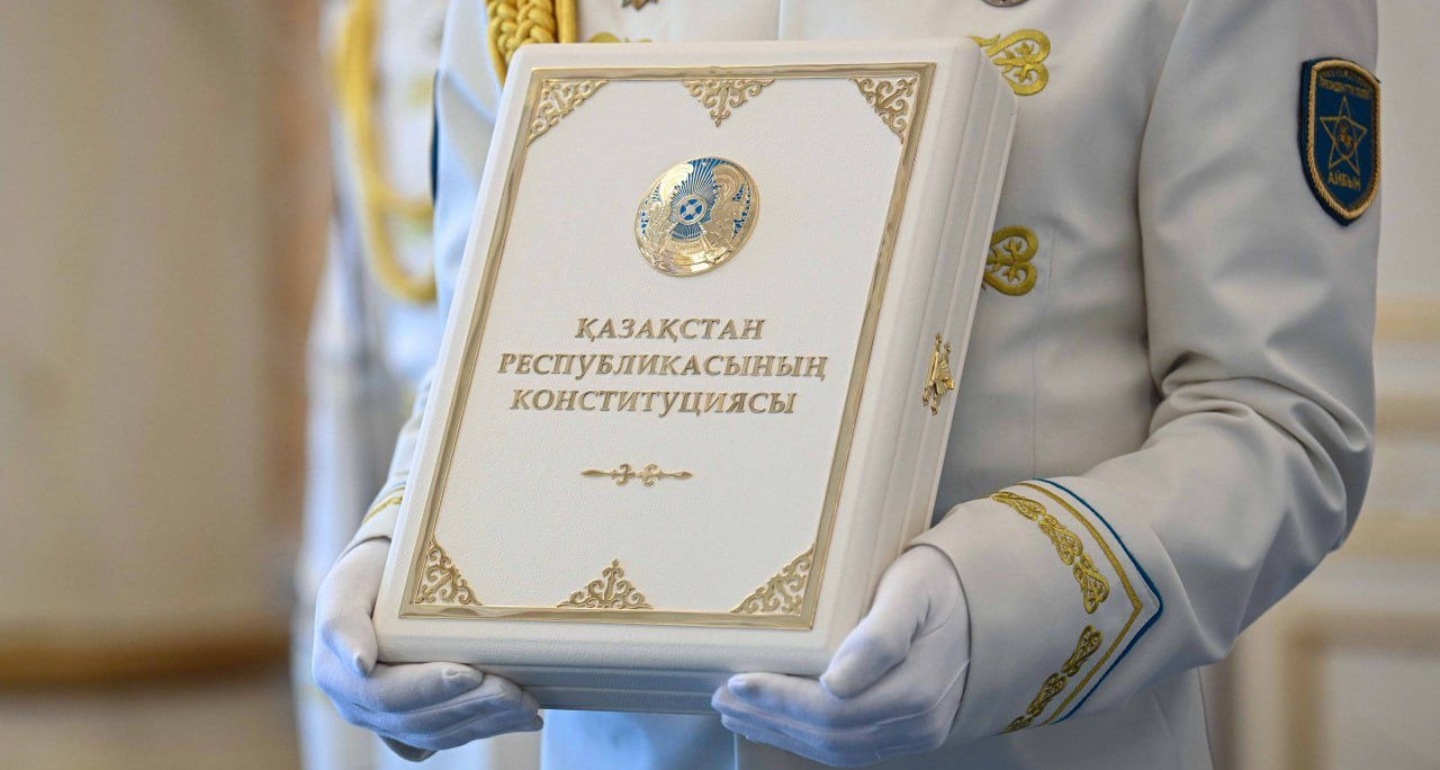
Tokayev’s predecessor, Nursultan Nazarbayev, outlined arrangements for a power transition too soon and in too much detail, ultimately losing control over the process. Tokayev is determined not to meet the same fate.

Temur Umarov

As the EU confronts profound challenges, several leaders have called for fundamental reform to the union’s model—but only modest, superficial changes have resulted. What if Europe really could be reimagined from zero today: What should such a redesigned European order look like?

Richard Youngs, ed.

Despite unhappiness on the ground, Moscow is determined to use both carrot and stick to ensure there is record support for United Russia in occupied Ukraine.

Konstantin Skorkin

Morocco and Algeria, each in its own way, are having to navigate the global economic fallout of the U.S.-Israeli military campaign against Iran.

Yasmine Zarhloule