

Commentary
Thomas de Waal
{
  "authors": [
    "Thomas de Waal"
  ],
  "type": "legacyinthemedia",
  "centerAffiliationAll": "dc",
  "centers": [
    "Carnegie Endowment for International Peace",
    "Carnegie Europe",
    "Carnegie Russia Eurasia Center"
  ],
  "collections": [],
  "englishNewsletterAll": "ctw",
  "nonEnglishNewsletterAll": "",
  "primaryCenter": "Carnegie Europe",
  "programAffiliation": "russia",
  "programs": [
    "Russia and Eurasia"
  ],
  "projects": [],
  "regions": [
    "Caucasus",
    "Azerbaijan",
    "Armenia"
  ],
  "topics": []
}
Source: Getty
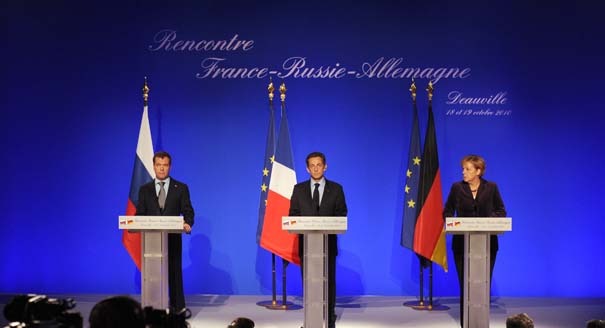
The statement on Nagorny Karabakh by Presidents Medvedev, Obama, and Sarkozy at the G8 summit in Deauville, France is the most serious international declaration on the conflict in many years.
Source: National Interest

For a decade and a half the world has barely noticed the negotiations to resolve the longest-running protracted conflict in the post-Communist world, the Armenian-Azerbaijani dispute over Karabakh. The peace process is too closed and the issue too complex and mysterious for anyone but the poor tiny benighted group of analysts (such as myself) who do follow it to take notice.
The statement made on May 26 by the three heads of state of the mediating powers, makes it clear that a moment of truth is approaching. At Kazan in late June, President Dmitry Medvedev, backed by the French and U.S. mediators, will make a strong push to have Presidents Aliev and Sarkisian finally cut a deal on the Document on Basic Principles that they have been discussing for more than five years now.
As I have argued before in the National Interest, the Karabakh conflict gets only a fraction of the attention that Kosovo did but is in a much more strategically sensitive neighborhood. If one of the two sides—and basically this means the losing side from the 1991-94 conflict, Azerbaijan—chooses to go back to war, it will be a catastrophe. The Deauville declaration says, “The use of force created the current situation of confrontation and instability. Its use again would only bring more suffering and devastation, and would be condemned by the international community.”
The Document on Basic Principles aims to bridge the sovereignty conundrum at the heart of the conflict. In Soviet times, Nagorny Karabakh was an Armenian-majority autonomous region inside Soviet Azerbaijan. Since their military victory in 1994, the Armenians have controlled not just Karabakh itself—which they say they will never give up—but also a “buffer zone” of Azerbaijani territories around it, which they say they will renounce if their possession of Karabakh is ensured. For their part, the Azerbaijanis press their international de jure claim to Karabakh and are pouring revenues from oil and gas into building up a new powerful army.
The Basic Principles document offers constructive ambiguity. It stipulates a gradual Armenian withdrawal from the territories around Karabakh; “interim status” for Karabakh itself, giving it enhanced international legitimacy but not full independence; and the promise in the future of a popular vote, a “legally-binding expression of will” to determine the future status of the territory.
But here come the doubts. Despite intense talks in private, in public the leaders still voice maximalist positions and call on their adversary to surrender. The rhetoric is especially brutal on the Azerbaijani side. The day after the Deauville declaration, Azerbaijani deputy prime minister Ali Hasanov called the Armenian president a “criminal” and his government a “fascist regime” which needs to be “overthrown.”
So it comes down to political will. Are the Armenian and Azerbaijani leaders merely using the endlessly elusive Karabakh peace process as a device to keep the international community sweet and to demand loyalty from their populations, while never seriously wishing to sign a peace? Or are they genuinely committed to a peace agreement which would begin the long-term transformation of their region, but trapped by their own national discourse and political rhetoric and afraid to move forward? Or a bit of both?
This is why I welcome the line in the Deauville document which says, “Further delay would only call into question the commitment of the sides to reach an agreement.” Or to put it another way, “We now have a workable document. Prove to us you are serious and sign it.”
It is a matter of international will too. Foreign powers have to be serious as well. Absent strong domestic support for peace, it is internationals who will have to stiffen the resolve of the presidents and shape a new discourse of compromise. They will have to make a commitment to a reconstruction and peacekeeping operation. Russia, the United States and the EU have worked well together in the negotiation process, but, given all their diverse interests in the Caucasus, their bilateral agendas with both countries and all the competing claims on their resources, it will be tough to construct a joint postconflict settlement for Karabakh.
This will be especially important if the framework plan is agreed and there comes the inevitable hiatus between an initial agreement and progress on the ground. The spoilers will rush in to try to destroy it. Remember Oslo and the Middle East.
So, as the Kazan meeting approaches, the stakes are raised for both peace and war in the Caucasus.

Senior Fellow, Carnegie Europe
Thomas de Waal is a senior fellow at Carnegie Europe, specializing in Eastern Europe and the Caucasus.
Recent Work
Thomas de Waal
Thomas de Waal
Carnegie does not take institutional positions on public policy issues; the views represented herein are those of the author(s) and do not necessarily reflect the views of Carnegie, its staff, or its trustees.
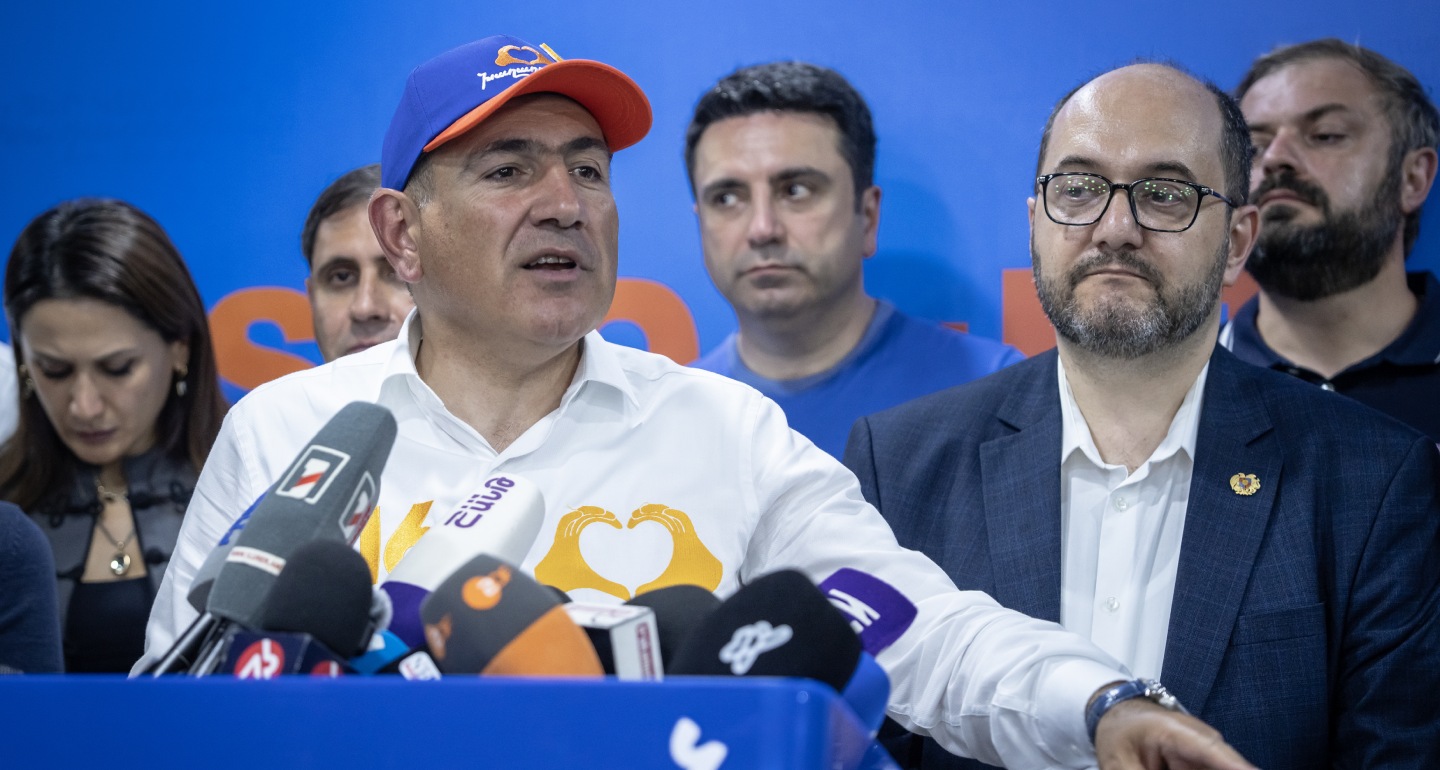
Pashinyan’s pro-European party has been re-elected with a decisive victory. But the pro-Russian opposition could still slow Armenia’s progress toward peace with Azerbaijan and rapprochement with Europe.
Mikayel Zolyan
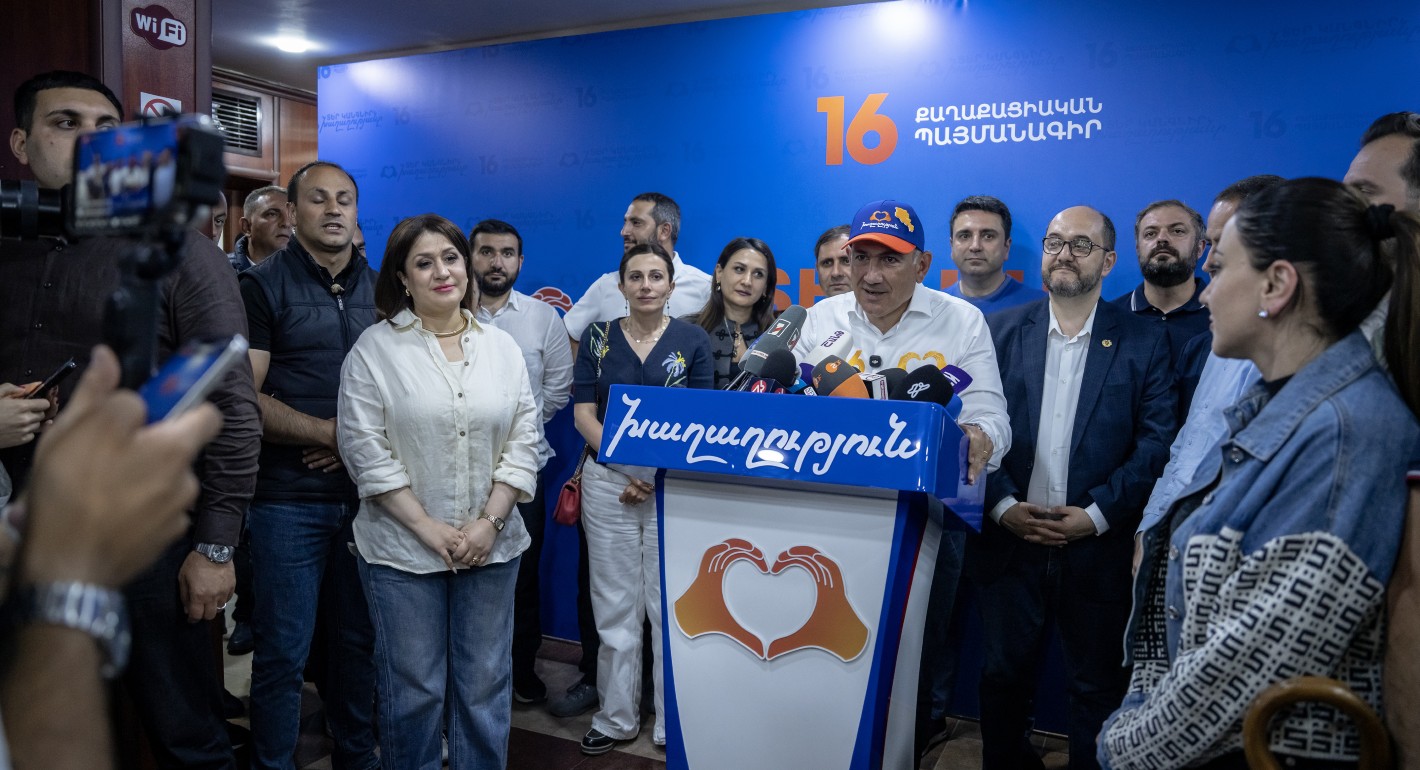
It’s time to build momentum, and Ankara is the venue of the next opportune diplomatic window to do this.

Alper Coşkun, Garo Paylan
For all the menacing rhetoric, the Armenian prime minister remains a leader with whom Putin is prepared to interact: not as an ally, but as a partner, albeit a problematic one.

Alexander Atasuntsev
By fueling the arguments of both supporters and opponents of Armenian Prime Minister Nikol Pashinyan, Azerbaijan wants to ensure he is re-elected with a weaker mandate.

Bashir Kitachaev
Regardless of the outcome, there’s another path to ensuring that progress doesn’t stall.
Zaur Shiriyev