

Paper
Gilles Dorronsoro
{
  "authors": [
    "Gilles Dorronsoro"
  ],
  "type": "legacyinthemedia",
  "centerAffiliationAll": "dc",
  "centers": [
    "Carnegie Endowment for International Peace",
    "Carnegie Russia Eurasia Center"
  ],
  "collections": [],
  "englishNewsletterAll": "ctw",
  "nonEnglishNewsletterAll": "",
  "primaryCenter": "Carnegie Endowment for International Peace",
  "programAffiliation": "SAP",
  "programs": [
    "South Asia"
  ],
  "projects": [
    "Eurasia in Transition"
  ],
  "regions": [
    "South Asia",
    "Afghanistan"
  ],
  "topics": [
    "Security",
    "Foreign Policy"
  ]
}
Source: Getty
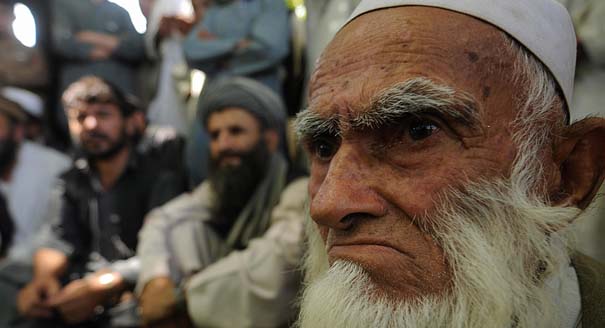
With Afghans growing increasingly frustrated by the Western forces in their country, President Obama should use the political cover provided by the death of Osama bin Laden to change his strategy in Afghanistan and negotiate with the Taliban.
Source: National Interest

Afghans say that this is just one minor incident in a series of more serious events. Nine children were recently shot down from an American helicopter in Kunar province after the pilot mistakenly thought they were insurgents. And shortly before I witnessed tensions mounting on the roadside, more than sixty civilians were killed in a coalition bombing.
Far from being contained to a specific area, the rejection of foreigners and international troops is pervasive across Afghanistan. This is a major problem for the coalition. A few outrageously manipulated polls notwithstanding, Afghans obviously see the coalition as an occupying force. With war crimes committed by some rogue U.S. troops and vile pictures of American servicemen smiling near the bodies of dead civilians still circulating widely via mobile phone—even to the most remote Afghan villages—the credibility of the coalition is destroyed.
Sermons in mosques—even in central Kabul—frequently reflect a growing exasperation with U.S. involvement in the country. While some of the recent violence during protests following the burning of the Quran in the United States may have been caused by extremists, these demonstrations clearly show that most Afghan people are frustrated.
President Karzai is trying to channel popular sentiment by passing laws inspired by fundamentalists. In the latest instance, wedding dresses now must be “decent” not to violate a strict interpretation of sharia law. But Karzai is not the winner in this—insurgents are clearly benefiting most from rising anti-Western feelings.
Osama bin Laden’s killing this week was undoubtedly a good thing, but it doesn’t solve the problem of al-Qaeda or win the war in Afghanistan.
Rejection of the West’s involvement continues to grow. When General Petraeus, the architect of the 2007 surge in Iraq and next CIA director, arrived as the new commander of American forces in Afghanistan in June 2010, he brought a change in strategy but failed to win more support from Afghans. Protecting the population now comes second, with priority given to disrupting the Taliban’s insurgency as much as possible. Reforming the government has fallen off the agenda and the coalition is supporting corrupt officials, particularly in the south, and helping mostly discredited militias that are largely ineffective and always unpopular. And military operations in Kandahar have destroyed many private estates and orchards.
And to make matters worse, the unpopular Western forces and their tactics still aren’t going to win the war with the insurgency. There are more Taliban than a year ago and targeted assassinations of the group’s leaders are further radicalizing the movement.
Withdrawing Western forces in the coming years will undoubtedly give up territory to the insurgents. There is no way that the Afghan army will be big and strong enough to resist the Taliban. We have already seen this in the east following the evacuation of several U.S. bases. Insurgents have taken control in numerous valleys and radical groups—including Lashkar-e-Taiba and al-Qaeda—now enjoy sanctuary in Afghanistan.
Sad record: more than ten years after the invasion, the coalition can’t even guarantee that radical groups will not use Afghanistan as a sanctuary despite the successful raid on bin Laden’s hiding place deep within Pakistan.
The United States needs to rethink its strategy today and begin negotiating the best possible solution with the insurgency if it wants to leave anytime soon. Bin Laden’s death gives Washington an opportunity to do just that. President Obama now enjoys a certain degree of political cover to change gears in Afghanistan and negotiate with the Taliban—it doesn’t ensure success, but it’s the only hope left.
Former Nonresident Scholar, South Asia Program
Dorronsoro’s research focuses on security and political development in Afghanistan. He was a professor of political science at the Sorbonne in Paris and the Institute of Political Studies of Rennes.
Recent Work
Gilles Dorronsoro
Gilles Dorronsoro
Carnegie does not take institutional positions on public policy issues; the views represented herein are those of the author(s) and do not necessarily reflect the views of Carnegie, its staff, or its trustees.
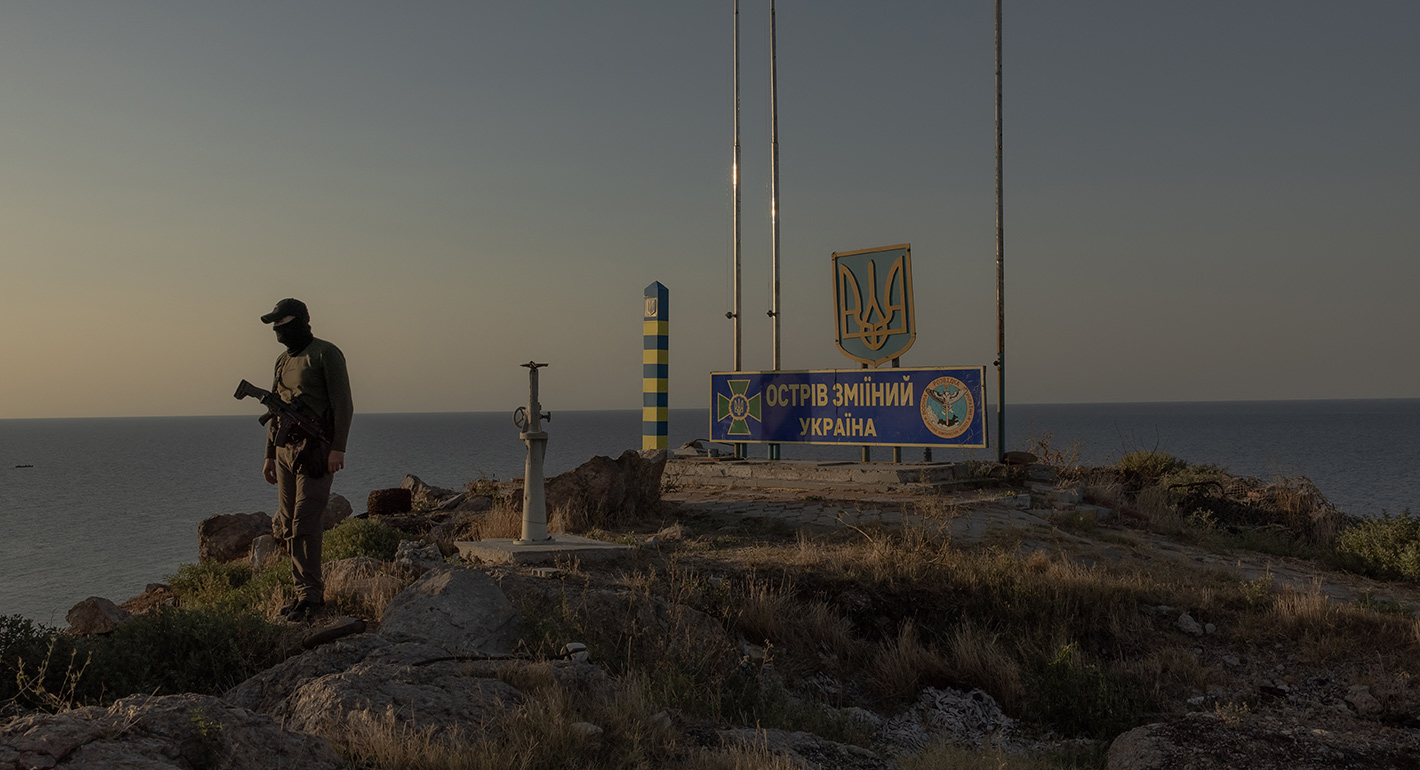
Ukraine’s asymmetric approach has rendered Russia’s Black Sea Fleet functionally useless. But a long-term commitment will be needed to maintain this balance of power.
Alina Frolova, Stepan Yakymiak
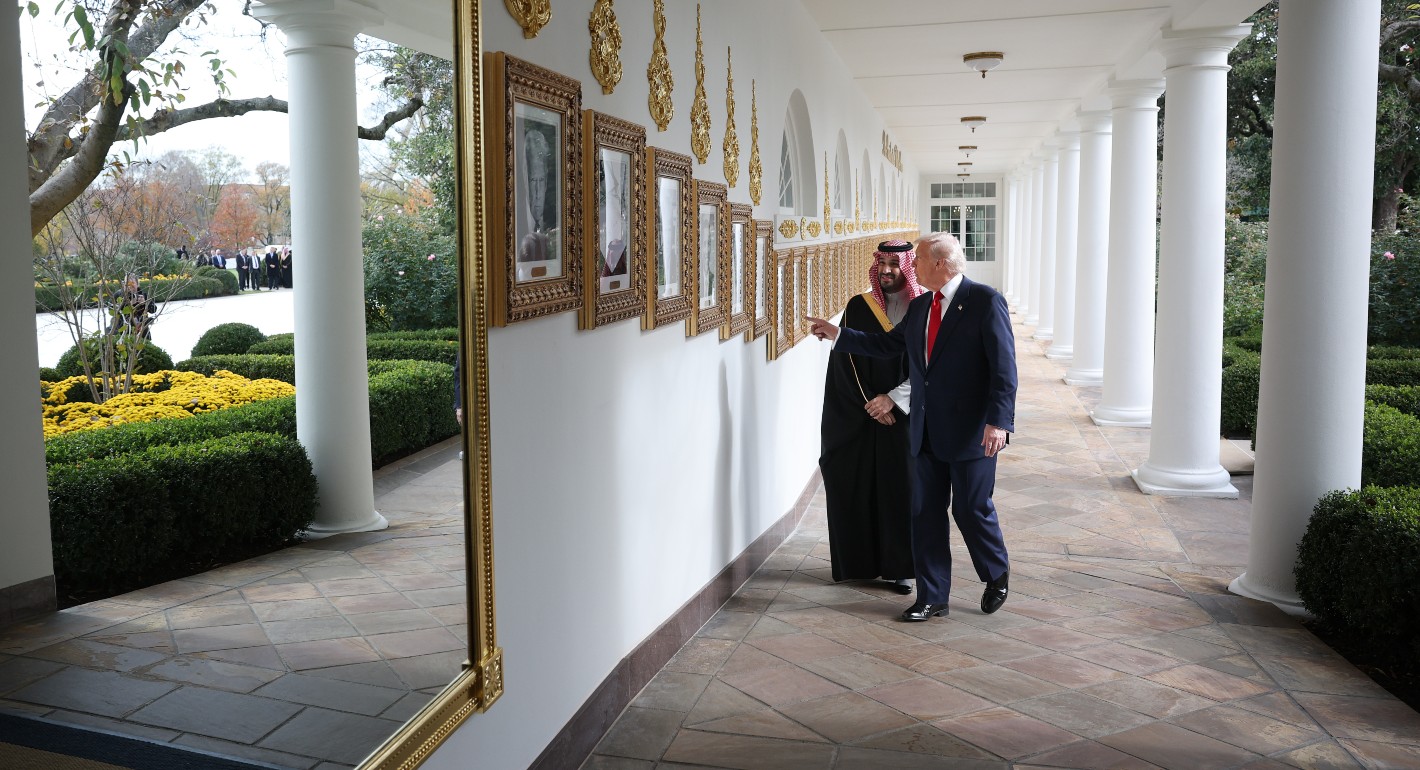
Neither the Abraham Accords nor the presence of large U.S. bases are enough to protect Arab Gulf states.

Marwan Muasher
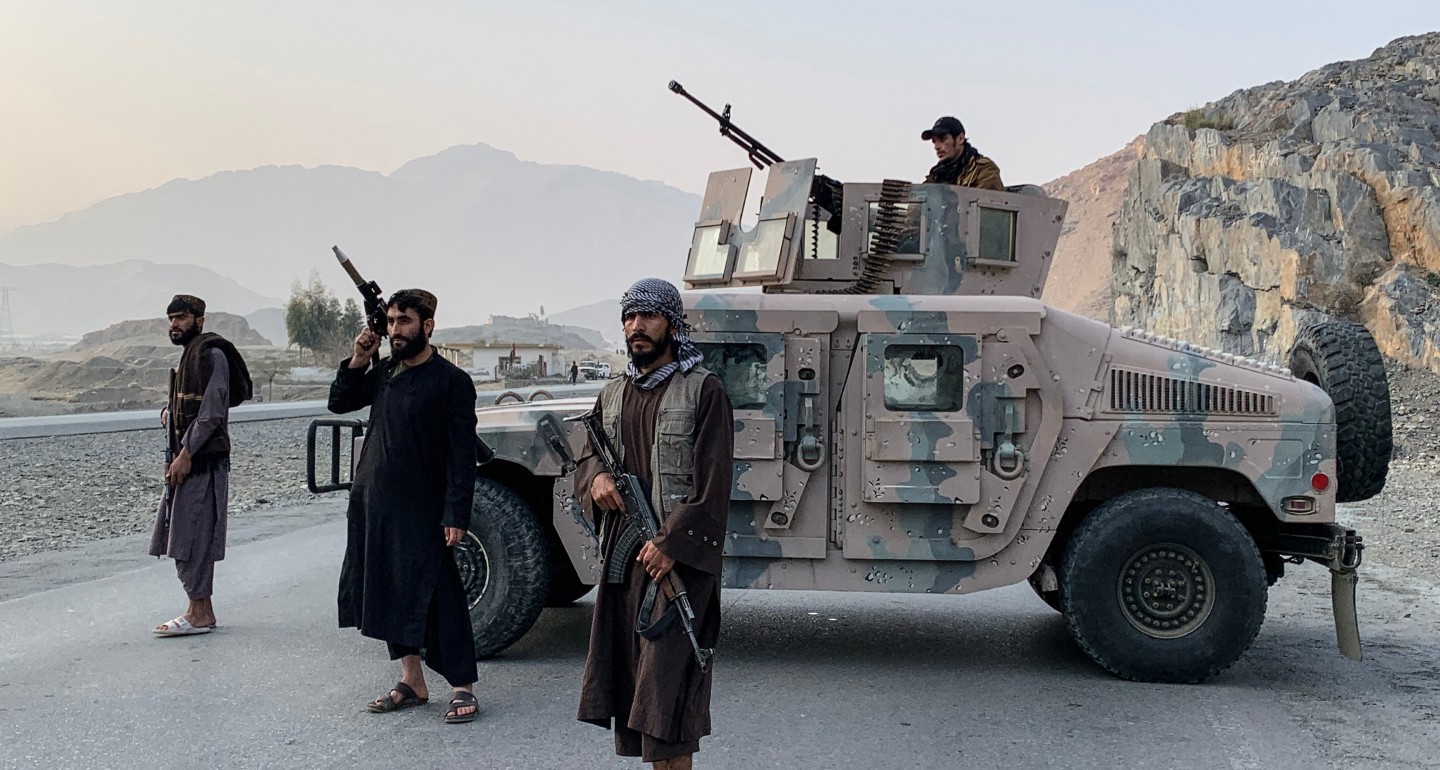
Not only does the fighting jeopardize regional security, it undermines Russian attempts to promote alternatives to the Western-dominated world order.

Ruslan Suleymanov
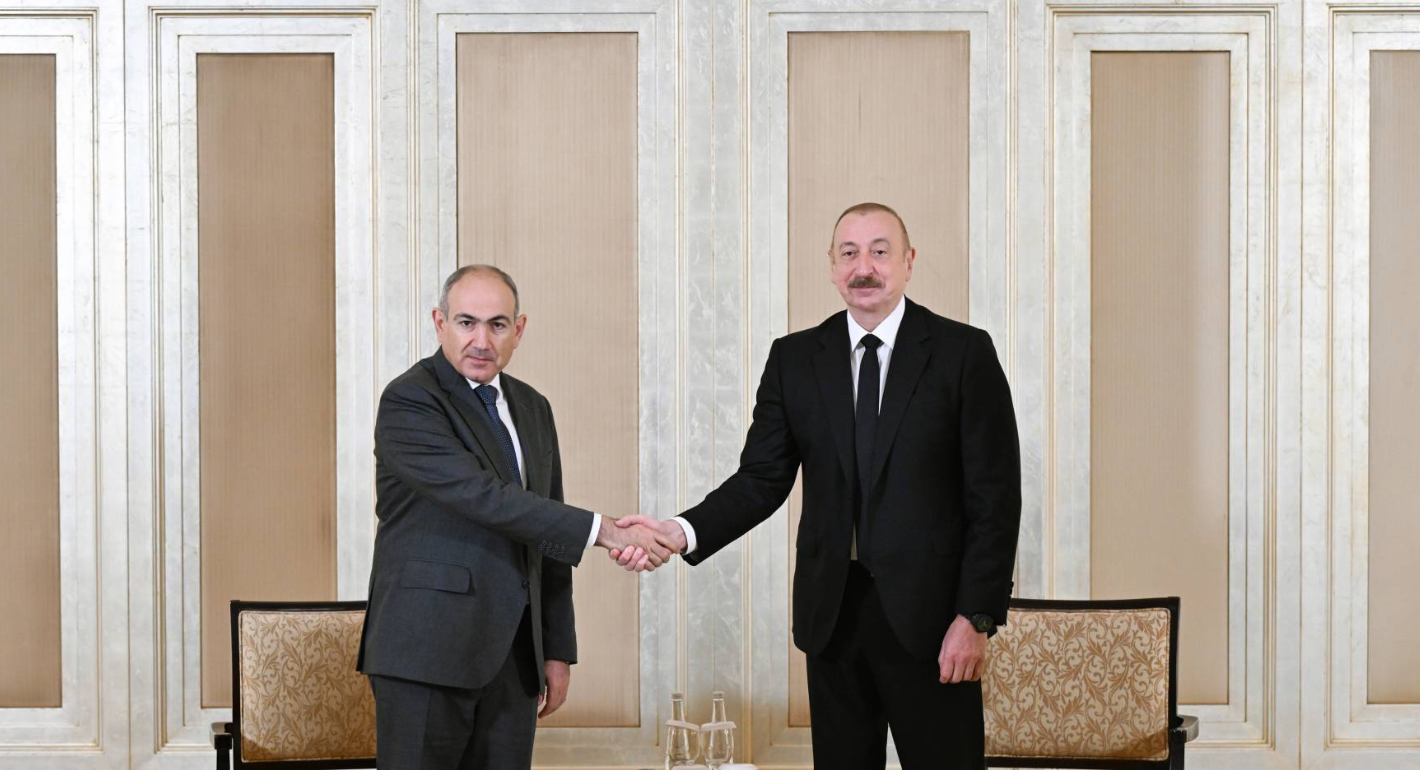
The U.S.-sponsored TRIPP deal is driving the Armenia-Azerbaijan peace process forward. But foreign and domestic hurdles remain before connectivity and economic interdependence can open up the South Caucasus.


Thomas de Waal, Areg Kochinyan, Zaur Shiriyev
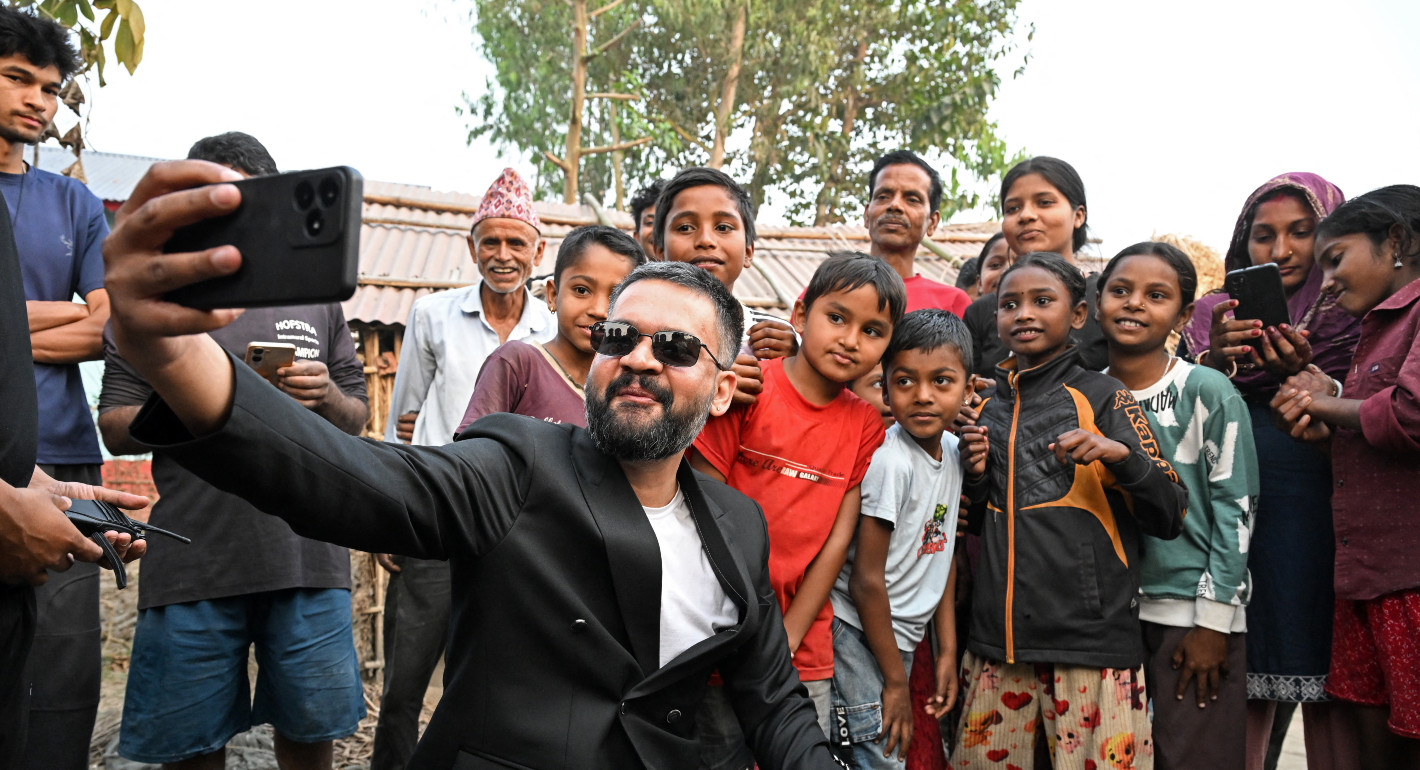
The incoming government has swept Nepal’s election. The real work begins now.
Amish Raj Mulmi