• Research
  • Emissary
  • About
  • Experts
Carnegie Global logoCarnegie lettermark logo
DemocracyIran
  • Donate
{
  "authors": [
    "Mark Hibbs"
  ],
  "type": "legacyinthemedia",
  "centerAffiliationAll": "dc",
  "centers": [
    "Carnegie Endowment for International Peace"
  ],
  "collections": [],
  "englishNewsletterAll": "ctw",
  "nonEnglishNewsletterAll": "",
  "primaryCenter": "Carnegie Endowment for International Peace",
  "programAffiliation": "NPP",
  "programs": [
    "Nuclear Policy"
  ],
  "projects": [],
  "regions": [
    "Western Europe",
    "Germany"
  ],
  "topics": [
    "Nuclear Policy",
    "Nuclear Energy"
  ]
}

Source: Getty

In The Media

A Future Without Nuclear Energy?

The recent nuclear disaster in Japan has many people re-thinking the risks and benefits of nuclear energy. Germany took a bold stance two weeks ago when it pledged to shut down its nuclear reactors by 2022.

Link Copied
By Mark Hibbs
Published on Jun 13, 2011
Program mobile hero image

Program

Nuclear Policy

The Nuclear Policy Program aims to reduce the risk of nuclear war. Our experts diagnose acute risks stemming from technical and geopolitical developments, generate pragmatic solutions, and use our global network to advance risk-reduction policies. Our work covers deterrence, disarmament, arms control, nonproliferation, and nuclear energy.

Learn More

Source: Wisconsin Public Radio

Speaking on Wisconsin Public Radio's Here on Earth, Carnegie's Mark Hibbs calls Germany's decision to shut down its nuclear plants by 2022 a "grand laboratory experiment." The recent nuclear disaster in Japan has many people re-thinking the risks and benefits of nuclear energy. Germany took a bold stance two weeks ago when it pledged to shut down its nuclear reactors by 2022. Hibbs explained the history surrounding Germany's decision and why the country has become anti-nuclear over the past half-century. 

About the Author

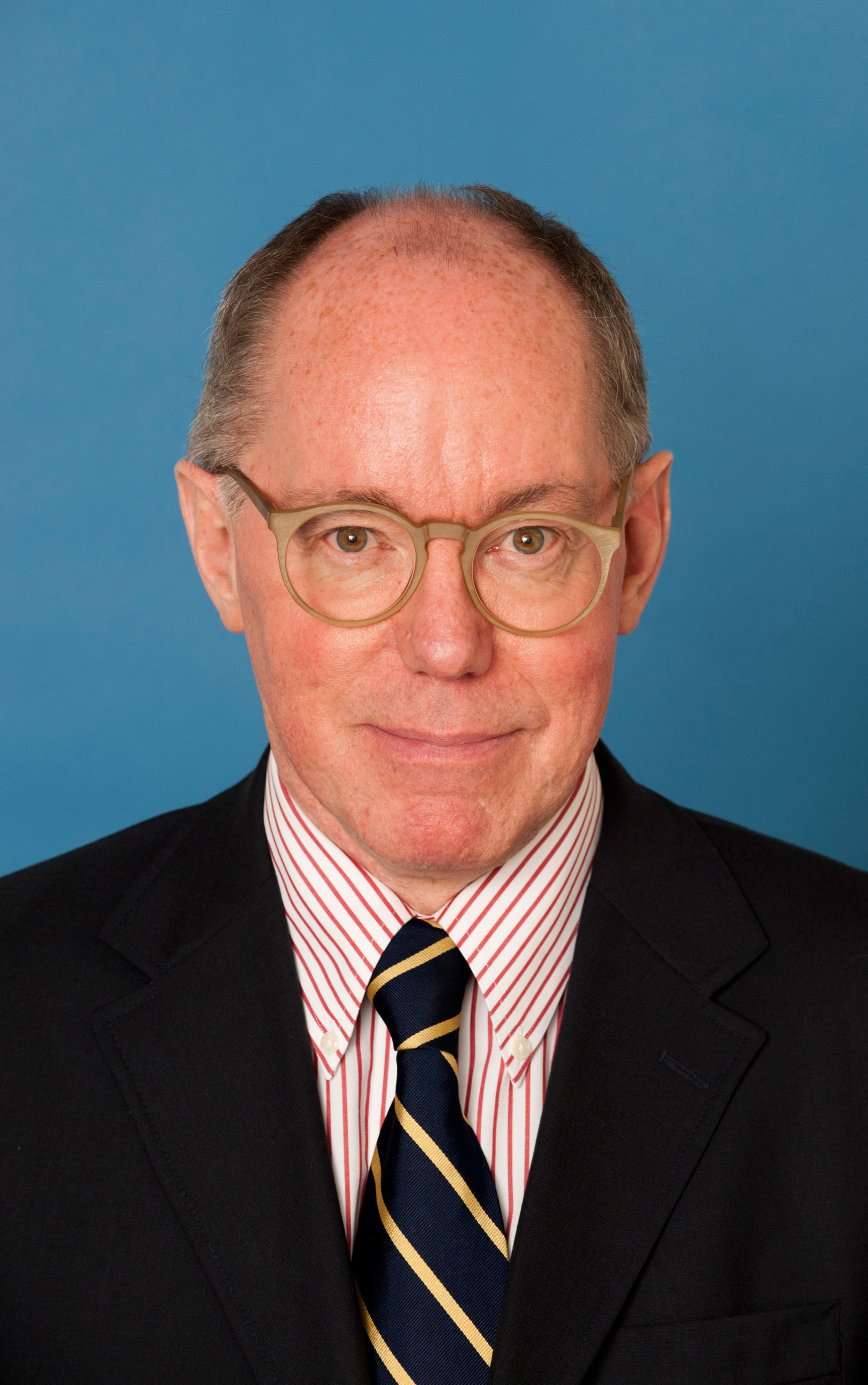
Mark Hibbs

Nonresident Senior Fellow, Nuclear Policy Program

Hibbs is a Germany-based nonresident senior fellow in Carnegie’s Nuclear Policy Program. His areas of expertise are nuclear verification and safeguards, multilateral nuclear trade policy, international nuclear cooperation, and nonproliferation arrangements.

    Recent Work

  • Article
    Dimming Prospects for U.S.-Russia Nonproliferation Cooperation
      • Nicole Grajewski Profile Picture
      • +1

      Toby Dalton, Mark Hibbs, Nicole Grajewski, …

  • Commentary
    What Comes After Russia’s Attack on a Ukrainian Nuclear Power Station?

      Mark Hibbs

Mark Hibbs
Nonresident Senior Fellow, Nuclear Policy Program
Mark Hibbs
Nuclear PolicyNuclear EnergyWestern EuropeGermany

Carnegie does not take institutional positions on public policy issues; the views represented herein are those of the author(s) and do not necessarily reflect the views of Carnegie, its staff, or its trustees.
More Work from Carnegie Endowment for International Peace

  • Commentary
    Strategic Europe
    Taking the Pulse: Is France’s New Nuclear Doctrine Ambitious Enough?

    French President Emmanuel Macron has unveiled his country’s new nuclear doctrine. Are the changes he has made enough to reassure France’s European partners in the current geopolitical context?

      • Rym Momtaz

      Rym Momtaz, ed.

  • Commentary
    Strategic Europe
    The EU Needs a Third Way in Iran

    European reactions to the war in Iran have lost sight of wider political dynamics. The EU must position itself for the next phase of the crisis without giving up on its principles.

      Richard Youngs
  • Commentary
    Strategic Europe
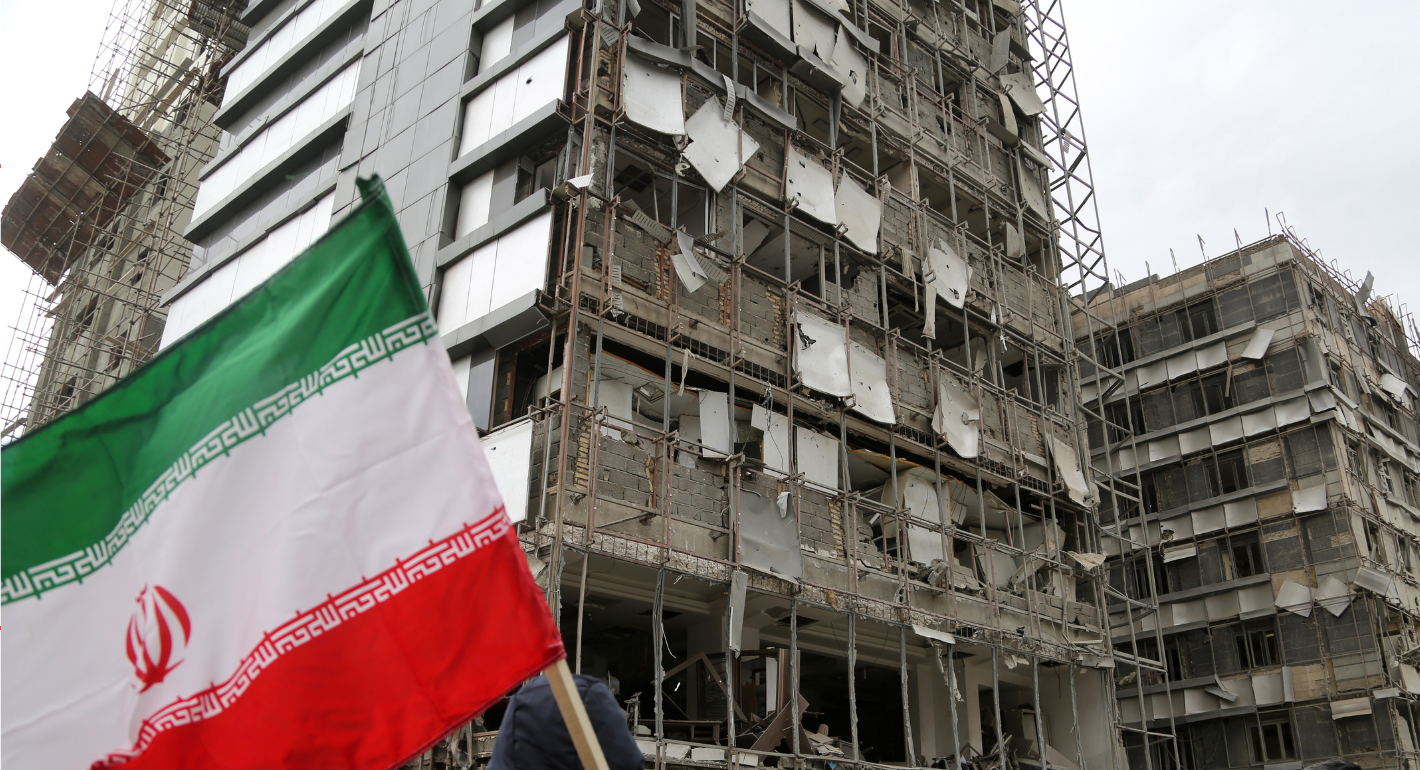
    Europe on Iran: Gone with the Wind

    Europe’s reaction to the war in Iran has been disunited and meek, a far cry from its previously leading role in diplomacy with Tehran. To avoid being condemned to the sidelines while escalation continues, Brussels needs to stand up for international law.

      Pierre Vimont
  • Commentary
    Strategic Europe
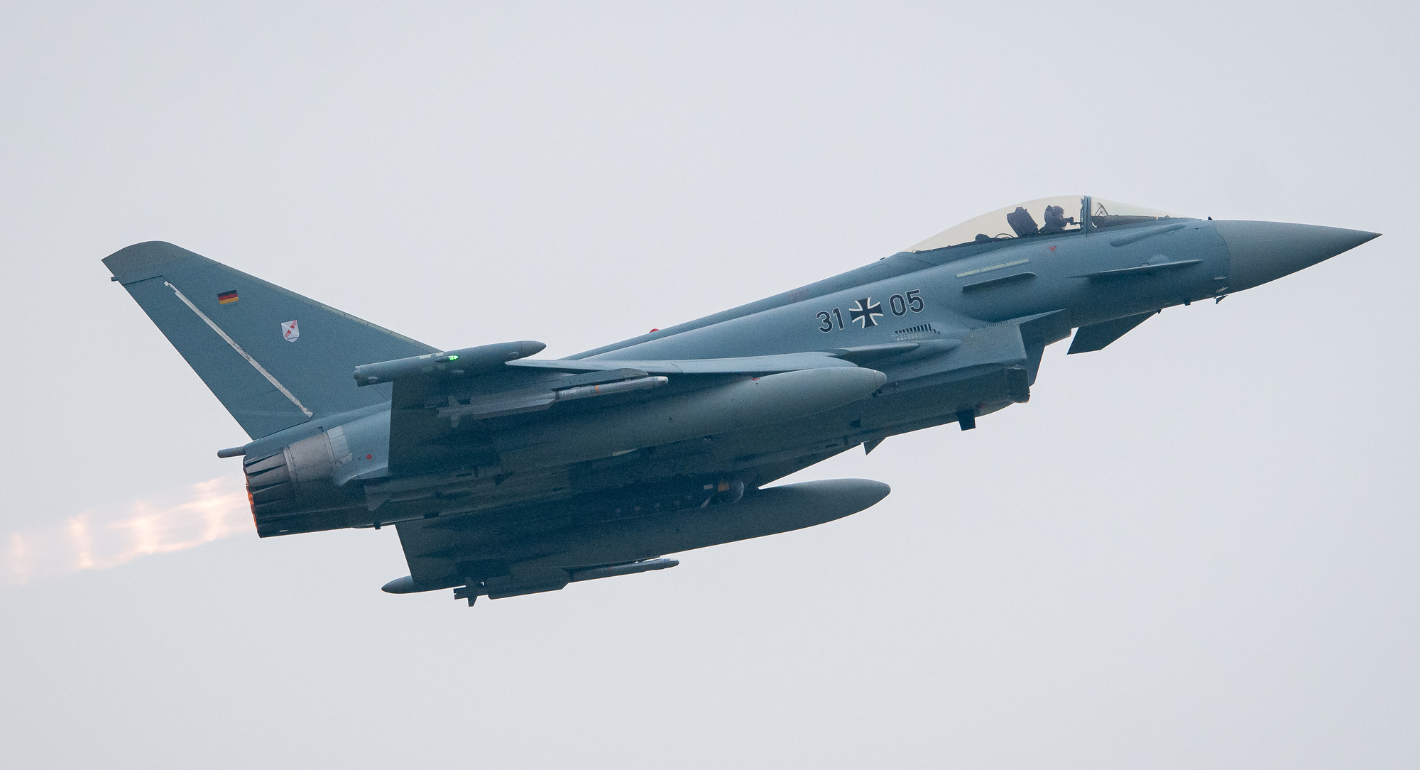
    Taking the Pulse: Can European Defense Survive the Death of FCAS?

    France and Germany’s failure to agree on the Future Combat Air System (FCAS) raises questions about European defense. Amid industrial rivalries and competing strategic cultures, what does the future of European military industrial projects look like?

      • Rym Momtaz

      Rym Momtaz, ed.

  • Nuclear power plant reactor construction
    Article
    Promoting Responsible Nuclear Energy Conduct: An Agenda for International Cooperation

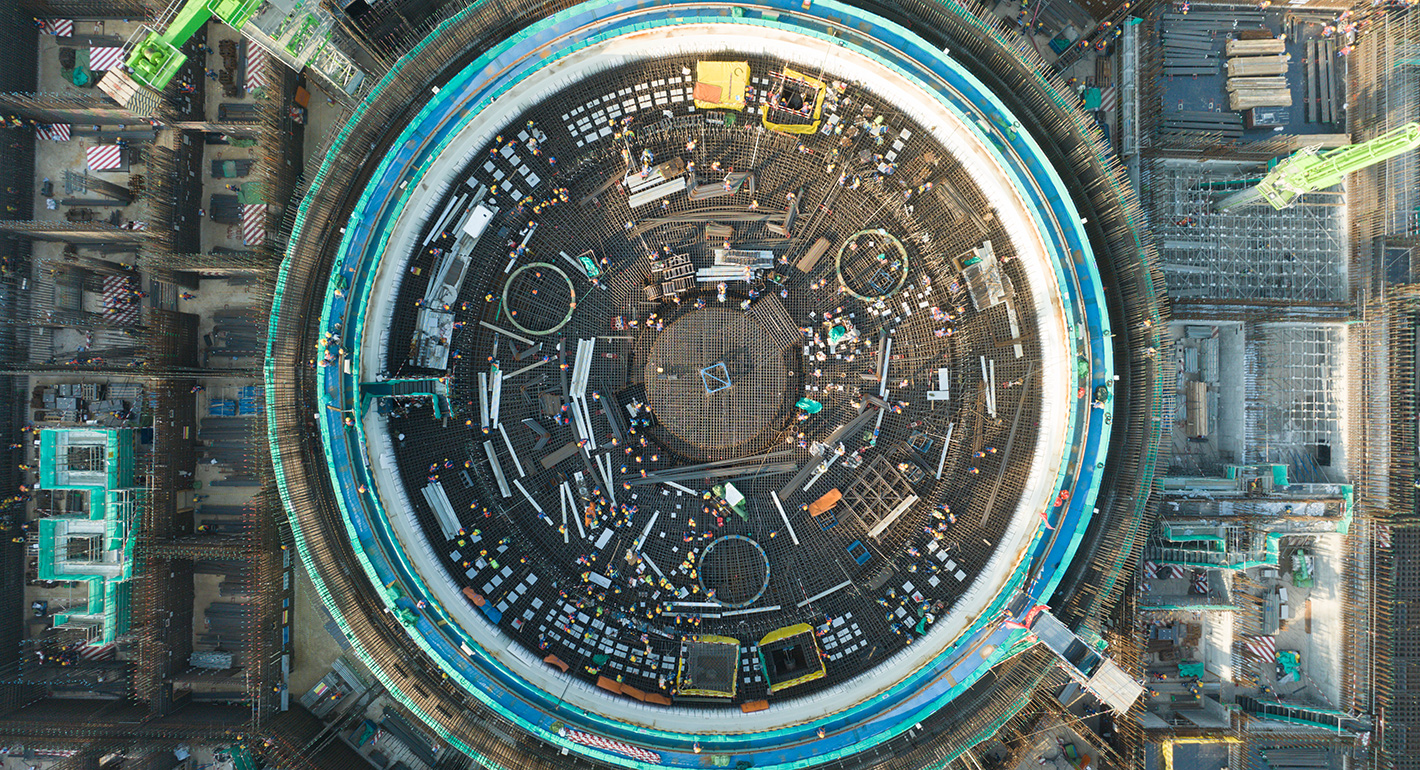
    These principles aim to codify core responsible practices and establish a common universal platform of high-level guidelines necessary to build trust that a nuclear energy resurgence can deliver its intended benefits.
      Ariel (Eli) Levite, Toby Dalton

Get more news and analysis from
Carnegie Endowment for International Peace
Carnegie global logo, stacked
1779 Massachusetts Avenue NWWashington, DC, 20036-2103Phone: 202 483 7600Fax: 202 483 1840
  • Research
  • Emissary
  • About
  • Experts
  • Donate
  • Programs
  • Events
  • Blogs
  • Podcasts
  • Contact
  • Annual Reports
  • Careers
  • Privacy
  • For Media
  • Government Resources
Get more news and analysis from
Carnegie Endowment for International Peace
© 2026 Carnegie Endowment for International Peace. All rights reserved.