• Research
  • Emissary
  • About
  • Experts
Carnegie Global logoCarnegie lettermark logo
DemocracyIran
  • Donate
{
  "authors": [
    "Martha Brill Olcott"
  ],
  "type": "testimony",
  "centerAffiliationAll": "dc",
  "centers": [
    "Carnegie Endowment for International Peace",
    "Carnegie Russia Eurasia Center"
  ],
  "collections": [],
  "englishNewsletterAll": "",
  "nonEnglishNewsletterAll": "",
  "primaryCenter": "Carnegie Endowment for International Peace",
  "programAffiliation": "russia",
  "programs": [
    "Russia and Eurasia"
  ],
  "projects": [
    "Eurasia in Transition"
  ],
  "regions": [
    "Central Asia",
    "Kyrgyz Republic"
  ],
  "topics": [
    "Security"
  ]
}

Source: Getty

Testimony

Addressing Ethnic Tension in Kyrgyzstan

The international community should focus on pressing the Kyrgyz government to respect the basic human rights of all their citizens and emphasize the importance of equality and accountability before the law.

Link Copied
By Martha Brill Olcott
Published on Jun 22, 2011
Program mobile hero image

Program

Russia and Eurasia

The Russia and Eurasia Program continues Carnegie’s long tradition of independent research on major political, societal, and security trends in and U.S. policy toward a region that has been upended by Russia’s war against Ukraine.  Leaders regularly turn to our work for clear-eyed, relevant analyses on the region to inform their policy decisions.

Learn More
Project hero Image

Project

Eurasia in Transition

Learn More

Source: June 22

The Independent International Commission of Inquiry recently issued its final report on last June’s clashes between ethnic Kyrgyz and ethnic Uzbeks. In testimony before the Helsinki Commission, Martha Olcott explains the local reaction to the report and the social and political implications for Kyrgyzstan.

U.S. Policy Recommendations:

  • Help ensure accountability: The United States should support efforts to identify, apprehend, and prosecute those responsible for last summer’s violence.
     
  • Urge equal protection under law: The United States should press the Kyrgyz government to guarantee the basic human rights of all its citizens, and to afford them the same opportunities regardless of ethnicity.
     
  • Stick to the basics:  The United States should emphasize a simple and universally applicable message of equality and accountability before the law and not dilute the primacy of this message by focusing on more controversial questions like renaming the country, or changing the constitutional status of minority languages, as the Independent Commission did.

Olcott concludes that the international community should focus on pressing the Kyrgyz government “to respect the basic human rights of all their citizens.” She argues that “this more limited approach might make us more effective in trying to ensure that peace prevails in Kyrgyzstan’s south. But there will be no guarantees.”
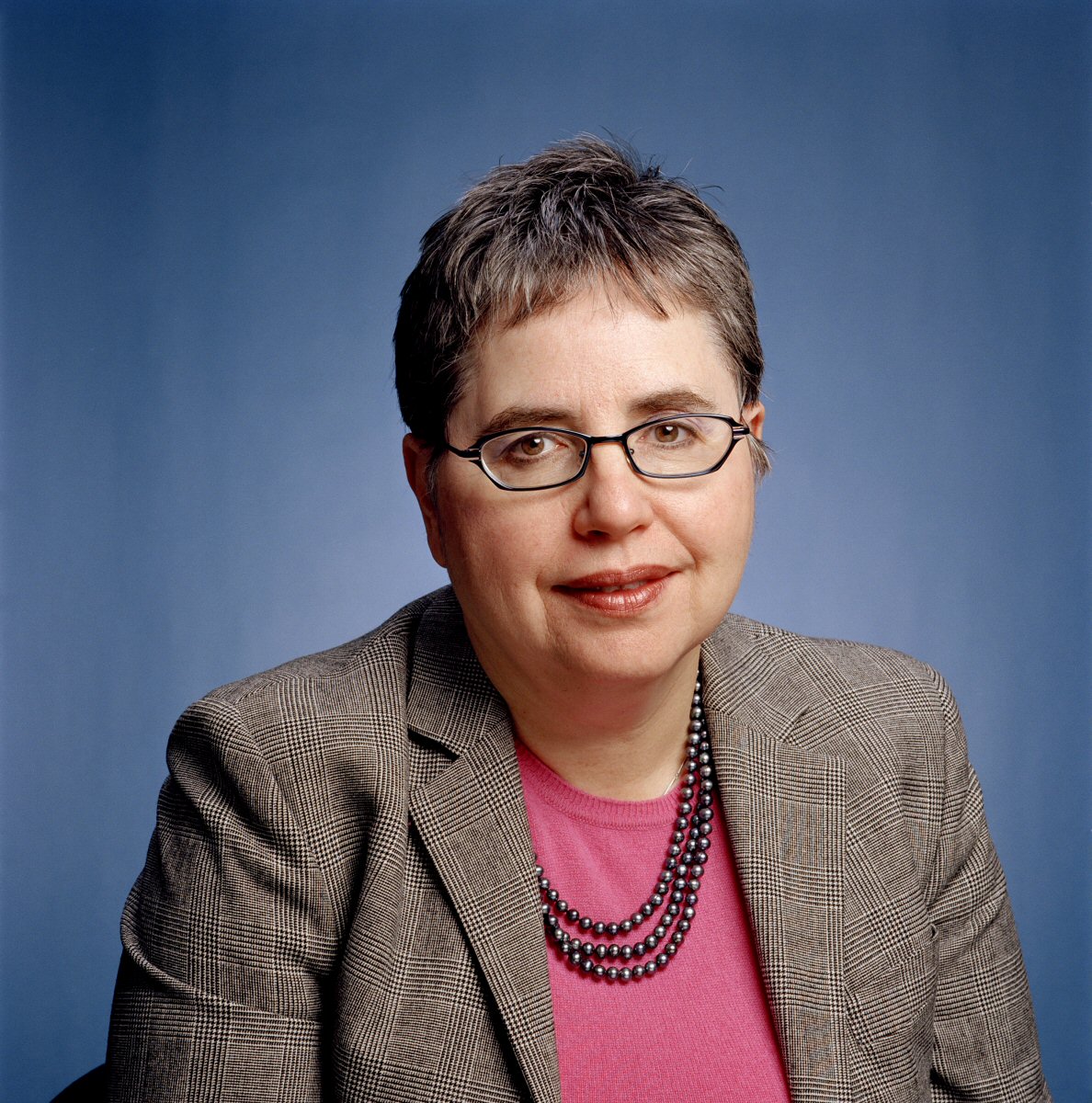
About the Author

Martha Brill Olcott

Former Senior Associate, Russia and Eurasia Program and, Co-director, al-Farabi Carnegie Program on Central Asia

Olcott is professor emerita at Colgate University, having taught political science there from 1974 to 2002. Prior to her work at the endowment, Olcott served as a special consultant to former secretary of state Lawrence Eagleburger.

    Recent Work

  • In The Media
    After Crimea: Will Kazakhstan be Next in Putin’s Reintegration Project?

      Martha Brill Olcott

  • Article
    China’s Unmatched Influence in Central Asia

      Martha Brill Olcott

Martha Brill Olcott
Former Senior Associate, Russia and Eurasia Program and, Co-director, al-Farabi Carnegie Program on Central Asia
Martha Brill Olcott
SecurityCentral AsiaKyrgyz Republic

Carnegie does not take institutional positions on public policy issues; the views represented herein are those of the author(s) and do not necessarily reflect the views of Carnegie, its staff, or its trustees.

More Work from Carnegie Endowment for International Peace

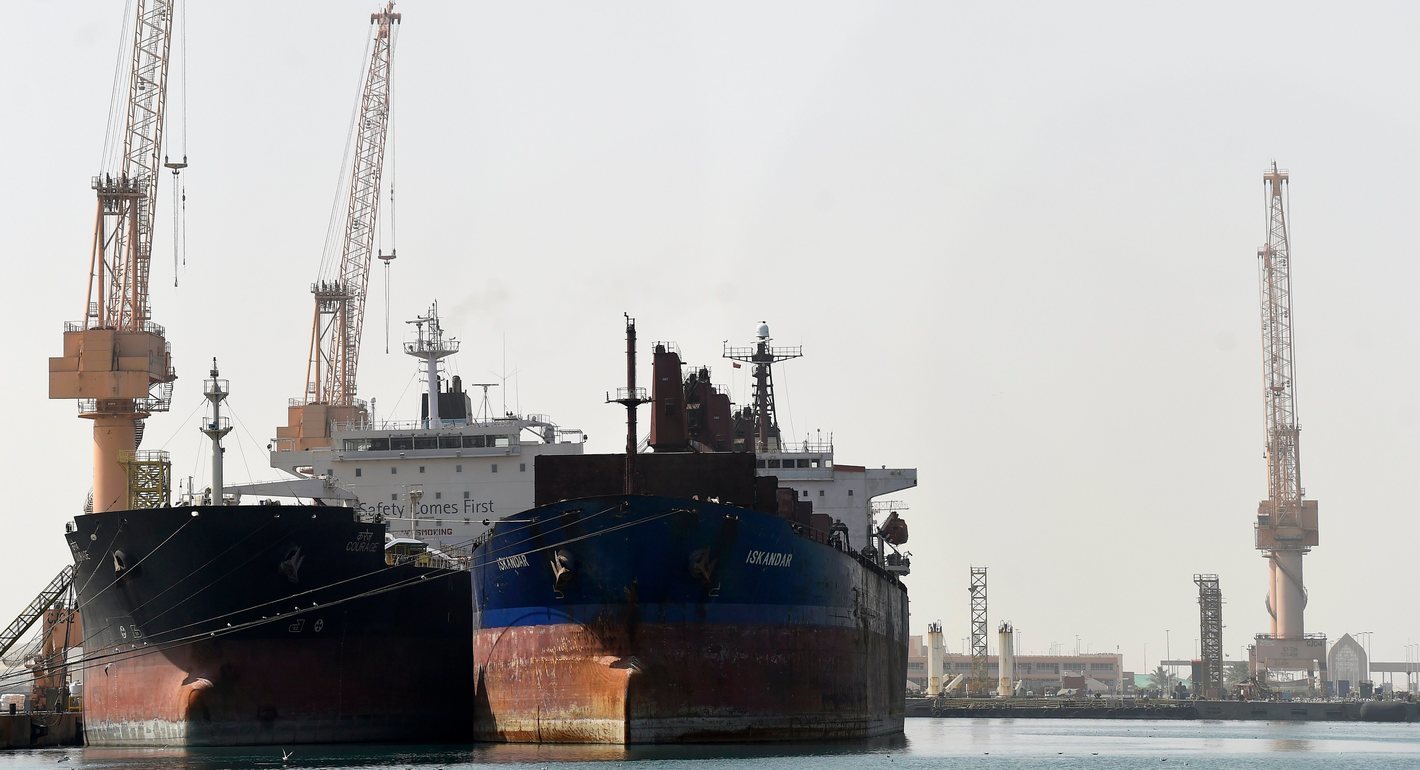
  • A boat, with smoke in the background
    Commentary
    Emissary
    The Gulf Monarchies Are Caught Between Iran’s Desperation and the U.S.’s Recklessness

    Only collective security can protect fragile economic models.

      • Andrew Leber

      Andrew Leber

  • Commentary
    Sada
    Duqm at the Crossroads: Oman’s Strategic Port and Its Role in Vision 2040

    In a volatile Middle East, the Omani port of Duqm offers stability, neutrality, and opportunity. Could this hidden port become the ultimate safe harbor for global trade?

      Giorgio Cafiero, Samuel Ramani
  • Commentary
    Strategic Europe
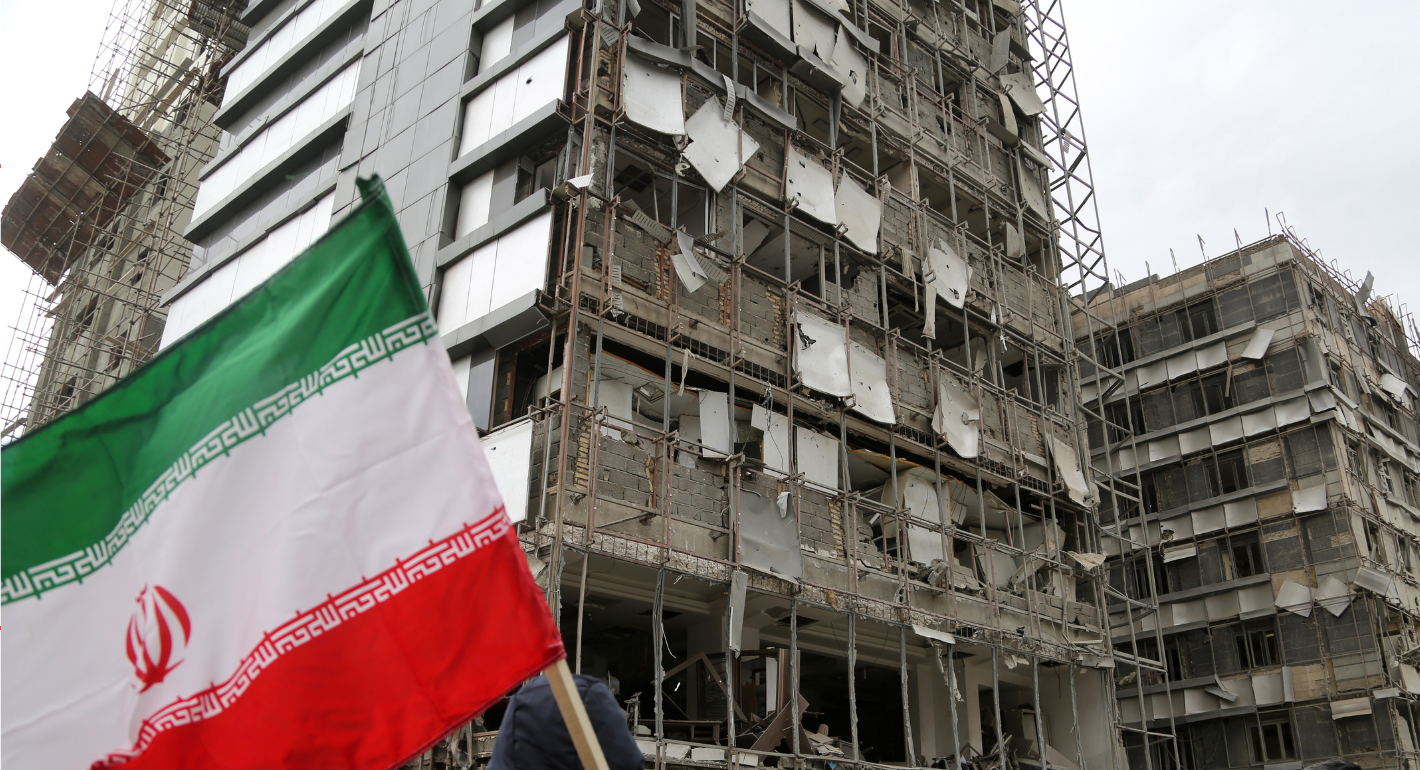
    Europe on Iran: Gone with the Wind

    Europe’s reaction to the war in Iran has been disunited and meek, a far cry from its previously leading role in diplomacy with Tehran. To avoid being condemned to the sidelines while escalation continues, Brussels needs to stand up for international law.

      Pierre Vimont
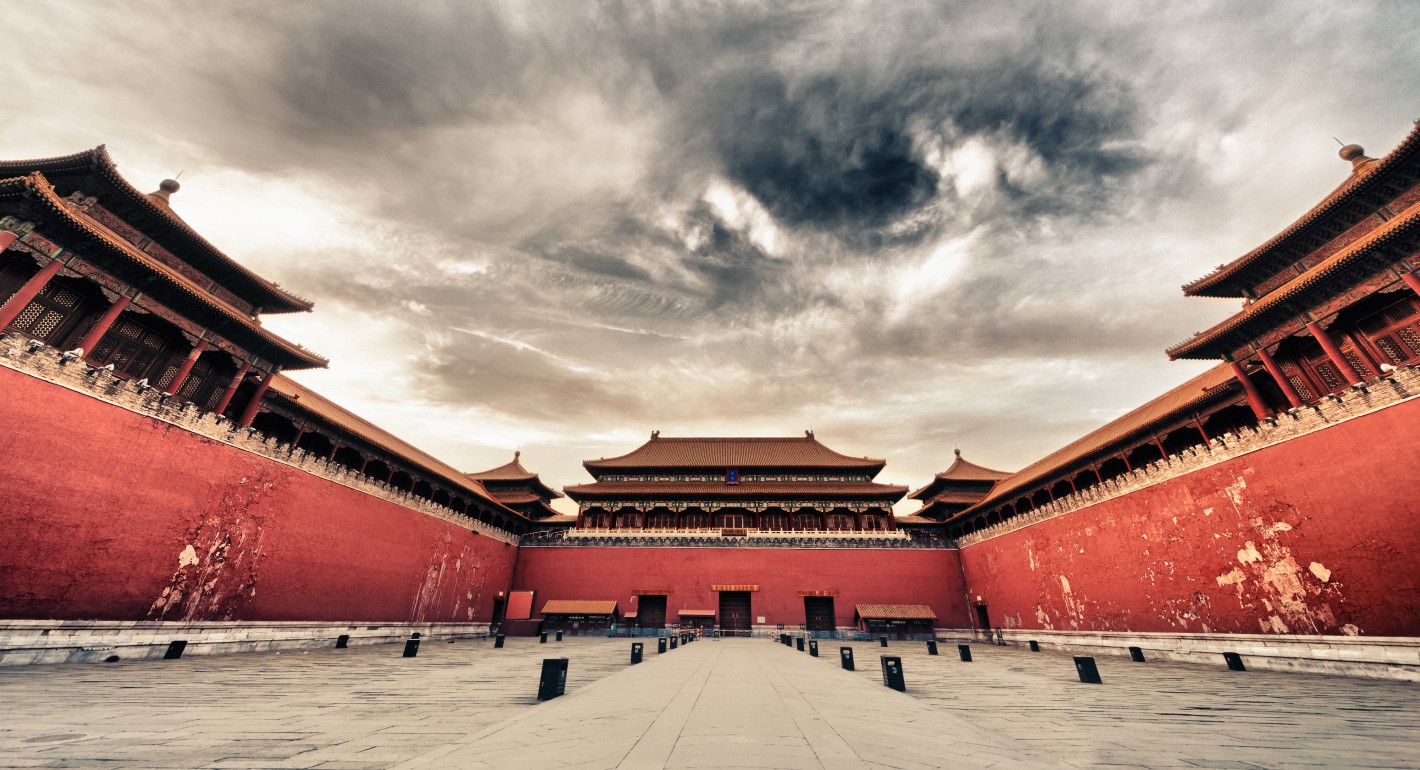
  • Forbidden City on a cloudy day
    Commentary
    Emissary
    Beijing Doesn’t Think Like Washington—and the Iran Conflict Shows Why

    Arguing that Chinese policy is hung on alliances—with imputations of obligation—misses the point. 

      Evan A. Feigenbaum
  • Commentary
    Carnegie Politika
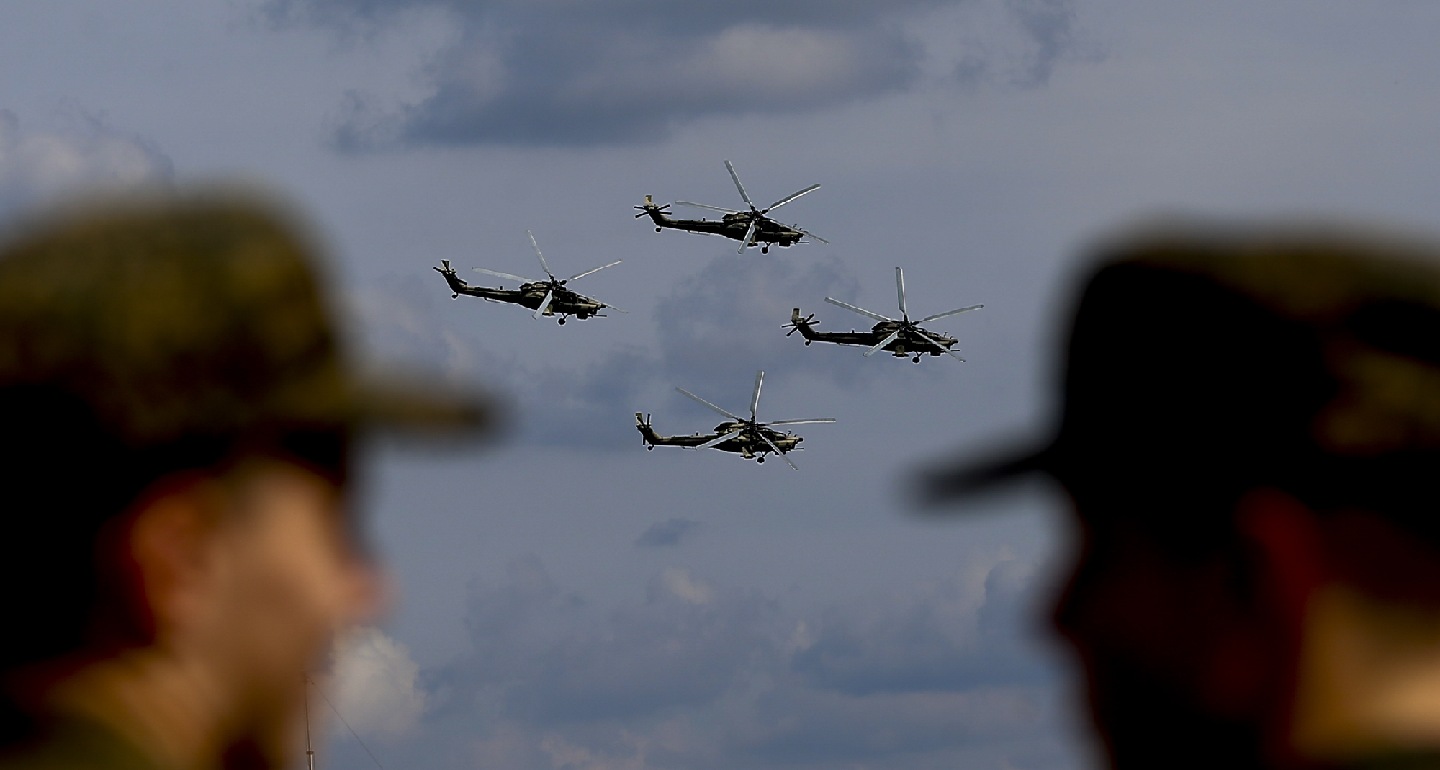
    How Far Can Russian Arms Help Iran?

    Arms supplies from Russia to Iran will not only continue, but could grow significantly if Russia gets the opportunity.

      Nikita Smagin

Get more news and analysis from
Carnegie Endowment for International Peace
Carnegie global logo, stacked
1779 Massachusetts Avenue NWWashington, DC, 20036-2103Phone: 202 483 7600Fax: 202 483 1840
  • Research
  • Emissary
  • About
  • Experts
  • Donate
  • Programs
  • Events
  • Blogs
  • Podcasts
  • Contact
  • Annual Reports
  • Careers
  • Privacy
  • For Media
  • Government Resources
Get more news and analysis from
Carnegie Endowment for International Peace
© 2026 Carnegie Endowment for International Peace. All rights reserved.