

Commentary
Michael Pettis
{
  "authors": [
    "Michael Pettis"
  ],
  "type": "legacyinthemedia",
  "centerAffiliationAll": "",
  "centers": [
    "Carnegie Endowment for International Peace",
    "Carnegie Europe"
  ],
  "collections": [],
  "englishNewsletterAll": "",
  "nonEnglishNewsletterAll": "",
  "primaryCenter": "Carnegie Endowment for International Peace",
  "programAffiliation": "",
  "programs": [],
  "projects": [],
  "regions": [
    "Eastern Europe",
    "Western Europe",
    "Europe",
    "North America"
  ],
  "topics": [
    "Economy"
  ]
}
Source: Getty
International and regional financial institutions need to work together to negotiate a plan to reduce Greece's debt load if they wish to recoup any of their losses and prevent Greece's long-term stagnation.
Source: The Economist

Greece is insolvent and the only meaningful discussion is about who is going to pay. Workers can pay through many years of high unemployment as wages are forced down, small businessmen can pay through rising taxes and confiscation, creditors can pay, or the government can pay by privatizing assets and using the proceeds to reduce the debt burden. Unfortunately the only solution that does not result in many years of wealth destruction and economic stagnation is to get debt levels down immediately, and the only way to do this is to force Greek creditors into accepting a massive haircut on their obligations, perhaps with the chance to regain their losses when the Greek economy recovers.
The IMF, the ECB and the EC should be putting together a plan to reduce debt immediately. The longer this drags on, the worse will be Greece’s ability to pay even part of the debt and the more politically unstable Greek politics.

Nonresident Senior Fellow, Carnegie China
Michael Pettis is a nonresident senior fellow at the Carnegie Endowment for International Peace. An expert on China’s economy, Pettis is professor of finance at Peking University’s Guanghua School of Management, where he specializes in Chinese financial markets.
Recent Work
Michael Pettis
Michael Pettis
Carnegie does not take institutional positions on public policy issues; the views represented herein are those of the author(s) and do not necessarily reflect the views of Carnegie, its staff, or its trustees.

A summer of escalation in the Black Sea has hurt Ukraine economically and is exacerbating world food security. A truce is needed—as is a broader reframing of Europe’s Ukraine strategy.

Thomas de Waal

If the Russian-speaking community in Latvia cannot articulate their interests without being seen as disloyal, they could end up embracing a pro-Kremlin agenda.

Sergejs Potapkins

Are Germany’s economic, industrial, and political struggles becoming a liability for the EU’s ability to rise to the geopolitical moment?

Rym Momtaz, ed.

The Bureau of Industry and Security needs to adjust its focus and practices to maintain its position as the U.S. government’s primary champion of international technological competition.

Geoffrey Irving
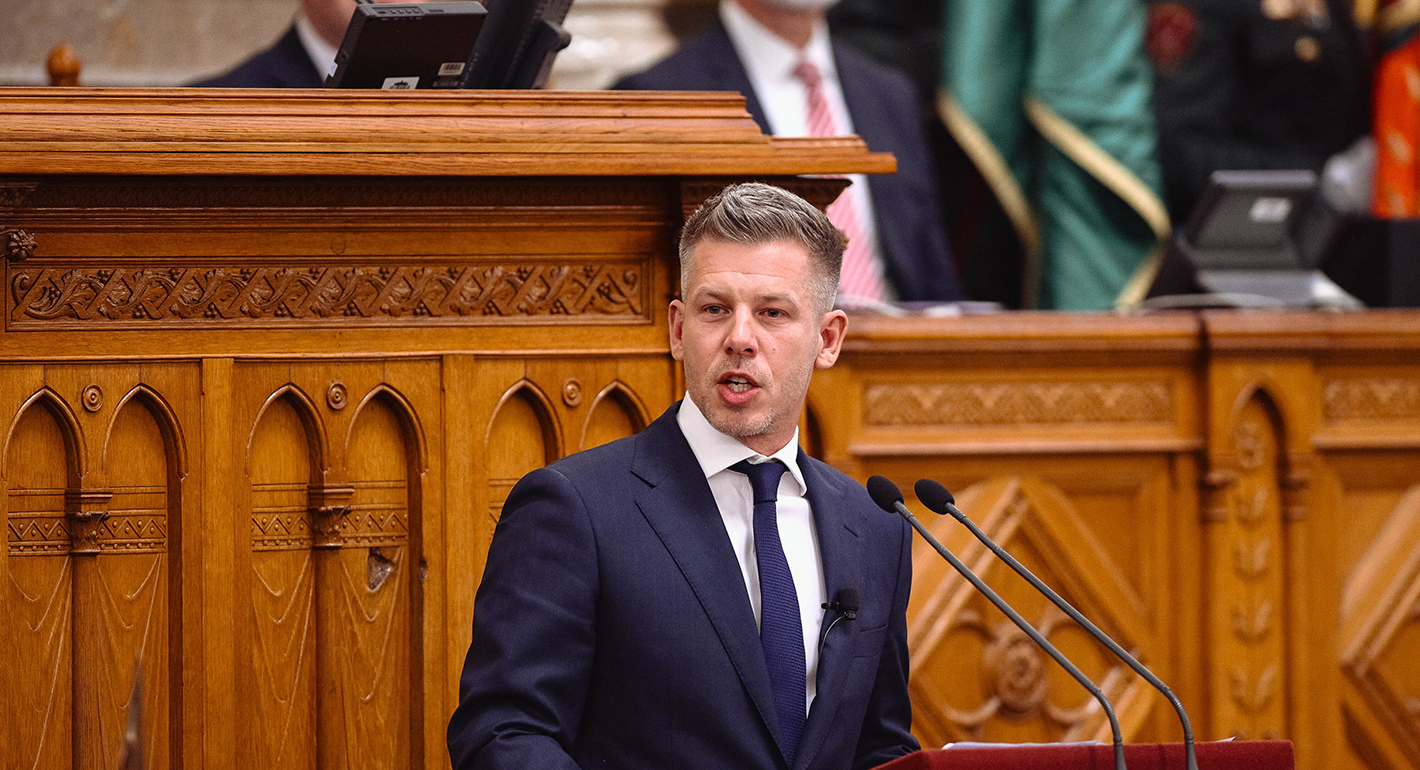
Despite myriad challenges and occasional stumbles, the new Hungarian government is moving ahead with energy and conviction to uproot years of illiberalism and corruption and rebuild Hungarian democracy.

Thomas Carothers