

Commentary
Dmitri Trenin
{
  "authors": [
    "Dmitri Trenin"
  ],
  "type": "legacyinthemedia",
  "centerAffiliationAll": "",
  "centers": [
    "Carnegie Endowment for International Peace",
    "Carnegie Russia Eurasia Center"
  ],
  "collections": [],
  "englishNewsletterAll": "",
  "nonEnglishNewsletterAll": "",
  "primaryCenter": "Carnegie Russia Eurasia Center",
  "programAffiliation": "",
  "programs": [],
  "projects": [],
  "regions": [
    "Caucasus",
    "Russia"
  ],
  "topics": [
    "Political Reform"
  ]
}
Source: Getty
Twenty years after the end of the Soviet Union, Russia lacks a responsible and accountable government and is missing a shared sense of nationhood.
Source: The Moscow Times

For most in Europe and the United States, 1991 takes a back seat to the fall of the Berlin Wall. This clearly demonstrates that what mattered to the West, then and now, was the reunification of Europe and of Germany within it. The fate of the Soviet Union itself was not an issue in the Cold War. The sudden collapse of the Soviet empire had to be managed and made permanent, but anything beyond that was deemed too difficult — and, frankly, unnecessary.
For non-Russians, August 1991 was a prologue to the end of the Soviet Union. Following the collapse of the coup in Moscow, most Soviet republics, from Ukraine to Uzbekistan, proclaimed their independence. The unthinkable became inevitable. Nations that had issued their proclamations earlier, such as in the Baltic states or the Caucasus republics, could now enjoy independence. In Russia itself, the duality of power was broken, and Boris Yeltsin triumphed over Soviet leader Mikhail Gorbachev. More important, the Communist ideology and the Communist Party were dethroned for good.
This is the principal meaning of August 1991. It marks the watershed between Soviet Russia and the present-day Russian Federation. Unlike its Communist predecessor, today’s Russia is essentially free. Russians enjoy most civil rights. They are free to speak out, to practice the religions they choose, to leave their country and return home. They can own property, engage in business, and keep their money in the currency and place of their choice.
This freedom has important caveats. Not everyone has the means to fully enjoy it. Russians are quite free in their private domains, but the public space is not hospitable for most people. Thus, Russia, while demonstrably free, is anything but a democracy. Undivided power is owned by a small corporation. Democratic procedure is imitated rather than practiced. The parliament is a rubber stamp, and the courts of law bow to the authorities.
The Russian Federation 1.0, however, is not your typical authoritarian regime. It is authoritarianism with the consent of the governed. For the time being, most of those holed up in their private domains simply do not want to be bothered and are content to leave governing to the authorities. Many are also dependent on these authorities for various social handouts. The government feels virtually no need to tax individuals and thus no need to be accountable to them. For those who want to know what is going on, and comment on it, the Internet is free. For those who find such a life unbearable or unworthy, the borders are open.
Yet, we have also seen cracks in these freedoms. Look more closely, and what looks like an all-powerful state machine is in reality privatized, parceled out to office holders and their clans at all levels. Most people call it corruption, but the word is too weak. Corruption is not a bug in the system; it is its debilitating disease. The state has failed to keep kickbacks and extortions within the limits that those outside the system would find tolerable. If the current trend continues, the system will eventually lose its legitimacy. If this happens, the governed will withdraw their consent in Russia’s warped “social contract,” and what passes for social and political stability will be gone.
But the death of Soviet communism in August 1991, in some sense, transported Russia back to the pre-revolutionary days. There are a few important lessons to be drawn from 100 years ago. Much like during the Russian Empire, Russia today has a monarchy of sorts, and it has capitalism without democracy. What’s more, the State Duma functions with little independent power. There is a poignant plea from the top for “20 years of peace and quiet,” but also distinct grumbling from below and a sense that troubled times are on the horizon. Like then, there is still time to do one’s best to avert the worst.
To the would-be successors of Pyotr Stolypin, building cyber walls against future revolutionary mobs or engaging football fans to win elections is a weak and flawed strategy. The Kremlin needs to focus on growth, development and governance. None of this is possible without tackling corruption at the very top. Once the sobriquet of “the party of swindlers and thieves” is transferred to its nominal leader, it will be too late. Honesty and professionalism is crucial.
To the would-be detractors of the ruling elite, believing that “the worse, the better” and hoping to see the dawn of a brave new world once the books close on the existing one is both naive and dangerous. Rather than creating a small-time nuisance for the authorities, they need to clamor to be part of the decision-making processes and press for their representation. Their slogan could be: “Turning Consumers Into Citizens!”
To those who still reject 1991 — either because it destroyed communism or led to the dismantlement of the Soviet empire — it is time to accept the verdict of history as final and redefine their beliefs and goals. There is a place in Russia for both social democracy and vibrant civic nationalism. Indeed, both are sorely missing and should be welcomed.
Twenty years after August 1991, what is missing in Russia is a sense of being a nation. Putting a premium on survival or self-enrichment may have been the right strategy in the last two decades, but this strategy has now run its course. There is a price to be paid when society lacks a responsible and accountable government — from unkempt, stinking stairwells to sinking pleasure boats.
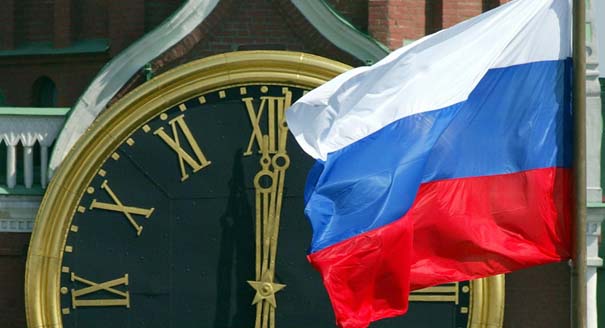
We need a new debate on nation-building. There is only one Russia, and it can be either shared or divided. A Soviet Russia is a clear anachronism, United Russia is a status quo model and offers little in terms of modernizing the country, and a liberal Russia is a pipe dream. If Russia remains divided, it may not survive much longer. Conservatives, liberals, socialists and others need to come together as one nation under one flag. Symbolically, the parade of the victorious Russian tricolor marking the defeat of the August putsch has become an official national holiday — Flag Day on Aug. 22.
What Russia needs, 20 years after the putsch, is a republic in the literal sense of the word: a common concern.
Former Director, Carnegie Moscow Center
Trenin was director of the Carnegie Moscow Center from 2008 to early 2022.
Recent Work
Dmitri Trenin
Dmitri Trenin
Carnegie does not take institutional positions on public policy issues; the views represented herein are those of the author(s) and do not necessarily reflect the views of Carnegie, its staff, or its trustees.
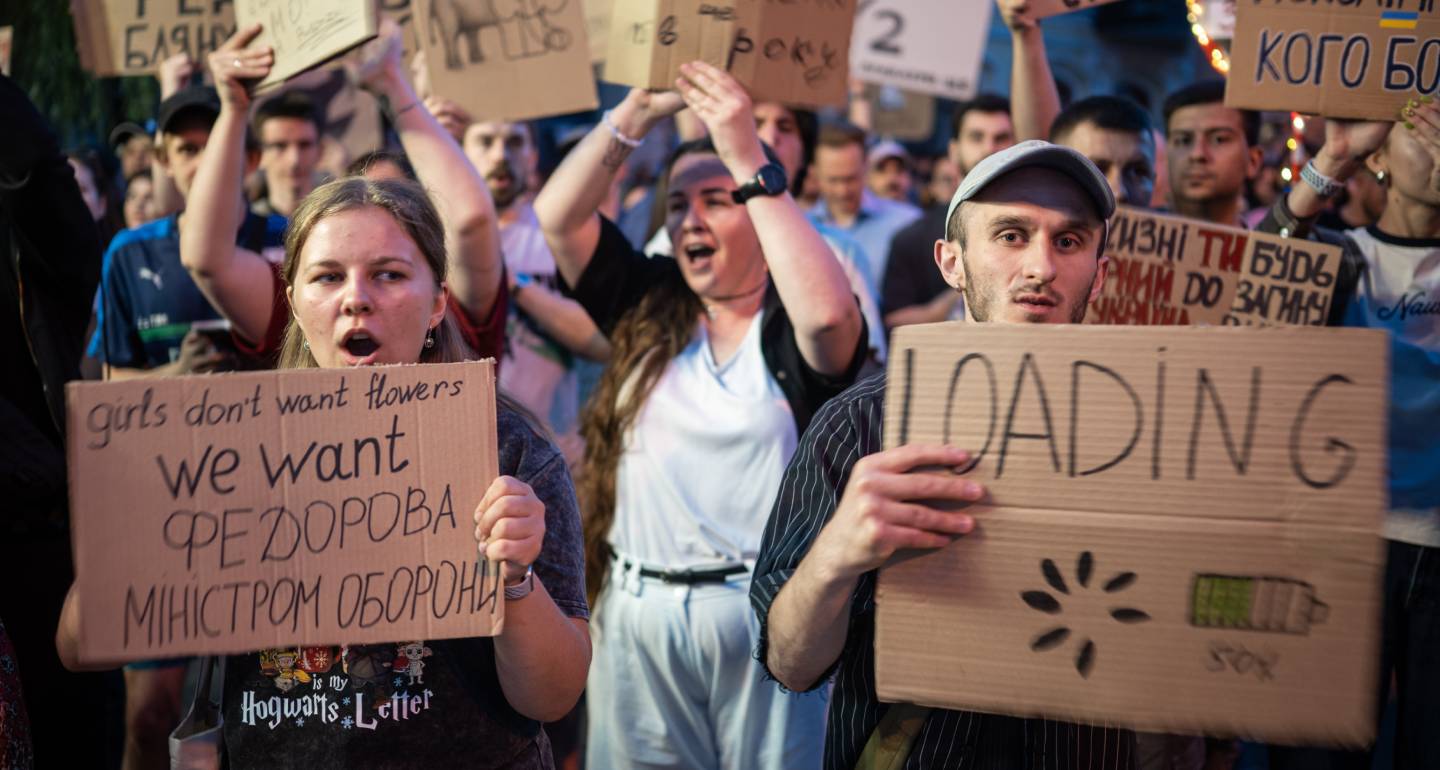
With his public call for new elections in Ukraine, ex-defense minister Mykhailo Fedorov has opened Pandora’s box.

Konstantin Skorkin
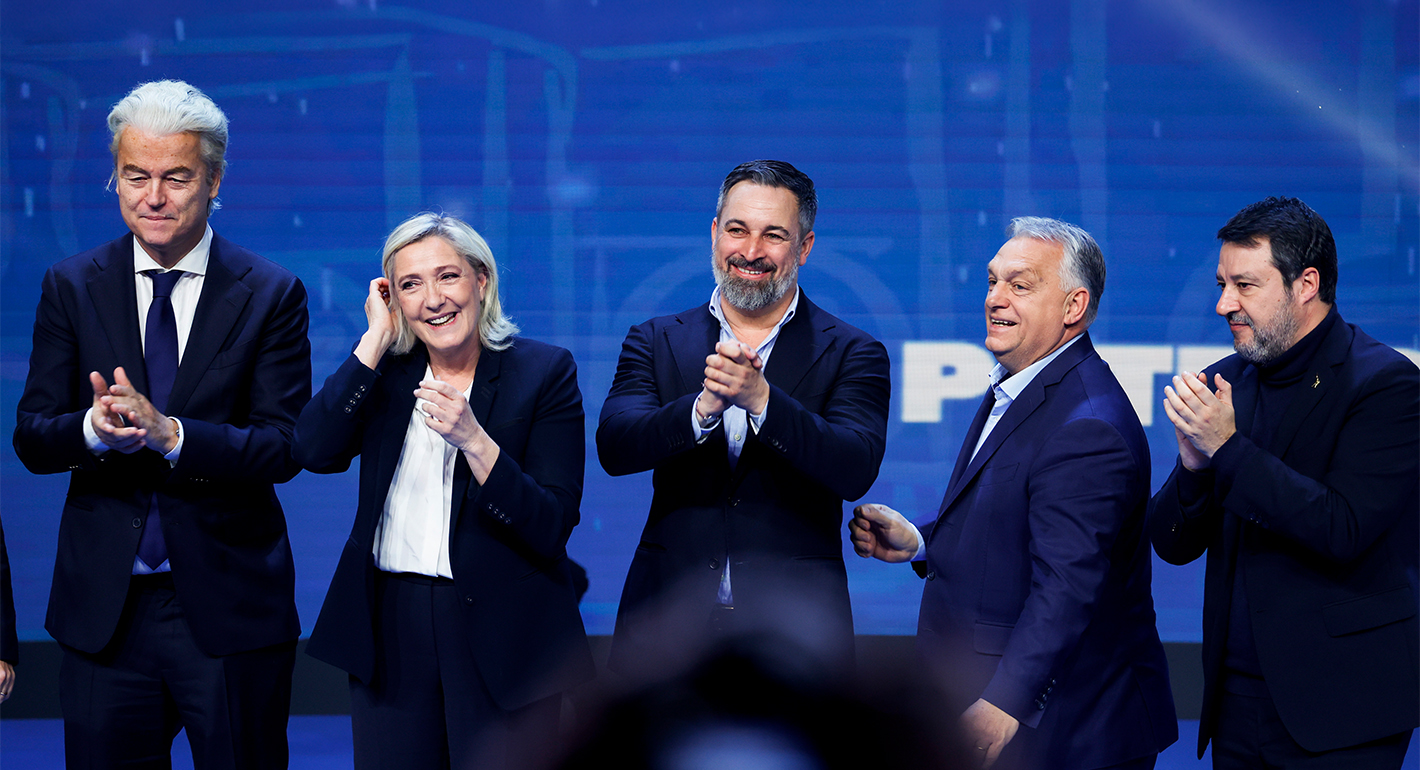
In supporting Europe’s far-right, MAGA and Russia both want the same thing: a weaker EU. Europe must defend itself without abandoning the openness these forces exploit.

Armida van Rij
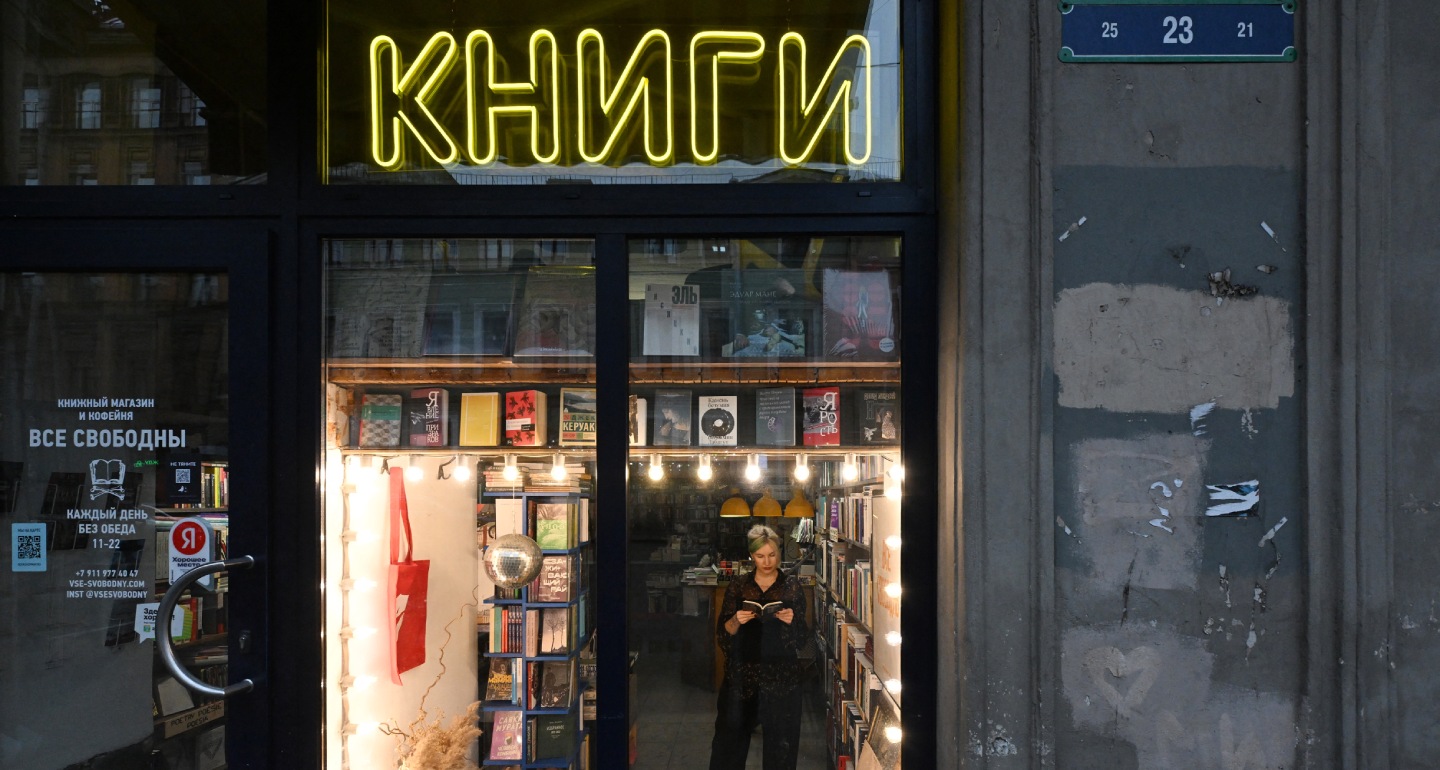
Political pressure and economic headwinds are closely intertwined problems for Russian publishers and booksellers. Together, they risk propelling Russia into a “post-literate” era.
Galina Yuzefovich
In the discussions made possible by the State Duma election campaign, one question is being asked more and more loudly. “What next?”

Andrey Pertsev
While the Nazis rushed ahead in a revolutionary fervor, Russia’s modern crusaders against enemies of the state work methodically, giving their targets time to adjust to restrictions before closing the loopholes.

Leonid Bershidsky