

Paper
Ashley J. Tellis
{
  "authors": [
    "Ashley J. Tellis"
  ],
  "type": "other",
  "centerAffiliationAll": "dc",
  "centers": [
    "Carnegie Endowment for International Peace"
  ],
  "collections": [],
  "englishNewsletterAll": "ctw",
  "nonEnglishNewsletterAll": "",
  "primaryCenter": "Carnegie Endowment for International Peace",
  "programAffiliation": "SAP",
  "programs": [
    "South Asia"
  ],
  "projects": [],
  "regions": [
    "North America",
    "United States",
    "South Asia",
    "India",
    "East Asia",
    "China"
  ],
  "topics": [
    "Security",
    "Military",
    "Foreign Policy"
  ]
}
REQUIRED IMAGE
The Indian Ocean is an increasingly vital geopolitical space for U.S. interests, and American policymakers take it into account when formulating a U.S. grand strategy.
Source: Presentation at the National Maritime Foundation

Let me start by saying a few words about the goals of U.S. grand strategy, because that is really the backdrop within which everything that I say about the Indian Ocean must be taken into account. As a given, the natural object of any country’s grand strategy is the protection of its homeland. Beyond that, however, I would argue that since World War II, U.S. grand strategy has had three basic goals. The first is to prevent external hegemonic control over critical geopolitical areas of the world, and to prevent the rise of other threats to the global commons. The second goal is to expand the liberal political order internationally. Finally, the third goal is to sustain an open economic regime. Everything that the United States has done since the end of World War II can easily be fitted into a matrix that has taken its importance and its bearings at various points from one or more of these three goals. These fundamental goals have not changed, and they are unlikely to change in the future.
Former Senior Fellow
Ashley J. Tellis was a senior fellow at the Carnegie Endowment for International Peace.
Recent Work
Ashley J. Tellis
Ashley J. Tellis
Carnegie does not take institutional positions on public policy issues; the views represented herein are those of the author(s) and do not necessarily reflect the views of Carnegie, its staff, or its trustees.

In an interview, former ambassador Charles Freeman assesses the Trump administration’s war against Iran.

Michael Young
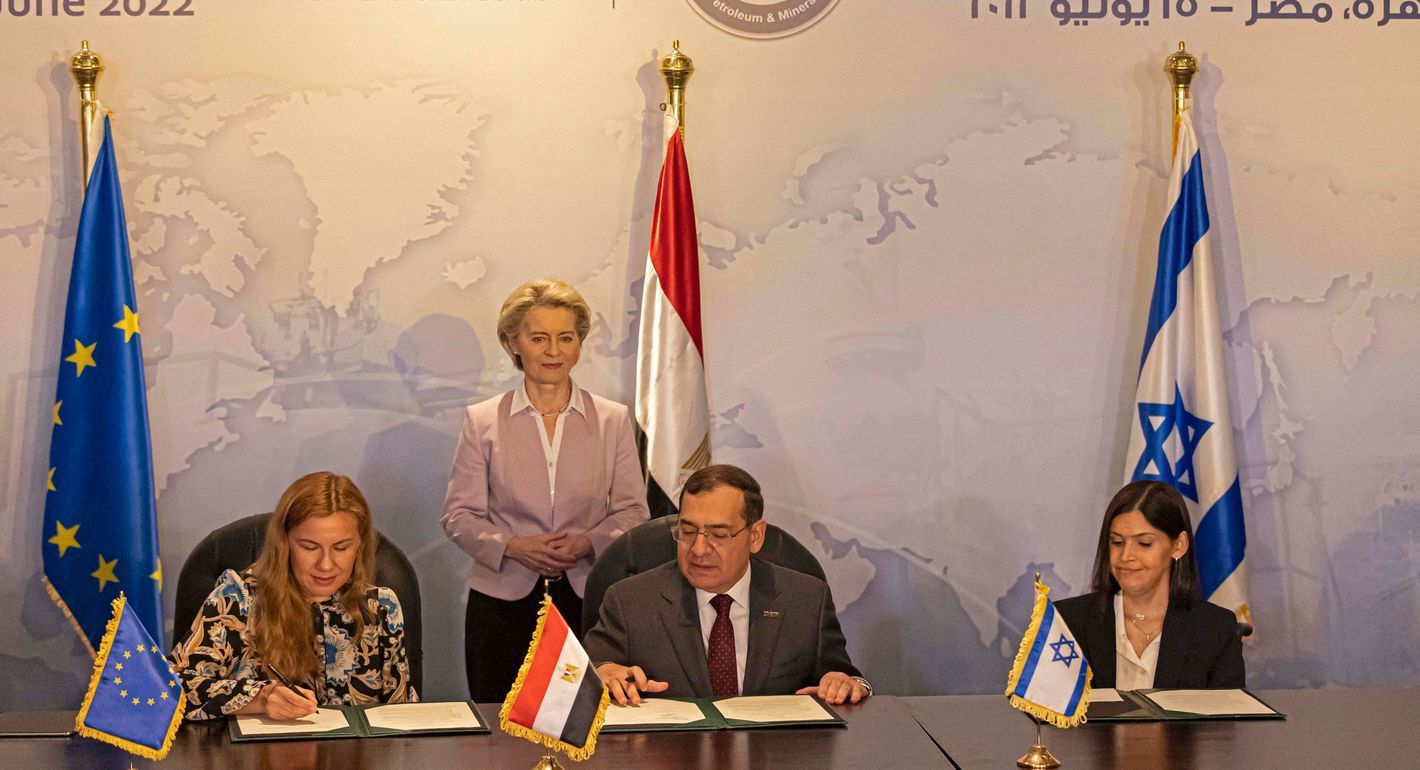
Can economic ties help contain conflict between Egypt and Israel, or do they simply postpone confrontation? Drawing on the German-Russian experience, the article examines how the gas deal creates mutual dependence, keeps channels of cooperation open, and raises the cost of conflict, without necessarily delivering lasting peace.

Nourhan Hefzy

European states control several Overseas Countries and Territories around the world that carry strategic, economic, and environmental weight. As great powers challenge the rules-based order, defending them is a geopolitical imperative for Europe.

Marc Pierini
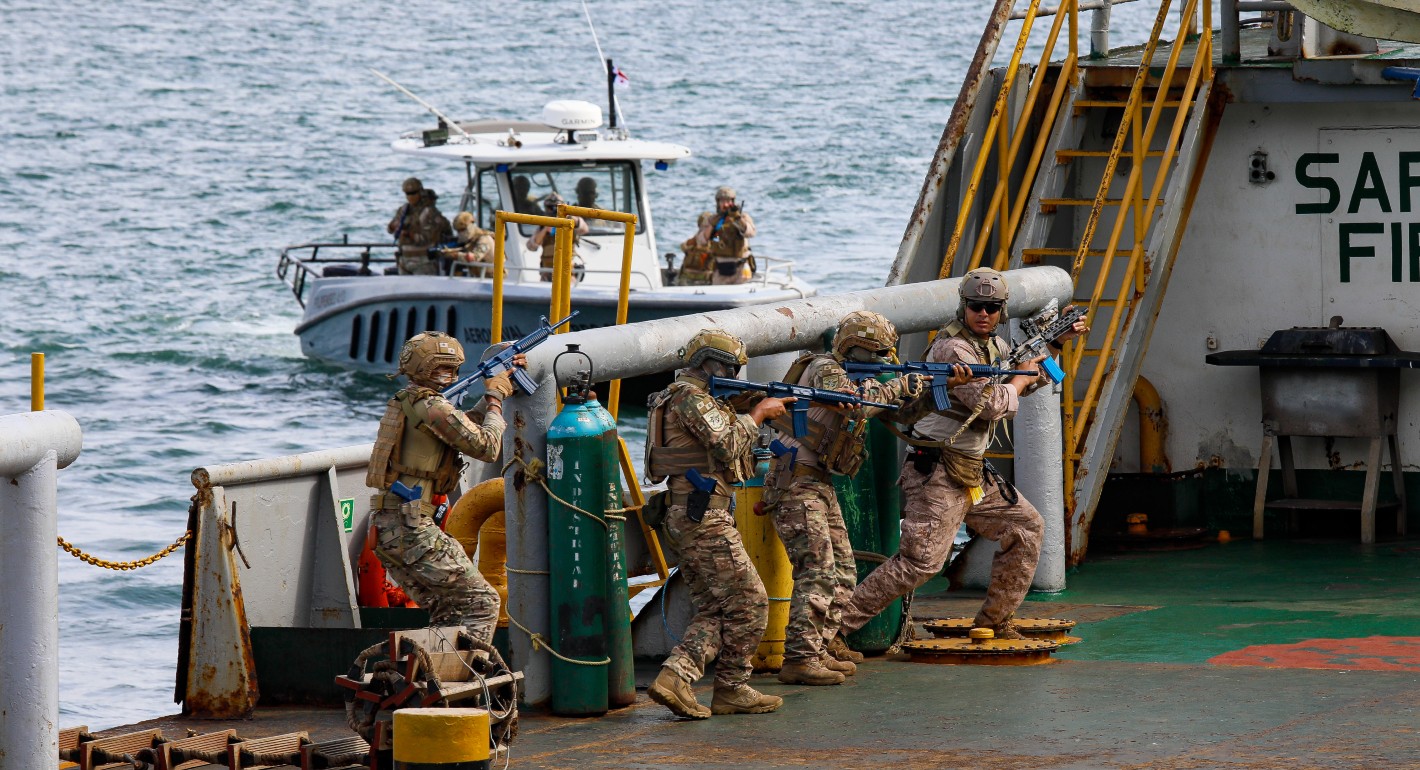
By focusing only on hard security, the Shield ignores the conditions that fuel cartel power.


Alejandro Martin Rodriguez, Kayly Ober

In any defense establishment, change is an ongoing process. However, despite the best of intentions, existing bureaucracies, bound by habit and years of socialization, have their limits in implementing transformative change.

Anit Mukherjee