

Commentary
Uri Dadush
{
  "authors": [
    "Uri Dadush"
  ],
  "type": "legacyinthemedia",
  "centerAffiliationAll": "",
  "centers": [
    "Carnegie Endowment for International Peace"
  ],
  "collections": [],
  "englishNewsletterAll": "",
  "nonEnglishNewsletterAll": "",
  "primaryCenter": "Carnegie Endowment for International Peace",
  "programAffiliation": "",
  "programs": [],
  "projects": [],
  "regions": [
    "North America",
    "United States"
  ],
  "topics": [
    "Political Reform",
    "Economy"
  ]
}
Source: Getty
The United States is well positioned to benefit from globalization and the rise of emerging markets, but it must first confront its economic challenges, regain a measure of political consensus, and reestablish its capacity to lead.
Source: Il Sole

Obama's reelection chances are improving, but a massive financial crisis originating in Europe may hit the United States in 2012, and only the brave would call the outcome of the next election. What I do know is that big reforms are unlikely in an election year and the next Administration will inherit unprecedented economic challenges. Whether or not it prevails will affect prosperity and security across the world.
A balance sheet of the American economy today includes three huge assets and an equal number of liabilities. The assets are well known but sometimes forgotten. First, the United States remains by far the world's largest economy, three times bigger than China and is - among the G20 - the most competitive, flexible, and productive. Despite its size and complexity, the US economy systematically ranks in the top 5 of the World Economic Forum's Competitiveness Index, and the World Bank's Doing Business Index. Exports are a very incomplete measure of America's economic might, as its multinational companies sell far more through their foreign subsidiaries than from their home base and many make the bulk of their profits overseas. Second, it is the world's most innovative economy.
Though the US accounts for only 5% of the world's population, it accounts for 28% of patents and is home to 40% of the best universities. It remains the driver of the IT and Internet revolution which is transforming the way business and government is conducted around the world. Third, among the large advanced countries, it exhibits the most favorable demographic profile; reflecting fertility, age profile and immigration, its work force is projected to grow by 17% over the next 20 years whereas that of other OECD countries will stagnate. More important still, the United States has the capacity to integrate its immigrants into the economic mainstream within a generation or less, and they are disproportionally represented among the country's outstanding innovators.
These three assets make the United States potentially the country best suited to capture the huge opportunities presented by today's mega-trends: the rise of emerging markets, globalization and technological innovation. But here are the weaknesses that may well prevent the grasping of that prize.
America's most important liability is high and rising income inequality and the fraying of its political consensus. The gap between rich and poor is now similar to those found in developing countries and America's social safety nets remain among the weakest in advanced countries. The real wages of male workers in America have stagnated over at least 30 years, median household incomes have not risen since 1999, and the top 1% of earners has absorbed a huge part of the country's income gains. Social mobility - the ability of the poor to rise into the middle class - is now much lower in the United States than in Europe.
The extraordinary political divisions, self-absorption, and protectionist sentiment observed today in Washington are partly a reflection of these trends. In recent years tax reforms have actually contributed to the inequality trend instead of offsetting it.
The problems are augmented by two other big - and associated – weaknesses: the exorbitant cost of health care, and the faltering of public education. The United States now devotes 17% of GDP on healthcare, about 7% of GDP more than the OECD average, but has lower life expectancy and higher child mortality rates. Rising health care costs present by far the greatest fiscal challenge that the country faces. When American children grow up they will lay claim to the world's highest wages, but their educational achievement today ranks in the middle of a sample of over 60 countries, including many developing ones.
You may be surprised that I do not include the US fiscal mess and its large structural current account deficit among its major liabilities. That is because I believe that - unlike most of the Euro zone - the United States has the private sector vitality and governance tools (monetary and exchange rate policies), to deal with its rising debts quite quickly if it decides to do so. The markets know this, one reason the United States is able to borrow at record low interest rates and the dollar remains the safe haven.
The United States will remain the only military superpower as far as the eye can see. But will it finally grapple with its economic challenges, regain a measure of political consensus, and reestablish its capacity to lead the system it created after the Second World War? With its traditional allies, Europe and Japan mired in an even worse economic quagmire, multiple regional conflicts brewing, and China, a one-party command economy bursting onto the scene, the answer to this question could determine how long the current international order persists. More is at stake in the current policy disputes in Washington and Brussels than many realize.
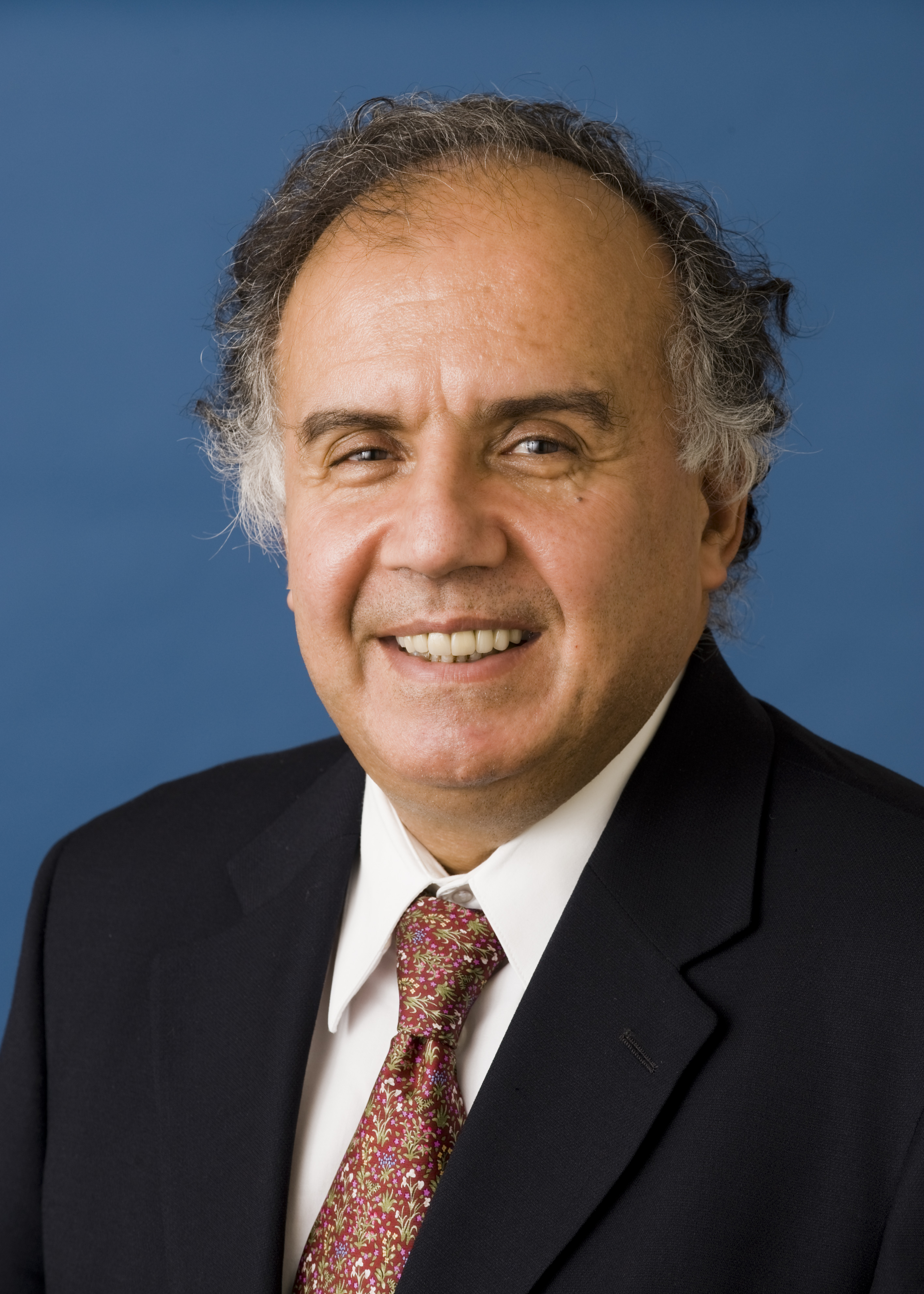
Former Senior Associate, International Economics Program
Dadush was a senior associate at the Carnegie Endowment for International Peace. He focuses on trends in the global economy and is currently tracking developments in the eurozone crisis.
Recent Work
Uri Dadush
Uri Dadush
Carnegie does not take institutional positions on public policy issues; the views represented herein are those of the author(s) and do not necessarily reflect the views of Carnegie, its staff, or its trustees.
China’s political future will be shaped between now and next October. As the Communist Party enters its intense “campaign season” to prepare for a major political transition in 2027, reading Beijing's actions and responses may become more difficult as domestic politics weigh on its behavior more than usual.

Damien Ma

The EU can impose sanctions but struggles to enforce them without the United States. With Washington increasingly disinterested in backing European interests, the bloc must now fend for itself.


Nicu Popescu, Tiago Antunes

Rubio’s recent visit brought welcome attention, but more capital requires governance changes that may be a hard sell for regional governments.

Jennifer B. Murtazashvili

America’s foreign-policy objectives have grown more demanding while Americans have demanded greater focus on their own affairs.
Stephen Wertheim
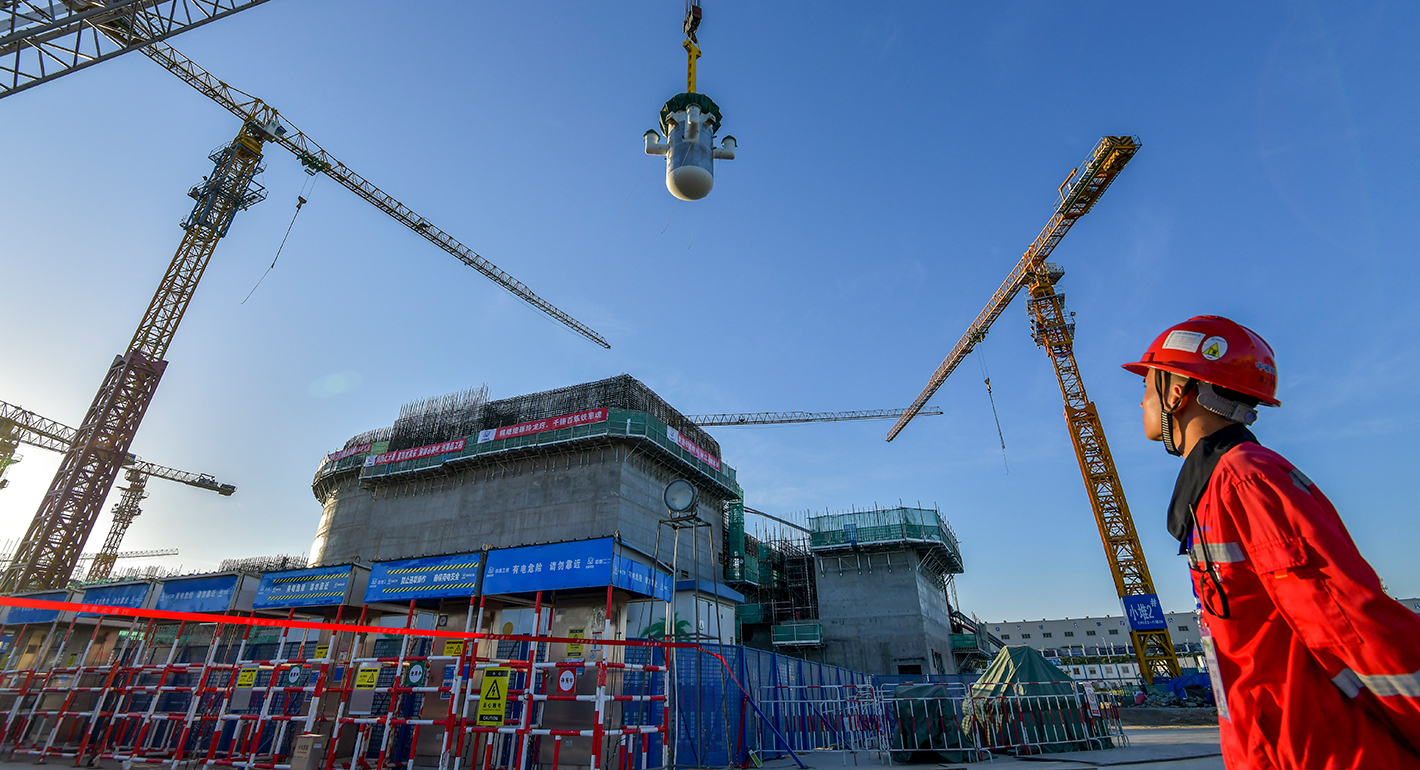
China has showcased its engineering prowess with small modular reactor demonstration projects. But turning these technological achievements into commercial success will be a greater challenge.

Tong Zhao