• Research
  • Emissary
  • About
  • Experts
Carnegie Global logoCarnegie lettermark logo
Democracy
  • Donate
{
  "authors": [
    "David Rothkopf"
  ],
  "type": "legacyinthemedia",
  "centerAffiliationAll": "",
  "centers": [
    "Carnegie Endowment for International Peace"
  ],
  "collections": [],
  "englishNewsletterAll": "",
  "nonEnglishNewsletterAll": "",
  "primaryCenter": "Carnegie Endowment for International Peace",
  "programAffiliation": "",
  "programs": [],
  "projects": [],
  "regions": [
    "North America",
    "United States"
  ],
  "topics": [
    "Economy"
  ]
}
Source: Getty

In The Media

The Power Shift From Public to Corporate

The balance between governments and corporations has been shifting over the last few hundred years in favor of corporate power and the international community may need to strengthen global institutions to fix the balance.

Link Copied
By David Rothkopf
Published on Mar 7, 2012

Source: CBS This Morning

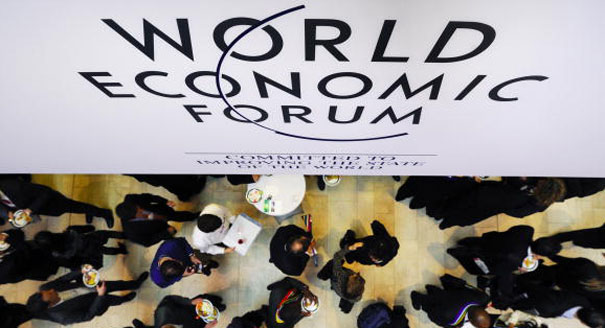
Speaking on CBS This Morning, Carnegie's David Rothkopf explained that over the last several hundred years, corporations have gained more power and influence relative to sovereign governments. The financial crisis serves as a perfect example, he said; before, during, and after the crisis, corporations set the terms of the government's policy. While governments do occasionally strike back, Rothkopf argued that a balance needs to be found. One potential solution is giving institutions of international governance more teeth.

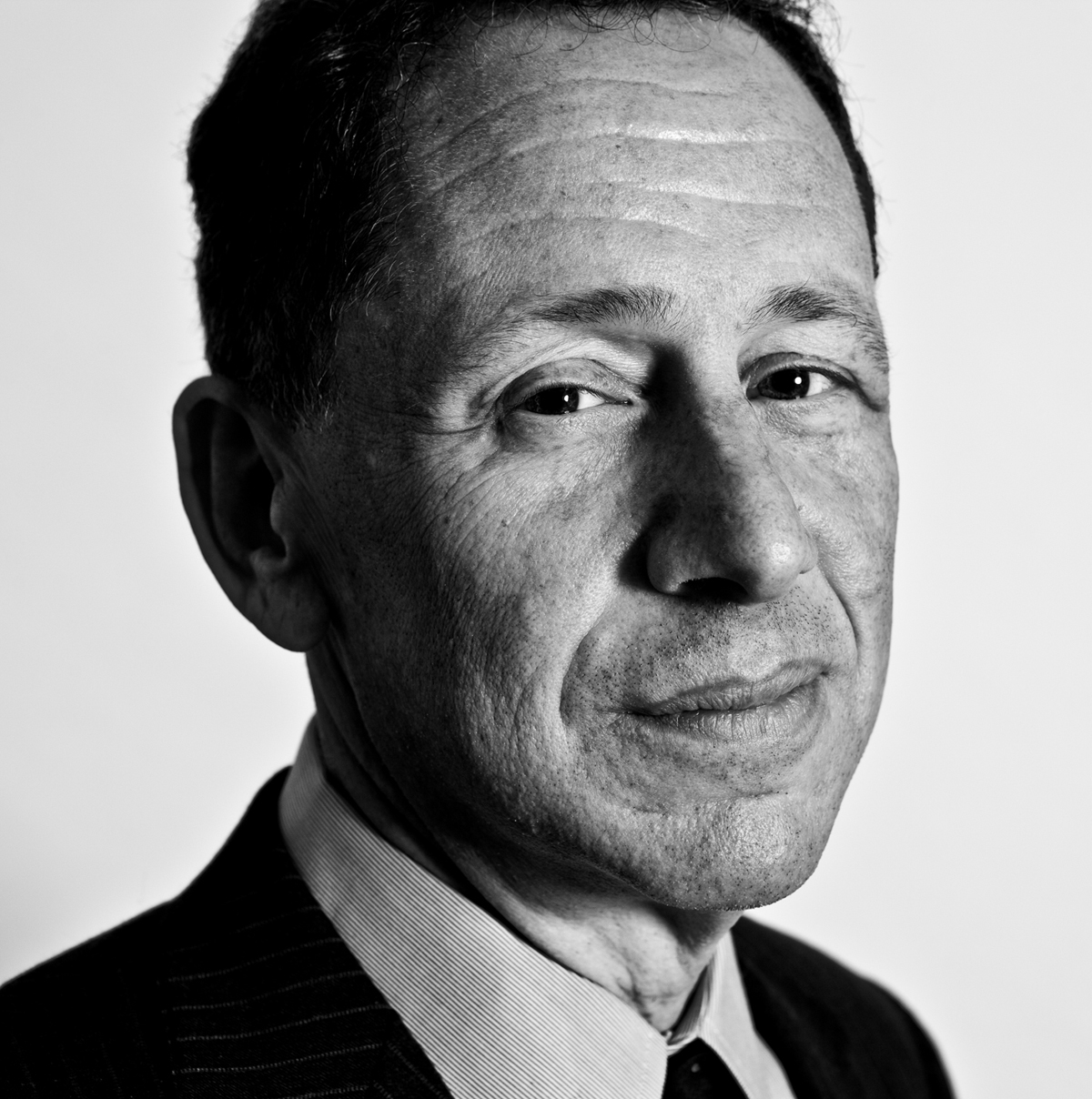
David Rothkopf
Former Visiting Scholar
David Rothkopf
EconomyNorth AmericaUnited States

Carnegie does not take institutional positions on public policy issues; the views represented herein are those of the author(s) and do not necessarily reflect the views of Carnegie, its staff, or its trustees.

More Work from Carnegie Endowment for International Peace

  • Kushner and Putin shaking hands, with Witkoff standing next to them
    Commentary
    Emissary
    What If Trump Gets His Russia-Ukraine Deal?

    It’s dangerous to dismiss Washington’s shambolic diplomacy out of hand.

      Eric Ciaramella

  • Commentary
    Strategic Europe
    Taking the Pulse: Can the EU Attract Foreign Investment and Reduce Dependencies?

    EU member states clash over how to boost the union’s competitiveness: Some want to favor European industries in public procurement, while others worry this could deter foreign investment. So, can the EU simultaneously attract global capital and reduce dependencies?

      • Rym Momtaz

      Rym Momtaz, ed.

  • Article
    What Can the EU Do About Trump 2.0?

    Europe’s policy of subservience to the Trump administration has failed. For Washington to take the EU seriously, its leaders now need to combine engagement with robust pushback.

      Stefan Lehne

  • Trump stands in front of a blue screen reading "Board of Peace"
    Paper
    U.S. Peace Mediation in the Middle East: Lessons for the Gaza Peace Plan

    As Gaza peace negotiations take center stage, Washington should use the tools that have proven the most effective over the past decades of Middle East mediation.

      • Sarah Yerkes

      Amr Hamzawy, Sarah Yerkes, Kathryn Selfe

  • Hochel stading behind a dais, with a hand raised
    Commentary
    Emissary
    With the RAISE Act, New York Aligns With California on Frontier AI Laws

    The bills differ in minor but meaningful ways, but their overwhelming convergence is key.

      Alasdair Phillips-Robins, Scott Singer

Get more news and analysis from
Carnegie Endowment for International Peace
Carnegie global logo, stacked
1779 Massachusetts Avenue NWWashington, DC, 20036-2103Phone: 202 483 7600Fax: 202 483 1840
  • Research
  • Emissary
  • About
  • Experts
  • Donate
  • Programs
  • Events
  • Blogs
  • Podcasts
  • Contact
  • Annual Reports
  • Careers
  • Privacy
  • For Media
  • Government Resources
Get more news and analysis from
Carnegie Endowment for International Peace
© 2026 Carnegie Endowment for International Peace. All rights reserved.