

Commentary
Despite its flop at the box office, the film raises important questions for the climate community to answer.
Leonardo Martinez-Diaz
{
  "authors": [],
  "type": "pressRelease",
  "centerAffiliationAll": "dc",
  "centers": [
    "Carnegie Endowment for International Peace",
    "Malcolm H. Kerr Carnegie Middle East Center"
  ],
  "collections": [],
  "englishNewsletterAll": "ctw",
  "nonEnglishNewsletterAll": "",
  "primaryCenter": "Carnegie Endowment for International Peace",
  "programAffiliation": "SAP",
  "programs": [
    "South Asia"
  ],
  "projects": [],
  "regions": [
    "North America",
    "United States",
    "Middle East",
    "Iran",
    "Iraq",
    "Syria",
    "South Asia",
    "Afghanistan",
    "Pakistan"
  ],
  "topics": [
    "Security",
    "Military",
    "Foreign Policy"
  ]
}
REQUIRED IMAGE
Senator John McCain, Ranking Member of the Senate Armed Services Committee, made an impassioned plea for President Obama to reconsider the withdrawal of American troops from Afghanistan.
WASHINGTON—Senator John McCain, Ranking Member of the Senate Armed Services Committee, made an impassioned plea for President Obama to reconsider the withdrawal of American troops from Afghanistan. Speaking this afternoon at the Carnegie Endowment for International Peace, he said that it was essential for the United States to make a strategic partnership with the Afghan government, which included a long-term U.S. military presence on the ground to prevent the Taliban from returning to power.
Senator McCain also strongly criticized the White House for a lack of leadership on Syria. He said it was a “stain on our national honor” that we had not intervened to support the opposition forces in Syria. He called for the arming of the Syrian rebels and the creation of a safe area inside Syria.
He sharply attacked the Pakistani intelligence services for its links with known terrorists, calling it reprehensible that the ISI continued to maintain a close relationship with the Haqqani network, which is responsible for the deaths of American soldiers.
Asked about the recent photographs showing American soldiers posing with the bodies of Afghan fighters, he said it was “deplorable and despicable…but that 99.9% of American soldiers in Afghanistan were operating to the highest standards.”
Carnegie does not take institutional positions on public policy issues; the views represented herein are those of the author(s) and do not necessarily reflect the views of Carnegie, its staff, or its trustees.

Despite its flop at the box office, the film raises important questions for the climate community to answer.

Leonardo Martinez-Diaz
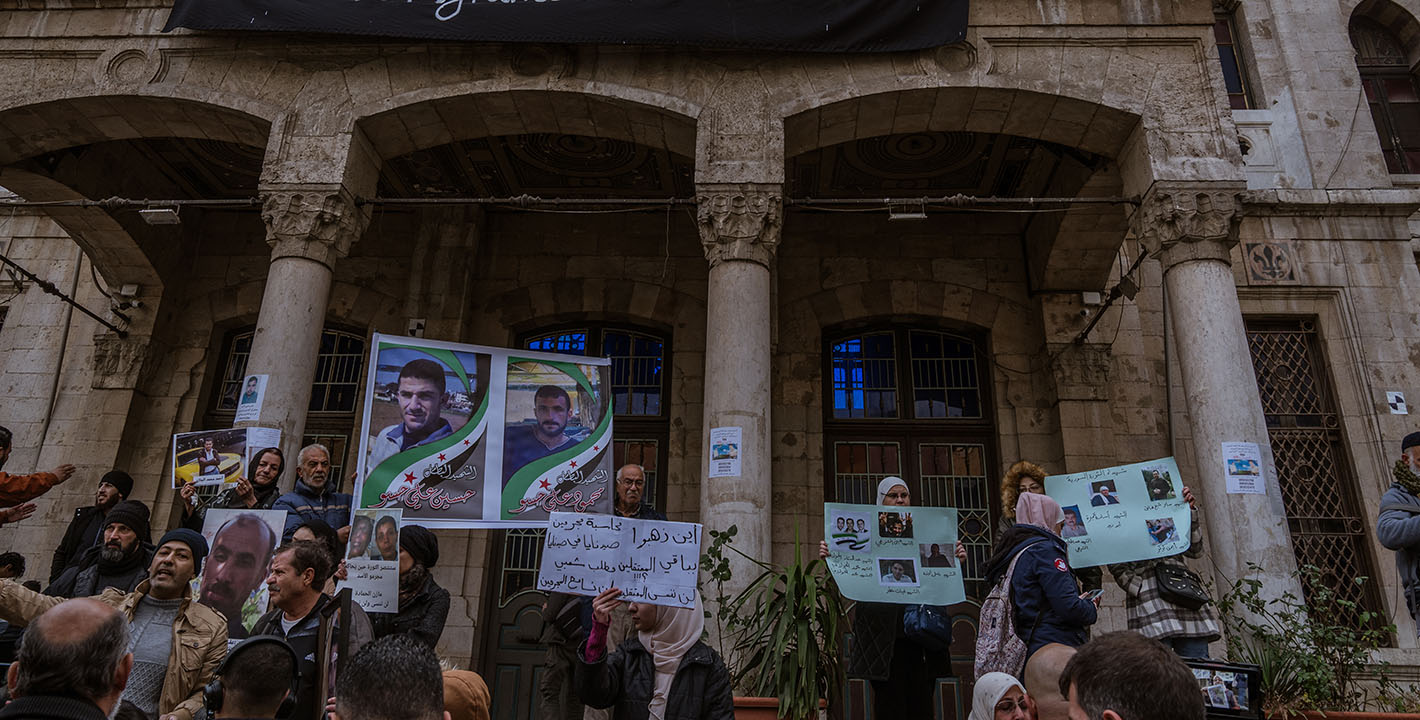
Reconciliation councils are emerging throughout the country to mediate in intracommunal disputes, many from the war years.
Natacha Danon

Funding Ukraine remains a priority for European leaders. As Russia’s war of aggression heads into another winter, two feasible options to mobilize support for Kyiv should be fast-tracked.


Vladyslav Rashkovan, Gregory P. Wilson

Russian strikes are weakening the economy sustaining Ukraine’s war effort. Closing the growing funding gap will require more European support and politically contentious reforms in Kyiv.

Balázs Jarábik

In an interview, Rozina Ali discusses her new book on the rise and manifestations of Islamophobia in the United States.

Michael Young