

Article
C. Raja Mohan, Darshana M. Baruah
{
  "authors": [
    "C. Raja Mohan"
  ],
  "type": "legacyinthemedia",
  "centerAffiliationAll": "dc",
  "centers": [
    "Carnegie Endowment for International Peace",
    "Carnegie China",
    "Carnegie India"
  ],
  "collections": [
    "China’s Foreign Relations"
  ],
  "englishNewsletterAll": "asia",
  "nonEnglishNewsletterAll": "",
  "primaryCenter": "Carnegie India",
  "programAffiliation": "AP",
  "programs": [
    "Asia",
    "South Asia"
  ],
  "projects": [],
  "regions": [
    "United States",
    "Asia",
    "India",
    "South Asia",
    "East Asia",
    "China"
  ],
  "topics": [
    "Foreign Policy",
    "Security",
    "Military"
  ]
}
Source: Getty
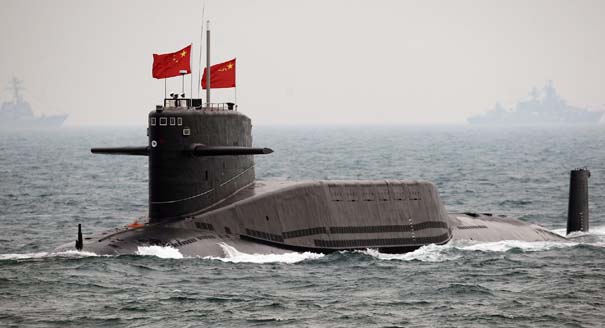
As in the Cold War, so in the current power play between the United States and China; the rest of Asia will simply not submit itself to the discipline of a bipolar framework. Asia will actively shape and be shaped by the emerging strategic dynamic between Washington and Beijing.
Source: Diplomat
As in the Cold War, so in the current power play between the United States and China, the rest of Asia will simply not submit itself to the discipline of a bipolar framework. Asia will actively shape and be shaped by the emerging strategic dynamic between Washington and Beijing.
Asia is home to many large states that are wedded to nationalism and territorial sovereignty, opposed to local ambitions for regional hegemony,committed to a measure of autonomy from the great powers, and determined to promote greater economic integration with each other. These are competing imperatives that do not sit well with each other but do define the contradictory nature of Asia’s rise.
One of these important regional powers is India—the third largest economy in Asia, and the fourth biggest spender on defense in the Indo-Pacific after the United States, China and Japan.
Former Nonresident Senior Fellow, Carnegie India
A leading analyst of India’s foreign policy, Mohan is also an expert on South Asian security, great-power relations in Asia, and arms control.
Recent Work

C. Raja Mohan, Darshana M. Baruah


Alexander Gabuev, Paul Haenle, C. Raja Mohan, …
Carnegie does not take institutional positions on public policy issues; the views represented herein are those of the author(s) and do not necessarily reflect the views of Carnegie, its staff, or its trustees.

Despite its flop at the box office, the film raises important questions for the climate community to answer.

Leonardo Martinez-Diaz

Funding Ukraine remains a priority for European leaders. As Russia’s war of aggression heads into another winter, two feasible options to mobilize support for Kyiv should be fast-tracked.


Vladyslav Rashkovan, Gregory P. Wilson

Russian strikes are weakening the economy sustaining Ukraine’s war effort. Closing the growing funding gap will require more European support and politically contentious reforms in Kyiv.

Balázs Jarábik

In an interview, Rozina Ali discusses her new book on the rise and manifestations of Islamophobia in the United States.

Michael Young

While the EU and European governments are embracing the much-lauded middle-power moment, this entails three difficult conundrums.

Richard Youngs