

Article
C. Raja Mohan, Darshana M. Baruah
{
  "authors": [
    "C. Raja Mohan"
  ],
  "type": "legacyinthemedia",
  "centerAffiliationAll": "dc",
  "centers": [
    "Carnegie Endowment for International Peace",
    "Carnegie China",
    "Carnegie India"
  ],
  "collections": [
    "China’s Foreign Relations"
  ],
  "englishNewsletterAll": "asia",
  "nonEnglishNewsletterAll": "",
  "primaryCenter": "Carnegie India",
  "programAffiliation": "AP",
  "programs": [
    "Asia",
    "South Asia"
  ],
  "projects": [],
  "regions": [
    "United States",
    "Asia",
    "India",
    "South Asia",
    "East Asia",
    "China"
  ],
  "topics": [
    "Foreign Policy",
    "Security",
    "Military"
  ]
}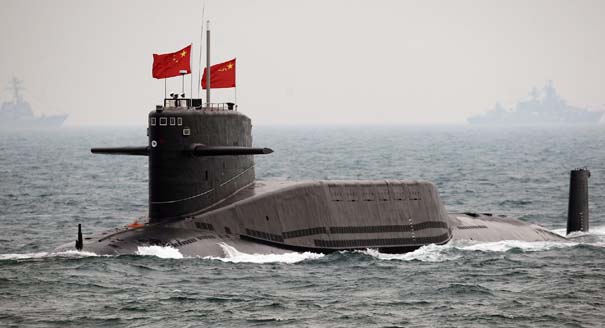
Source: Getty
As in the Cold War, so in the current power play between the United States and China; the rest of Asia will simply not submit itself to the discipline of a bipolar framework. Asia will actively shape and be shaped by the emerging strategic dynamic between Washington and Beijing.
Source: Diplomat
As in the Cold War, so in the current power play between the United States and China, the rest of Asia will simply not submit itself to the discipline of a bipolar framework. Asia will actively shape and be shaped by the emerging strategic dynamic between Washington and Beijing.
Asia is home to many large states that are wedded to nationalism and territorial sovereignty, opposed to local ambitions for regional hegemony,committed to a measure of autonomy from the great powers, and determined to promote greater economic integration with each other. These are competing imperatives that do not sit well with each other but do define the contradictory nature of Asia’s rise.
One of these important regional powers is India—the third largest economy in Asia, and the fourth biggest spender on defense in the Indo-Pacific after the United States, China and Japan.
Former Nonresident Senior Fellow, Carnegie India
A leading analyst of India’s foreign policy, Mohan is also an expert on South Asian security, great-power relations in Asia, and arms control.
Recent Work

C. Raja Mohan, Darshana M. Baruah


Alexander Gabuev, Paul Haenle, C. Raja Mohan, …
Carnegie does not take institutional positions on public policy issues; the views represented herein are those of the author(s) and do not necessarily reflect the views of Carnegie, its staff, or its trustees.

The books, podcasts, and films that explain the world it made.

Andrew Leber

U.S. trading partners in Asia are closely watching the dispute for signs of how it may affect their own interests.

Barbara Weisel

The aftermath of the Ceuta crisis shows Europe has drawn the wrong lessons. Rather than doubling down on failed migration policies, the EU needs to address the underlying roots of such episodes.

Richard Youngs
By abandoning past U.S. pro-democracy policies and adopting several lines of pro-autocratic action, the Trump administration has fundamentally repositioned the United States vis-à-vis democracy in the world.

Thomas Carothers
Chinese strategists are once again debating whether American power is declining and whether U.S. hegemony is experiencing irreversible decay.
Wu Xinbo