

Commentary
Despite its flop at the box office, the film raises important questions for the climate community to answer.
Leonardo Martinez-Diaz
{
  "authors": [
    "David Burwell",
    "Shin-pei Tsay"
  ],
  "type": "legacyinthemedia",
  "centerAffiliationAll": "dc",
  "centers": [
    "Carnegie Endowment for International Peace",
    "Carnegie China"
  ],
  "collections": [],
  "englishNewsletterAll": "ctw",
  "nonEnglishNewsletterAll": "",
  "primaryCenter": "Carnegie Endowment for International Peace",
  "programAffiliation": "SCP",
  "programs": [
    "Sustainability, Climate, and Geopolitics"
  ],
  "projects": [],
  "regions": [
    "North America"
  ],
  "topics": [
    "Climate Change"
  ]
}
Source: Getty
The present policy paradigm of national and international action to fight climate change doesn’t work. The only hope is for cities to support global efforts.
Source: CNN

This meteorological line in the sand of two degrees Celsius equates to 450 parts per million of atmospheric carbon dioxide concentration and has been reaffirmed by the Intergovernmental Panel on Climate Change. And the International Energy Agency warns that global capital investment in new energy assets must make a fundamental shift away from fossil fuels in the next five years to have any chance of hitting the target.
But it is time to face reality – the world has crossed this meteorological line in the sand. The World Meteorological Organization says all greenhouse gases have increased the warming effect by 30 percent since 1990. To make matters worse, as the planet heats up, it becomes hotter, faster.
New studies illustrate the seemingly impossible barriers that must be scaled in order to temper runaway global warming effect. PricewaterhouseCoopers concludes that in order to stay below the threshold through 2050, global energy efficiency would have to improve by a factor of seven each year.
Converting the global energy supply chain from fossil to renewable fuels will require a huge investment in new energy infrastructure. A recent Stanford University study says the process of conversion would only yield significant emission reductions in the second half of the 21st century. By then the planet will already be well beyond the global goal.
In spite of the need to fundamentally restructure the world’s energy supply, public policy still favors fossil fuels. The International Energy Agency calculates that global subsidies in fossil fuel development increased by 30 percent in 2011 alone to $523 billion. Except for the United States and the EU (primarily Britain, France, Germany, Italy, and Nordic countries), carbon emissions from burning fuel are going up, not down. Coal remained the fuel of choice in the first decade of this century – its best decade ever.
Finally, even if the negotiators were to maintain current global commitments, policies fall short. If all 192 countries that signed the Copenhagen Accords met their individual pledges to reduce fossil fuel consumption by 2035, they would only reduce global dependence on fossil fuels to 75 percent (down from 82 percent today). But the International Energy Agency calculates that this number must fall to 62 percent to stay below 450 parts per million.
These barriers suggest that the present policy paradigm of national and international action doesn’t work – it offers few avenues of escape from a vastly warmer world. But there is hope if international and national policy is supplemented by regional and city actions that leverage deep cultural and demographic transformations already underway.
Market and demographic shifts are changing how (and how much) people travel, where they work, and how they live. The global urban population is exploding and 70 percent to 80 percent of global energy consumption occurs in urban areas. In fact, the countries where carbon emissions are declining all have populations that are more than 80 percent urban (notably Nordic countries).
By empowering cities, new pathways to a decarbonized world open up. Thousands of cities are currently implementing or experimenting with local carbon reduction strategies. Strategies contain public transit and bike-share programs, zero carbon mixed-use developments, and climate action plans that cover many sectors including buildings, transportation, food and waste systems, and natural environments. New cities about to bloom in Africa and Asia now have a playbook of opportunities to leapfrog carbon-intensive development and pursue low-carbon futures.
Rapid global urbanization also leads to changed behavior that can help. Trends in social networking, collective consumption, and peer-to-peer networks, suggest changing demographics and lifestyles. And compact land use development with energy-efficient buildings and better walking and biking infrastructure are not dependent on energy-efficient technologies while also enhancing behavioral shifts. In fact, Peter Calthorpe, an architect who has contributed to long-term climate change plans, suggests that urbanist principles could make up for more than 50 percent of the carbon reduction needed to stay under a two degrees Celsius rise.
It will be much hotter no matter what. But when crafting national and international energy policy, leaders around the world will benefit from examining the places where changes in behavior and consumption patterns – and decarbonization – are already occurring. Increasingly, the winning battles are taking place within the world’s cities.
Former Nonresident Senior Fellow, Energy and Climate Program
Burwell focused on the intersection between energy, transportation, and climate issues, as well as policies and practice reforms to reduce global dependence on fossil fuels.

Former Nonresident Associate, Energy and Climate Program
Shin-pei Tsay was a nonresident associate in the Energy and Climate Program at the Carnegie Endowment for International Peace.
Carnegie does not take institutional positions on public policy issues; the views represented herein are those of the author(s) and do not necessarily reflect the views of Carnegie, its staff, or its trustees.

Despite its flop at the box office, the film raises important questions for the climate community to answer.

Leonardo Martinez-Diaz
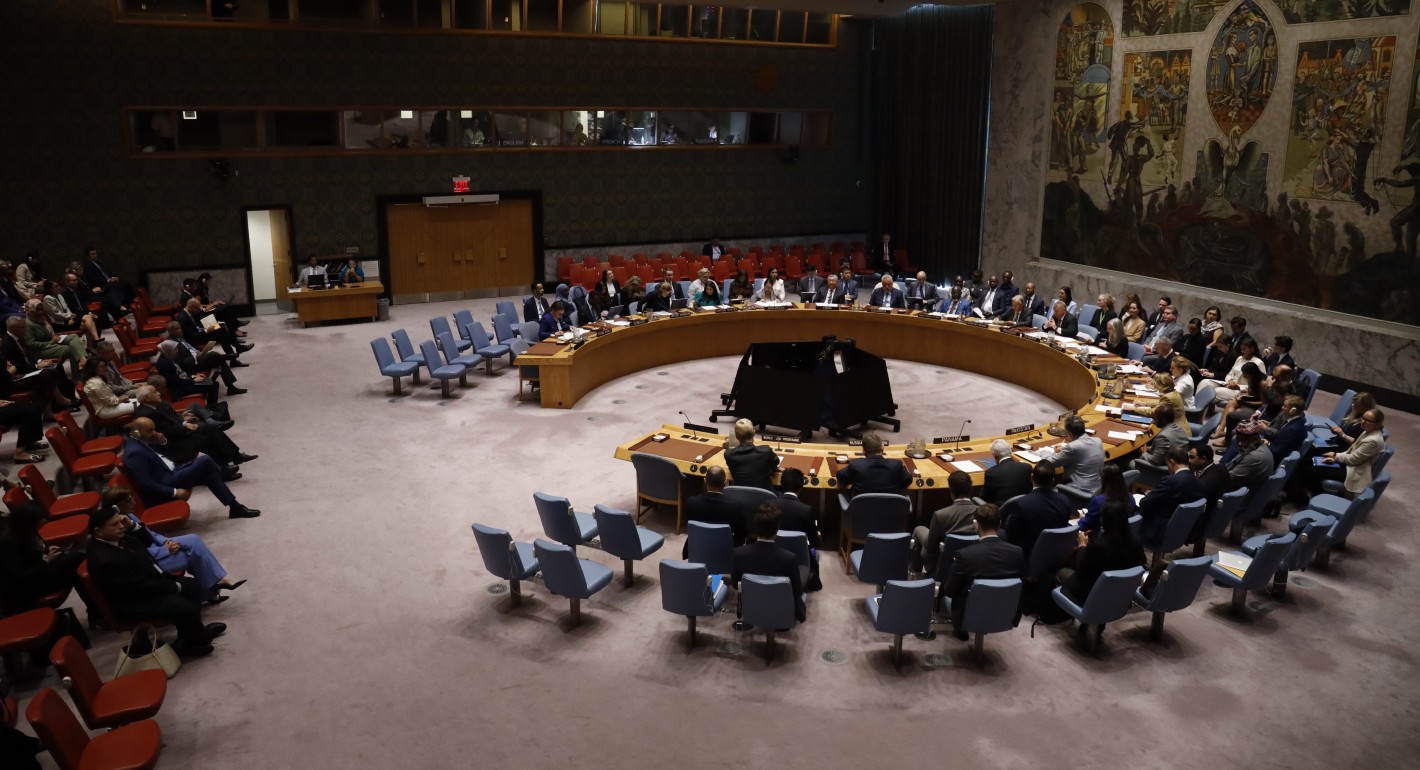
They face an uphill climb, but they could draw on a strategy that other diplomats have used in the past.


Shana Tabak, Alejandro Martin Rodriguez
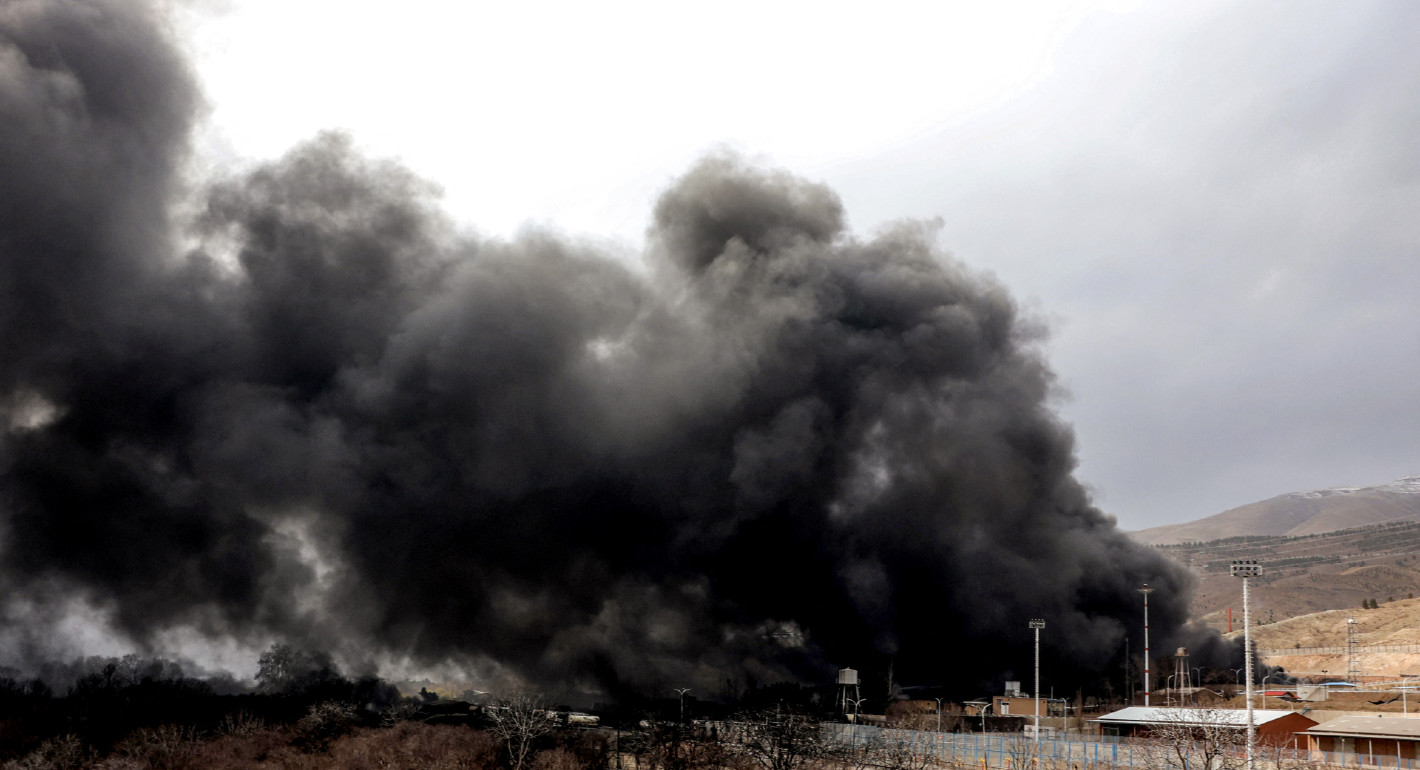
Understanding the climatic pain points is necessary for policymakers hoping to minimize the war’s negative environmental consequences.


Alejandro Martin Rodriguez, Joy Arkeh, Sarah Yerkes
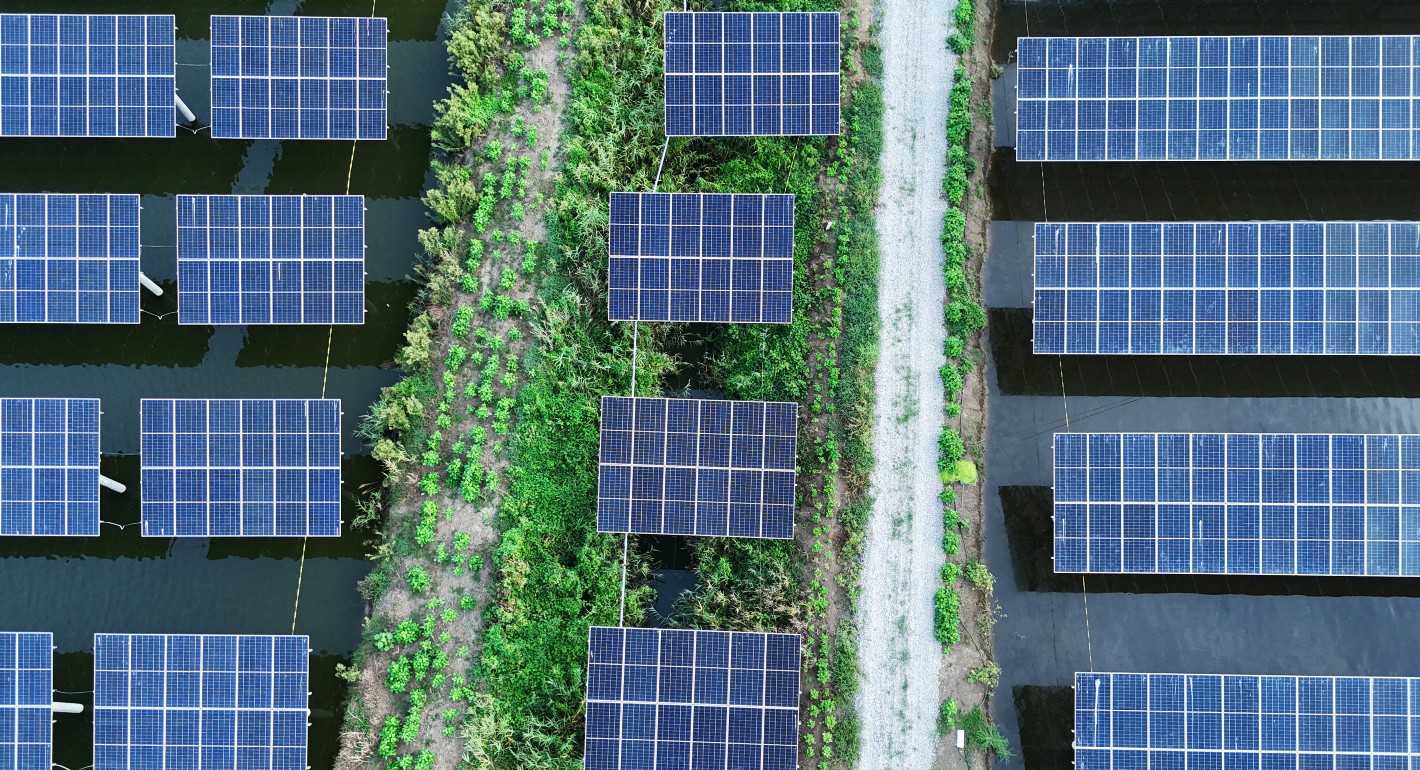
Congress needs to step up and make EXIM a low-carbon financing powerhouse.

Jesse Young

By focusing only on hard security, the Shield ignores the conditions that fuel cartel power.

Alejandro Martin Rodriguez, Kayly Ober