• Research
  • Emissary
  • About
  • Experts
Carnegie Global logoCarnegie lettermark logo
DemocracyIran
  • Donate
{
  "authors": [
    "Anouar Boukhars"
  ],
  "type": "legacyinthemedia",
  "centerAffiliationAll": "dc",
  "centers": [
    "Carnegie Endowment for International Peace"
  ],
  "collections": [],
  "englishNewsletterAll": "menaTransitions",
  "nonEnglishNewsletterAll": "",
  "primaryCenter": "Carnegie Endowment for International Peace",
  "programAffiliation": "MEP",
  "programs": [
    "Middle East"
  ],
  "projects": [],
  "regions": [
    "North Africa",
    "Algeria",
    "Southern, Eastern, and Western Africa",
    "Mali"
  ],
  "topics": [
    "Political Reform",
    "Security"
  ]
}
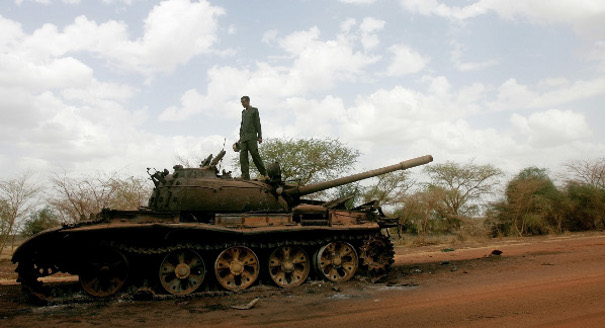
Source: Getty

In The Media

Islamists in the Sahel

The conflict in northern Mali cannot be solved by a military solution alone. Any effort to end the violence will have to utilize diplomatic and political components to address the grievances of the groups that have taken up arms.

Link Copied
By Anouar Boukhars
Published on Jan 17, 2013
Program mobile hero image

Program

Middle East

The Middle East Program in Washington combines in-depth regional knowledge with incisive comparative analysis to provide deeply informed recommendations. With expertise in the Gulf, North Africa, Iran, and Israel/Palestine, we examine crosscutting themes of political, economic, and social change in both English and Arabic.

Learn More

Source: WBEZ's Worldview

The turmoil in northern Mali and southern Algeria may be an unpleasant harbinger of things to come. Speaking on WBEZ’s Worldview, Anouar Boukhars suggested that it is likely that there will continue to be incidents like the recent kidnapping of 45 hostages from an Algerian gas field. “This is something we should get used to,” noted Boukhars. Indeed, following the French intervention in northern Mali a host of terrorist groups vowed revenge and reprisal against not just the French, but the West in general and any African countries sending troops into Mali, he added The United States and other Western allies would have preferred a consortium led by west African forces, said Boukhars. However, the French intervention escalated the violence and provided a rallying point for the various disparate terrorist groups in the region. Ultimately, Boukhars argued that there can be no military solution to the conflict, suggesting that the conflict is political in nature and will need to be addressed through political and diplomatic measures. 

About the Author

Anouar Boukhars

Former Nonresident Fellow, Middle East Program

Boukhars was a nonresident fellow in Carnegie’s Middle East Program. He is a professor of countering violent extremism and counter-terrorism at the Africa Center for Strategic Studies, National Defense University.

    Recent Work

  • Article
    Islamic Authority and Arab States in a Time of Pandemic
      • +3

      Frederic Wehrey, Nathan J. Brown, Bader Al-Saif, …

  • Commentary
    A Different Type of Alliance

      Anouar Boukhars

Anouar Boukhars
Former Nonresident Fellow, Middle East Program
Political ReformSecurityNorth AfricaAlgeriaSouthern, Eastern, and Western AfricaMali

Carnegie does not take institutional positions on public policy issues; the views represented herein are those of the author(s) and do not necessarily reflect the views of Carnegie, its staff, or its trustees.

More Work from Carnegie Endowment for International Peace

  • Commentary
    Strategic Europe
    Taking the Pulse: Is France’s New Nuclear Doctrine Ambitious Enough?

    French President Emmanuel Macron has unveiled his country’s new nuclear doctrine. Are the changes he has made enough to reassure France’s European partners in the current geopolitical context?

      • Rym Momtaz

      Rym Momtaz, ed.

  • Commentary
    The Iran War’s Dangerous Fallout for Europe

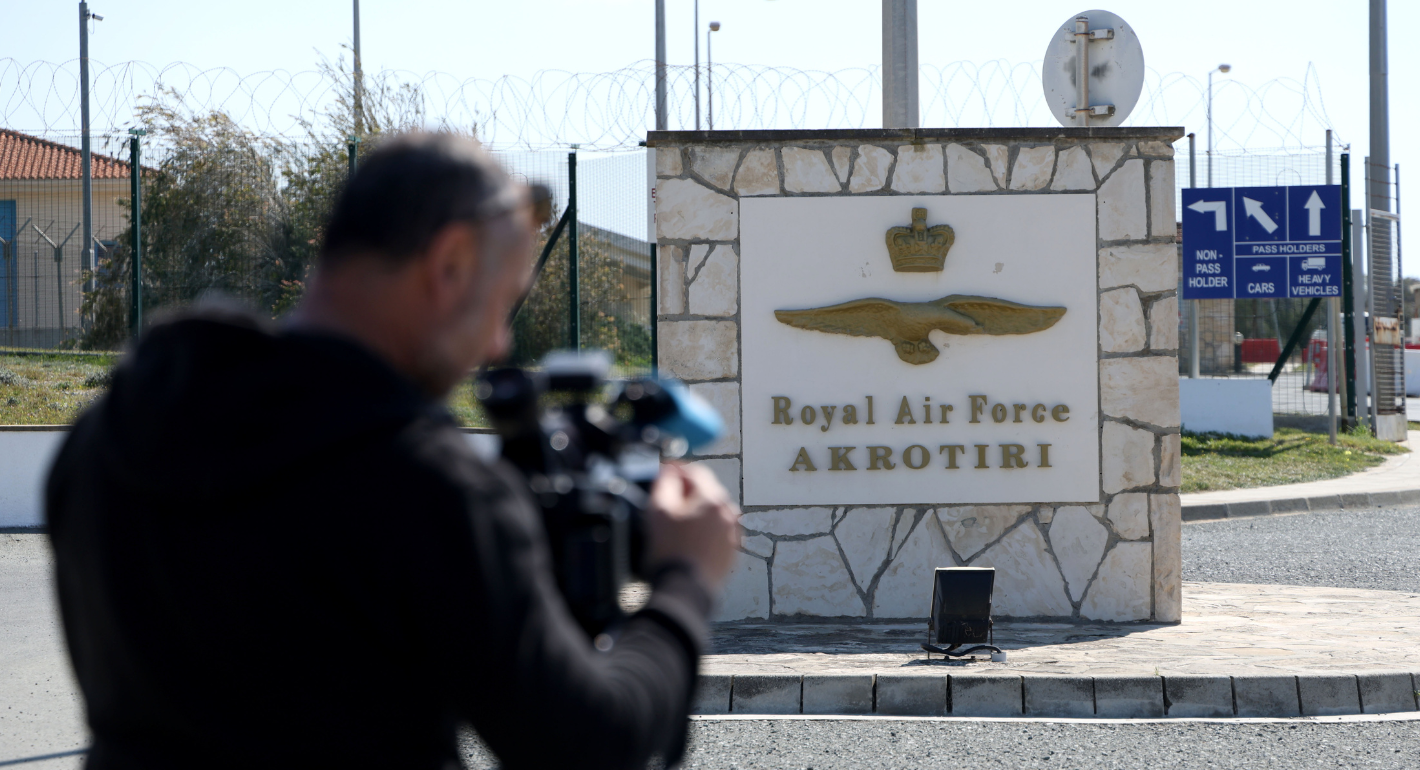
    The drone strike on the British air base in Akrotiri brings Europe’s proximity to the conflict in Iran into sharp relief. In the fog of war, old tensions in the Eastern Mediterranean risk being reignited, and regional stakeholders must avoid escalation.

      Marc Pierini
  • Commentary
    Strategic Europe
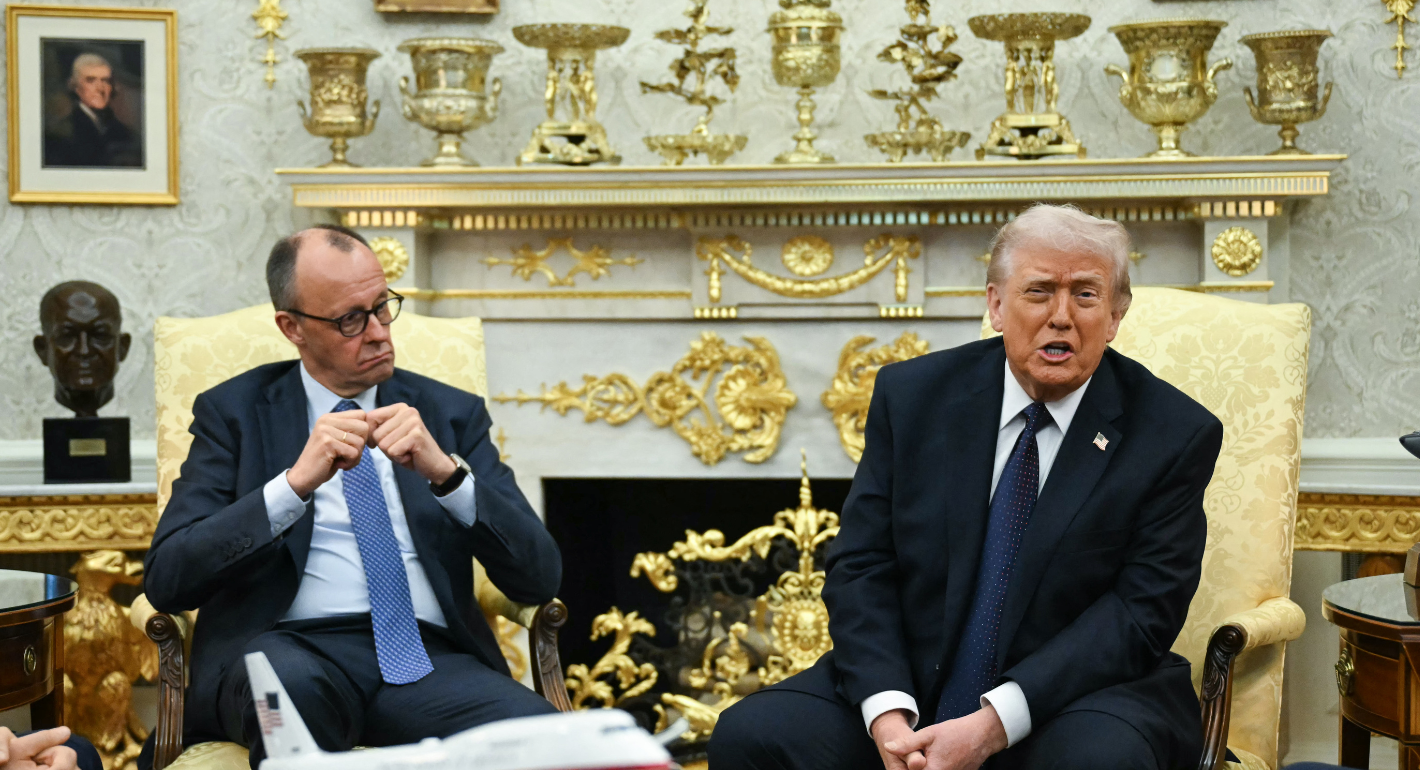
    The EU Needs a Third Way in Iran

    European reactions to the war in Iran have lost sight of wider political dynamics. The EU must position itself for the next phase of the crisis without giving up on its principles.

      Richard Youngs
  • Commentary
    Carnegie Politika
    Why Are China and Russia Not Rushing to Help Iran?

    Most of Moscow’s military resources are tied up in Ukraine, while Beijing’s foreign policy prioritizes economic ties and avoids direct conflict.   

      • Alexander Gabuev

      Alexander Gabuev, Temur Umarov

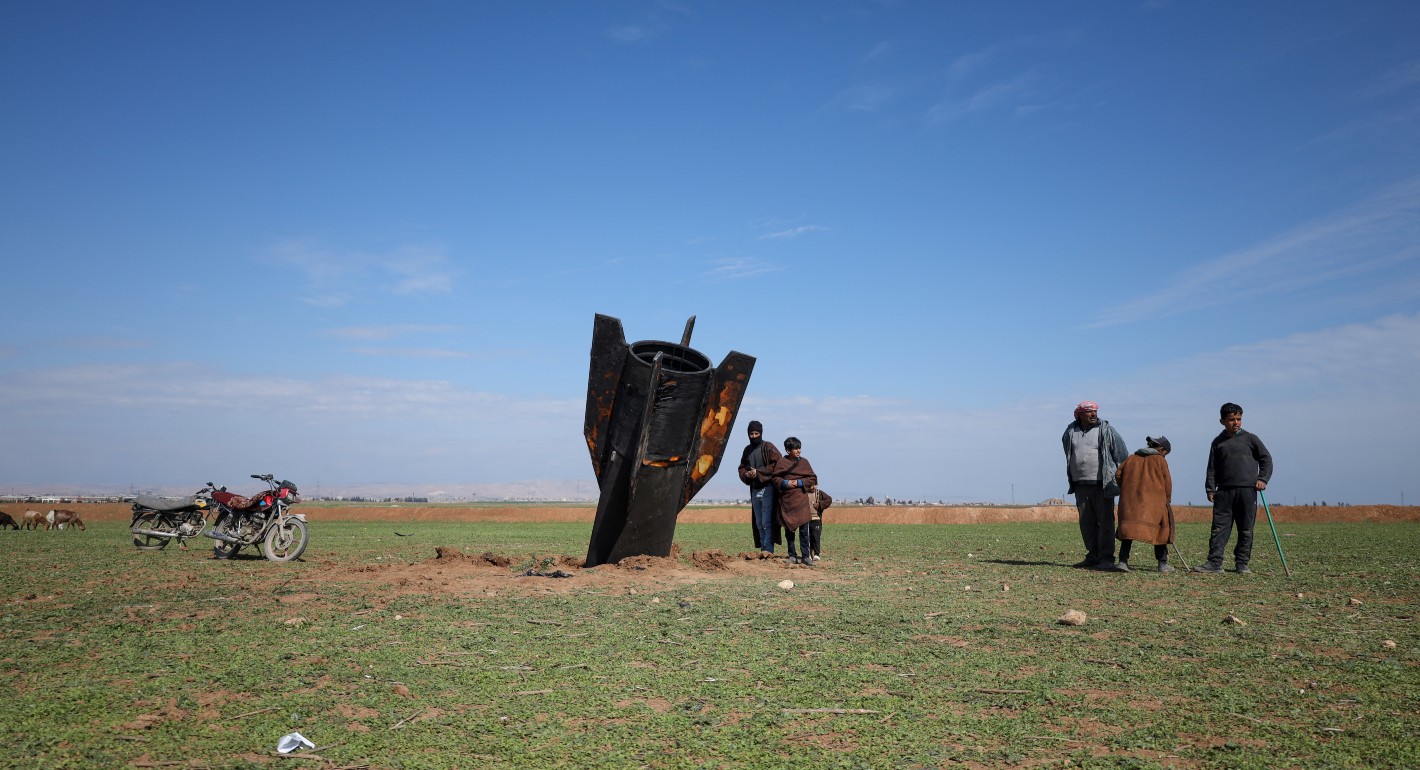
  • A missile tail embedded in the ground in an open field with green ground cover and a blue sky.
    Commentary
    Emissary
    Turkey Has Two Key Interests in the Iran Conflict

    But to achieve either, it needs to retain Washington’s ear.

      Alper Coşkun

Get more news and analysis from
Carnegie Endowment for International Peace
Carnegie global logo, stacked
1779 Massachusetts Avenue NWWashington, DC, 20036-2103Phone: 202 483 7600Fax: 202 483 1840
  • Research
  • Emissary
  • About
  • Experts
  • Donate
  • Programs
  • Events
  • Blogs
  • Podcasts
  • Contact
  • Annual Reports
  • Careers
  • Privacy
  • For Media
  • Government Resources
Get more news and analysis from
Carnegie Endowment for International Peace
© 2026 Carnegie Endowment for International Peace. All rights reserved.