

Paper
James M. Acton, Ankit Panda
{
  "authors": [
    "James M. Acton"
  ],
  "type": "legacyinthemedia",
  "centerAffiliationAll": "dc",
  "centers": [
    "Carnegie Endowment for International Peace"
  ],
  "collections": [
    "Korean Peninsula"
  ],
  "englishNewsletterAll": "ctw",
  "nonEnglishNewsletterAll": "",
  "primaryCenter": "Carnegie Endowment for International Peace",
  "programAffiliation": "NPP",
  "programs": [
    "Nuclear Policy"
  ],
  "projects": [],
  "regions": [
    "East Asia",
    "North Korea"
  ],
  "topics": [
    "Nuclear Policy",
    "Arms Control"
  ]
}
Source: Getty
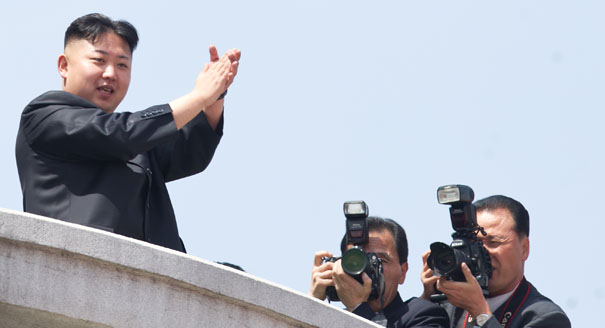
The UN Security Council says there has been a nuclear test in North Korea.
Source: Al Jazeera
Appearing on Al Jazeera, Carnegie's James Acton discussed the diplomatic response and key elements of the latest North Korean nuclear test. Acton pointed out that the diplomatic response to what seems like North Korea's third nuclear test will see a good deal of condemnation. "How this will be interpreted by the international community is going to depend quite heavily on how big the yield of this test was," said Acton. "There's a lot of uncertainty at the moment, but if it's really one kilometer, which is actually pretty deep for a nuclear test, this test could be substantially larger than the previous two," Acton added.
Acton argued that the United States and South Korea will not want to escalate the military response at the initial stages of their reactions, but will instead work with the United Nations and China to condemn the test. "They key issue about this nuclear test will be - if radioactive particles are detected in the air - to see if it's a uranium test or a plutonium test," Acton concluded.

Jessica T. Mathews Chair, Co-director, Nuclear Policy Program
Acton holds the Jessica T. Mathews Chair and is co-director of the Nuclear Policy Program at the Carnegie Endowment for International Peace.
Recent Work

James M. Acton, Ankit Panda
James M. Acton
Carnegie does not take institutional positions on public policy issues; the views represented herein are those of the author(s) and do not necessarily reflect the views of Carnegie, its staff, or its trustees.
Despite the agreement’s uncertainty, it’s still a significant development in regional and nuclear policy.


Andrew Leber, Jane Darby Menton
The nuclear weapons threshold is increasingly important for proliferation strategy and policy. Policymakers should better understand the implications of the threshold phenomenon in the current international security environment and plausible strategies to deal with the growing challenge that it presents.


Ariel (Eli) Levite, Toby Dalton
It seems likely that, no matter what, the power of the U.S. nuclear arsenal will face erosion, not least in the credibility of its commitments to defend allies and the political durability of those alliances.
James M. Acton, Ankit Panda
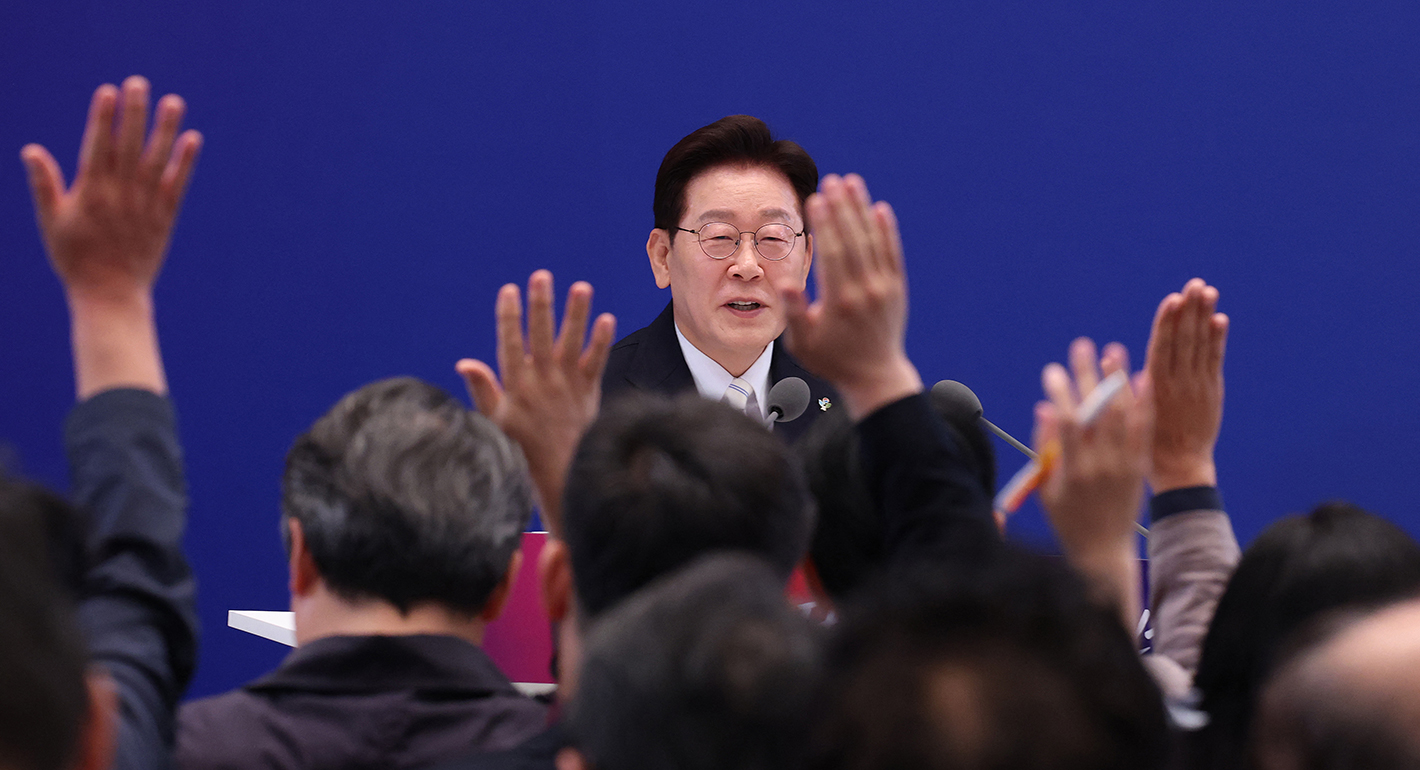
President Lee marked his first year in office after one of the most tumultuous periods in South Korean politics. Though Lee has enjoyed a high approval rating, a large majority in the National Assembly, and foreign policy victories, Lee and his party’s political fortunes depend on generating economic growth, learning the right lessons from the recent local elections, and managing contentious factional strife within his political base.
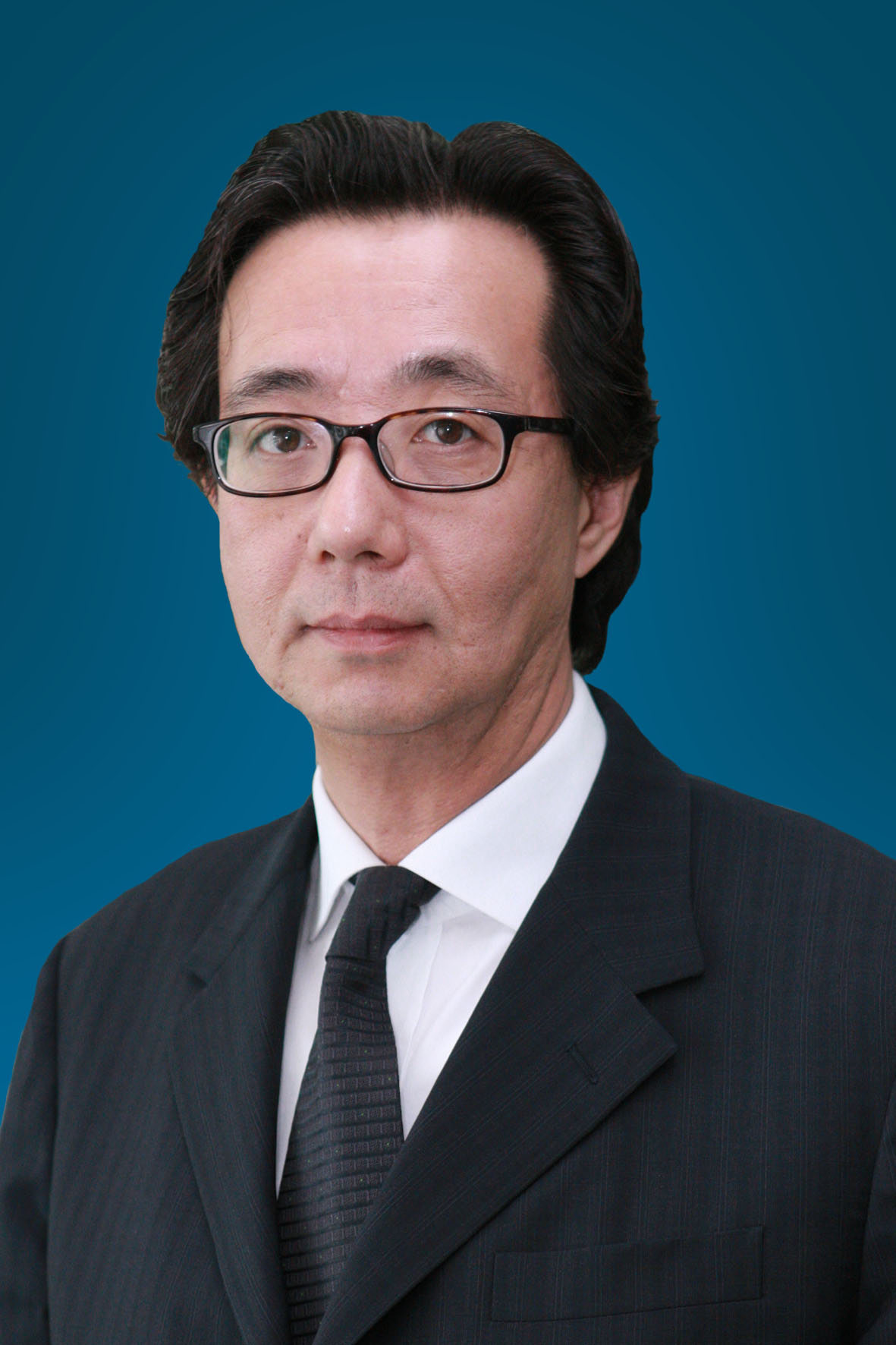
Chung Min Lee

By burying disagreements in imprecision, the new deal risks same fate as its predecessors.
James M. Acton