

Other
- +18
James M. Acton, Saskia Brechenmacher, Cecily Brewer, …
{
  "authors": [
    "James M. Acton"
  ],
  "type": "legacyinthemedia",
  "centerAffiliationAll": "dc",
  "centers": [
    "Carnegie Endowment for International Peace"
  ],
  "collections": [
    "Korean Peninsula"
  ],
  "englishNewsletterAll": "ctw",
  "nonEnglishNewsletterAll": "",
  "primaryCenter": "Carnegie Endowment for International Peace",
  "programAffiliation": "NPP",
  "programs": [
    "Nuclear Policy"
  ],
  "projects": [],
  "regions": [
    "East Asia",
    "North Korea"
  ],
  "topics": [
    "Nuclear Policy",
    "Arms Control"
  ]
}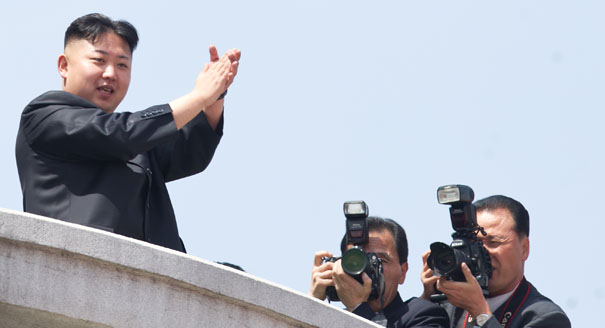
Source: Getty
The UN Security Council says there has been a nuclear test in North Korea.
Source: Al Jazeera
Appearing on Al Jazeera, Carnegie's James Acton discussed the diplomatic response and key elements of the latest North Korean nuclear test. Acton pointed out that the diplomatic response to what seems like North Korea's third nuclear test will see a good deal of condemnation. "How this will be interpreted by the international community is going to depend quite heavily on how big the yield of this test was," said Acton. "There's a lot of uncertainty at the moment, but if it's really one kilometer, which is actually pretty deep for a nuclear test, this test could be substantially larger than the previous two," Acton added.
Acton argued that the United States and South Korea will not want to escalate the military response at the initial stages of their reactions, but will instead work with the United Nations and China to condemn the test. "They key issue about this nuclear test will be - if radioactive particles are detected in the air - to see if it's a uranium test or a plutonium test," Acton concluded.

Jessica T. Mathews Chair, Co-director, Nuclear Policy Program
Acton holds the Jessica T. Mathews Chair and is co-director of the Nuclear Policy Program at the Carnegie Endowment for International Peace.
Recent Work

James M. Acton, Saskia Brechenmacher, Cecily Brewer, …
James M. Acton
Carnegie does not take institutional positions on public policy issues; the views represented herein are those of the author(s) and do not necessarily reflect the views of Carnegie, its staff, or its trustees.
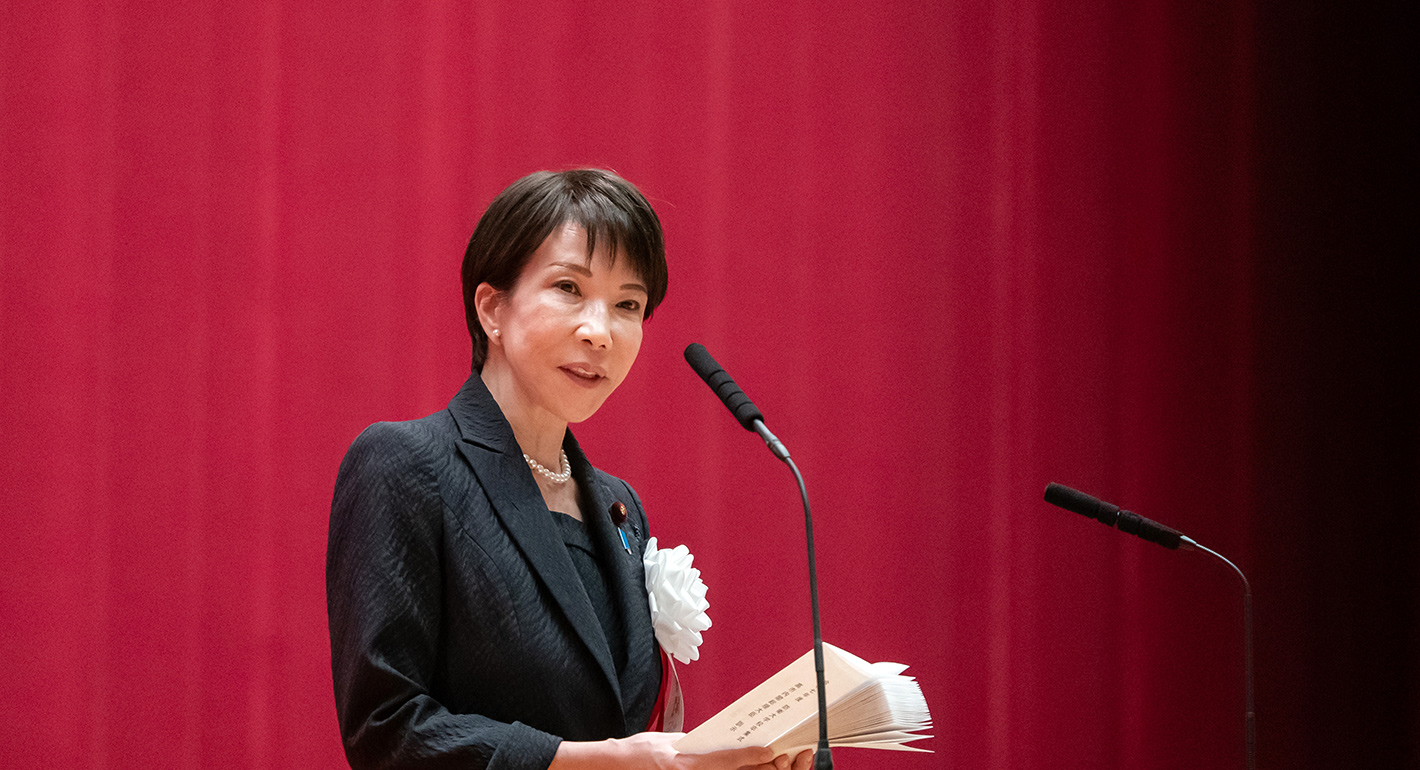
Japan’s prime minister, Takaichi Sanae, may kickstart a discussion on Japan’s non-nuclear principles.
Shizuka Kuramitsu
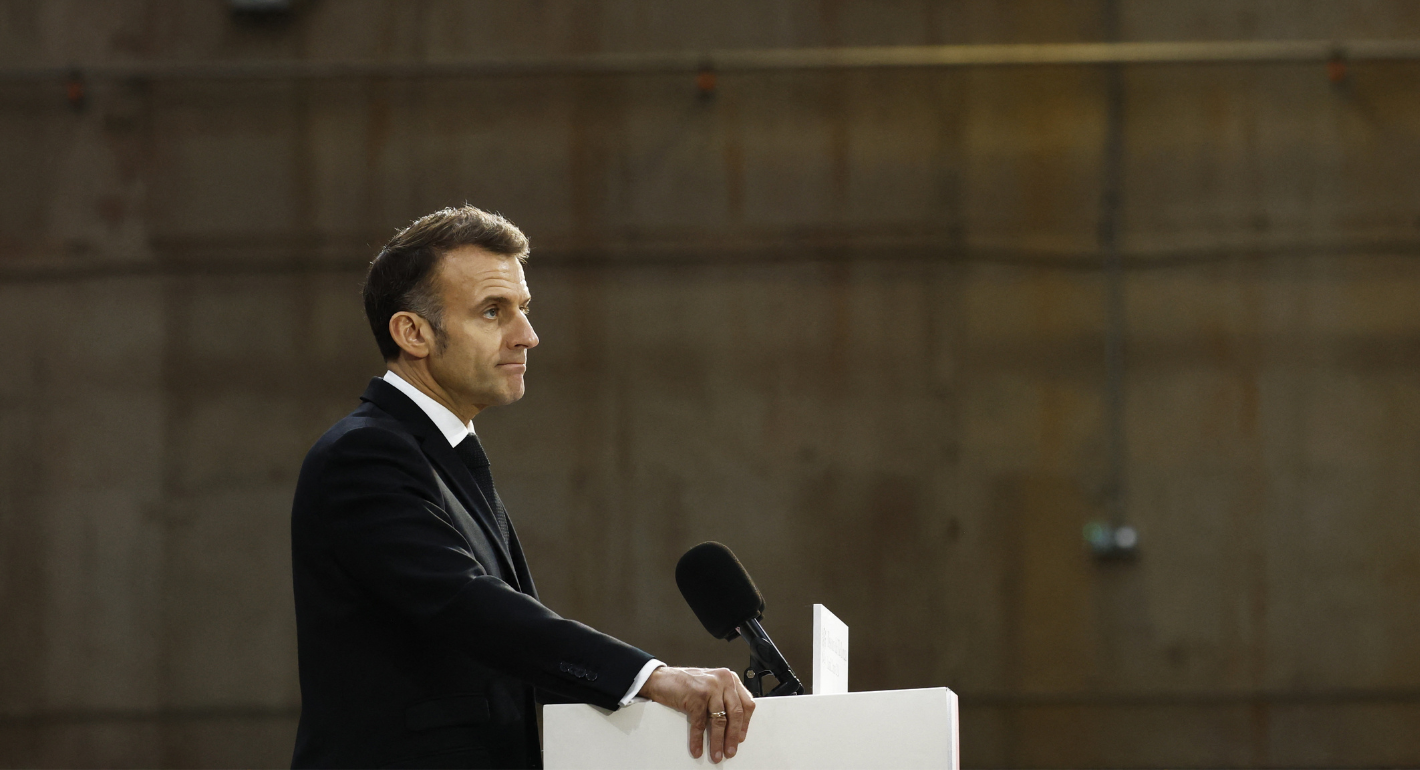
French President Emmanuel Macron has unveiled his country’s new nuclear doctrine. Are the changes he has made enough to reassure France’s European partners in the current geopolitical context?

Rym Momtaz, ed.

Censorship in China spans the public and private domains and is now enabled by powerful AI systems.
Nathan Law
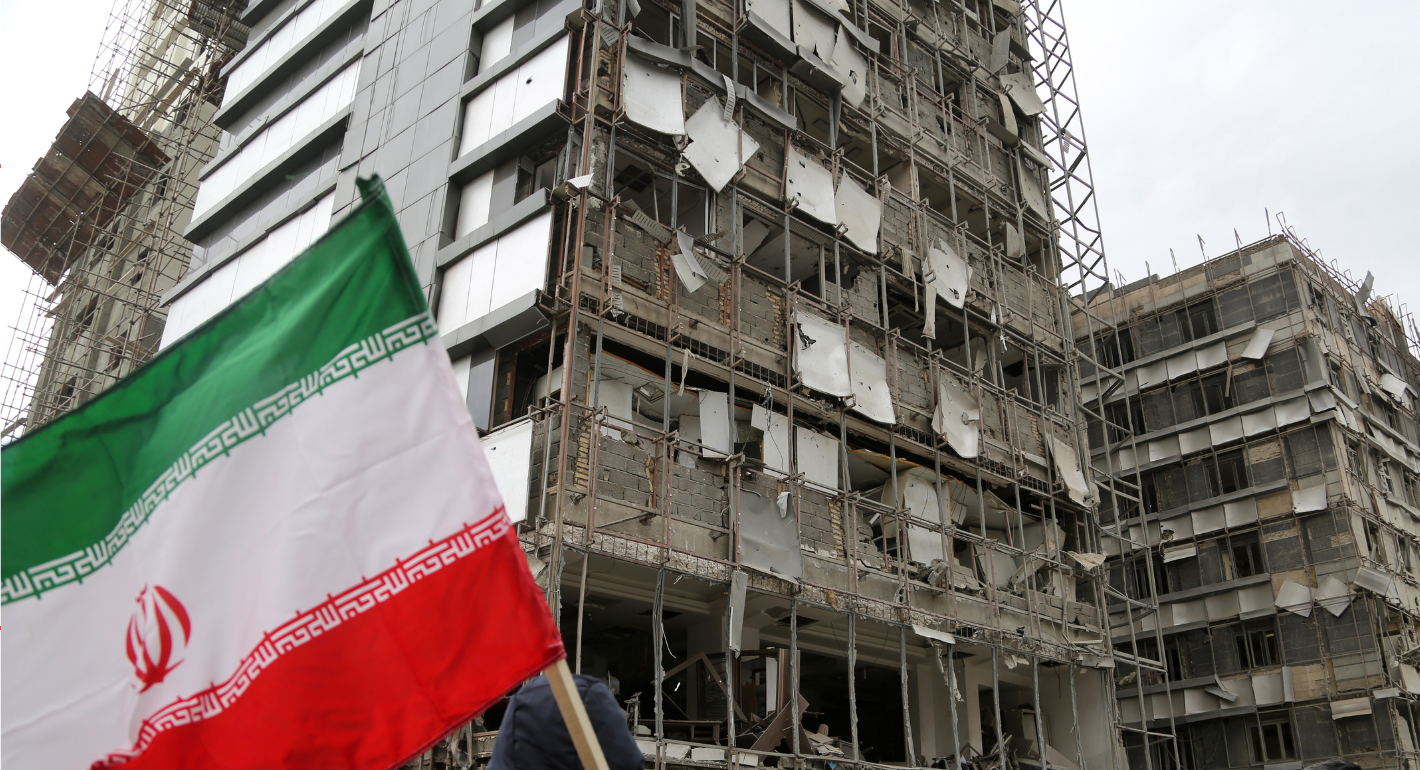
Europe’s reaction to the war in Iran has been disunited and meek, a far cry from its previously leading role in diplomacy with Tehran. To avoid being condemned to the sidelines while escalation continues, Brussels needs to stand up for international law.

Pierre Vimont
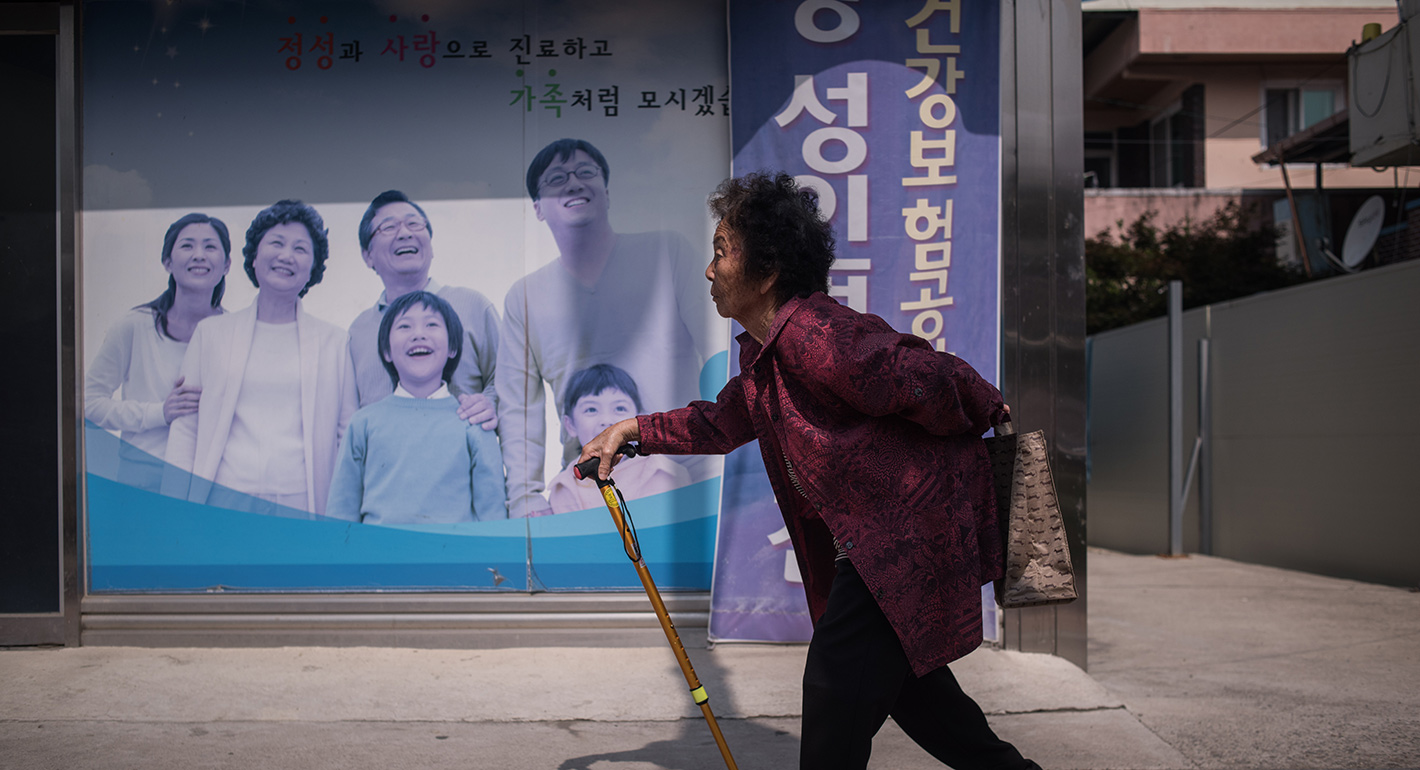
South Korea’s rapid demographic transition previews governance challenges many advanced and middle-income economies will face. This paper argues that aging is not only a care issue but a structural governance challenge—reshaping welfare, productivity, and fiscal sustainability, and reorganizing responsibilities across the state, private sector, and society.

Darcie Draudt-Véjares