

Research
- +10
Rosa Balfour, Frances Z. Brown, Yasmine Farouk, …
{
  "authors": [
    "Moisés Naím"
  ],
  "type": "legacyinthemedia",
  "centerAffiliationAll": "",
  "centers": [
    "Carnegie Endowment for International Peace"
  ],
  "collections": [],
  "englishNewsletterAll": "",
  "nonEnglishNewsletterAll": "",
  "primaryCenter": "Carnegie Endowment for International Peace",
  "programAffiliation": "",
  "programs": [],
  "projects": [],
  "regions": [
    "North America"
  ],
  "topics": [
    "Economy",
    "Global Governance"
  ]
}
Source: Getty
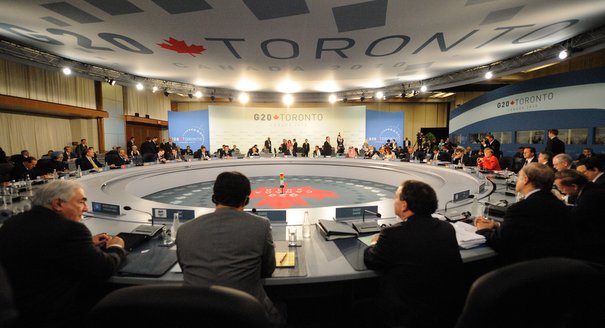
As the nature of power shifts and new actors grow in importance, a transformation in global governance will depend more greatly on coalition-building rather than concentrated power among a handful of actors.
Source: C-SPAN
Speaking on C-SPAN, Carnegie's Moisés Naím discussed the transformation of power throughout the 21st century. The restructuring of power, as well as its capabilities and implications, have shifted significantly. It is now more difficult to use and easier to lose. Concentrated power is declining and even eroding, while a more mobile and vocal populace is gaining relevance, Naím said.

Distinguished Fellow
Moisés Naím is a distinguished fellow at the Carnegie Endowment for International Peace, a best-selling author, and an internationally syndicated columnist.
Recent Work



Rosa Balfour, Frances Z. Brown, Yasmine Farouk, …
Moisés Naím
Carnegie does not take institutional positions on public policy issues; the views represented herein are those of the author(s) and do not necessarily reflect the views of Carnegie, its staff, or its trustees.

The Bureau of Industry and Security needs to adjust its focus and practices to maintain its position as the U.S. government’s primary champion of international technological competition.

Geoffrey Irving

Depleted financial reserves and a shrinking tax base mean it is no longer possible to simultaneously deliver high defense spending, price stability, and economic growth.

Alexandra Prokopenko
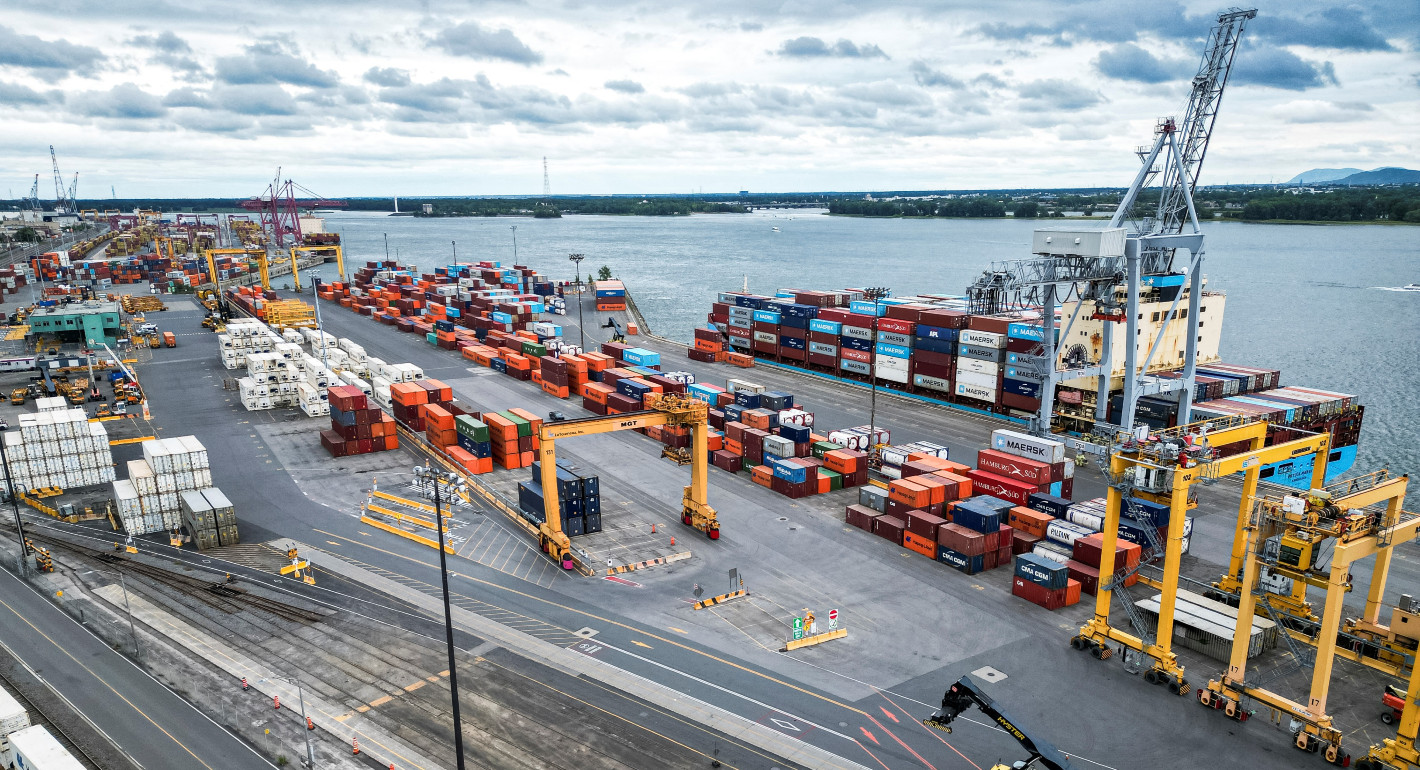
U.S. trading partners in Asia are closely watching the dispute for signs of how it may affect their own interests.
Barbara Weisel

With the growth in points of friction between the great powers, organizations like the SCO will continue to play a role in the strategic adaptation of the smaller powers caught between them.

Temur Umarov

Amid celebrations of bilateral ties was a deeper focus on stability in the Middle East.

Amr Hamzawy