

Commentary
Maria Lipman
{
  "authors": [
    "Maria Lipman"
  ],
  "type": "legacyinthemedia",
  "centerAffiliationAll": "",
  "centers": [
    "Carnegie Endowment for International Peace",
    "Carnegie Russia Eurasia Center"
  ],
  "collections": [],
  "englishNewsletterAll": "",
  "nonEnglishNewsletterAll": "",
  "primaryCenter": "Carnegie Russia Eurasia Center",
  "programAffiliation": "",
  "programs": [],
  "projects": [],
  "regions": [
    "Russia"
  ],
  "topics": [
    "Political Reform",
    "Civil Society"
  ]
}
Source: Getty
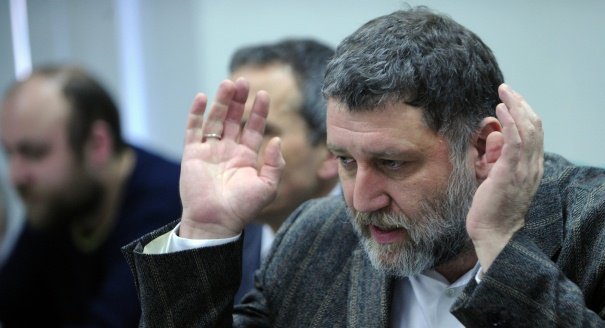
The protests in Russia cannot be called a political phenomenon, as the participants are experienced in civic activism but not in political life.
Source: Heinrich Böll Foundation
Carnegie’s Maria Lipman, a member of the organizing committee of the Khodorkovsky debates, was in Berlin for the 4th Khodorkovsky debates focusing on the modernization of Russia. In an interview with the Heinrich Böll Foundation, she talked about the protests in Russia and the opposition’s situation today.Lipman underlined that the activists who took part in the protests after the Duma elections in 2011 lack leaders, an obvious agenda, and the desire to participate in Russian politics. Thus, their actions cannot be called a political phenomenon, as the participants are experienced in civic activism but not in political life. The political sphere, as a whole, is controlled by the government, Lipman said.
Lipman added that the Coordination Council of the Russian opposition, in her opinion, does not have any chance to actually participate in politics, because the Kremlin has a tremendous advantage over societal forces, making the societal attempts to organize very weak.
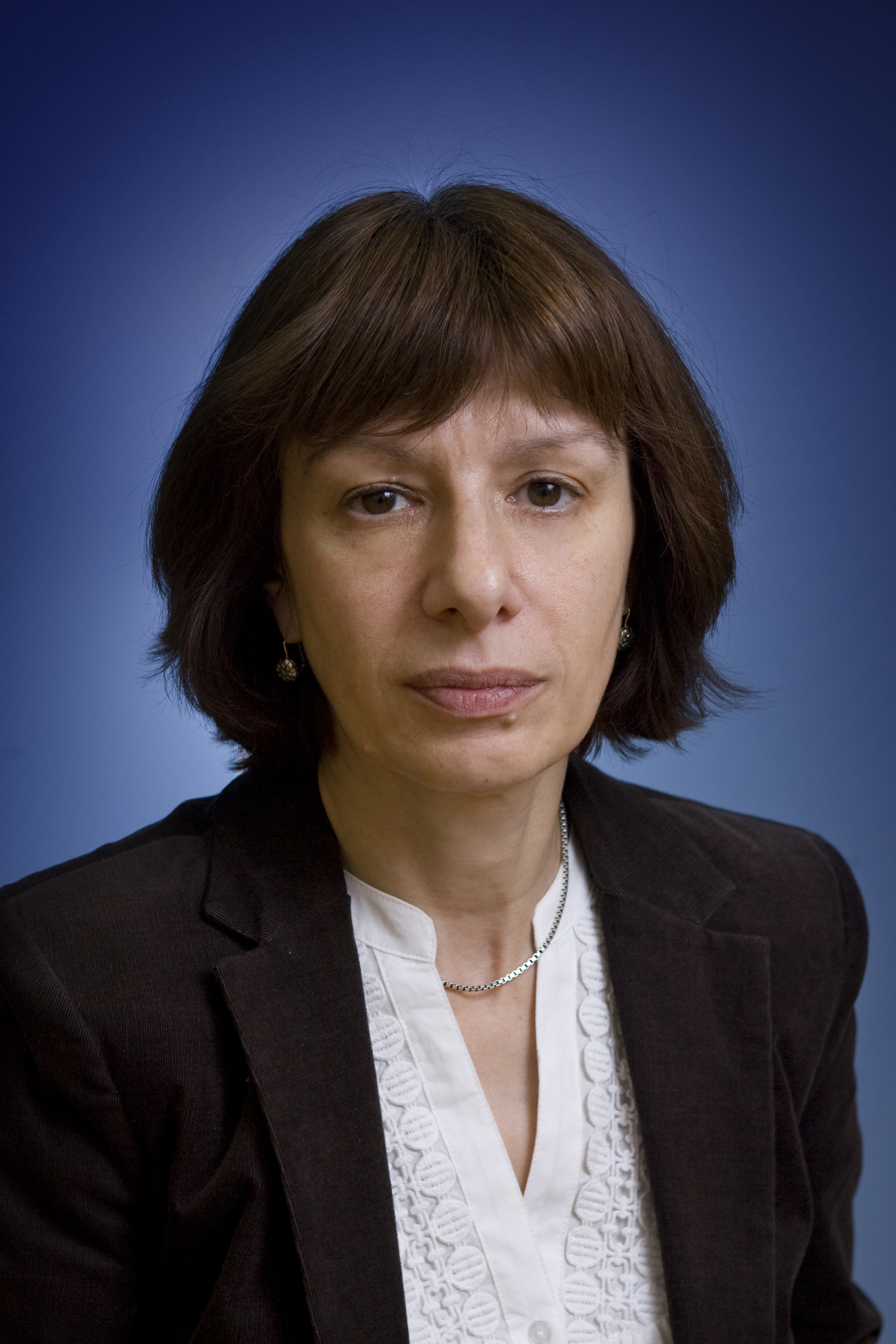
Former Scholar in Residence, Society and Regions Program, Editor in Chief, Pro et Contra, Moscow Center
Lipman was the editor in chief of the Pro et Contra journal, published by the Carnegie Moscow Center. She was also the expert of the Carnegie Moscow Center’s Society and Regions Program.
Recent Work
Maria Lipman
Maria Lipman
Carnegie does not take institutional positions on public policy issues; the views represented herein are those of the author(s) and do not necessarily reflect the views of Carnegie, its staff, or its trustees.

If the Russian-speaking community in Latvia cannot articulate their interests without being seen as disloyal, they could end up embracing a pro-Kremlin agenda.

Sergejs Potapkins

Russia’s ruling party would have benefited from Putin appearing as its distant patron, but as an active frontman imposing his views on the public, he has done nothing but harm both the party’s election campaign and the ruling system overall.

Andrey Pertsev

European Commission President Ursula von der Leyen is about to give her annual address on the state of the EU. Here’s what she won’t—but should—say.

Rym Momtaz

Depleted financial reserves and a shrinking tax base mean it is no longer possible to simultaneously deliver high defense spending, price stability, and economic growth.

Alexandra Prokopenko

Radical-right parties are expected to do well in upcoming elections in four of the EU's biggest member states. If successful, they could prevent the union from addressing key challenges ahead.

Stefan Lehne