

Commentary
Alexey Malashenko
{
  "authors": [
    "Alexey Malashenko"
  ],
  "type": "legacyinthemedia",
  "centerAffiliationAll": "",
  "centers": [
    "Carnegie Endowment for International Peace",
    "Carnegie Russia Eurasia Center"
  ],
  "collections": [],
  "englishNewsletterAll": "",
  "nonEnglishNewsletterAll": "",
  "primaryCenter": "Carnegie Russia Eurasia Center",
  "programAffiliation": "",
  "programs": [],
  "projects": [],
  "regions": [
    "North America",
    "United States",
    "Caucasus",
    "Russia"
  ],
  "topics": [
    "Security"
  ]
}
Source: Getty
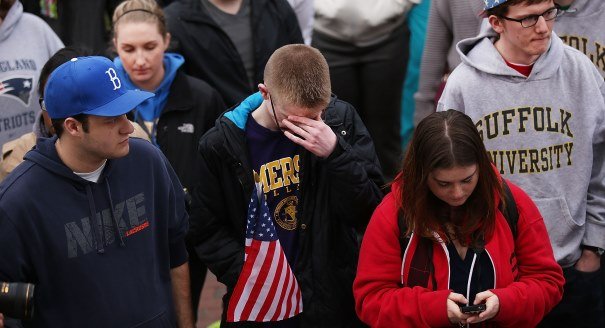
The current situation in Dagestan may have more bearing on the actions of the Boston bombers than the situation in Chechnya.
Source: NPR's Tell Me More
The two suspects in the Boston Marathon bombing were ethnically Chechen. The North Caucasian region of Chechnya has a troubled history. It has also seen some of that region's most notorious terrorist incidents in recent memory. Host Michel Martin learns more from Alexey Malashenko of the Carnegie Endowment for International Peace.
MICHEL MARTIN, HOST: The ethnic heritage of the Boston bombing suspects, as we just mentioned, is one of the things that officials are now looking at in evaluating the case. The Tsarnaev brothers are ethnically Chechen, although their relatives tell us they never actually lived there. Their parents reportedly fled the Central Asian region in the early 1990s.
While we still don't know what their motivation was, we do know that the older brother, Tamerlan Tsarnaev, reportedly traveled to a Russian city outside Chechnya early last year. We assume that many people have questions about what in the history and politics of that region might be factors here. So we've called Alexey Malashenko. He is an expert on Chechnya, and co-chair of Carnegie Moscow Center on Religion, Society and Security Program. That's a global policy organization.
Welcome to you. Thank you so much for joining us.
ALEXEY MALASHENKO: Thank you. Thank you for invitation.MARTIN: It's such a - obviously, such a complex story and you've been studying this for so much time, we couldn't possibly cover all the nuances of it. But can you just tell us what is it at the heart of the conflict between the Chechens and the Russians?
MALASHENKO: Well, look, at the moment - at the moment, there is no conflict. A big conflict between the federal center in Russia in Chechnya. In Chechnya, because after two Chechen wars, a lot of money was sent to Chechnya for reconstruction and now Chechnya is one of the well-organized and one of the richest republics in Caucasus. And, in general, majority of the population vary. In Chechnya Republic - and I have there a lot of times during two wars and after wars - more or less, but they are satisfied, and even I don't believe that there are big friction and problems between Moscow and Chechnya at the moment. I repeat, not yesterday, not several years ago.
So when they speak about why it was done by Chechens, they don't understand because the situation in neighboring republic to Chechnya, Dagestan, it's much more difficult, much more problematic because, in Dagestan, as we call it, a heart of Caucasus, there is a feel of war, and there in Dagestan, indeed, we have so-called radical Islamic extremist movement and practically every day - and precise, every day, somebody is killed in Dagestan, which is...
MARTIN: So Dagestan might be the more relevant...
MALASHENKO: Yeah.
MARTIN: ...relevant issue as opposed to their ethnic identity. But, before we move beyond the question of Chechnya and go to the question of Dagestan, many Americans might remember - all they might remember, really, and associated with Chechnya - is that Chechen fighters have been implicated in some of the most grotesque terrorist attacks of the last decade, the 2002 seizure of a Moscow theater that left more than 100 hostages dead, 2004 siege at the school in Beslan that left more than 300, many of these children, dead. Why would - there's just associated with kind of a level of violence that a lot of people find shocking. Is there something about the techniques here that are associated with that particular region?
MALASHENKO: Well, before I attempt to answer your question, I don't believe in a lot of speculations around a Chechen problem at the moment. But, however - well, it could be considered as a certain upshot of terrorist activity in Russia maybe because the method of explosion in Boston is very similar to what we have in Russia. It's a double explosion. When I heard it for the first time, immediately, I believed that maybe it is somebody from Caucasus. Maybe. Just - I didn't know at the time.
And, besides, I think it's a problem of - well, try to understand me - it's a problem of certain inferiority complex of Muslim migration who live in Russia, in Europe and in the United States. I don't believe that it began - I think that starting point of this bombing began when somebody of these two brothers were offended. Somebody told to them - you are a dirty - and so on, maybe. Yes? I don't insist, but it's quite probable.
And, at the same time, we have to multiply this insulation on general situation in the world. It's a very important - it's not a blah, blah, blah because we have Middle East. We have Caucasus. We have Afghanistan. We have everything. And this is Islamic Chechen migrant sensitivity.
MARTIN: A feeling of being humiliated?
MALASHENKO: Yeah, yeah, yeah.
MARTIN: You're saying a sense of being humiliated and being...
MALASHENKO: Sure, sure.
MARTIN: ...demeaned or not being respected. But...
MALASHENKO: Totally agree with you.
MARTIN: But, before we let you go, I'm just rephrasing what you were saying or suggesting. Before we let you go, you were saying that that particular - Dagestan actually might be more relevant to this whole question of - instead of Chechnya. What is happening in Dagestan, very briefly, if you could tell us? What are the causes of the unrest there?
MALASHENKO: I say it's a civil war. It's very simple. It's a civil war which, by the way, is recognized even by government. It was recognized by former president of Russia - Medvedev. It's very well known. It's an abnormal situation, but every week, every week or every couple of weeks, some - we had, in Dagestan, a terrorist act. It's funny, but it is so.
MARTIN: Well, no. Not funny. But what is the source of the grievance there? Is there a sense that the resources are not fairly shared? Is it a desire for self-governance? What is your sense of what's the source of it there?
MALASHENKO: It's because of a lot of some reasons and the political, economic, social or religious. But the main source - well, the big ground of this conflict is the frustration of the society in Caucasus, in general, and in particular in Dagestan, and they continue to search for so-called Islamic alternative, by all means, because they are totally unsatisfied with what Moscow is doing in Caucasus, in particular in Dagestan. So it is a reaction.
MARTIN: It's a reaction, a desire for - what - a distinct form of government, a distinct culture? They want to...
MALASHENKO: It is a desire to organize and end the government and the society on the principle of Islam, on the principle of Sharia. I don't know if it is impossible to do it within Russia itself, but they want - and some of them indeed continue to think about the possibility of creation Islamic state, independent Russia.
MARTIN: Well, obviously, there's more that we want to know. It's a very, you know, interesting question and, clearly, I want to, you know, emphasize again, I think it is worth mentioning. The family members expressed the hope that all people would not be stereotyped as a consequence of these particular acts, so it's important to mention once again that we are talking about two individuals with their individual motivations and certainly not meaning to cover the entire group of people with - to blame them for what occurred here.
Alexey Malashenko is a Chechnya expert. He's co-chair of Carnegie Moscow Center for Religion, Society and Security Program. He was kind enough to join us here in our Washington, D.C. studios.
Mr. Malashenko, thank you so much for speaking with us.
MALASHENKO: Thank you.
This transcript originally appeared on the National Public Radio site.
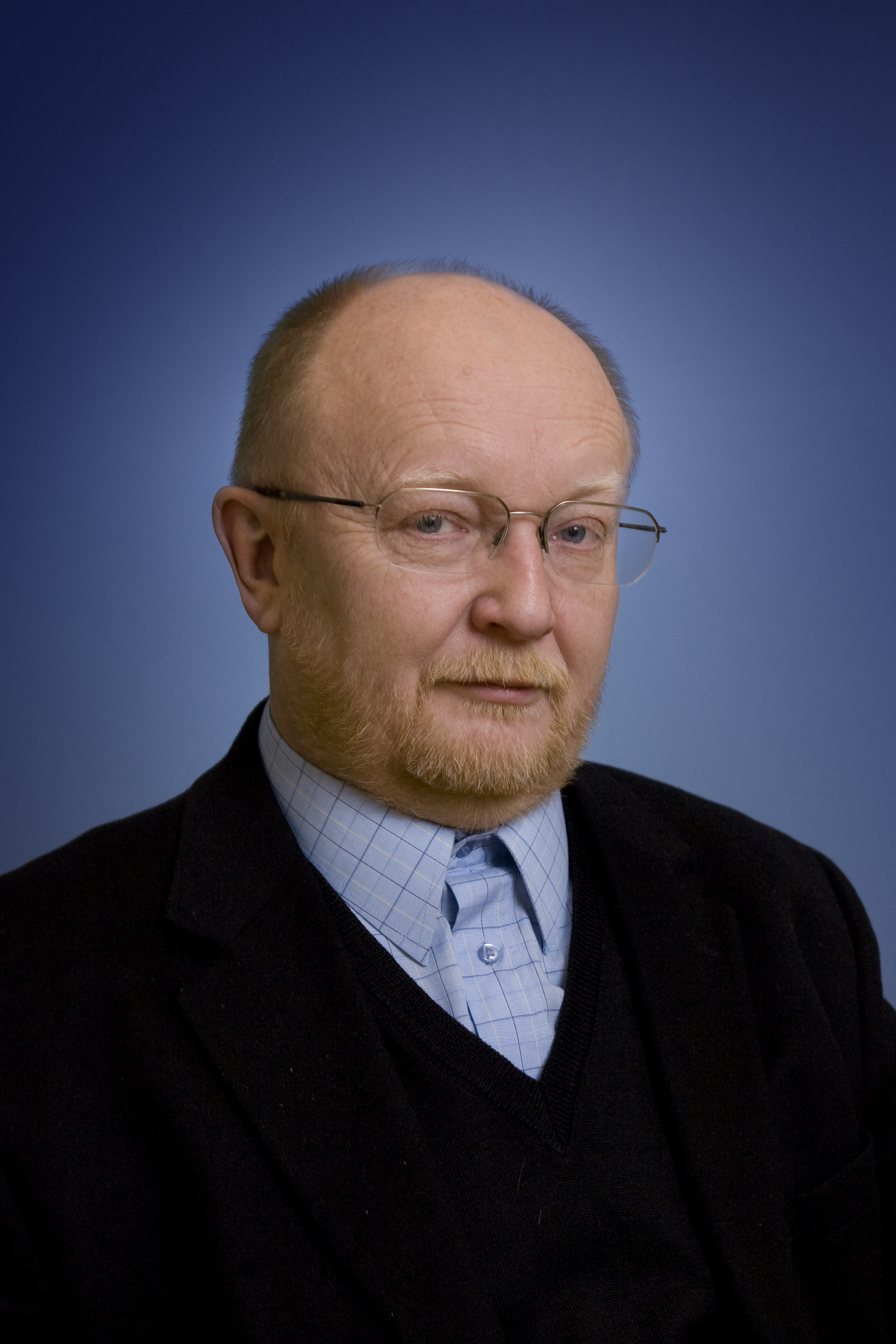
Former Scholar in Residence, Religion, Society, and Security Program
Malashenko is a former chair of the Carnegie Moscow Center’s Religion, Society, and Security Program.
Recent Work
Alexey Malashenko
Alexey Malashenko
Carnegie does not take institutional positions on public policy issues; the views represented herein are those of the author(s) and do not necessarily reflect the views of Carnegie, its staff, or its trustees.

It should address the shortcomings of previous crisis communication efforts and adapt to the demands of frontier AI.

Lucy Luo
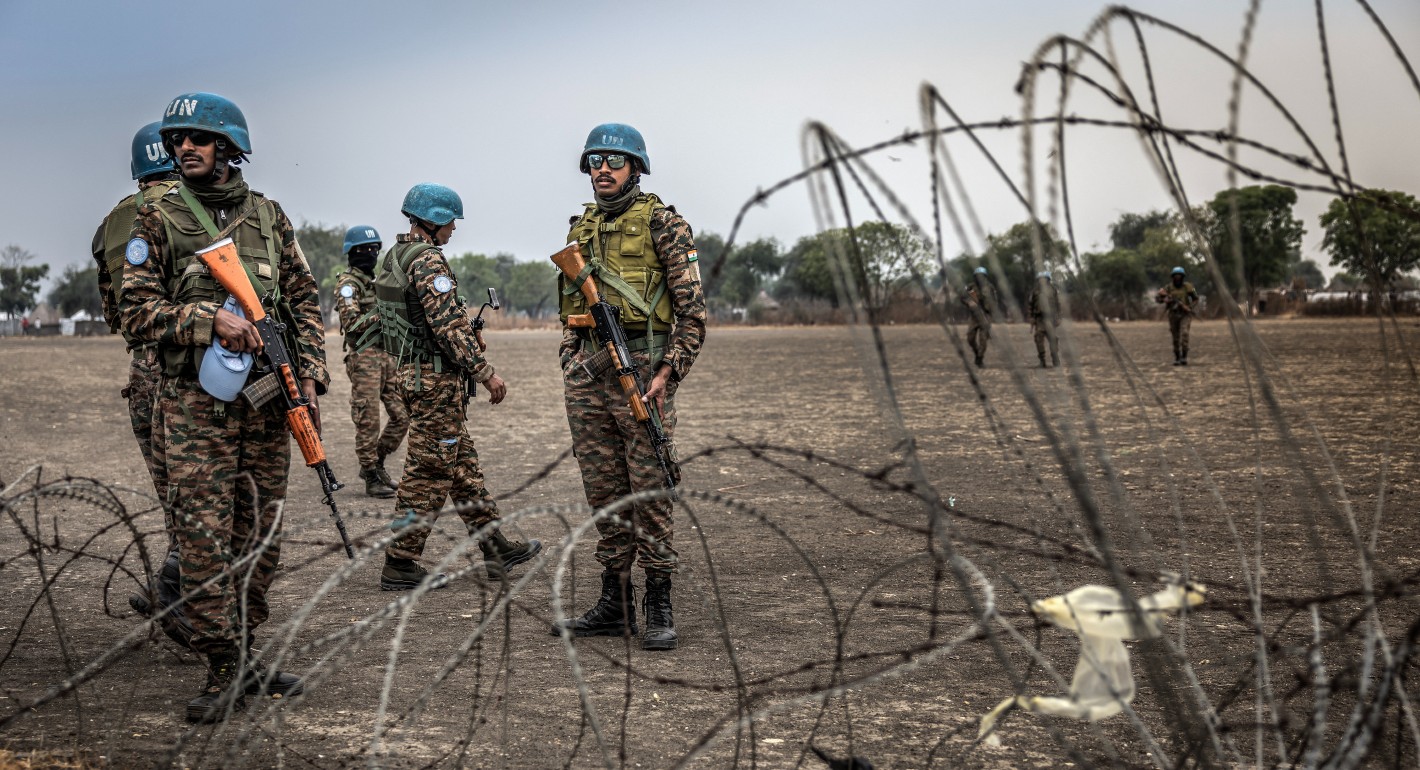
Washington’s decision to support some UN functions while letting others wither is pulling the organization apart at the seams.

Stewart Patrick, Theodore Zaritsky
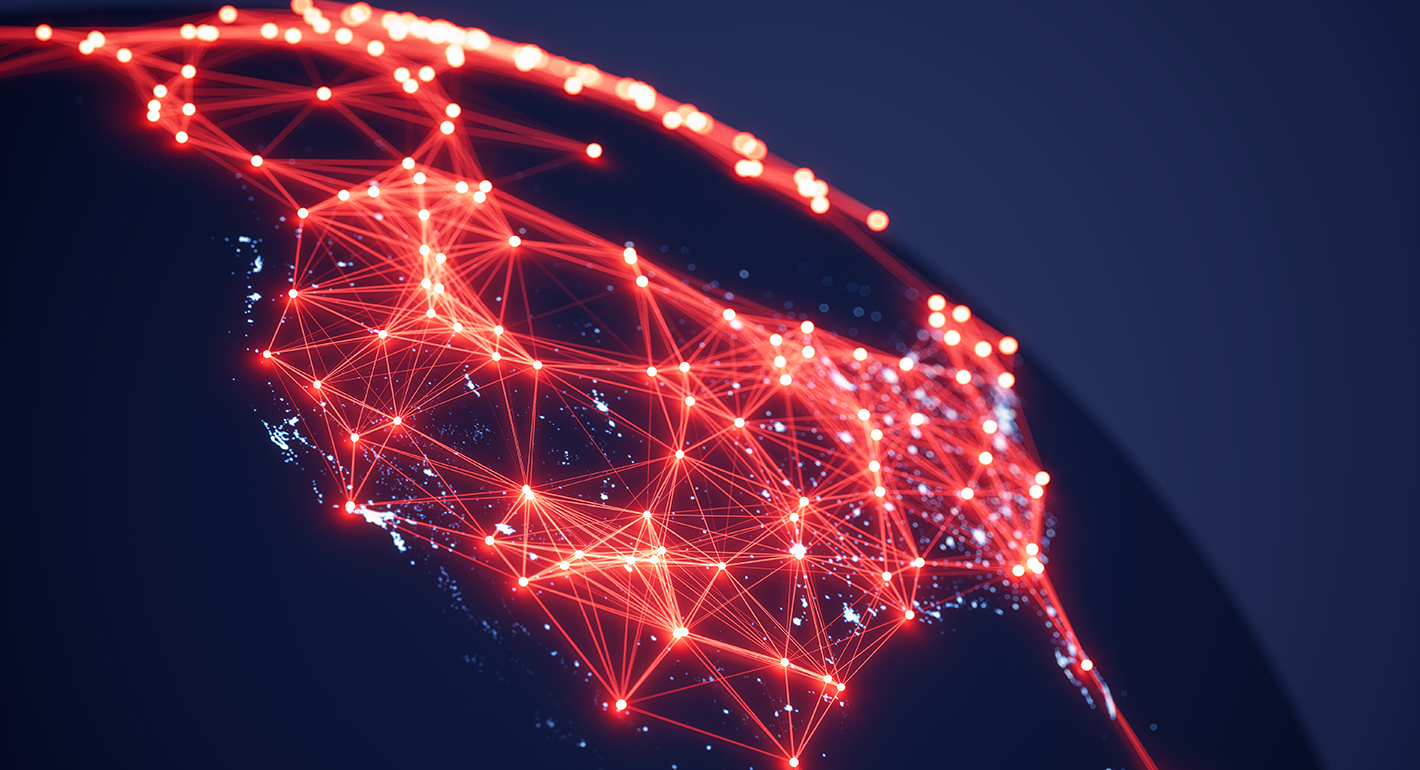
While there are notable demographic, economic, and geographic divides over AI, there is also substantial alignment between Republicans and Democrats.

Ian Klaus, Mark Baldassare, Rachel George, …

Are Germany’s economic, industrial, and political struggles becoming a liability for the EU’s ability to rise to the geopolitical moment?

Rym Momtaz, ed.

Russia’s ruling party would have benefited from Putin appearing as its distant patron, but as an active frontman imposing his views on the public, he has done nothing but harm both the party’s election campaign and the ruling system overall.

Andrey Pertsev