

Q&A
Aaron David Miller, Karim Sadjadpour, Robin Wright
{
  "authors": [
    "Karim Sadjadpour"
  ],
  "type": "legacyinthemedia",
  "centerAffiliationAll": "dc",
  "centers": [
    "Carnegie Endowment for International Peace"
  ],
  "collections": [],
  "englishNewsletterAll": "menaTransitions",
  "nonEnglishNewsletterAll": "",
  "primaryCenter": "Carnegie Endowment for International Peace",
  "programAffiliation": "MEP",
  "programs": [
    "Middle East"
  ],
  "projects": [],
  "regions": [
    "Middle East",
    "Iran"
  ],
  "topics": [
    "Political Reform",
    "Economy"
  ]
}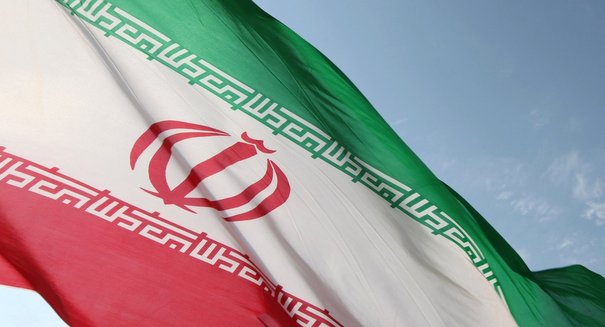
Source: Getty
The outcome of the recent presidential election in Iran was unpredictable in that over the last decade in Iran, moderates and reformists had generally been purged from the corridors of power.
Source: NPR’s Weekend Edition
RACHEL MARTIN, HOST: This is WEEKEND EDITION from NPR News. I'm Rachel Martin. There will be no runoff election, no contested ballots. Iran has a new president, and he won the vote decidedly. Results were announced yesterday, and Islamic cleric Hasan Rowhani was elected with a commanding 50.7 percent of the vote. The win strikes a blow for conservatives. Rowhani was considered the only moderate candidate in the election. Joining us in the studio now is Karim Sadjadpour. He is a leading researcher on Iran at the Carnegie Endowment for International Peace. Karim, thanks so much for being here.
KARIM SADJADPOUR: Thank you.
MARTIN: So, turnout was very high I understand - over 70 percent. And Rowhani's closest rival, the mayor of Tehran, only took about 15 percent of the vote. Did the outcome of this election surprise you at all?
SADJADPOUR: It did. The Iranian presidential elections tended to be un-free, unfair and unpredictable. And this outcome was certainly unpredictable in that over the last decade in Iran, moderates and reformists had really been purged from the corridors of power. And given what took place in 2009 with Mahmoud Ahmadinejad's contested re-election. I think many people, including myself, were skeptical that they were going through respect integrity of the ballot box. And so Rowhani, of all the candidates, was the lone voice of moderation. And I think for the Iranian people it was a positive outcome.
MARTIN: Let's a little bit more about this man and his background. He is considered a moderate but he also has a long history of working in the defense establishment in Iran. Can you explain his position for us?
SADJADPOUR: Well, he really is a consummate regime insider. He was someone who was an acolyte of the father of the revolution, Ayatollah Khomeini. He's been very close to kind of the pillars of the modern day Islamic republic, the current supreme leader Ayatollah Khamenei, former President Hashemi Rafsanjani. And Rowhani's's most recent significant position, he was head of essentially Iran's national security council. And more importantly than that, he was Iran's chief nuclear negotiator. So, this is someone who has an intimate understanding of the nuclear file. And given how integral and how central this nuclear program has come to Iran's regime, I think it is advantageous for them to have someone who is so intimately involved in this issue.
MARTIN: I want to get back to the issue of Iran's nuclear program. But first, wondering how much Rowhani's election has to do with the economy and the economic problems in Iran.
SADJADPOUR: Huge. I mean, this is an issue which I think preoccupies the vast majority of Iranians because they're not only chafing under internal mismanagement and corruption but they're also chafing under an incredibly draconian international sanctions regime. There are U.S. sanctions against Iran's central bank, a European oil embargo, six U.N. Security Council resolutions. So, the quality of life of most Iranians has dropped precipitously during the era of Mahmoud Ahmadinejad. And so, and Rowhani promised moderation implicit, and that was, you know, he was going to be the candidate that was going to resolve some of these international differences in order to lessen the sanctions.
MARTIN: So finally, the issue of Iran's nuclear program. This has been a sticking point, creating tension between the U.S. and the West. Is that likely to change now?
SADJADPOUR: Tactically, I think certainly. Because you now have a president in Tehran in Rowhani who isn't going to be denying the Holocaust and calling for Israel's demise. He's a smooth-talking moderate, so tactically there's going to be differences. The big question is how much Rowhani can affect the strategic principles of the Islamic Republic, which have historically been resistance against the United States, belligerence towards Israel and this kind of non-compromising, inflexible nuclear position. You know, it's important to understand that the unelected authority, Iran's supreme leader, still has the vast majority of Iran's constitutional power.
MARTIN: Karim Sadjadpour is a senior associate at the Carnegie Endowment for International Peace. He joins us here in our studios in Washington. Karim, thank you so much for coming in.
SADJADPOUR: Anytime, Rachel. Thank you.
This interview was originally broadcast on NPR's Weekend Edition.

Senior Fellow, Middle East Program
Karim Sadjadpour is a senior fellow at the Carnegie Endowment for International Peace, where he focuses on Iran and U.S. foreign policy toward the Middle East.
Recent Work


Aaron David Miller, Karim Sadjadpour, Robin Wright
Aaron David Miller, David Petraeus, Karim Sadjadpour
Carnegie does not take institutional positions on public policy issues; the views represented herein are those of the author(s) and do not necessarily reflect the views of Carnegie, its staff, or its trustees.

The EU’s new migration policy is not suited to today’s realities. With climate change increasingly becoming a driver of displacement, Europe needs to rethink its deterrence-focused approach.

Shana Tabak
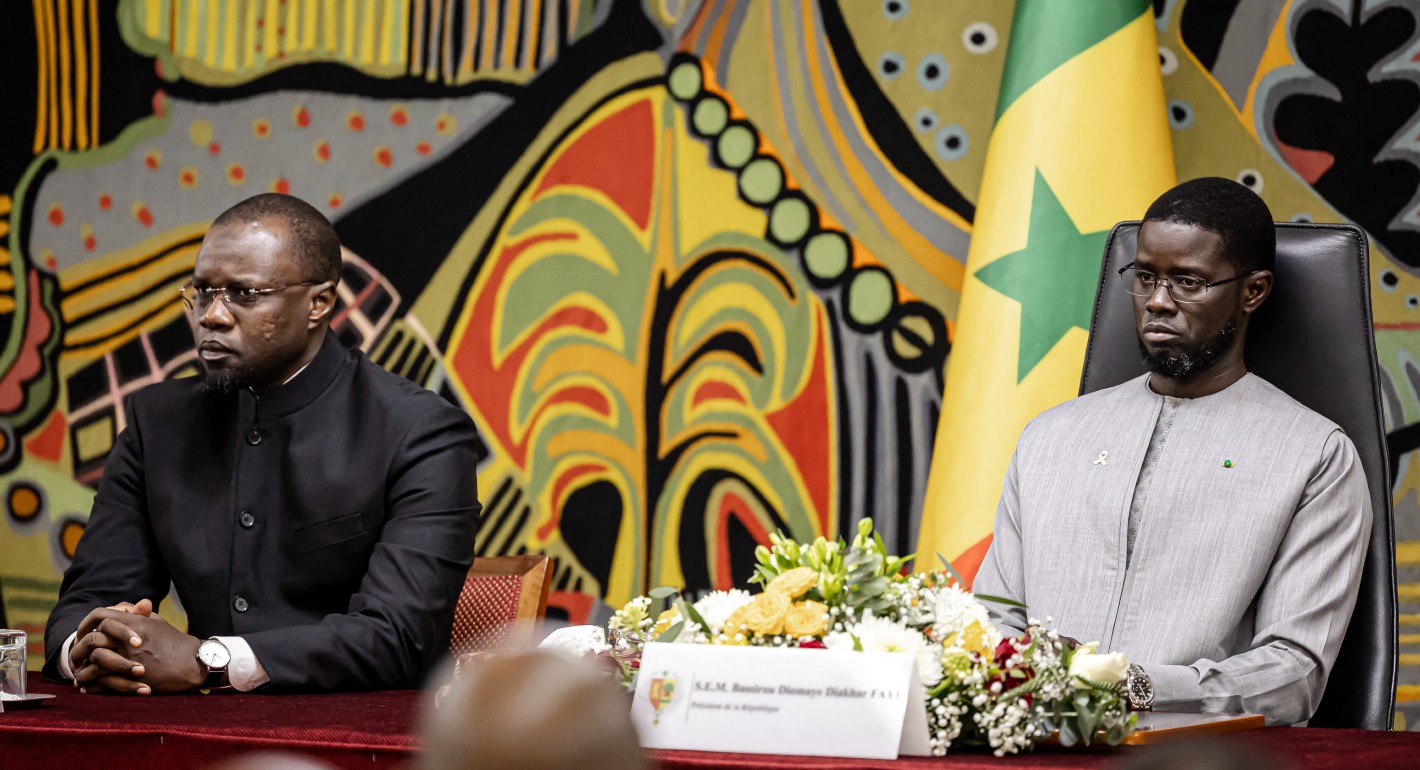
The impacts of the Faye-Sonko rupture could go well beyond the country’s borders.

Lesley Anne Warner
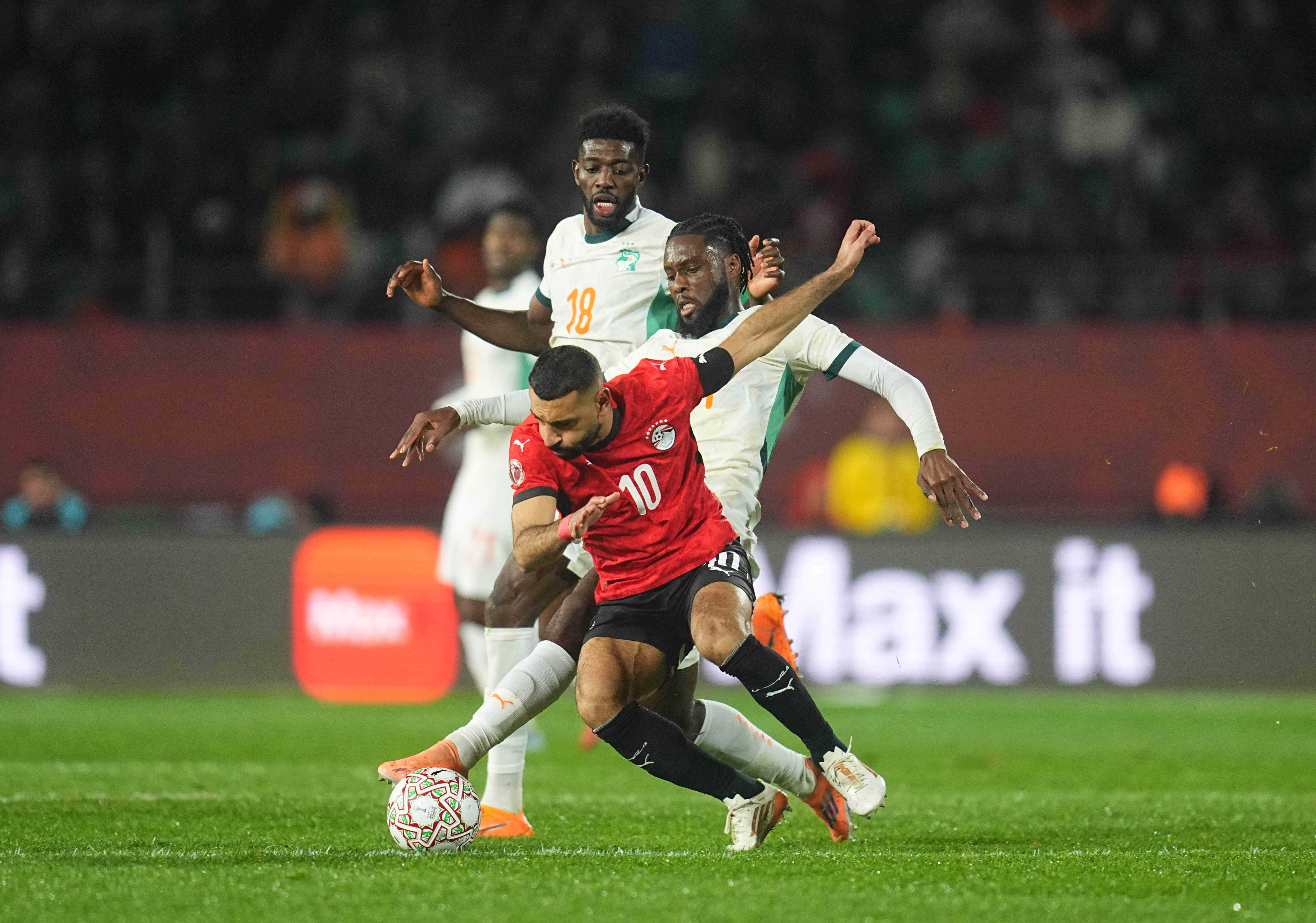
This will be the region’s most representative tournament, amid broad changes in its footballing landscape.
Issam Kayssi
By fueling the arguments of both supporters and opponents of Armenian Prime Minister Nikol Pashinyan, Azerbaijan wants to ensure he is re-elected with a weaker mandate.

Bashir Kitachaev

A much-discussed disagreement over internet restrictions in Russia was never an existential threat for Putin: It was about elite groups protecting their interests.

Alexandra Prokopenko