

Article
C. Raja Mohan, Darshana M. Baruah
{
  "authors": [
    "C. Raja Mohan"
  ],
  "type": "legacyinthemedia",
  "centerAffiliationAll": "dc",
  "centers": [
    "Carnegie Endowment for International Peace",
    "Carnegie China",
    "Carnegie India"
  ],
  "collections": [
    "China’s Foreign Relations",
    "U.S.-China Relations"
  ],
  "englishNewsletterAll": "ctw",
  "nonEnglishNewsletterAll": "",
  "primaryCenter": "Carnegie India",
  "programAffiliation": "SAP",
  "programs": [
    "South Asia"
  ],
  "projects": [],
  "regions": [
    "North America",
    "United States",
    "South Asia",
    "India",
    "East Asia",
    "China"
  ],
  "topics": [
    "Foreign Policy",
    "Security"
  ]
}
Source: Getty
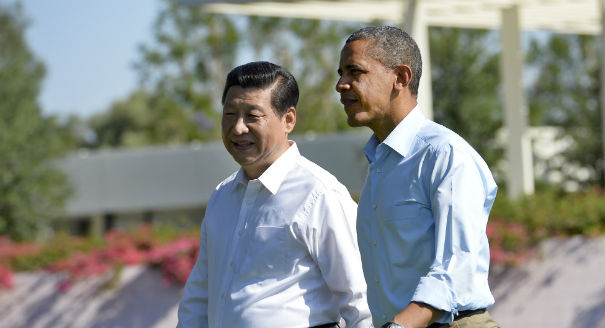
President Obama’s informal summit with Chinese president Xi should remind New Delhi of the need for deep diplomacy with both powers.
Source: Indian Express
The informal California summit over the weekend between the U.S. and Chinese presidents, Barack Obama and Xi Jinping, has unveiled a new phase in great power relations and demands a significant recalibration of India's recent foreign policy assumptions. Although the summit did not produce any major breakthroughs, its very conception is based on the American recognition that a measure of political understanding with China is necessary for the management of the challenges confronting Asia and the world.
Any talk of U.S.-China collaboration makes India rather nervous. Two recent occasions come to mind. In June 1998, barely weeks after the Indian and Pakistani nuclear tests, presidents Bill Clinton and Jiang Zemin declared the intent to build a strategic partnership and promote non-proliferation in the subcontinent. New Delhi went into a paroxysm denouncing the prospects for a Sino-U.S. "condominium" in Asia.In a Beijing summit in November 2009, Obama and Hu Jintao declared their commitment to seek stability in the subcontinent. Travelling to the US three weeks later, Prime Minister Manmohan Singh sought assurances from the U.S. president that Washington's partnership with Beijing will not be at the expense of Delhi. Looking back a little further, in the early years of the Cold War, India continually urged America and the Soviet Union to end their confrontation and seek peaceful coexistence. When America and Russia sought to achieve precisely those objectives in the 1970s, Delhi became anxious about superpower hegemony and protested nuclear agreements between them that constrained India's strategic options.
The current dynamic between America and China will pose even greater challenges to Delhi. In the 1970s, Delhi neutralized the impact of Sino-American rapprochement by a tighter embrace of Soviet Russia. Today, Moscow is much closer to Beijing and is not eager to balance a rising China.
Even more important, communist China, unlike Soviet Russia, is the second largest economy and the largest trading partner of the United States and all its major allies. China, then, has far greater leverage over America than Russia ever did in the Cold War.
India's response to the new Sino-U.S. engagement must be based on a number of factors. For one, Delhi must recognize that China today is at the very top of the international power hierarchy. Three decades of rapid economic growth has made China the second most important power in the world and given Beijing unprecedented influence on global affairs. While Washington is under pressure to explore common ground with Beijing, it will not be easy constructing a comprehensive accommodation between a rising China and a U.S. that has shaped the international system since the middle of the last century. The American version of the G-2 is not the same as the Chinese conception of a "new type of great power relationship." Given the deep contradictions between the interests of the dominant power and the rising one, the process of reconciling them will be a long and difficult one.
In the new phase of the Sino-U.S. relationship, which will see both conflict and cooperation, India must seek more intensive cooperation with both the US and China rather than less. In the last three years, India held back on cooperation with the U.S. to avoid provoking China. It now finds Beijing discussing terms of endearment with Washington. Mercifully, the Chinese intrusion in Ladakh in April has reminded Delhi of the folly of distancing itself from Washington in order to placate Beijing. It will be equally unwise now for Delhi to stop potential cooperation with China because of the new tensions on the border. India's ability to manage the boundary problems with China will improve only if there is a deeper basis for cooperation with Beijing in other areas.
The next few weeks will offer the PM an opportunity to inject more vigor into India's engagement with the U.S. and China. This does not mean symmetry in India's relations with the US and China. Beijing poses more challenges to India's national security than Washington. China also constricts India's regional space and global aspirations, while America has become more supportive in recent years to India's international objectives. The visit of U.S. Secretary of State John Kerry to India later this month to hold the fourth round of the strategic dialogue and the PM's visit to Washington later in the year are good occasions to impart new momentum to the relations with the US. National Security Adviser Shivshankar Menon and Defense Minister A.K. Antony are due to visit Beijing soon. They must ensure that Beijing respects its earlier commitments to the maintenance of peace and tranquility returns to the long and contested border with China.
The greatest impact of changing Sino-U.S. relations will be on Asia, a primary theatre of interest for India. Beyond the simultaneous engagement with America and China, Delhi needs to deepen its partnership with its Asian friends and partners and raise India's own profile in the region. This will be the only way for India to shape the Asian balance of power and protect its regional interests from the vicissitudes of the Sino-U.S. relationship.
Finally, India must rediscover its voice on multilateralism as the Sino-U.S. dialogue seeks to devise rules for the road for such new domains as cyberspace, much in the manner that Washington and Moscow defined the global nuclear order during the Cold War.
Delhi can't afford to tail Beijing on global issues, as it has done in recent years. India needs to intensify consultations with the U.S., Europe and Japan on global problems to generate greater balance to India's current multilateralism.
Former Nonresident Senior Fellow, Carnegie India
A leading analyst of India’s foreign policy, Mohan is also an expert on South Asian security, great-power relations in Asia, and arms control.
Recent Work

C. Raja Mohan, Darshana M. Baruah


Alexander Gabuev, Paul Haenle, C. Raja Mohan, …
Carnegie does not take institutional positions on public policy issues; the views represented herein are those of the author(s) and do not necessarily reflect the views of Carnegie, its staff, or its trustees.

China’s banking crisis in the 2000s was resolved by transferring the costs to households through financial repression—a decision that recapitalized the banks while exacerbating the structural imbalances that continue to shape the Chinese economy today.

Michael Pettis
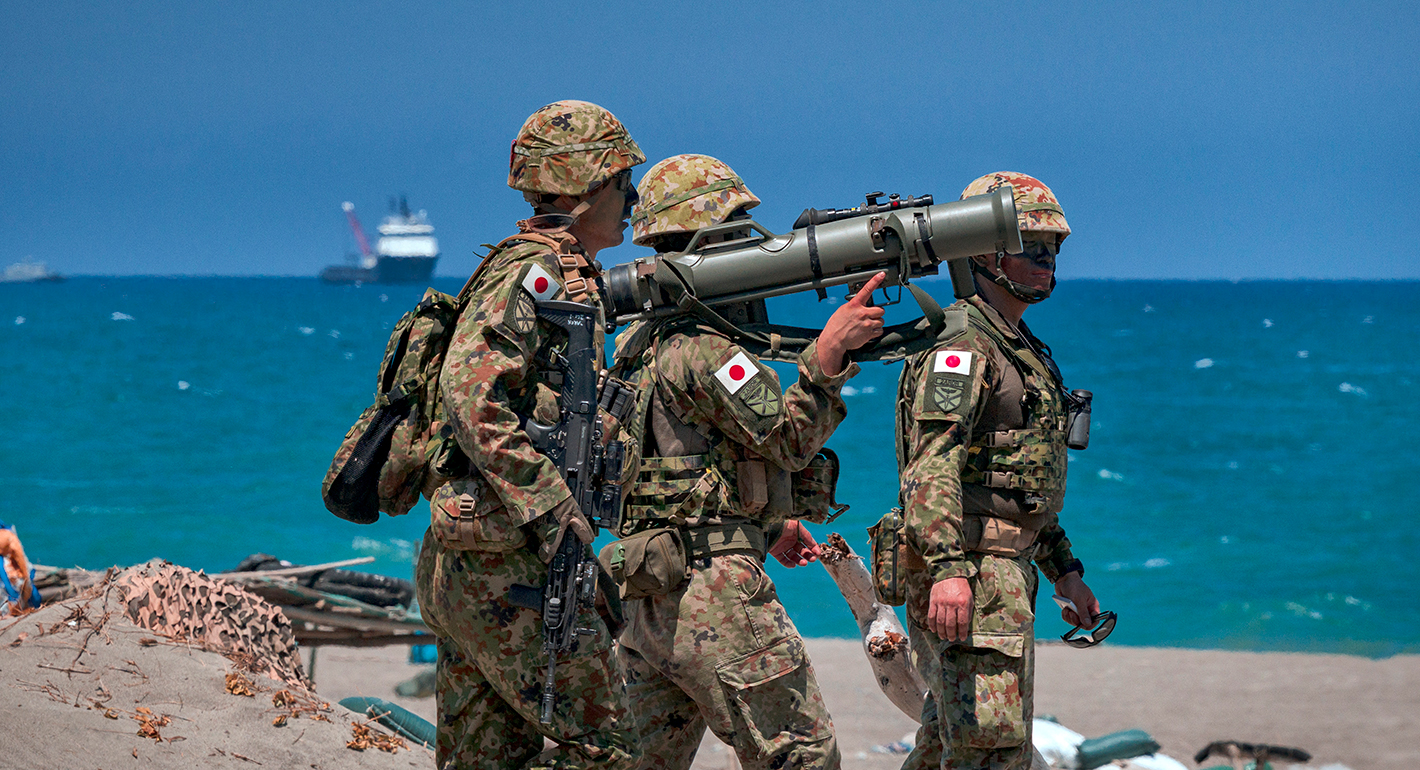
Japan’s revision of its three strategic documents reflects an intention to keep the United States engaged in the region while Japan fills any vacuums of U.S. power to preserve the Indo-Pacific order.

Ryo Sahashi

Chinese biotech companies have been on the receiving end of U.S. economic coercion. Yet their responses have differed significantly because firm and state interests are not uniformly aligned. For Washington, treating all Chinese tech firms the same, irrespective of their actual interests, risks pushing them farther into Beijing’s corner.

Xue Gong
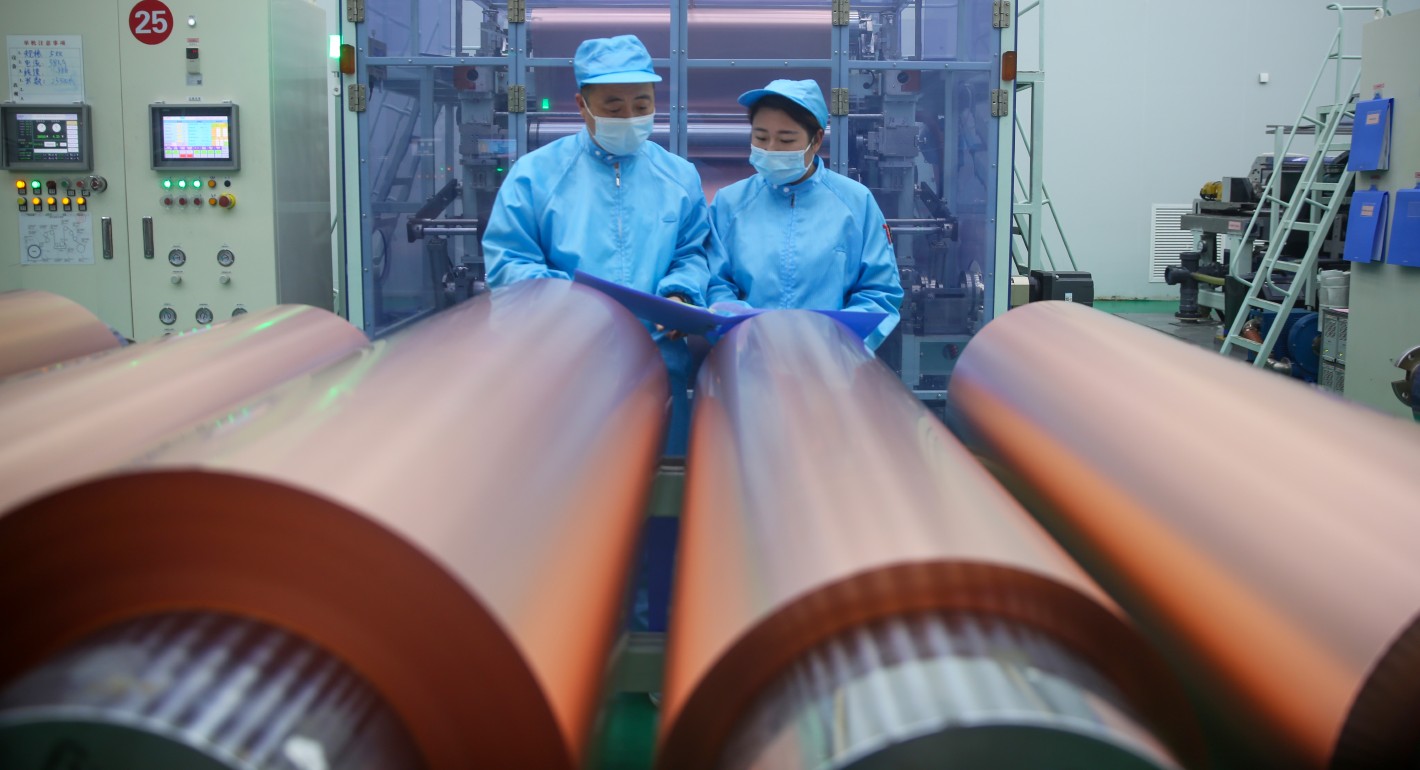
Over the past decade, China has moved from marginal player to major producer of all things batteries. The United States, Europe, and others are aiming to balance the market.

Milo McBride
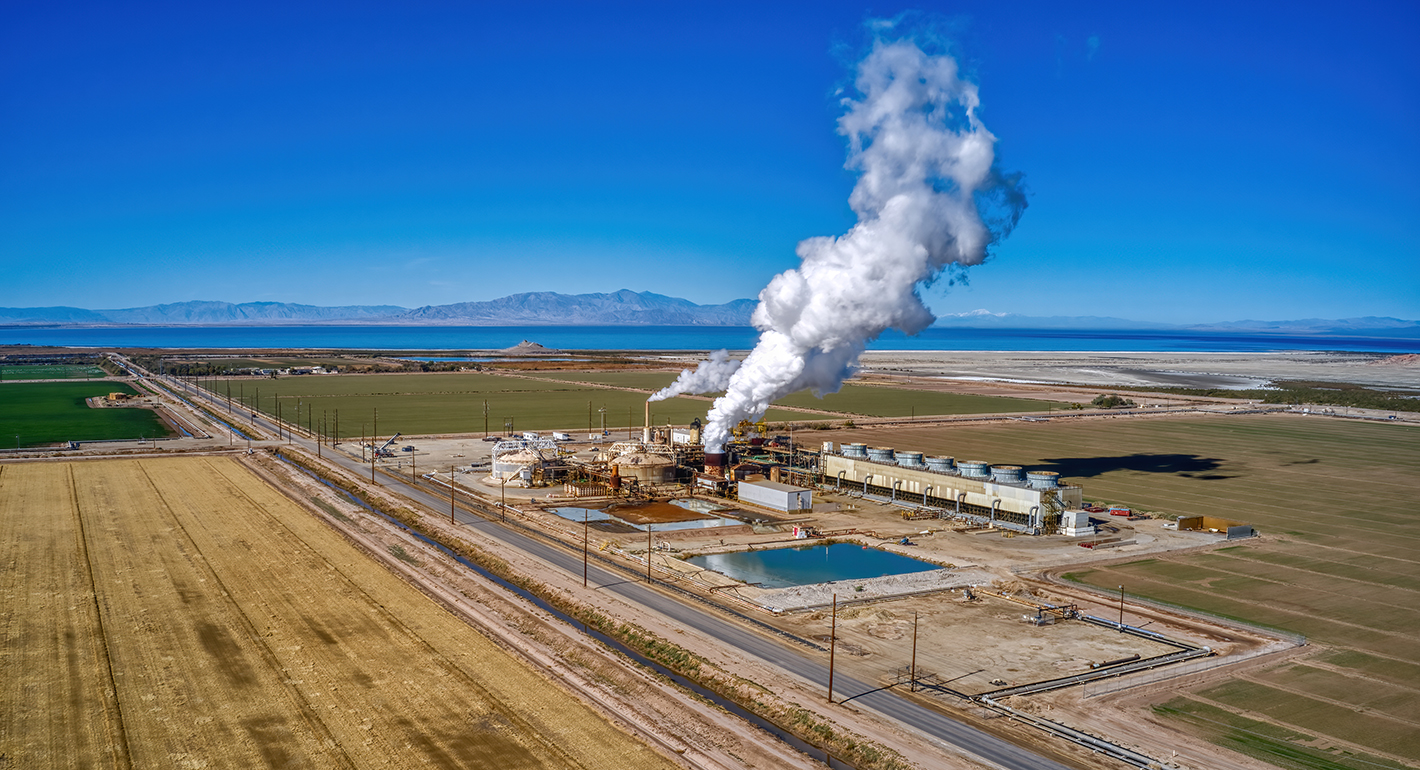
The DFC should focus on advanced, low-carbon energy sources, prioritizing areas where the United States has comparative advantages.

Noah Gordon, Liana Schmitter-Emerson