

Commentary
Michael Pettis
{
  "authors": [
    "Michael Pettis"
  ],
  "type": "legacyinthemedia",
  "centerAffiliationAll": "dc",
  "centers": [
    "Carnegie Endowment for International Peace",
    "Carnegie China"
  ],
  "collections": [
    "China’s Foreign Relations"
  ],
  "englishNewsletterAll": "asia",
  "nonEnglishNewsletterAll": "",
  "primaryCenter": "Carnegie Endowment for International Peace",
  "programAffiliation": "AP",
  "programs": [
    "Asia"
  ],
  "projects": [],
  "regions": [
    "East Asia",
    "China"
  ],
  "topics": [
    "Economy",
    "Security",
    "Global Governance"
  ]
}
Source: Getty
Strange as it may seem, many years of miracle growth are always the “easy” part for a poor country. The tough part is usually the subsequent adjustment needed to accommodate the changes generated over the miracle years.
Source: New York Times
As a "small-r" republican I would much prefer to see a multipolar world than one easily dominated by an imperial U.S., but I am skeptical about this happening within my lifetime. As the Pew report suggests, our predictions of the rise and fall of dominant powers tend to be driven more by popular excitability than by historical logic. For example in the 1930s, most people believed that Germany would overtake the U.S. In the 1960s it was obvious the U.S.S.R. would do so, and in the 1980s Japan’s rise to global dominance seemed inevitable.
There are however few cases in history, and none in modern history, of a less open power replacing a more open one. This is probably not a coincidence. The great strengths of the U.S., and fundamental to its rise, include its ability to adjust rapidly and its enormous creativity. It is hard to believe these qualities will become less important in the future.China, on the other hand, faces tremendous challenges that will determine how successful its 30 years of economic reform will have been. This is not to say that China cannot meet the challenges, but it does mean that the jury is still out.
Strange as it may seem, many years of miracle growth are always the “easy” part for a poor country. The tough part is usually the subsequent adjustment needed to accommodate the changes generated over the miracle years. Few countries have done so successfully. As someone who loves living in China I hope that the country is able to open up its society, create the kinds of institutional reforms that encourage innovation and creativity, and allow the necessary cultural and intellectual space for its people, but for now I worry that unless Europe recovers its elan the days of a truly multipolar world are still far away.
This article was originally published in the New York Times.

Nonresident Senior Fellow, Carnegie China
Michael Pettis is a nonresident senior fellow at the Carnegie Endowment for International Peace. An expert on China’s economy, Pettis is professor of finance at Peking University’s Guanghua School of Management, where he specializes in Chinese financial markets.
Recent Work
Michael Pettis
Michael Pettis
Carnegie does not take institutional positions on public policy issues; the views represented herein are those of the author(s) and do not necessarily reflect the views of Carnegie, its staff, or its trustees.
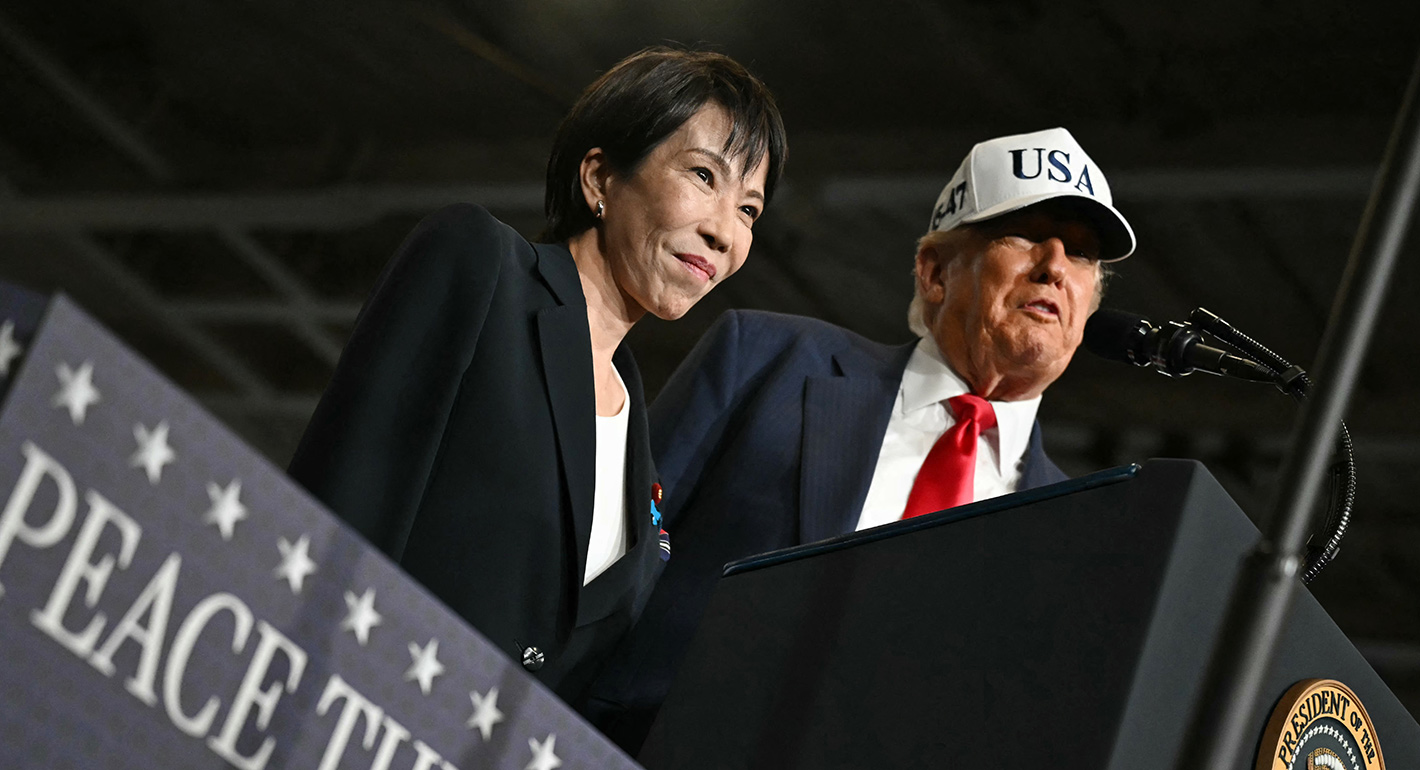
Backed by a new LDP supermajority, Prime Minister Takaichi aspires to revise Japan’s long-standing security doctrine. Ahead of her visit to Washington, she faces fiscal hurdles for her proposed defense spending while needing to navigate President Trump’s request for naval assets to the Strait of Hormuz.
Harukata Takenaka
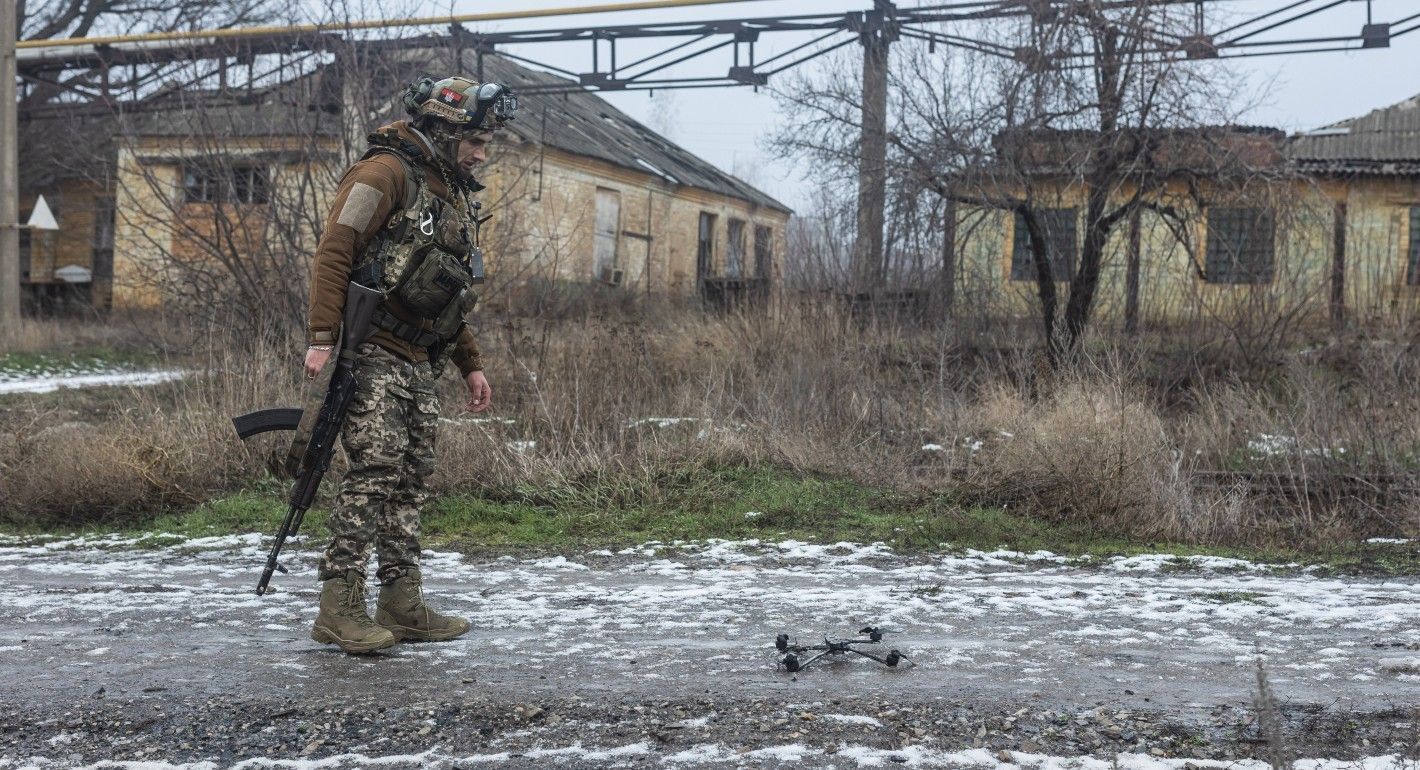
Domestic and international conflicts present myriad challenges for leaders, militaries, and civilians, including the effects of new technological capabilities on the conduct of war, the effectiveness of security strategies, and the intricacies of post-conflict peacemaking. Carnegie scholars provide timely analyses to address these and other related questions.
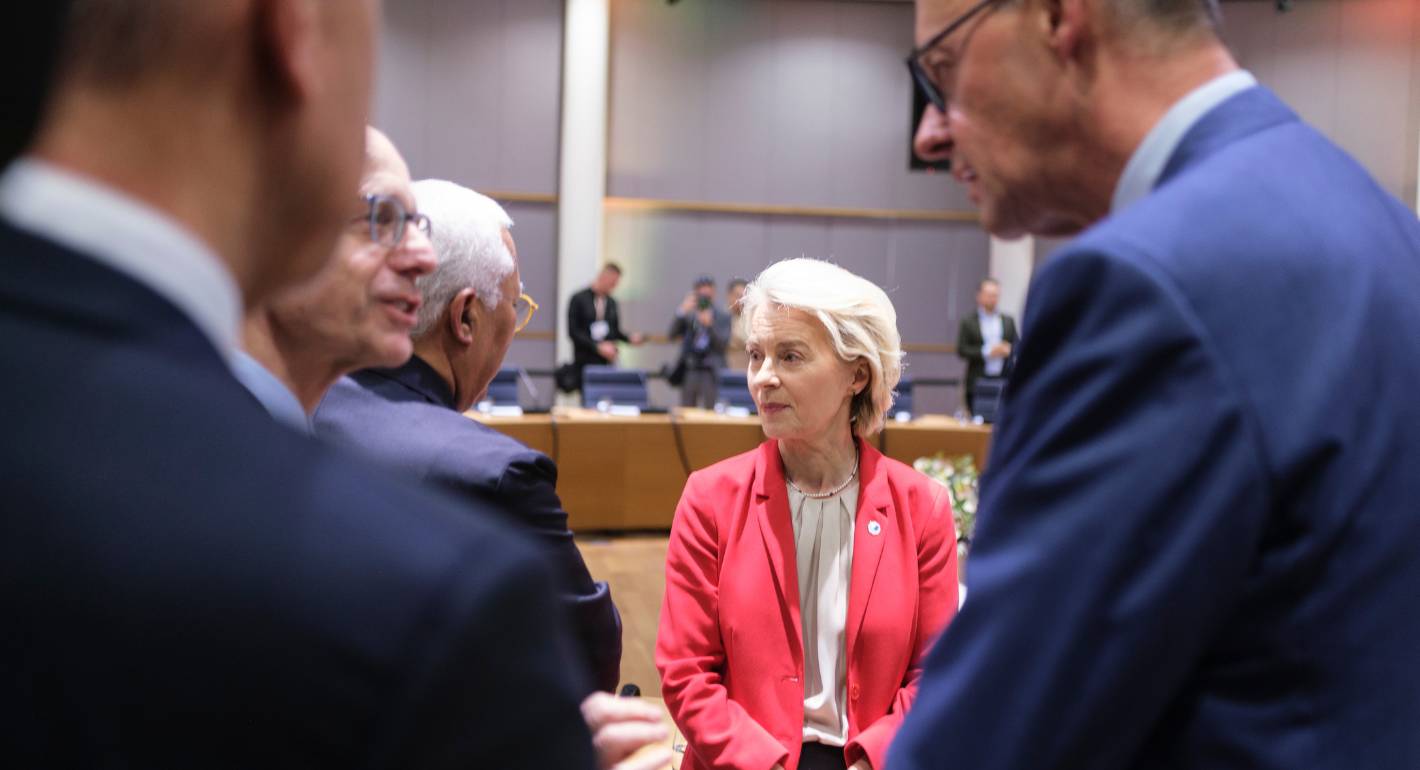
The war in Iran proves the United States is now a destabilizing actor for Europe and the Arab Gulf. From protect their economies and energy supplies to safeguarding their territorial integrity, both regions have much to gain from forming a new kind of partnership together.

Rym Momtaz

The current U.S. indifference to human rights means Astana no longer has any incentive to refuse extradition requests from its authoritarian neighbors—including Russia.

Temur Umarov

The conflict is threatening stability in Armenia and Azerbaijan.

Zaur Shiriyev
