

Article
- +3
Frederic Wehrey, Nathan J. Brown, Bader Al-Saif, …
{
  "authors": [
    "Anouar Boukhars"
  ],
  "type": "other",
  "centerAffiliationAll": "dc",
  "centers": [
    "Carnegie Endowment for International Peace",
    "Malcolm H. Kerr Carnegie Middle East Center"
  ],
  "collections": [],
  "englishNewsletterAll": "menaTransitions",
  "nonEnglishNewsletterAll": "",
  "primaryCenter": "Carnegie Endowment for International Peace",
  "programAffiliation": "MEP",
  "programs": [
    "Middle East"
  ],
  "projects": [],
  "regions": [
    "North Africa",
    "Mali"
  ],
  "topics": [
    "Security",
    "Military"
  ]
}
Source: Getty
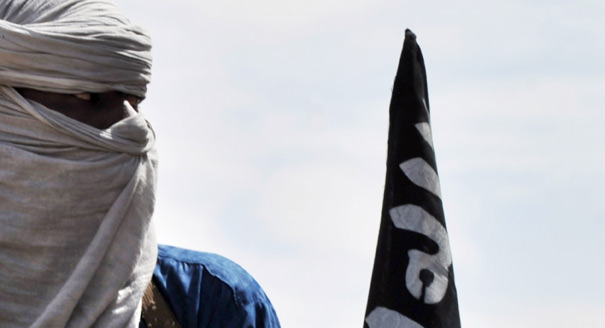
The January 2013 French intervention in northern Mali has severely degraded the military capabilities of militant organizations. But as violent extremists are being subdued in one area, new hot spots of confrontation are emerging.
Source: FRIDE
The January 2013 French intervention in northern Mali has severely degraded the military capabilities of militant organizations, disrupted their organisational capacities and destroyed many of their sanctuaries. But as violent extremists are being subdued in one area, new hot spots of confrontation are emerging. When forced out of one of their safe havens, transnational terrorist groups such as Al-Qaeda in the Islamic Maghreb (AQIM) just disappear into other peripheral zones of tension. This paper examines how chaotic environments in North Africa are giving new breathing space to a splintered terrorist organisation. Chastened by its many blunders in northern Mali, an off-balance AQIM is trying to shift gear, focusing less on becoming the face of local militancy in North Africa and more on stealthily parasiting local militant organisations without dominating them.The full text of this working paper is available on the FRIDE website.
Former Nonresident Fellow, Middle East Program
Boukhars was a nonresident fellow in Carnegie’s Middle East Program. He is a professor of countering violent extremism and counter-terrorism at the Africa Center for Strategic Studies, National Defense University.
Recent Work


Frederic Wehrey, Nathan J. Brown, Bader Al-Saif, …
Anouar Boukhars
Carnegie does not take institutional positions on public policy issues; the views represented herein are those of the author(s) and do not necessarily reflect the views of Carnegie, its staff, or its trustees.
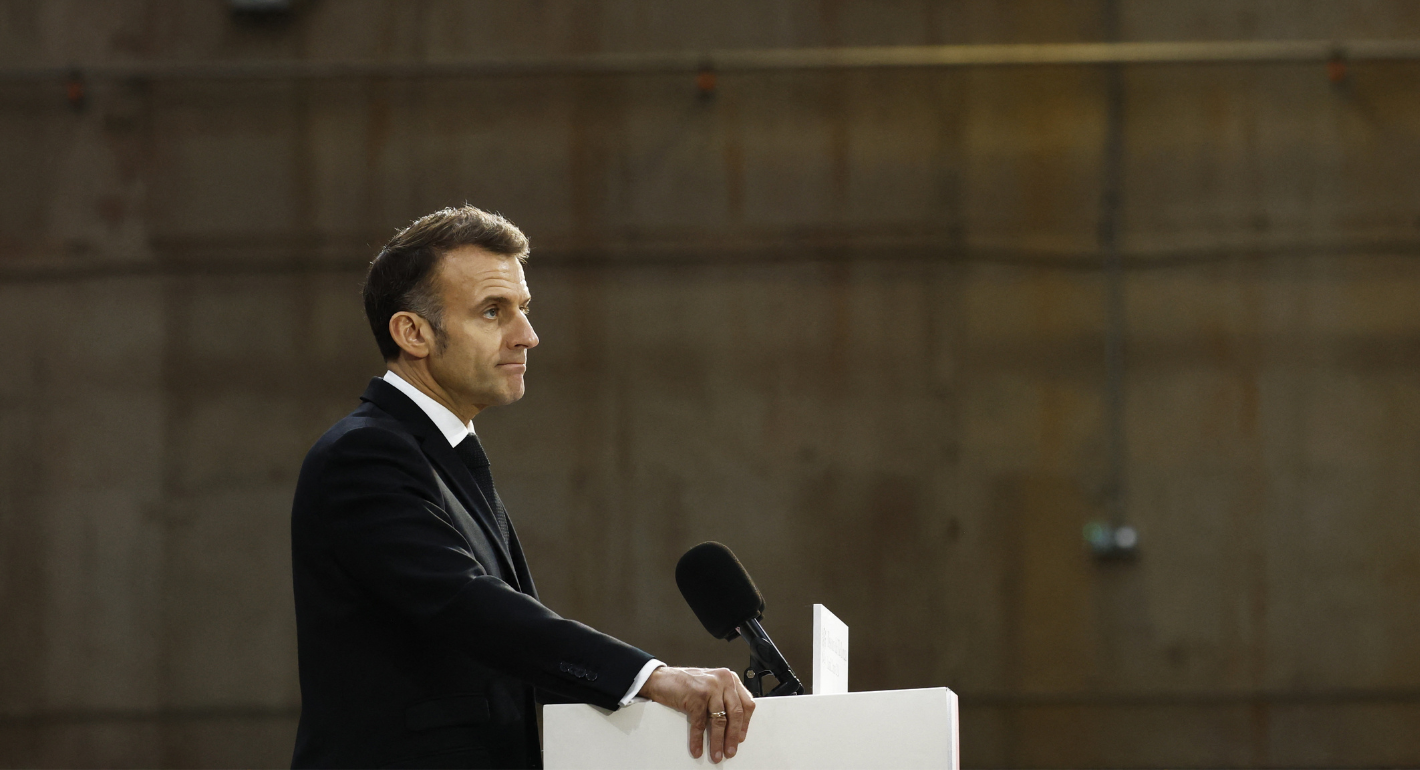
French President Emmanuel Macron has unveiled his country’s new nuclear doctrine. Are the changes he has made enough to reassure France’s European partners in the current geopolitical context?

Rym Momtaz, ed.
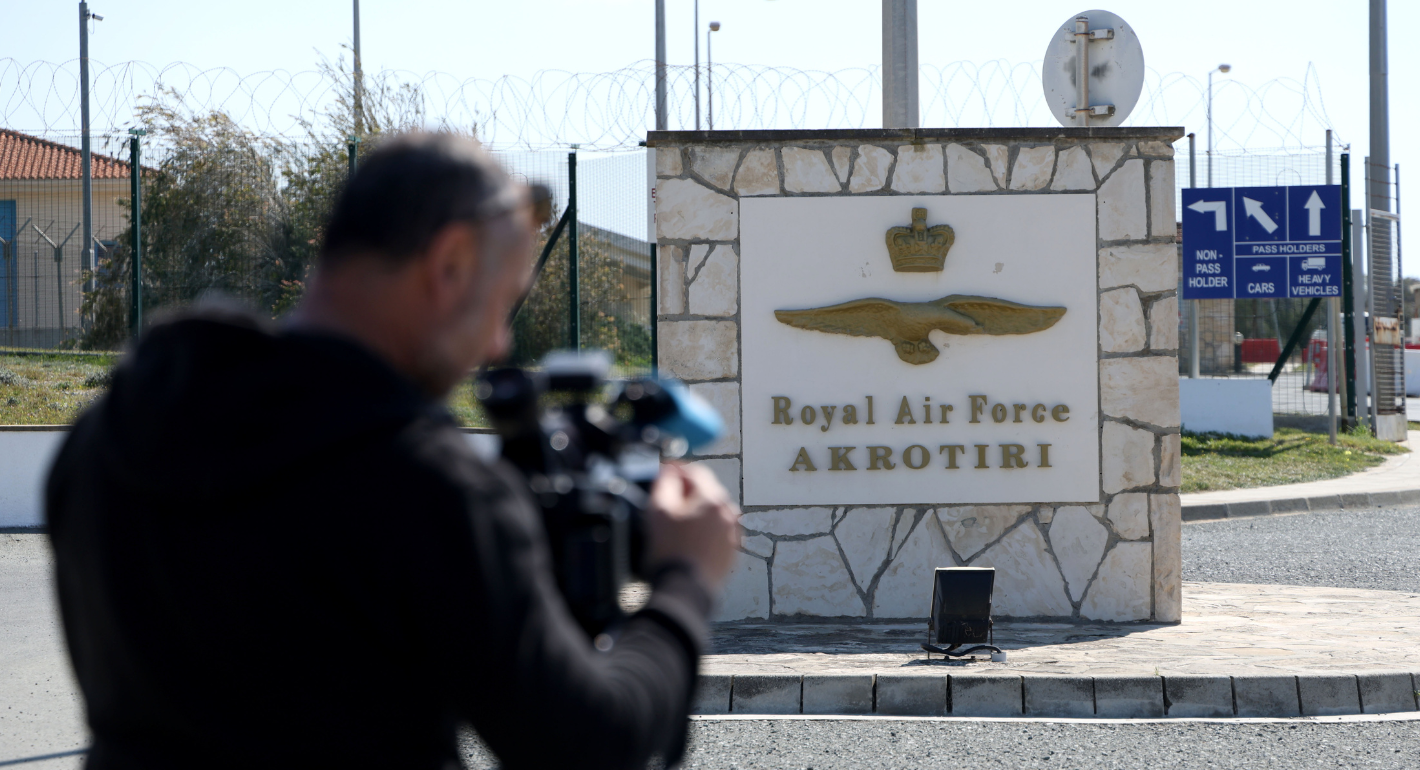
The drone strike on the British air base in Akrotiri brings Europe’s proximity to the conflict in Iran into sharp relief. In the fog of war, old tensions in the Eastern Mediterranean risk being reignited, and regional stakeholders must avoid escalation.

Marc Pierini
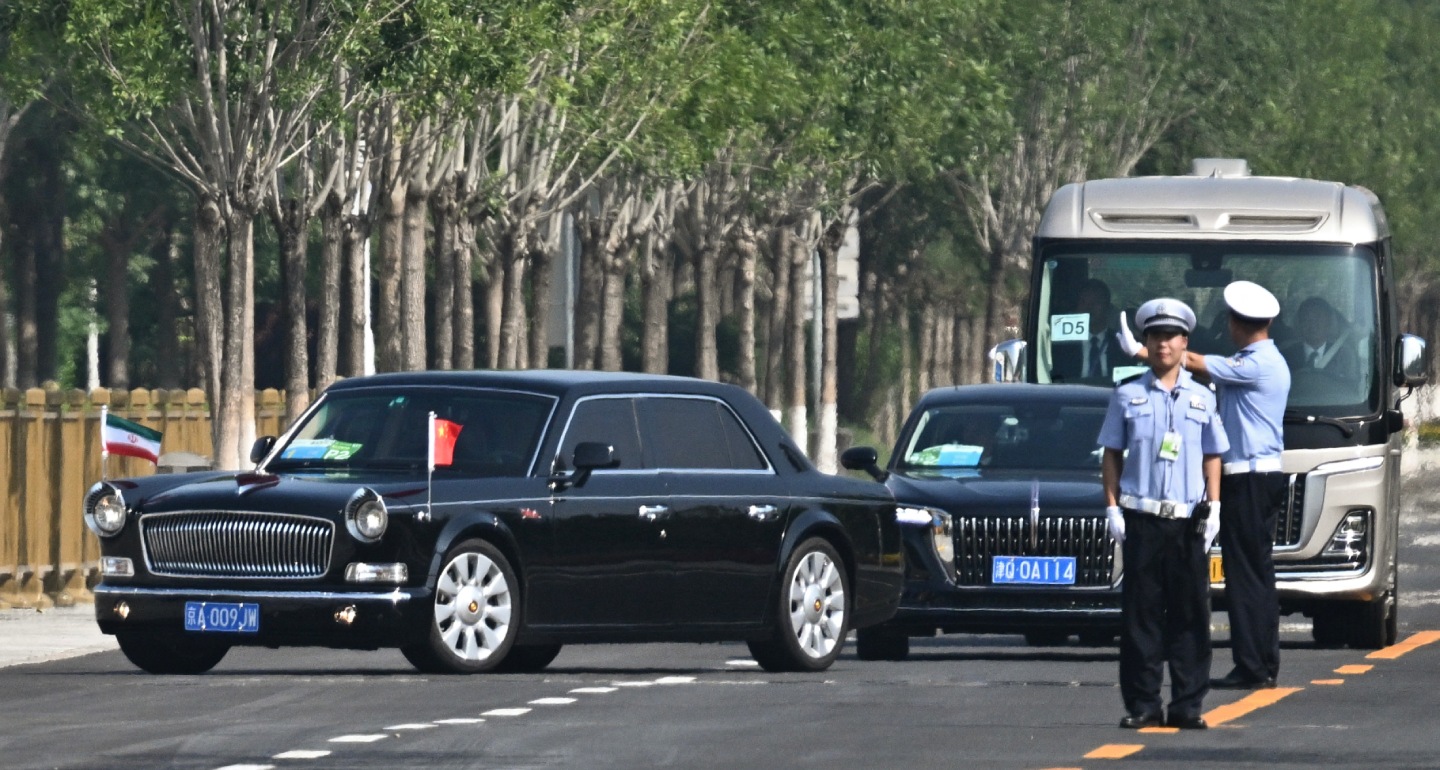
Most of Moscow’s military resources are tied up in Ukraine, while Beijing’s foreign policy prioritizes economic ties and avoids direct conflict.


Alexander Gabuev, Temur Umarov
But to achieve either, it needs to retain Washington’s ear.

Alper Coşkun
If the regime in Tehran survives, it could be obliged to hand Moscow significant political influence in exchange for supplies of weapons and humanitarian aid.

Nikita Smagin