

Q&A
Suzanne Maloney, Aaron David Miller, Karim Sadjadpour
{
  "authors": [
    "Karim Sadjadpour"
  ],
  "type": "legacyinthemedia",
  "centerAffiliationAll": "dc",
  "centers": [
    "Carnegie Endowment for International Peace",
    "Malcolm H. Kerr Carnegie Middle East Center"
  ],
  "collections": [],
  "englishNewsletterAll": "menaTransitions",
  "nonEnglishNewsletterAll": "",
  "primaryCenter": "Carnegie Endowment for International Peace",
  "programAffiliation": "MEP",
  "programs": [
    "Middle East"
  ],
  "projects": [],
  "regions": [
    "Middle East",
    "Iran"
  ],
  "topics": [
    "Political Reform"
  ]
}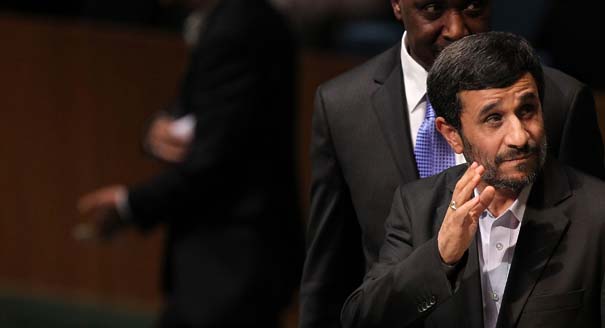
Source: Getty
Although Ahmadinejad’s mismanagement and abrasive style lost him supporters and political allies, his confidence and boastfulness never faltered.
Source: BBC World Service
Speaking on BBC World Service, Carnegie’s Karim Sadjadpour reflected on the legacy of former Iranian President Mahmoud Ahmadinejad. Sadjadpour explained that although Ahmadinejad wasn’t Iran’s most powerful man, his denial of the Holocaust forced Western journalists to learn how to pronounce his name. Though reviled in the West, he noted that Ahmadinejad was popular among the pious working class outside of Iran, who admired his willingness to defy America and Israel. Ahmadinejad presided over the greatest oil windfall in the Iran’s history, but during his presidency, Iran’s inflation rate doubled and its currency depreciated over 80 percent under his custodianship. Over time, Ahmadinejad’s mismanagement and abrasive style lost him supporters and political allies, but his boastfulness never faltered, Sadjadpour concluded.
Senior Fellow, Middle East Program
Karim Sadjadpour is a senior fellow at the Carnegie Endowment for International Peace, where he focuses on Iran and U.S. foreign policy toward the Middle East.
Recent Work
Suzanne Maloney, Aaron David Miller, Karim Sadjadpour
Aaron David Miller, Karim Sadjadpour, Robin Wright
Carnegie does not take institutional positions on public policy issues; the views represented herein are those of the author(s) and do not necessarily reflect the views of Carnegie, its staff, or its trustees.
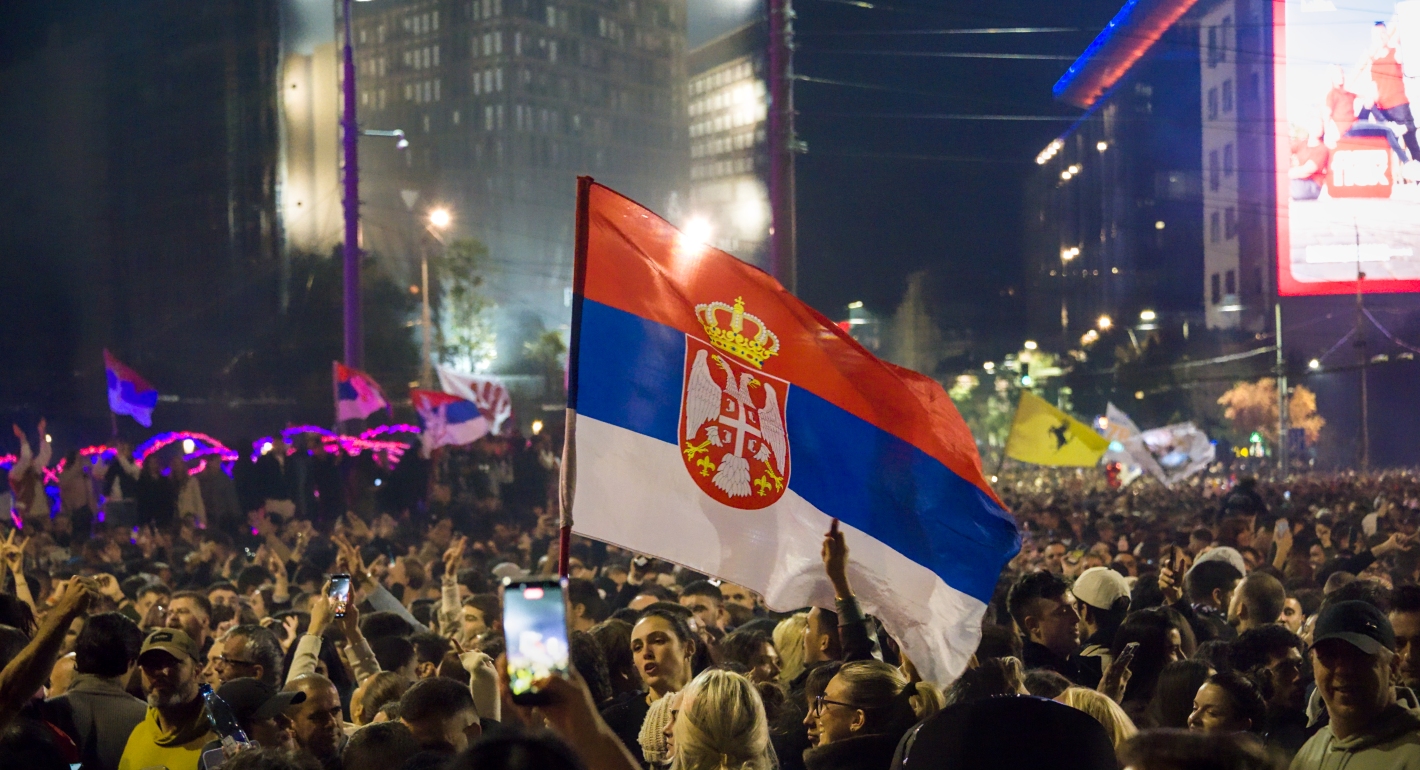
After two years of mass protests, Serbia’s student-led movement has ousted Aleksandar Vučić. Now the Student List must prove it can deliver on its promises.
Dimitar Bechev
Safa Naser
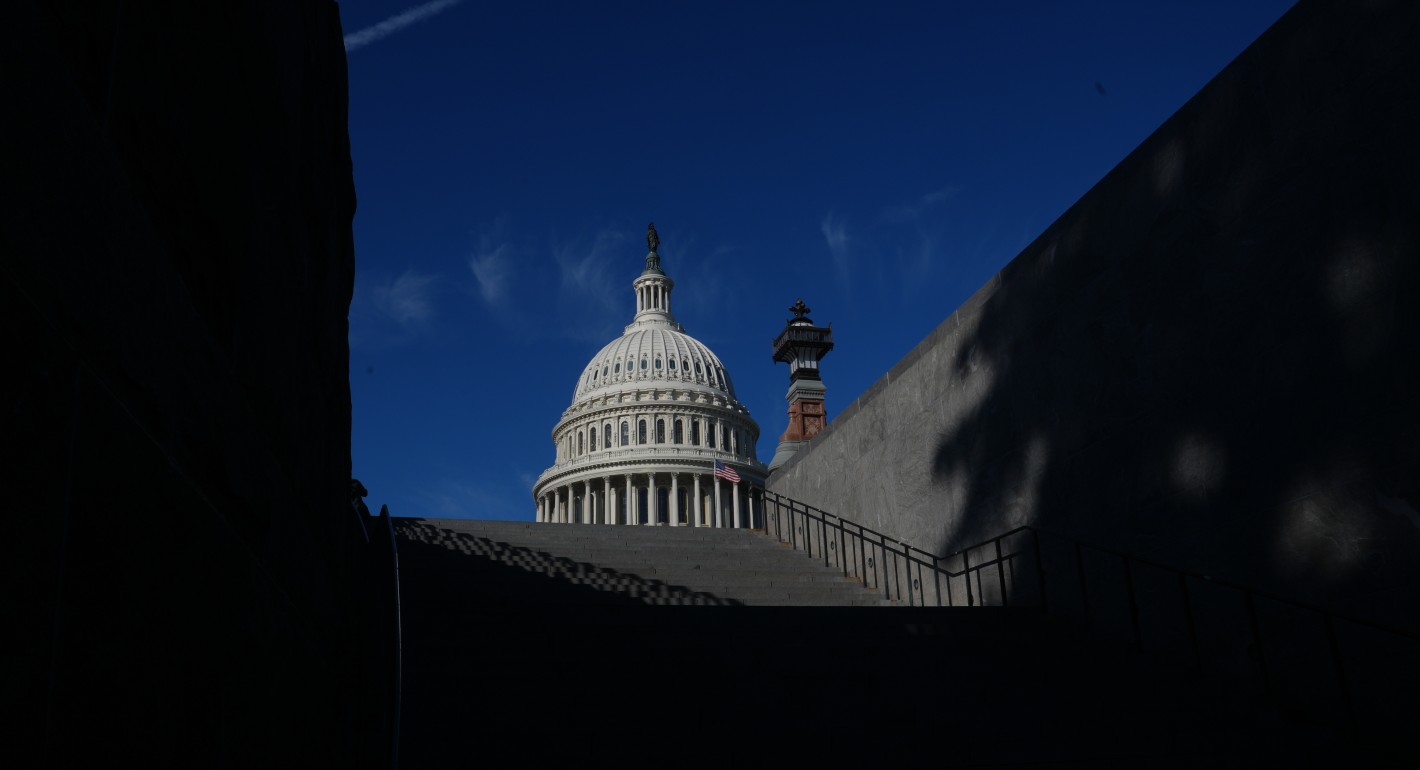
Democrats now have the gavel and the purse, but the executive branch still pulls the levers on the U.S. role in the world.
James M. Acton, Dan Baer, Mark Baldassare, …

The global hydrocarbon order is changing. Economic diversification and developing productive economies have become essential for Middle Eastern and North African states, requiring them to address social and political challenges and rethink domestic, regional, and global settlements.
Nur Arafeh, Ishac Diwan, Hamza Meddeb, …
The new Serbian leadership may have promised to keep on cooperating with Russia, but soon they will have to make a choice between fighting corruption and sealing lucrative deals with Moscow. The two are mutually exclusive, even if the new leaders in Belgrade haven’t yet realized it.
Maksim Samorukov