

Article
- +1
Toby Dalton, Mark Hibbs, Nicole Grajewski, …
{
  "authors": [
    "Mark Hibbs"
  ],
  "type": "legacyinthemedia",
  "centerAffiliationAll": "dc",
  "centers": [
    "Carnegie Endowment for International Peace"
  ],
  "collections": [
    "Japan's Nuclear Crisis"
  ],
  "englishNewsletterAll": "ctw",
  "nonEnglishNewsletterAll": "",
  "primaryCenter": "Carnegie Endowment for International Peace",
  "programAffiliation": "NPP",
  "programs": [
    "Nuclear Policy"
  ],
  "projects": [],
  "regions": [
    "East Asia",
    "Japan"
  ],
  "topics": [
    "Nuclear Policy"
  ]
}
Source: Getty
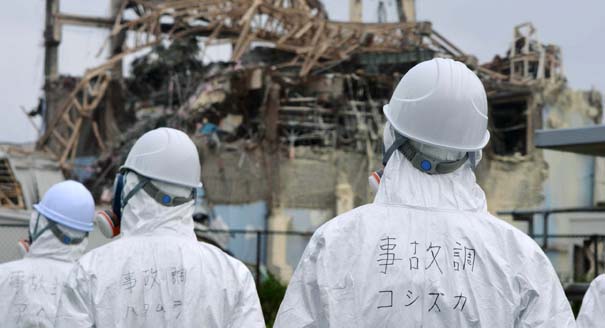
Japan’s Fukushima nuclear plant is back in the headlines as the country’s government reveals plans to deal with the latest leaks of contaminated water at the crippled nuclear facility.
Source: BBC World News
Carnegie’s Mark Hibbs discussed the radiation levels at Japan’s Fukushima nuclear plant with BBC World News. Japan’s Fukushima nuclear plant is back in the headlines as the country’s government reveals plans to deal with the latest leaks of contaminated water at the crippled nuclear facility.
Hibbs told BBC World News the Japanese govenment has two separate water management problems. The first is the water that is moving from the mountains from the central part of the island to the seacoast at a rate of 1,000 tons per day. Hibbs explained that the Fukushima nuclear plant is in between, “so they have to make sure that they can limit to the greatest extent possible the contamination of that water before it gets to the ocean.”
The second problem they have, Hibbs pointed out, is a problem of about 1,000 tanks of water which are leaking at a rate of about 300 tons per day. That water, added Hibbs, is heavily contaminated with cesium, strontium, and other things that were in the core of the reactor when they were pumping that water into the core to cool it during the accident.

Nonresident Senior Fellow, Nuclear Policy Program
Hibbs is a Germany-based nonresident senior fellow in Carnegie’s Nuclear Policy Program. His areas of expertise are nuclear verification and safeguards, multilateral nuclear trade policy, international nuclear cooperation, and nonproliferation arrangements.
Recent Work


Toby Dalton, Mark Hibbs, Nicole Grajewski, …
Mark Hibbs
Carnegie does not take institutional positions on public policy issues; the views represented herein are those of the author(s) and do not necessarily reflect the views of Carnegie, its staff, or its trustees.
Despite the agreement’s uncertainty, it’s still a significant development in regional and nuclear policy.


Andrew Leber, Jane Darby Menton
The nuclear weapons threshold is increasingly important for proliferation strategy and policy. Policymakers should better understand the implications of the threshold phenomenon in the current international security environment and plausible strategies to deal with the growing challenge that it presents.
Ariel (Eli) Levite, Toby Dalton
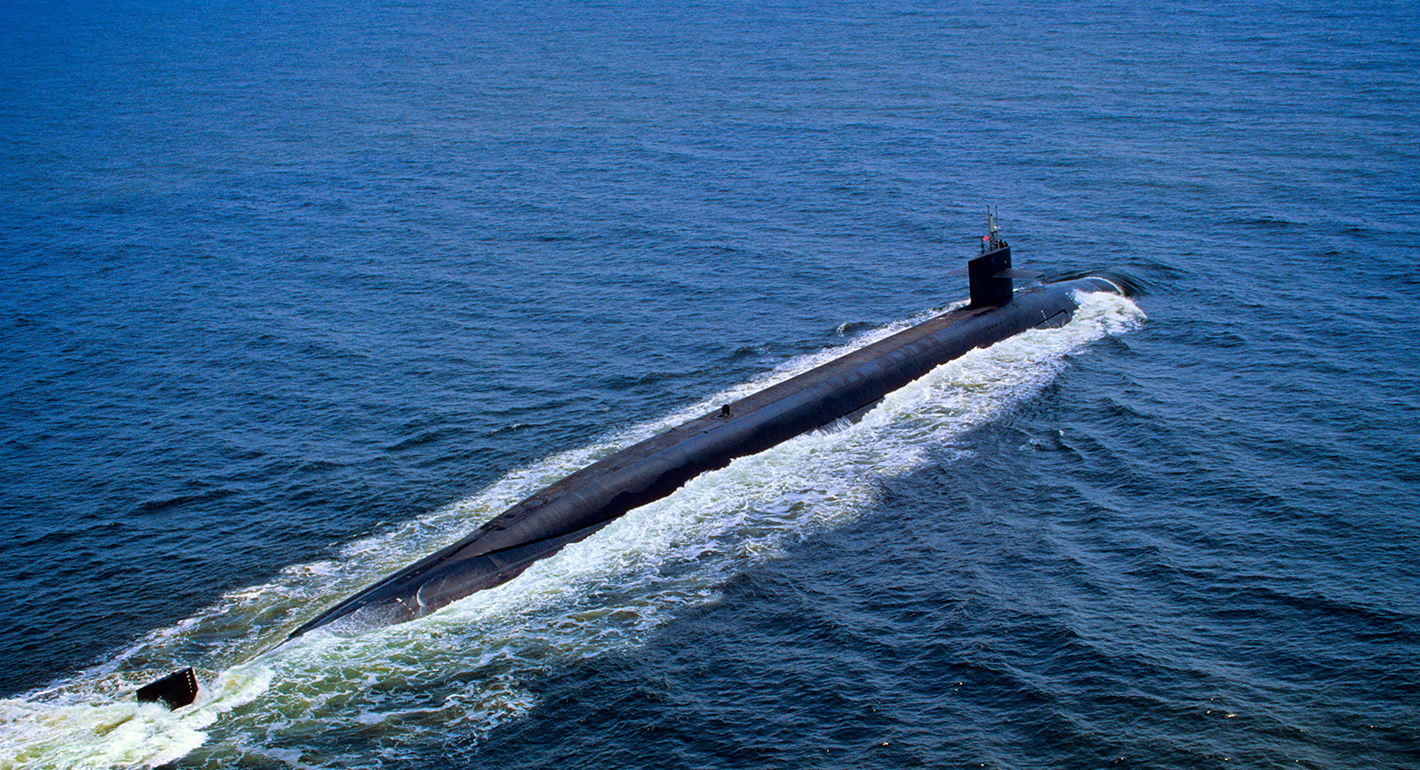
It seems likely that, no matter what, the power of the U.S. nuclear arsenal will face erosion, not least in the credibility of its commitments to defend allies and the political durability of those alliances.


James M. Acton, Ankit Panda
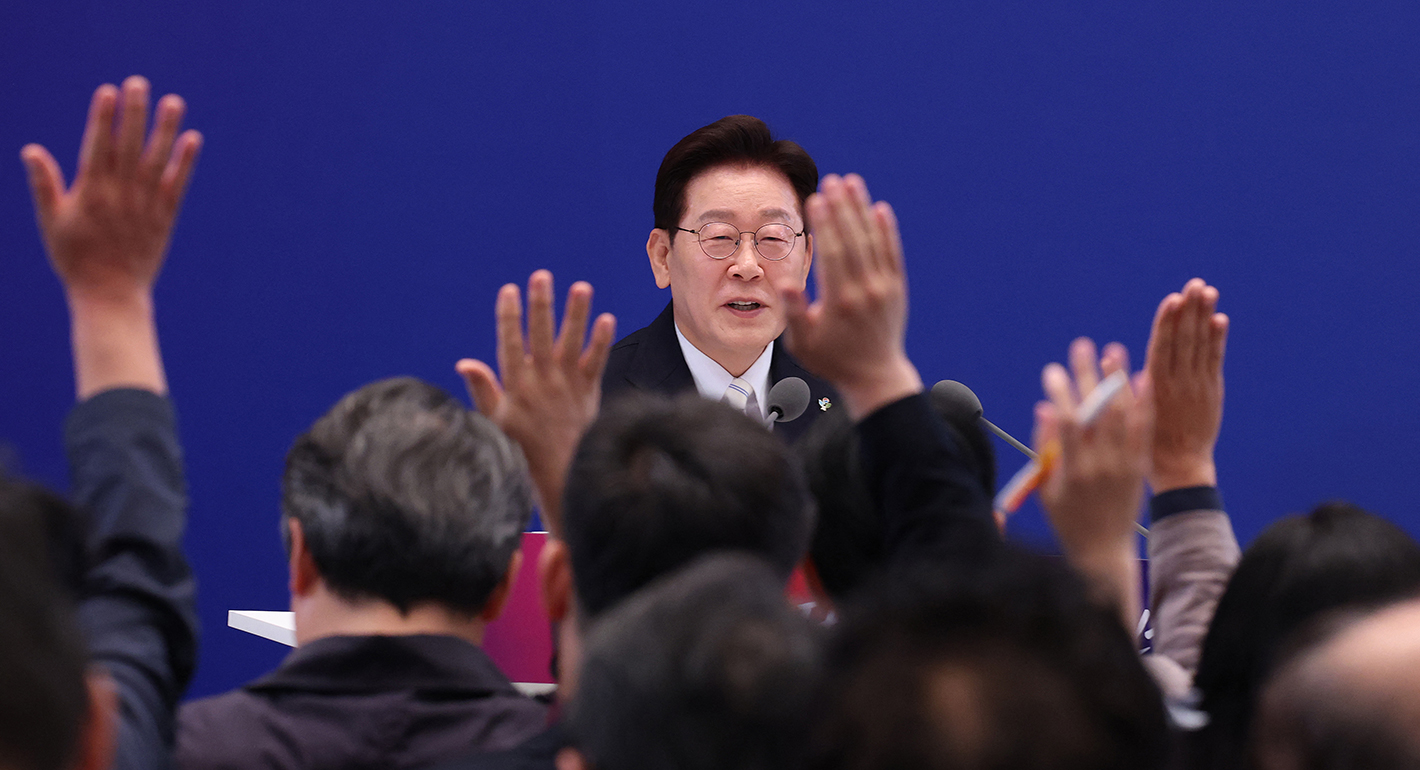
President Lee marked his first year in office after one of the most tumultuous periods in South Korean politics. Though Lee has enjoyed a high approval rating, a large majority in the National Assembly, and foreign policy victories, Lee and his party’s political fortunes depend on generating economic growth, learning the right lessons from the recent local elections, and managing contentious factional strife within his political base.
Chung Min Lee

By burying disagreements in imprecision, the new deal risks same fate as its predecessors.
James M. Acton