


Report
- +3
James M. Acton, Alexey Arbatov, Vladimir Dvorkin, …
{
  "authors": [
    "Petr Topychkanov"
  ],
  "type": "legacyinthemedia",
  "centerAffiliationAll": "",
  "centers": [
    "Carnegie Endowment for International Peace",
    "Malcolm H. Kerr Carnegie Middle East Center",
    "Carnegie Russia Eurasia Center"
  ],
  "collections": [],
  "englishNewsletterAll": "",
  "nonEnglishNewsletterAll": "",
  "primaryCenter": "Carnegie Russia Eurasia Center",
  "programAffiliation": "",
  "programs": [],
  "projects": [
    "Eurasia in Transition"
  ],
  "regions": [
    "Levant",
    "Middle East",
    "Syria",
    "Russia"
  ],
  "topics": [
    "Security",
    "Foreign Policy",
    "Global Governance"
  ]
}
Source: Getty
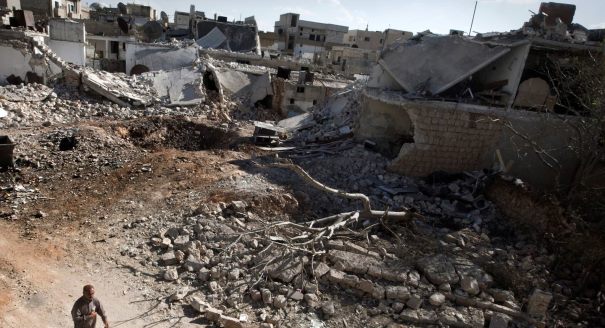
Although Putin’s statements have been seen as flexible rhetoric, Russia’s policy toward Syria has not changed.
Source: RFI's World News Explained
RFI spoke to Petr Topychkanov, an analyst at the Carnegie Moscow Center, who says Putin's comments are an about-turn from his previous rhetoric supporting Assad. However, despite Putin’s statements, which have been seen as pivoting and flexible rhetoric, Topychkanov maintained that Russia’s policy toward Syria has not changed.
Topychkanov said that the sticking point remains the evidence and confirmation of the use of chemical weapons by the Assad regime or possibly another party, information required by Russia prior to renewed engagement or an alternative course of action. Russia's influence, leadership, and continued support of Assad is a key determinate of the balance of power in the conflict, and as such will prove a major factor in its outcome. The primary juncture on the horizon remains the prospect of a unilateral strike, without UN approval, by the West against regime targets in Syria—this continues to be the main point of concern in relations between Putin's Russia and the West, Topychkanov concluded.
Former Fellow, Nonproliferation Program, Moscow Center
Topychkanov was a fellow in the Carnegie Moscow Center’s Nonproliferation Program.
Recent Work

James M. Acton, Alexey Arbatov, Vladimir Dvorkin, …
Petr Topychkanov
Carnegie does not take institutional positions on public policy issues; the views represented herein are those of the author(s) and do not necessarily reflect the views of Carnegie, its staff, or its trustees.

In an interview, Ian Lustick and Eli Clifton discuss their new book on why a prominent ally has so much influence in America.

Michael Young

Germany, India, and other middle powers can’t build frontier AI alone, and they risk being cut off if they depend on the United States or China. The way through is to build the capacity for a frontier sprint while hoping never to use it.

Anton Leicht, Sam Winter-Levy

Sergei Kiriyenko used Russia’s parliamentary vote to further hone his strategy of corporate mobilization that is designed to maximize votes for United Russia.

Andrey Pertsev

Trump has promised Belarus a massive potash deal. But Minsk is seeking something greater: restored Western transit and greater room for maneuver from Russia.

Balázs Jarábik
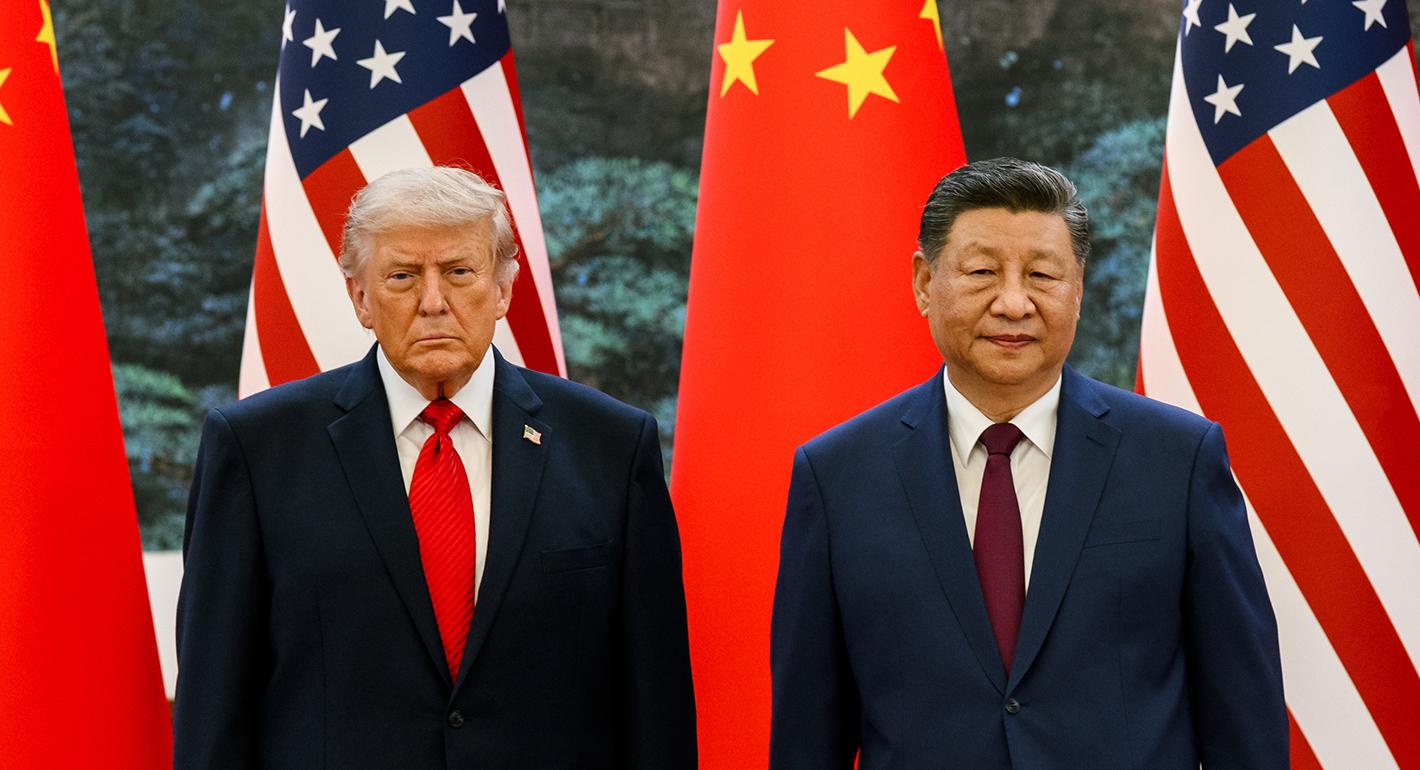
The real test may come after the leaders leave the room.



Sheena Chestnut Greitens, Oriana Skylar Mastro, Yukon Huang, …