

Q&A
Dara Massicot, Aaron David Miller, Andrew S. Weiss
{
  "authors": [
    "Andrew S. Weiss"
  ],
  "type": "legacyinthemedia",
  "centerAffiliationAll": "dc",
  "centers": [
    "Carnegie Endowment for International Peace",
    "Malcolm H. Kerr Carnegie Middle East Center",
    "Carnegie Russia Eurasia Center"
  ],
  "collections": [],
  "englishNewsletterAll": "ctw",
  "nonEnglishNewsletterAll": "",
  "primaryCenter": "Carnegie Endowment for International Peace",
  "programAffiliation": "russia",
  "programs": [
    "Russia and Eurasia"
  ],
  "projects": [
    "Eurasia in Transition"
  ],
  "regions": [
    "North America",
    "United States",
    "Middle East",
    "Syria",
    "Russia",
    "Levant"
  ],
  "topics": [
    "Political Reform",
    "Security",
    "Foreign Policy",
    "Global Governance"
  ]
}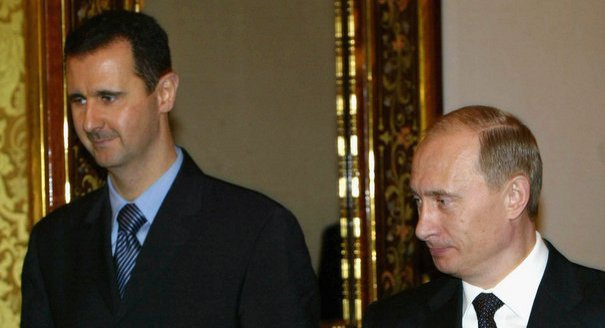
Source: Getty
Russia’s position on Syria is based in large part on Moscow’s concerns about the political repercussions of intervention. At the G20 Summit, Vladimir Putin attempted to create a de facto referendum on intervention.
Source: WBEZ’s Worldview
Speaking on WBEZ Worldwide, Carnegie’s Andrew Weiss explained that Russia’s position on Syrian intervention has several origins: worries about the precedent created by a possible U.S. intervention, Russia’s greater sympathy for Shia Muslims, and concerns about Syria’s possible collapse and the shockwaves such an event would create. He explained that Russian President Vladimir Putin’s placing of Syria on the agenda at the G20 Summit was an attempt to create a referendum on Syrian intervention, much like the one carried out in the British parliament. Weiss cast doubt on the idea that the United States’ possible failure to intervene in Syria would be a major win for Putin, noting that foreign policy issues have a low salience in Russian society.
James Family Chair, Vice President for Studies
Andrew S. Weiss is the James Family Chair and vice president for studies at the Carnegie Endowment for International Peace, where he oversees research on Russia, Ukraine, and Eurasia. His graphic novel biography of Vladimir Putin, Accidental Czar: the Life and Lies of Vladimir Putin, was published by First Second/Macmillan in 2022.
Recent Work

Dara Massicot, Aaron David Miller, Andrew S. Weiss

Frances Z. Brown, Nate Reynolds, Priyal Singh, …
Carnegie does not take institutional positions on public policy issues; the views represented herein are those of the author(s) and do not necessarily reflect the views of Carnegie, its staff, or its trustees.
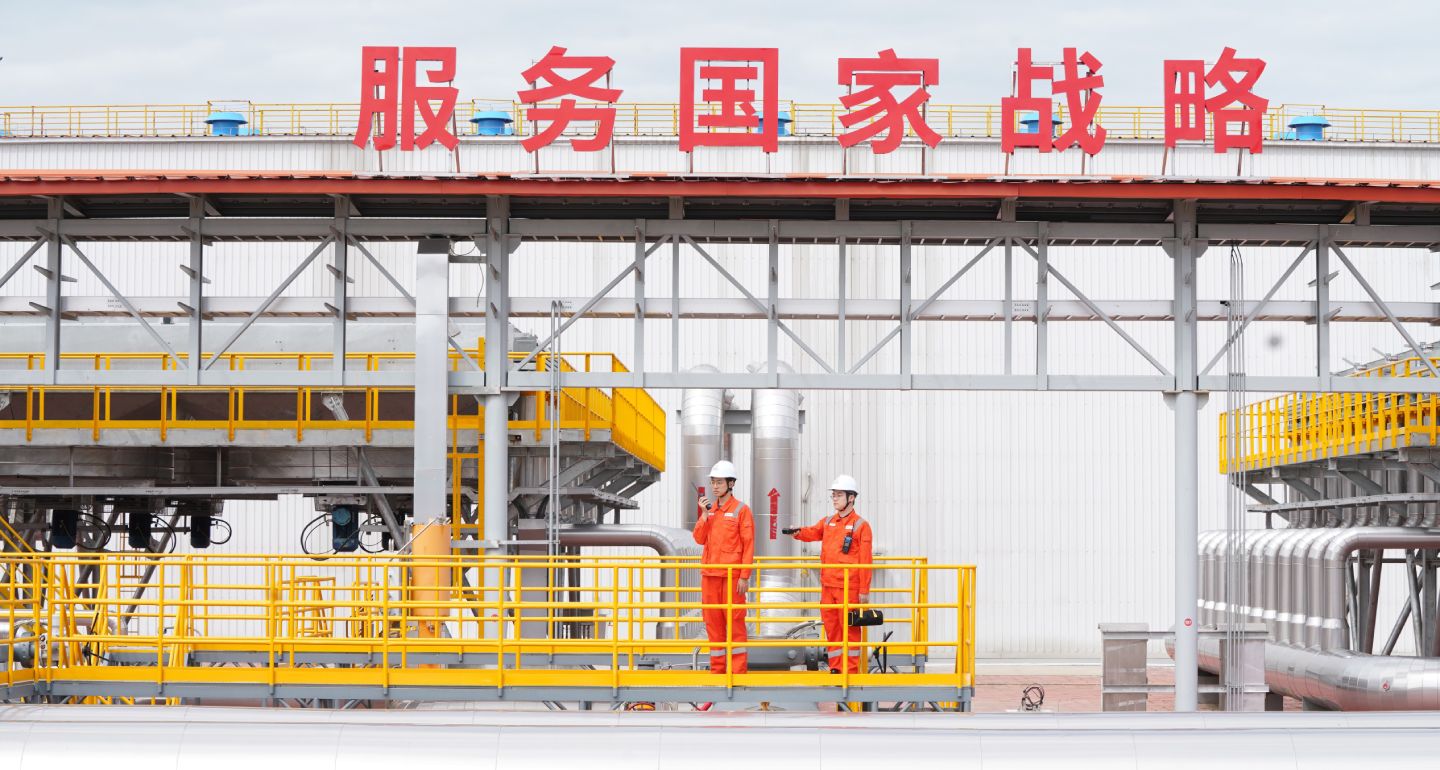
A leak of Russian gas price data helps establish that China is paying Russia far less than Central Asian countries and Gazprom’s former European customers.

Sergey Vakulenko

China’s political future will be shaped between now and next October. As the Communist Party enters its intense “campaign season” to prepare for a major political transition in 2027, reading Beijing's actions and responses may become more difficult as domestic politics weigh on its behavior more than usual.

Damien Ma

The EU can impose sanctions but struggles to enforce them without the United States. With Washington increasingly disinterested in backing European interests, the bloc must now fend for itself.


Nicu Popescu, Tiago Antunes
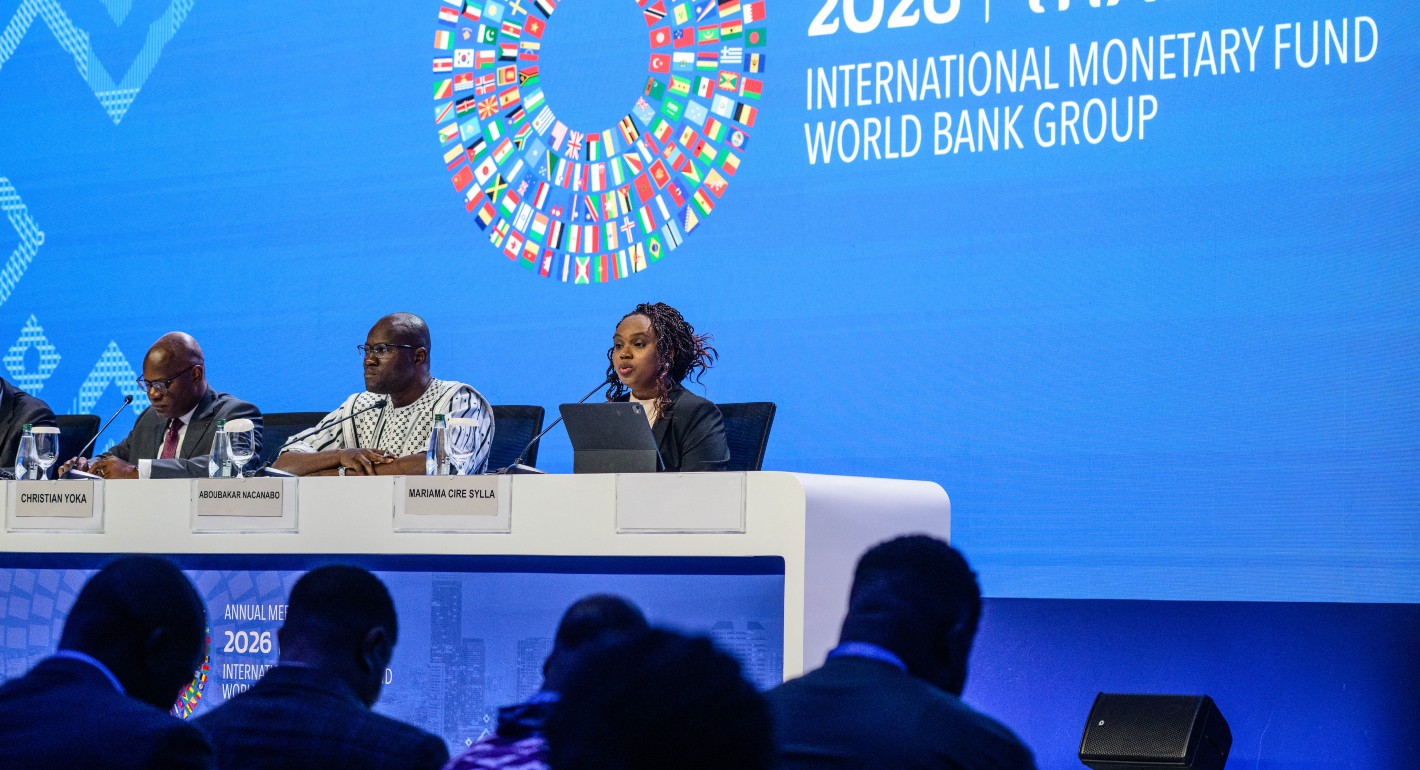
Global and rising powers will need to engage with Africa’s priorities and agency in order to secure the continent’s increasingly attractive partnerships.
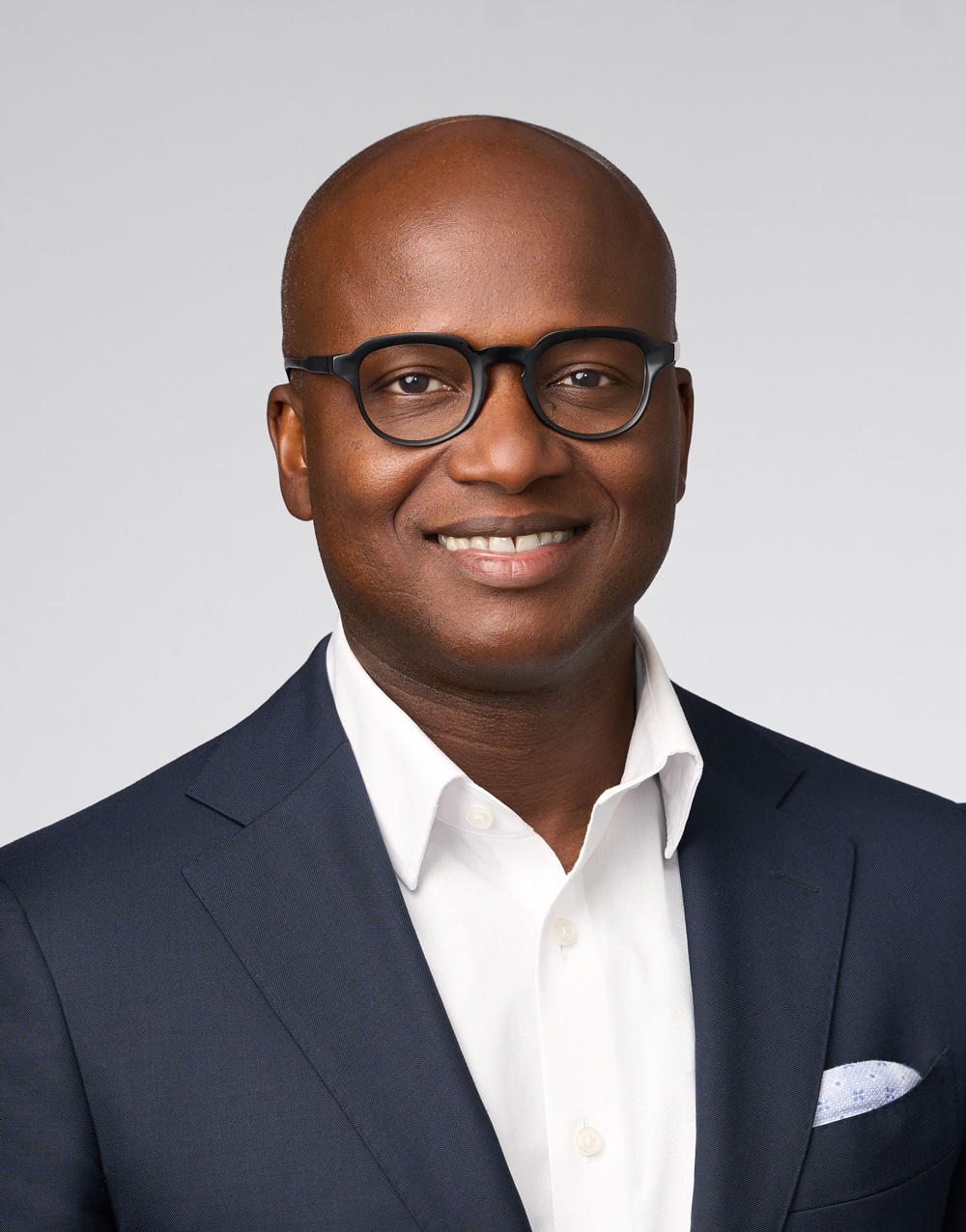
Fonteh Akum
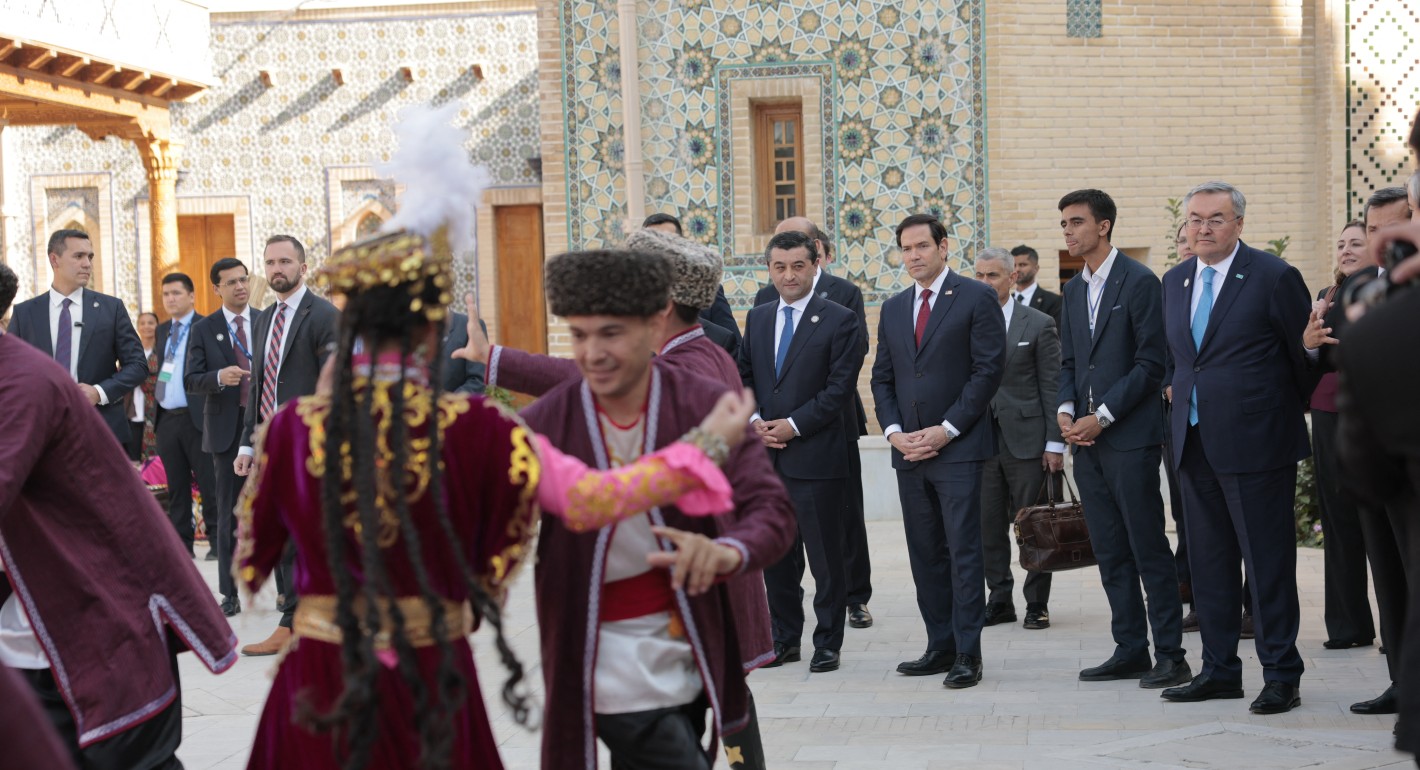
Rubio’s recent visit brought welcome attention, but more capital requires governance changes that may be a hard sell for regional governments.
Jennifer B. Murtazashvili