

Q&A
Milan Vaishnav, Ila Patnaik
{
  "authors": [
    "Ila Patnaik"
  ],
  "type": "legacyinthemedia",
  "centerAffiliationAll": "dc",
  "centers": [
    "Carnegie Endowment for International Peace"
  ],
  "collections": [],
  "englishNewsletterAll": "ctw",
  "nonEnglishNewsletterAll": "",
  "primaryCenter": "Carnegie Endowment for International Peace",
  "programAffiliation": "SAP",
  "programs": [
    "South Asia"
  ],
  "projects": [
    "India Decides 2014"
  ],
  "regions": [
    "South Asia",
    "India"
  ],
  "topics": [
    "Political Reform"
  ]
}
Source: Getty
India has seen the slow and gradual build-up of the state’s capacity. There are no more stroke-of-the-pen reforms left, there are no shortcuts.
Source: Indian Express
That a change in government in 2014 will bring back the higher rate of GDP growth that we experienced a few years ago is an increasingly popular view. While there may be an upturn in exports, due to the recent depreciation of the rupee and the pick up in the US economy, and some improvement in domestic investment, sustaining a high rate of growth requires longer-term solutions. These solutions are not difficult, but could take some time to put in place. In the meanwhile, GDP growth may still pick up a little in 2014-15. There are two components of the slowdown: the trend growth rate and business cycle conditions. While the business cycle conditions may improve in the coming months, the trend growth rate remains a problem.
Has India's trend growth rate slowed down? Long-term trend growth rates of economies, such as a 30-year average growth rate, have been one of the least understood and most unpredictable variables in the field of economics. The accumulation of capital, human capital, institutions, rule of law, infrastructure, political systems, and productivity growth change in ways little understood by economists even today. Their impact on long-term growth remains even less understood.Scandals in the allocation of spectrum, coal blocks and land, and projects that have been stalled due to environmental clearances have certainly worsened the medium-term growth rate. But if these factors affect the long-term trend it implies that India does not have the institutions it needs to solve these problems. Despite all the gloom and doom, this is a view that is hard to find. One of the characteristics of Indian democracy is that even though it takes time to build the state's capacity, which is one of the biggest challenges that needs to be surmounted in order to deal with the issues of the day, it is not impossible to do so.
Recent problems have highlighted the limitations of the Indian state's capacity. For example, stalled projects are a major reason for the slowdown in investment today, which is in turn responsible for slower growth. But the growth in investment can only become smooth if there is a serious change in the way in which firms interact with the government. The state's capacity needs to be enhanced and it needs to move away from the old systems that were designed to function under the licence-permit raj.
For example, had proper legal, regulatory and policy frameworks been in place for the protection of the environment, so many projects would not have been stalled. The fast pace of GDP growth meant that there were suddenly several projects where the trade-offs between growth and environmental protection became pressing. Due to the lack of set standards and regulatory mechanisms, each project had to, on a case-by-case basis, be cleared by local, state and Central bureaucrats, many of whom did not understand the basis on which a clearance was to either be given or withheld. The number of projects stuck in the pipeline became greater. It is the lack of a policy framework that scares bureaucrats from clearing projects today.
With the right institutions, there would have been no need for a Central body to clear stalled projects. Many clearances have been given by the Cabinet Committee on Investment. Others will also be given. But does this mean that the problem is solved? That in the future, projects will not get stuck? Unlikely. Without a change in the legal and regulatory framework, India cannot thunder ahead at a 10 per cent growth rate for 30 years like China has done. The demands for transparent and non-discretionary systems for the allocation of resources like land, spectrum, mines and contracts, for well-designed regulatory frameworks, and for clearly defined policies are likely to increase in the coming years. But building the state's capacity is unlikely to be a quick process. Indeed, if it were, then it is less likely to provide us with frameworks that can pass the test of time.
What is this process of change and why might it take so long? The process of financial sector reform is an illustrative example. First, we faced a problem. Slowly evidence started to build up that the problem was not an isolated incident. Then the media, think tanks and academics analysed the data and identified deeper problems. This was followed by committee reports, which involved broad consultations and offered recommendations. In the case of the financial sector, committees such as the Raghuram Rajan committee, the Percy Mistry committee and the U.K. Sinha committee helped form the consensus on the reforms needed. Many changes were made and often legal hurdles came in the way. The government then set up the Financial Sector Legislative Reforms Commission (FSLRC) to review the existing laws. The process of writing a draft law involved studying all the existing laws relating to finance. A full-time 30-person research team of economists and lawyers at the NIPFP supported the commission. After consulting more than 170 people, creating various working groups that analysed specific problems and many long meetings of the commission, a broad consensus was formed on most issues.
The FSLRC submitted its report after the designated two years. The process of legal change will take at least another two to three years. The setting up of the new regulators and the framing of the relevant rules under the new laws are likely to take even longer. Hundreds of regulators, lawyers and judges will need to familiarise themselves with the new legal framework. Companies will need to reinvent themselves.
In the case of financial reform, one can argue that there is at least some consensus. In other areas, the problems are more recent and there is no clarity on what needs to be done. The process of change will therefore take longer. As it should.
India has seen the slow and gradual build-up of the state's capacity. There are no more stroke-of-the-pen reforms left, there are no shortcuts. Hopefully, we will be lifted out of the present downturn thanks to an upturn in the global economy. But we will need to build frameworks to create a healthy interaction between firms and the state. Today's system was designed for a command and control economy. That will hopefully change over the next few years and keep India's trend growth rate high.
This article was originally published in the Indian Express.
Former Nonresident Senior Associate, South Asia Program
Patnaik, an expert on India’s economy, was a nonresident senior associate in Carnegie’s South Asia Program.
Recent Work

Milan Vaishnav, Ila Patnaik
Ila Patnaik, Ajay Shah
Carnegie does not take institutional positions on public policy issues; the views represented herein are those of the author(s) and do not necessarily reflect the views of Carnegie, its staff, or its trustees.
Domestic mobilization, personalized leadership, and nationalism have reshaped India’s global behavior.

Sandra Destradi
European reactions to the war in Iran have lost sight of wider political dynamics. The EU must position itself for the next phase of the crisis without giving up on its principles.

Richard Youngs
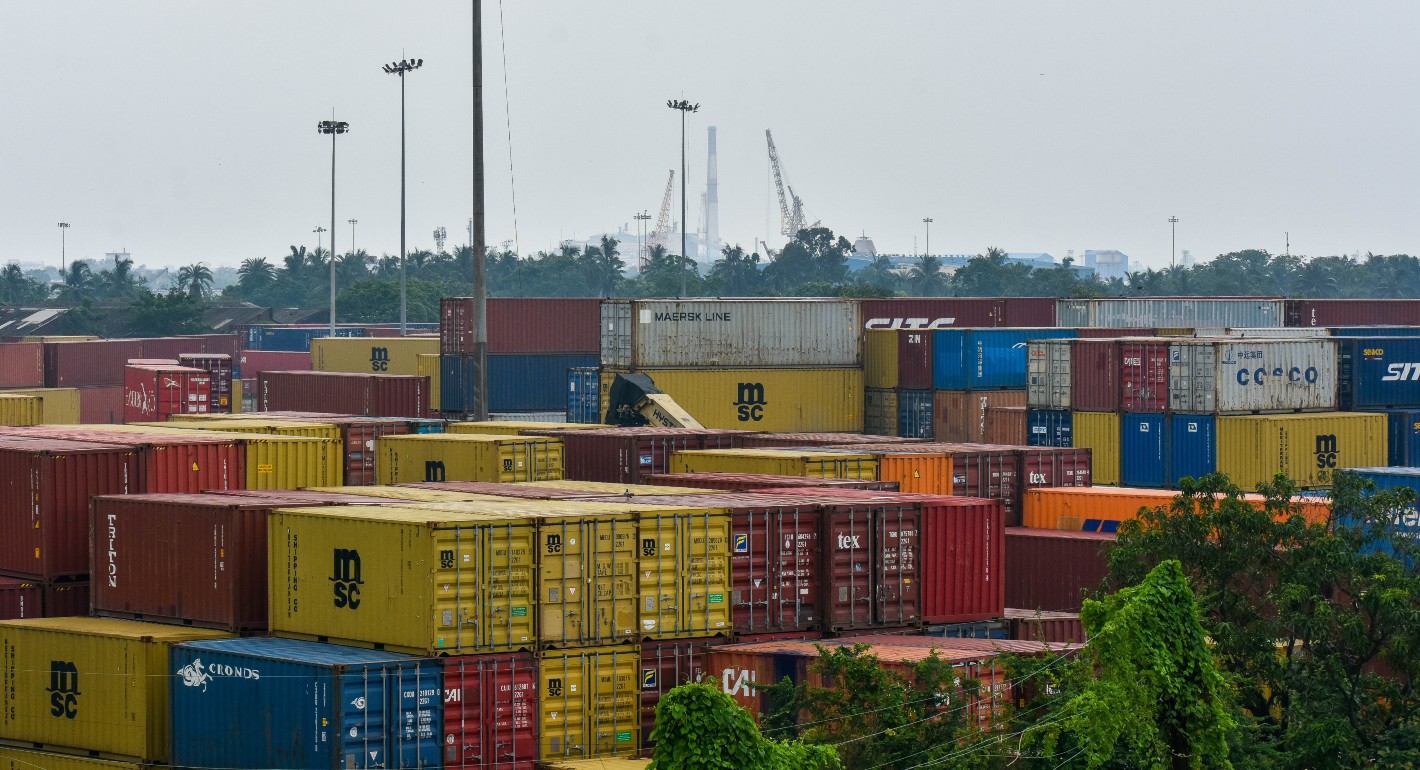
Cargo time release studies offer a path to greater economic gains and higher trust between neighboring countries.

Nikita Singla

On the last day of the India AI Impact Summit, India signed Pax Silica, a U.S.-led declaration seemingly focused on semiconductors. While India’s accession to the same was not entirely unforeseen, becoming a signatory nation this quickly was not on the cards either.

Konark Bhandari
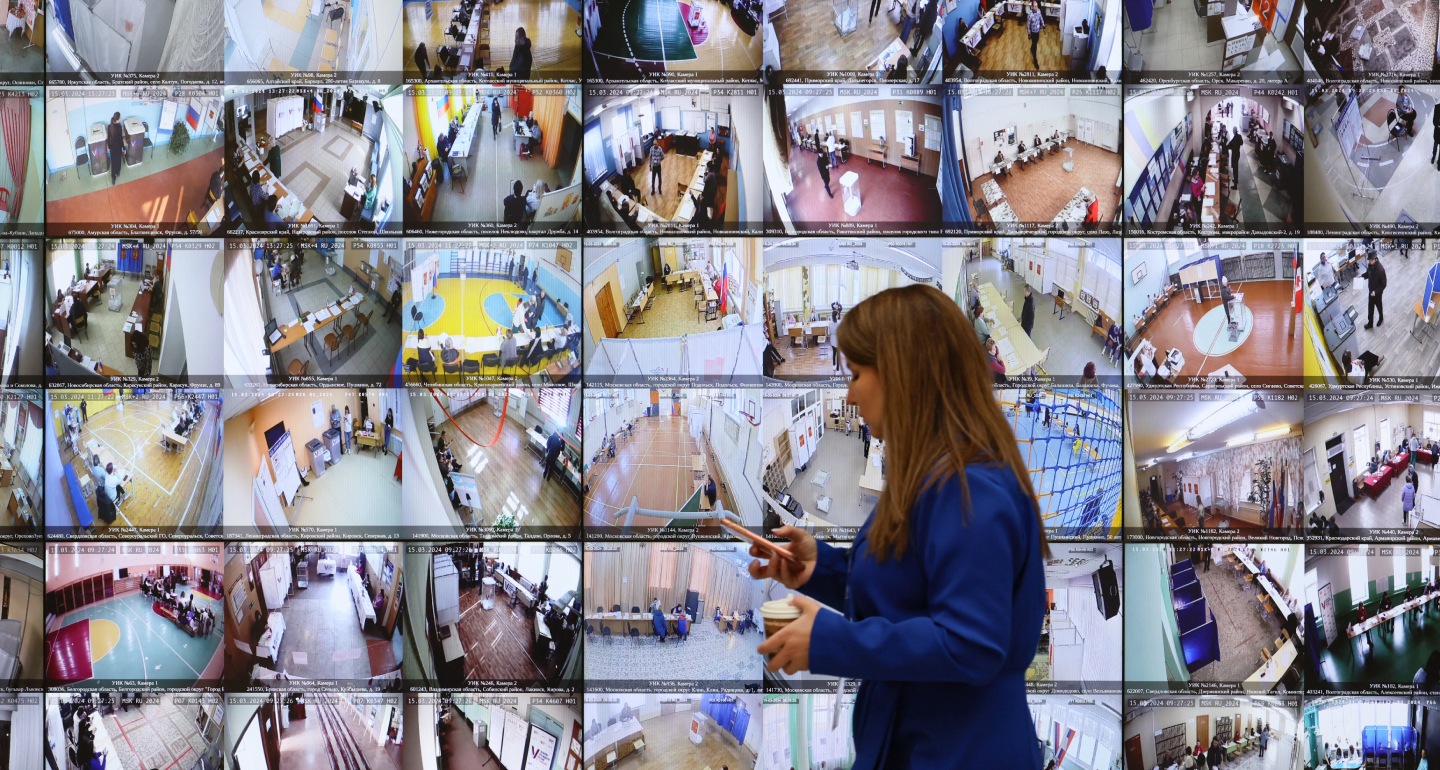
The use of technology to mobilize Russians to vote—a system tied to the relative material well-being of the electorate, its high dependence on the state, and a far-reaching system of digital control—is breaking down.

Andrey Pertsev