

Commentary
Intissar Fakir
{
  "authors": [
    "Intissar Fakir"
  ],
  "type": "legacyinthemedia",
  "centerAffiliationAll": "dc",
  "centers": [
    "Carnegie Endowment for International Peace",
    "Malcolm H. Kerr Carnegie Middle East Center"
  ],
  "collections": [
    "Arab Awakening"
  ],
  "englishNewsletterAll": "menaTransitions",
  "nonEnglishNewsletterAll": "",
  "primaryCenter": "Carnegie Endowment for International Peace",
  "programAffiliation": "MEP",
  "programs": [
    "Middle East"
  ],
  "projects": [],
  "regions": [
    "North Africa",
    "Morocco",
    "Tunisia",
    "Maghreb"
  ],
  "topics": [
    "Political Reform",
    "Religion"
  ]
}
Source: Getty
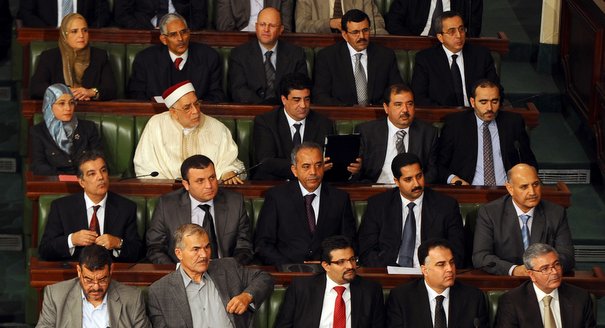
Tunisia and Morocco are stuck between competing secularist and Islamist conceptions of the true and ideal nation and the role of religion in it.
Source: National
A series of hot-button debates between Islamists and secularists in Tunisia and Morocco are distracting both sides from their countries’ more pressing issues and fuelling already dangerous currents of polarisation.
A key example is the recent discussion about banning or criminalising the practice of takfir – the declaration by one Muslim that another is an apostate, the term for a former adherent who now rejects Islam as a religion.
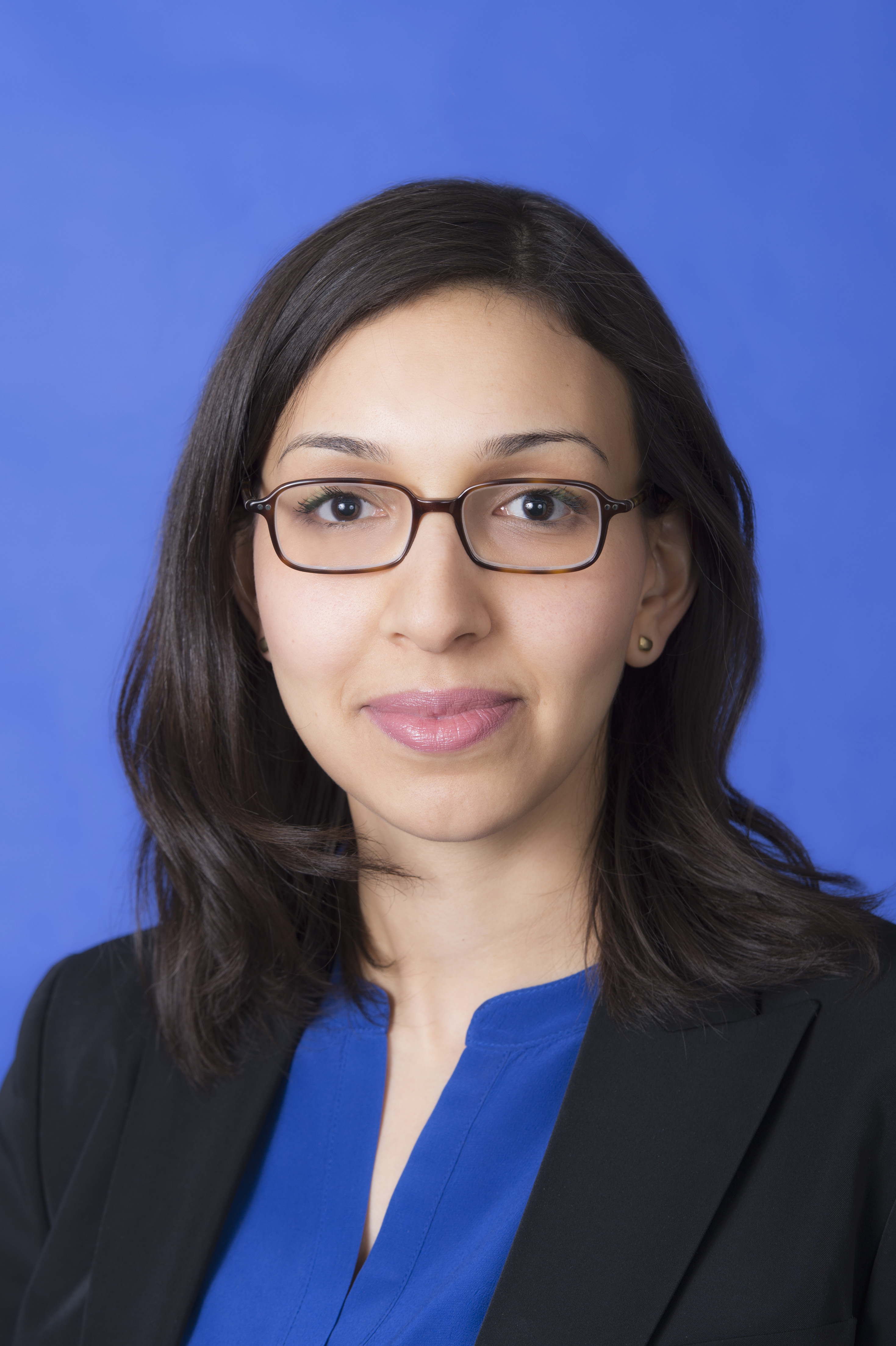
Former Fellow, Middle East Program, Editor in Chief, Sada
Intissar Fakir was a fellow and editor in chief of Sada in Carnegie’s Middle East Program.
Recent Work
Intissar Fakir
Maâti Monjib, Intissar Fakir
Carnegie does not take institutional positions on public policy issues; the views represented herein are those of the author(s) and do not necessarily reflect the views of Carnegie, its staff, or its trustees.
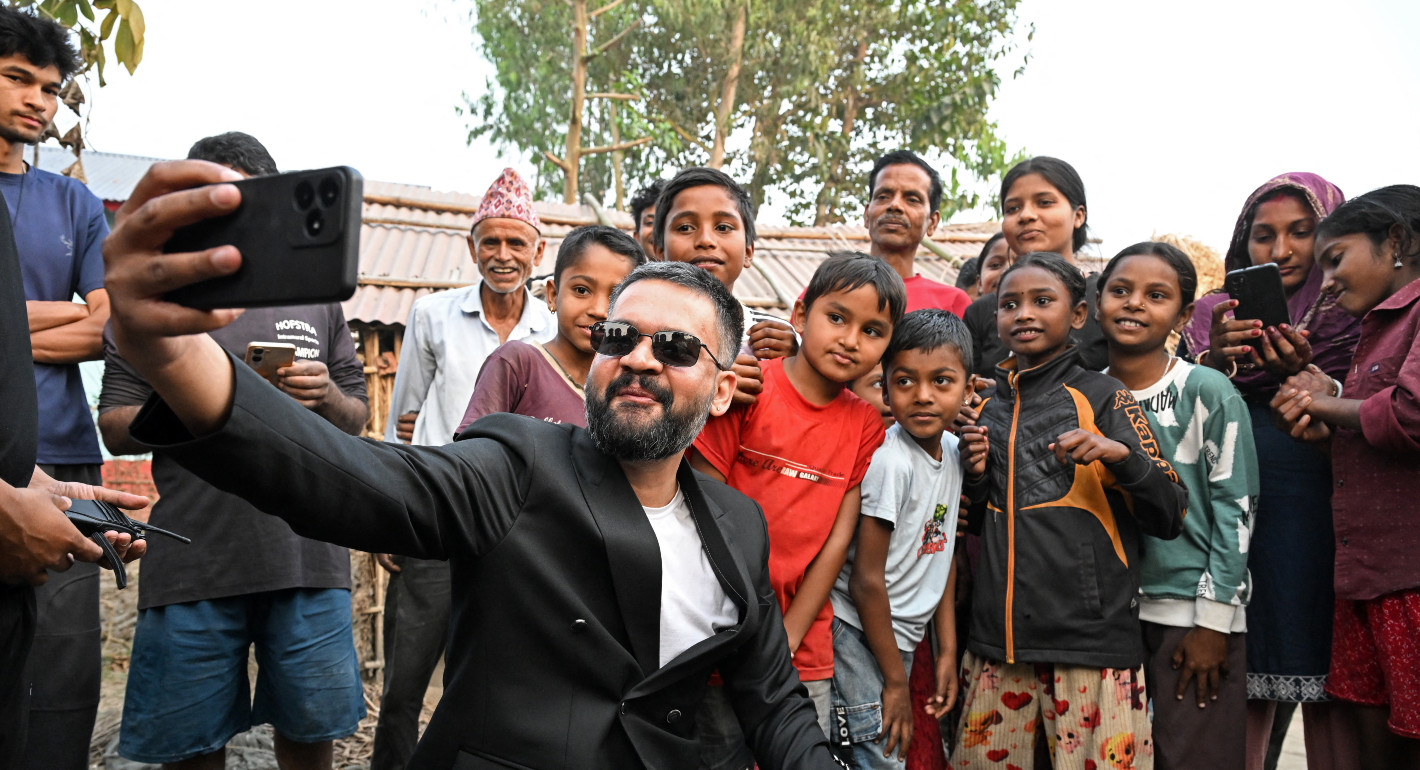
The incoming government has swept Nepal’s election. The real work begins now.
Amish Raj Mulmi

In key sectors such as critical minerals, specialty agriculture, and fintech, Africa can become a global powerhouse by investing more in manufacturing, value-add, and scaling.
Kholofelo Kugler, Georgia Schaefer-Brown
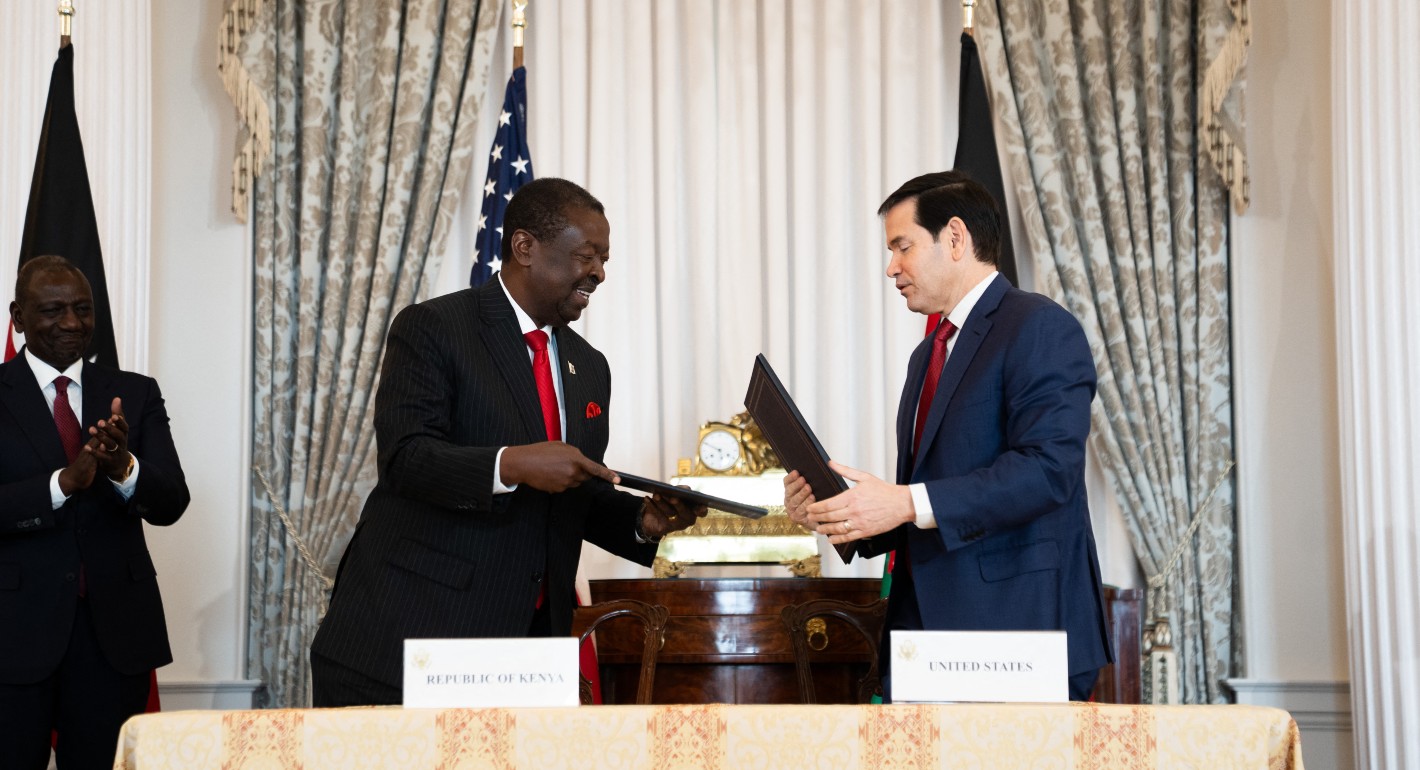
U.S. agreements must contend with national data protection laws to make durable foreign policy instruments.
Jane Munga, Rose Mosero
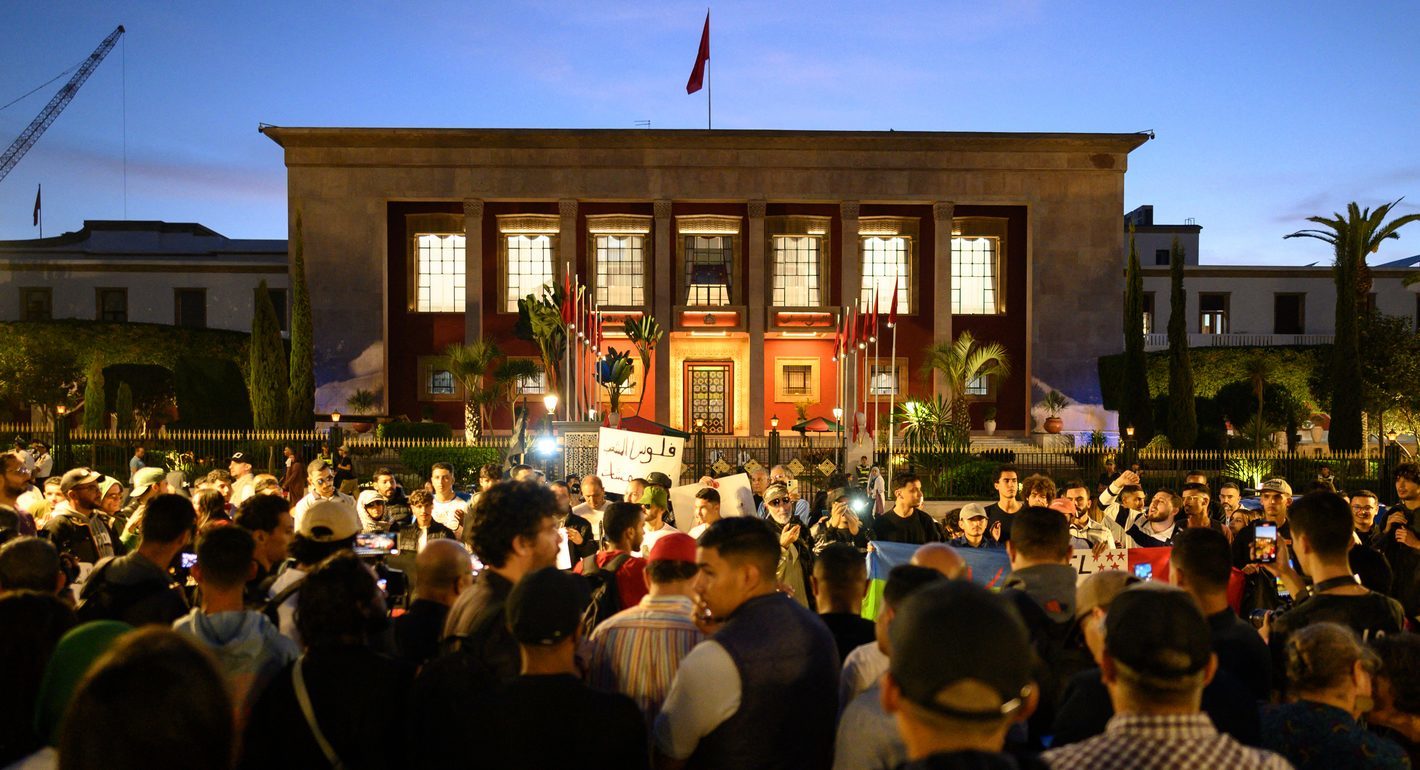
From anime heroes to online gaming communities, Morocco’s Gen Z is building a new protest culture. What does this digital imagination reveal about youth politics, and how should institutions respond?
Abdelilah Farah
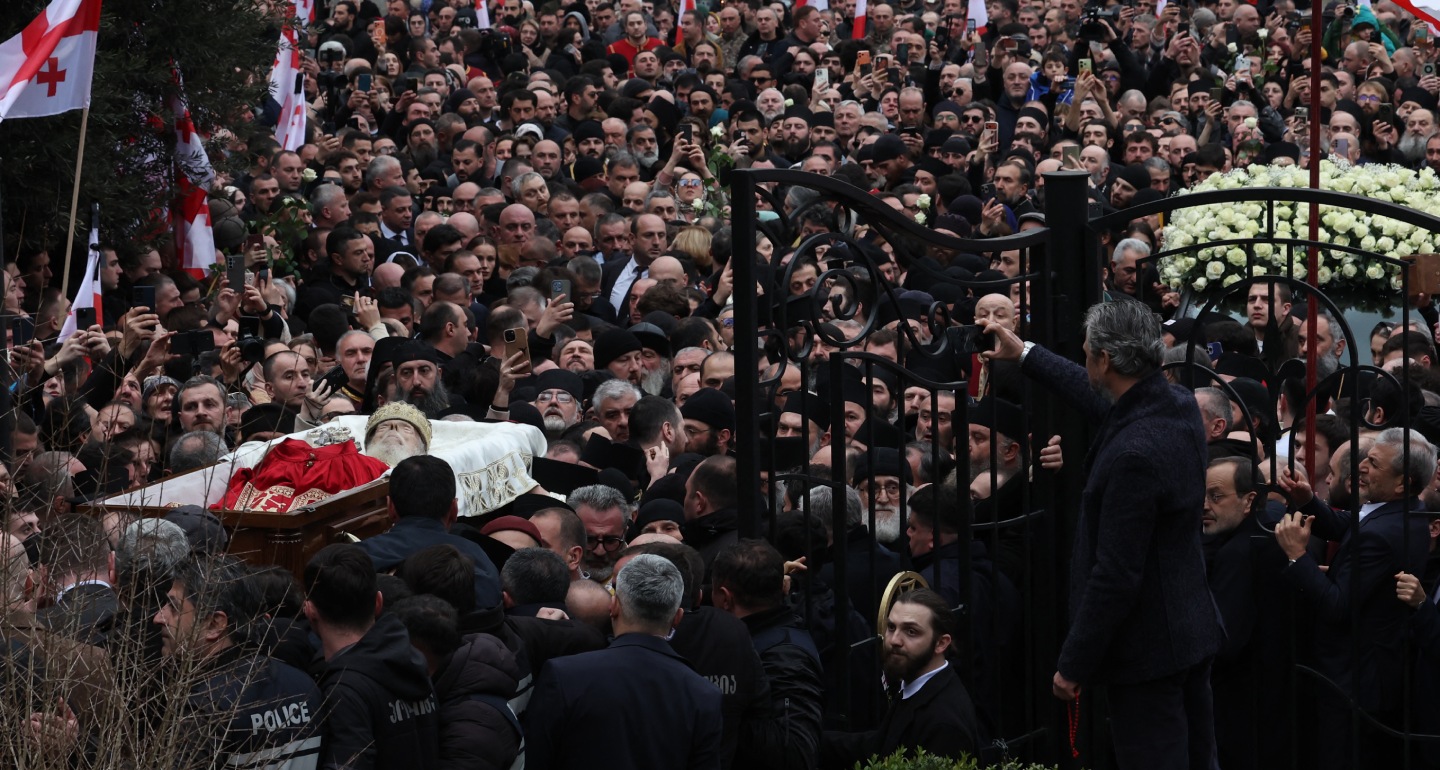
The front-runner to succeed Ilia II, Metropolitan Shio, is prone to harsh anti-Western rhetoric and frequent criticism of “liberal ideologies” that he claims threaten the Georgian state. This raises fears that under his leadership the Georgian Orthodox Church will lose its unifying role and become an instrument of ultraconservative ideology.

Bashir Kitachaev