

Article
Muthiah Alagappa
{
  "authors": [
    "Muthiah Alagappa"
  ],
  "type": "legacyinthemedia",
  "centerAffiliationAll": "dc",
  "centers": [
    "Carnegie Endowment for International Peace"
  ],
  "collections": [],
  "englishNewsletterAll": "asia",
  "nonEnglishNewsletterAll": "",
  "primaryCenter": "Carnegie Endowment for International Peace",
  "programAffiliation": "AP",
  "programs": [
    "Asia"
  ],
  "projects": [],
  "regions": [
    "Southeast Asia"
  ],
  "topics": [
    "Civil Society"
  ]
}
Source: Getty
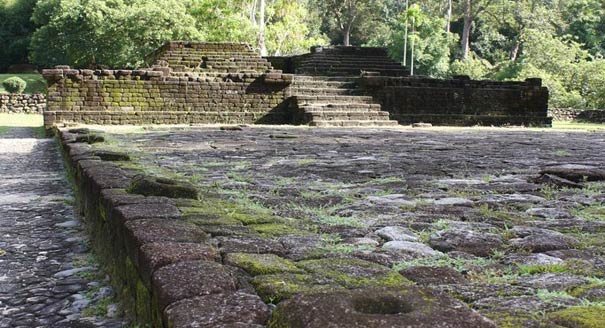
The excavation of the Bujang Valley complex should be seen as an effort to preserve Malaysia’s venerable national heritage and used to build a multicultural nation that can accommodate diversity.
Source: Edge Malaysia
I recently visited Bujang Valley, an unsung wonder of great historical significance that has huge potential to contribute to contemporary Kedah and Malaysia.
Covering about 224 sq km, it is the site of the first Malay Hindu-Buddhist kingdom in Peninsular Malaysia. Founded in about the first century CE, the Malay kingdom, which is mentioned in Indian, Chinese and Arabic literary, travel and commercial materials, was a premier port with a monopoly on the world’s spice trade.
Its structures may not be comparable to those of Angkor Wat in Cambodia or Borobudur and Prambanan in Indonesian but the sprawling complex in Bujang Valley predates them by centuries. It is older than Indonesia’s Srivijaya and Majapahit empires and Indochina’s Campa and Cambodia empires.The contemporary of Bujang Valley’s Malay kingdom may have been the Kingdom of Junan in what is South Vietnam today. Some believe the Malay kingdom may have initially been under the Kingdom of Funan and later under the Srivijaya empire and the Chola dynasty in south India. Nevertheless, the kingdom in Bujang Valley was an important migration and trading centre in its own right in the region.
Dating back to about the first to third centuries in the Christian era, Bujang Valley puts Malay, Malayan and Malaysian history in the context of the Hindu-Buddhist era that was dominant in Southeast Asia at the time. It presents links to the kingdoms and empires of the time in Southeast Asia and beyond. Providing earlier foundations and a longer lineage, Bujang Valley highlights the fact that Malay and Malayan history is deeper and older than the Malacca sultanate. The latter with its origins in the 13th century had until now held pride of place in Malayan history.
Bujang Valley was an international cultural and commercial crossroads 2,000 years ago. Its history, its political, economic and socio-cultural administration and significance, its art and architecture, its diplomatic relations and so on offer fertile ground for scholarly investigation. Popular Malayan and Malaysian history, especially in the textbooks of Malaysian schools, must be rewritten to take into account our longer lineage.
Before the arrival of Islam, Hindu-Buddhist culture had a deep impact on Malay culture, which has many layers. Recognition of the layering of Malay culture strengthens ethnic and national identity. Egypt and Indonesia, for example, do not hide or downplay their pre-Islamic identity. In fact, they emphasise and draw strength from and seek to benefit from them.
Recognition of earlier heritage does not contaminate or dilute present culture and identity. It provides good foundations and a greater sense of security. Even more significantly, it supports the building of a contemporary, multicultural nation that can accommodate diversity.
Racial and religious tolerance and pluralism are not new to Malaya and Malaysia. Our contemporary history may date from 1957 or 1963, but our lineage is 2,000 years old or even older. We have a history that is as old, if not older, than our neighbors’. We should take pride in that history, not shy away from it.
Due recognition of Bujang Valley and its integration into Malay, Malayan and Malaysian history will open up avenues of tourism. It is important to relate Bujang Valley to other Southeast Asian, Indian, Chinese and Arabic kingdoms and empires of the time and place it on the Southeast Asian historic tourist map along with Angkor Wat, Burobudur and Prambanan. No doubt, this will take much effort and money. As the whole complex will have to be excavated and preserved, international assistance should be sought as in the case of Angkor Wat, Burobudur and Prambanan.
The federal and Kedah governments should be commended for setting up a museum on the site and protecting some excavation sites under the 2005 National Heritage Site Act. However, much more effort is required. To begin with, there must be popular national recognition of Bujang Valley and its place in Malay, Malayan and Malaysian history.
The entire complex, not just some sites, must be acquired, excavated, preserved, protected and turned into a historical, archeological and tourist site with necessary precautions. Sure, this will be costly but preserving our national heritage will be worth the cost.
Bujang Valley is of national significance. Excavation has revealed the remains of a jetty, iron-smelting areas, numerous temple complexes and a large clay-brick oven, suggesting the valley was a sophisticated trading and cultural centre.
Bujang Valley and later Srivijaya prove that Malaya was an important trading centre 2,000 years ago with a key regional role. Hence, Malaysia’s international aspirations are not without historical precedent. So, preserving Bujang Valley should be a national responsibility that is not caught up in ethnic and religious politics.
It should not be seen as protecting Indian/Hindu temples, but preserving out national heritage. Unfortunately, Bujang Valley’s Site 11 (Candi Sungai Batu Estate) was demolished by a developer and despite a public outcry, response from the Kedah government has been lukewarm. We should move beyond racial politics and do what is necessary to preserve and benefit from a national heritage that may be among the oldest historical sites in Southeast Asia
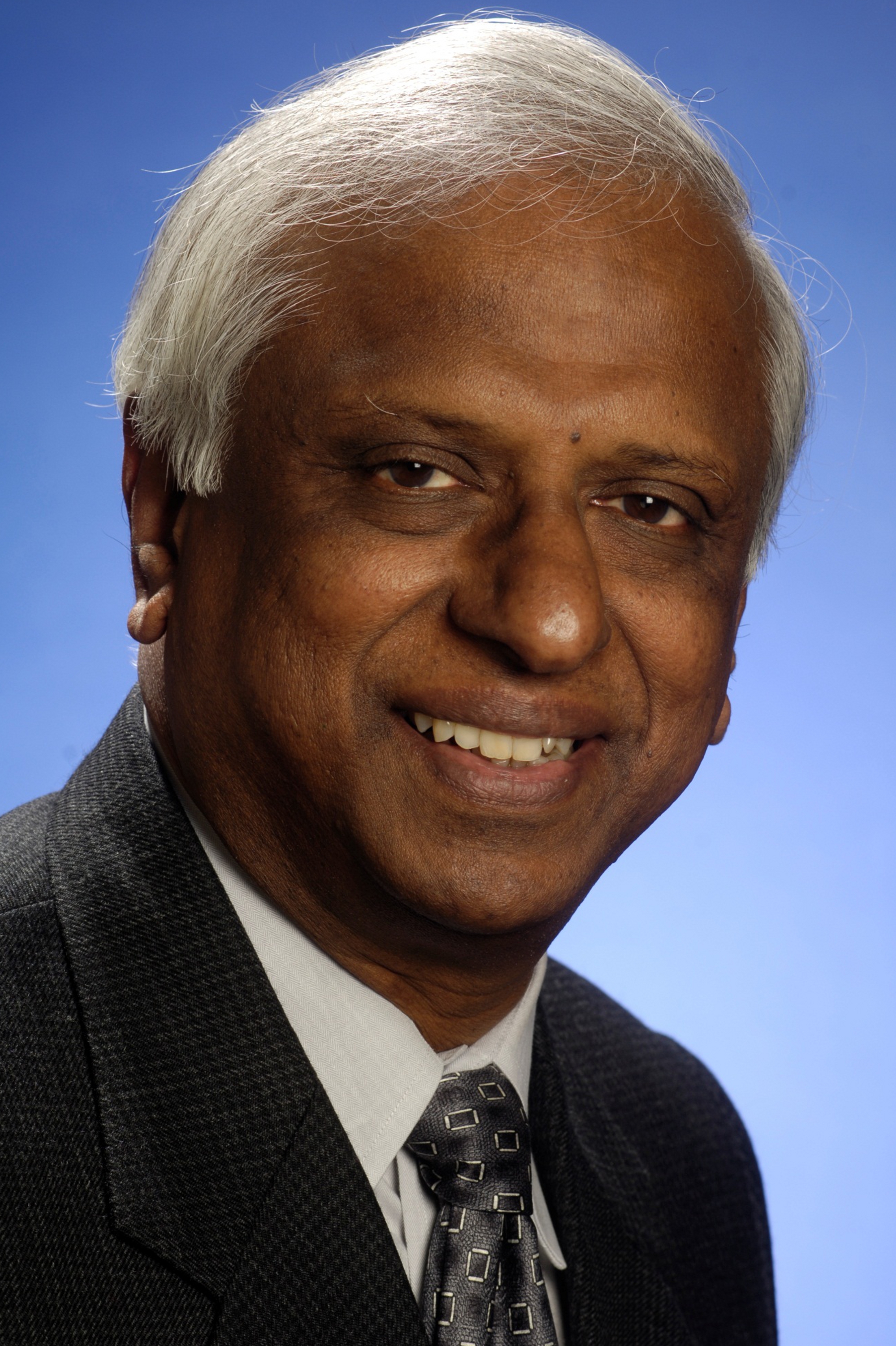
Former Nonresident Senior Fellow, Asia Program
Alagappa, formerly a nonresident senior fellow in the Asia Program, was the first holder of the Tun Hussein Onn Chair in international studies at the Institute of Strategic and International Studies in Kuala Lumpur, Malaysia. His research focuses primarily on Asian security, the political legitimacy of governments, civil society and political change, and the political role of the military in Asia.
Recent Work
Muthiah Alagappa
Muthiah Alagappa
Carnegie does not take institutional positions on public policy issues; the views represented herein are those of the author(s) and do not necessarily reflect the views of Carnegie, its staff, or its trustees.

As the EU confronts profound challenges, several leaders have called for fundamental reform to the union’s model—but only modest, superficial changes have resulted. What if Europe really could be reimagined from zero today: What should such a redesigned European order look like?

Richard Youngs, ed.
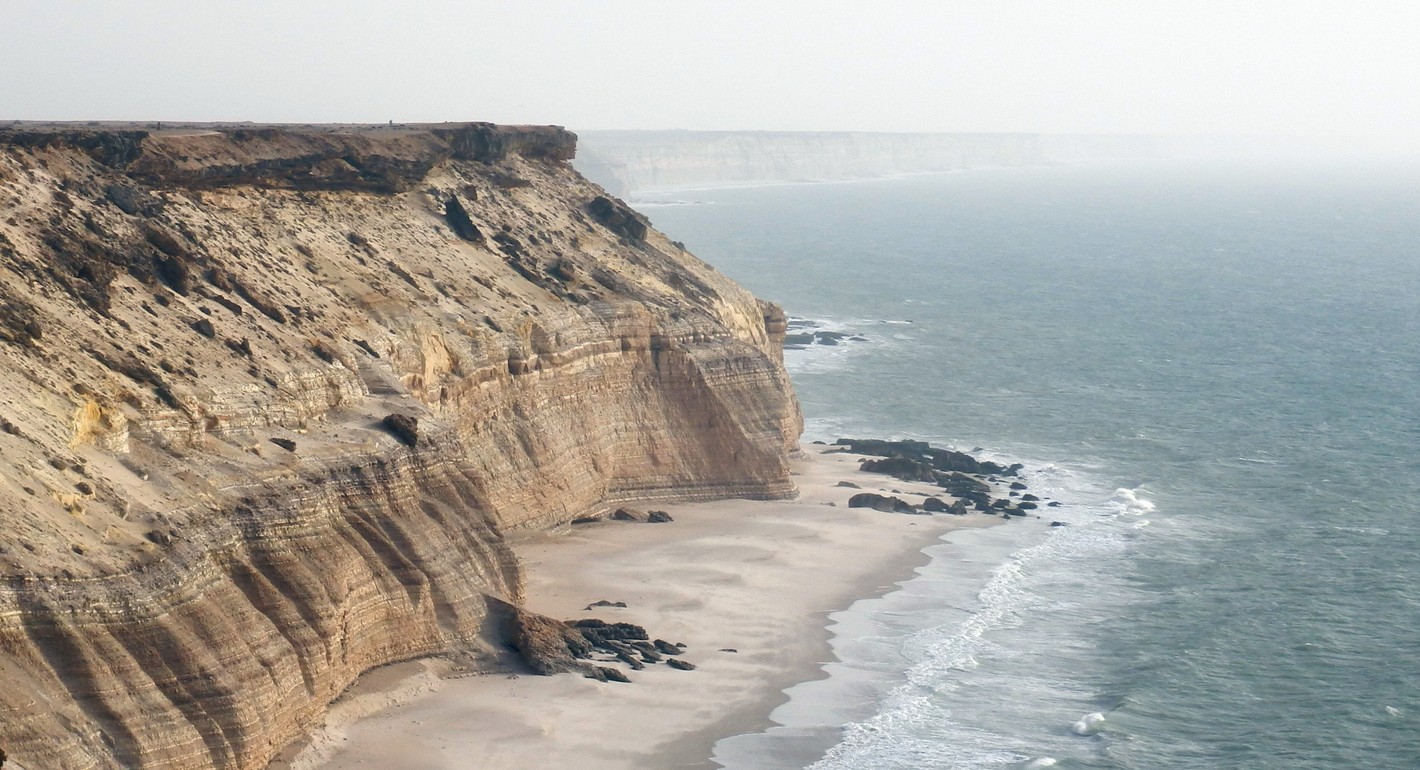
Despite Morocco’s hopes that its film industry would reap rewards, the blockbuster’s success will be tainted by controversy surrounding filming in occupied Western Sahara.

Sarah Yerkes
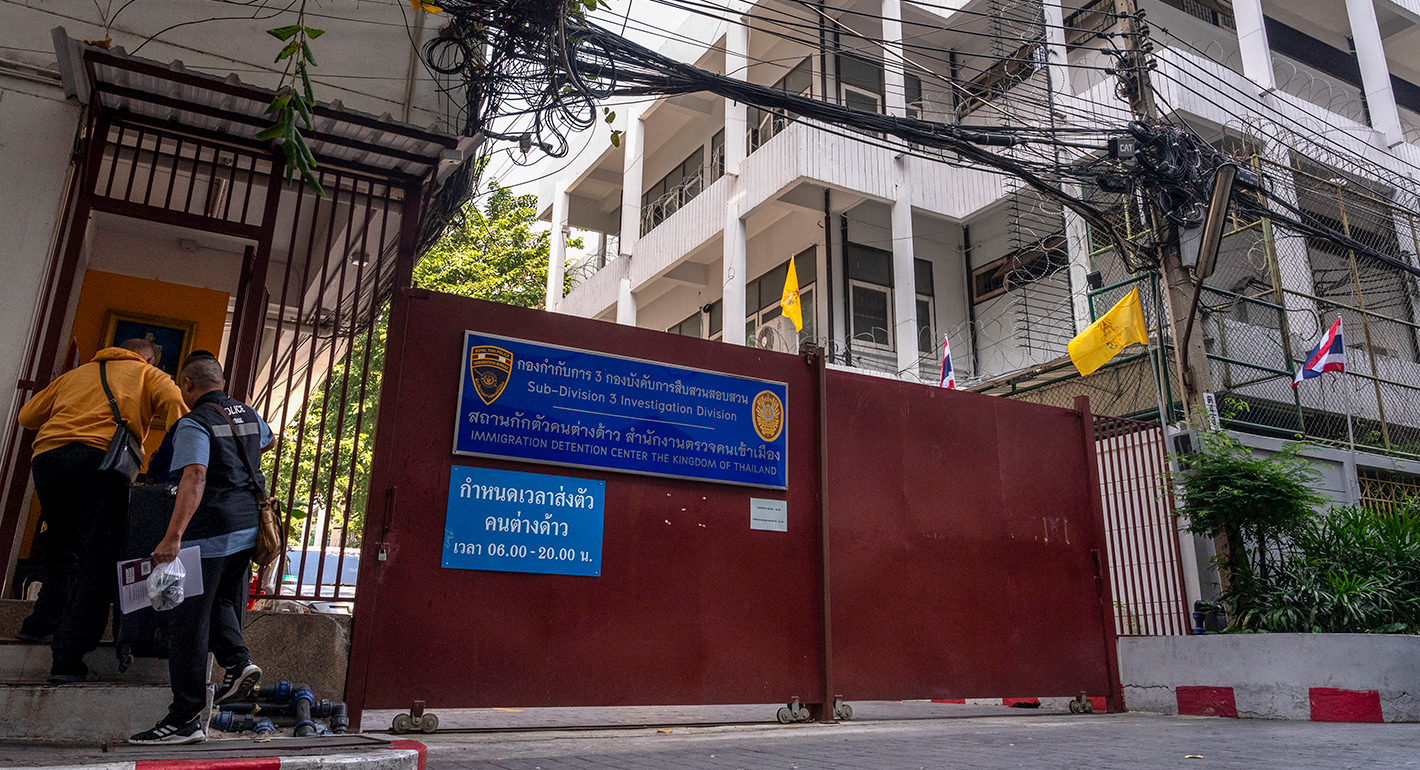
Thailand is no longer safe for regional activists; neither are Cambodia, Laos, or Vietnam for Thai dissidents who had typically sought refuge in those countries.

Janjira Sombatpoonsiri

With its scattershot approach to enforcing internet censorship, the Russian regime risks losing a battle against the many Russians who have learned to evade online restrictions.

Maria Kolomychenko
It is not a phenomenon unique to Russia that the public of a country at war (even the aggressor) enduring airstrikes will not overturn its government but rather show solidarity with it and blame its woes on the enemy.

Vladislav Gorin