

Commentary
Ultimately, Zelensky sided neither with the reform camp nor with the military establishment as such, but with political control.
Balázs Jarábik
{
  "authors": [
    "Ulrich Speck"
  ],
  "type": "legacyinthemedia",
  "centerAffiliationAll": "dc",
  "centers": [
    "Carnegie Endowment for International Peace",
    "Carnegie Europe"
  ],
  "collections": [
    "Europe’s Eastern Neighborhood"
  ],
  "englishNewsletterAll": "ctw",
  "nonEnglishNewsletterAll": "",
  "primaryCenter": "Carnegie Europe",
  "programAffiliation": "EP",
  "programs": [
    "Europe"
  ],
  "projects": [],
  "regions": [
    "Russia",
    "Europe",
    "Eastern Europe",
    "Ukraine",
    "Iran"
  ],
  "topics": [
    "Foreign Policy",
    "EU"
  ]
}
Source: Getty
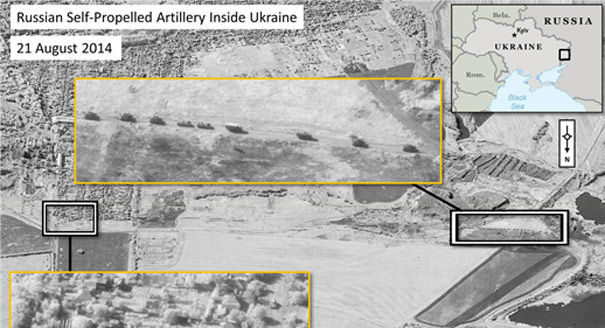
Russia’s deployment of troops in Ukraine marks the end of German Chancellor Angela Merkel’s attempts to prevent the worst through diplomacy.
Source: CNN
The fog has been lifted. There is no serious doubt left that Russia is "now directly involved in the fighting" in Ukraine, as Geoffrey Pyatt, U.S. Ambassador in Ukraine has said on Twitter.
"Russian supplied tanks, armored vehicles, artillery and multiple rocket launchers have been insufficient to defeat Ukraine' armed forces. So now an increasing number of Russian troops are intervening directly in fighting on Ukrainian territory. Russia has also sent its newest air defense systems including the SA-22 into eastern Ukraine," he wrote.
This is the step from proxy war to war. It is also probably the end of German Chancellor Angela Merkel's attempts to prevent the worst through diplomacy. She spoke to Russian President Vladimir Putin more than 30 times this year on the phone, much more often than any other Western leader.Ulrich Speck
Former Visiting Scholar, Carnegie Europe
Speck was a visiting scholar at Carnegie Europe in Brussels, where his research focuses on the European Union’s foreign policy and Europe’s strategic role in a changing global environment.
Carnegie does not take institutional positions on public policy issues; the views represented herein are those of the author(s) and do not necessarily reflect the views of Carnegie, its staff, or its trustees.
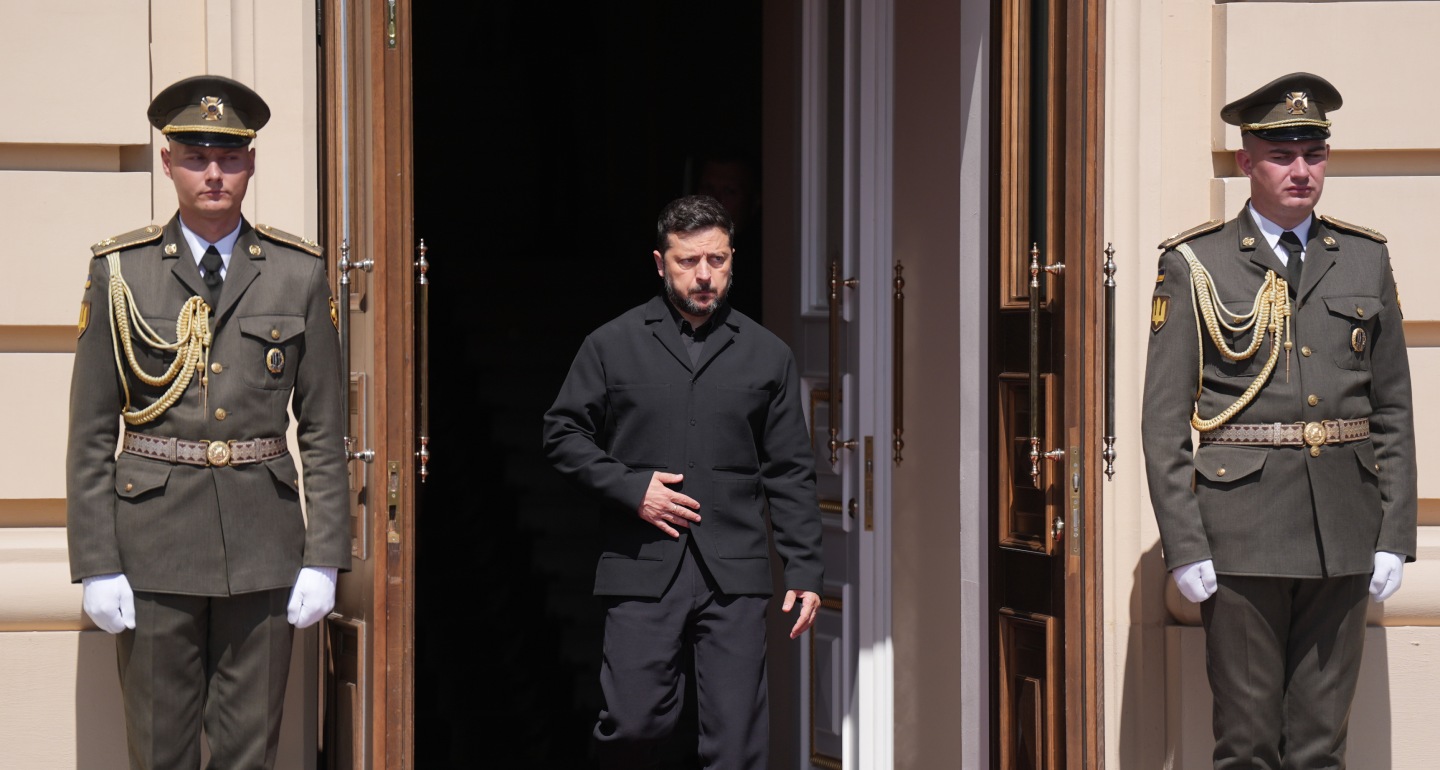
Ultimately, Zelensky sided neither with the reform camp nor with the military establishment as such, but with political control.

Balázs Jarábik
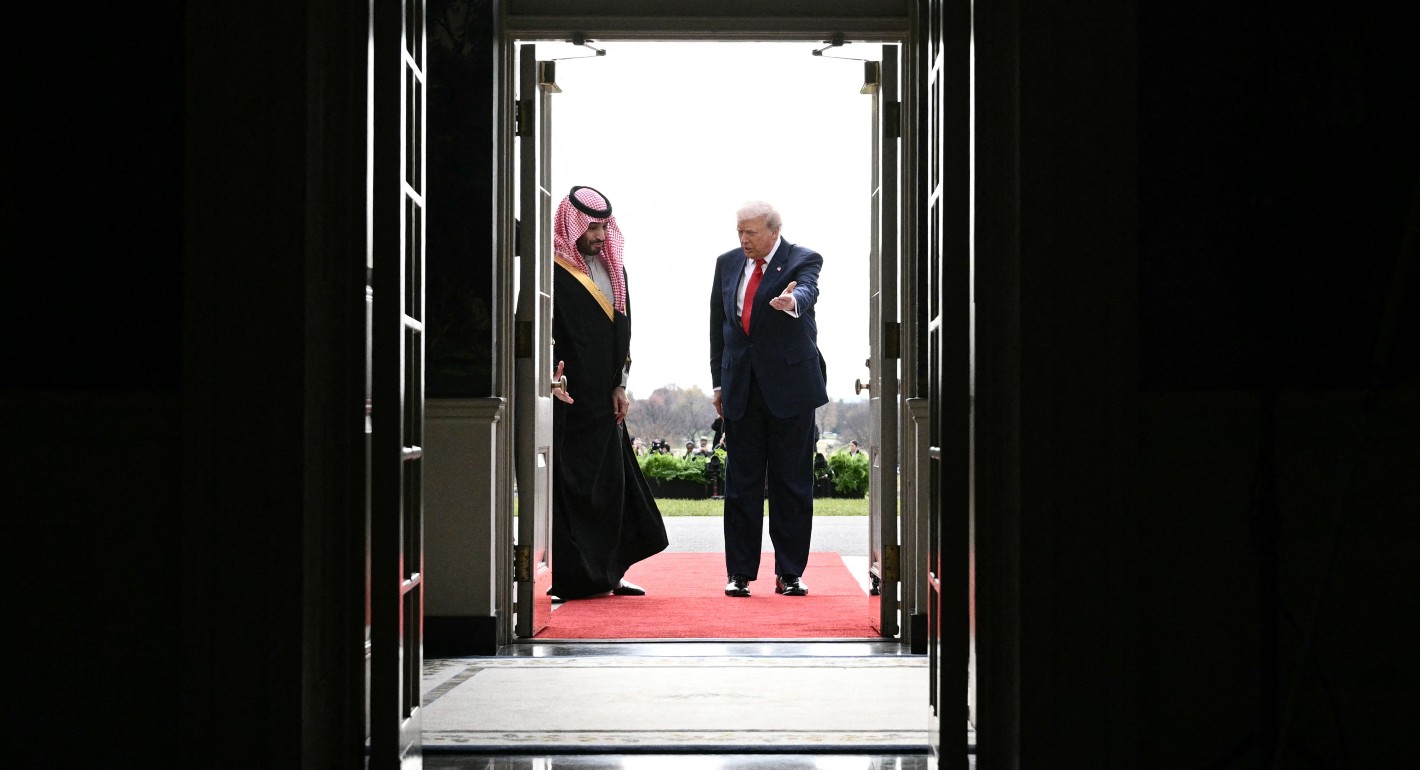
Despite the agreement’s uncertainty, it’s still a significant development in regional and nuclear policy.


Andrew Leber, Jane Darby Menton
“AI safety in parallel” is modest and pragmatic but vital.

Matt Sheehan

Trump is distracted and Ukraine wants Europe to step up. The continent’s leaders must find their voice and assert it in talks with Russia.

Alissa de Carbonnel
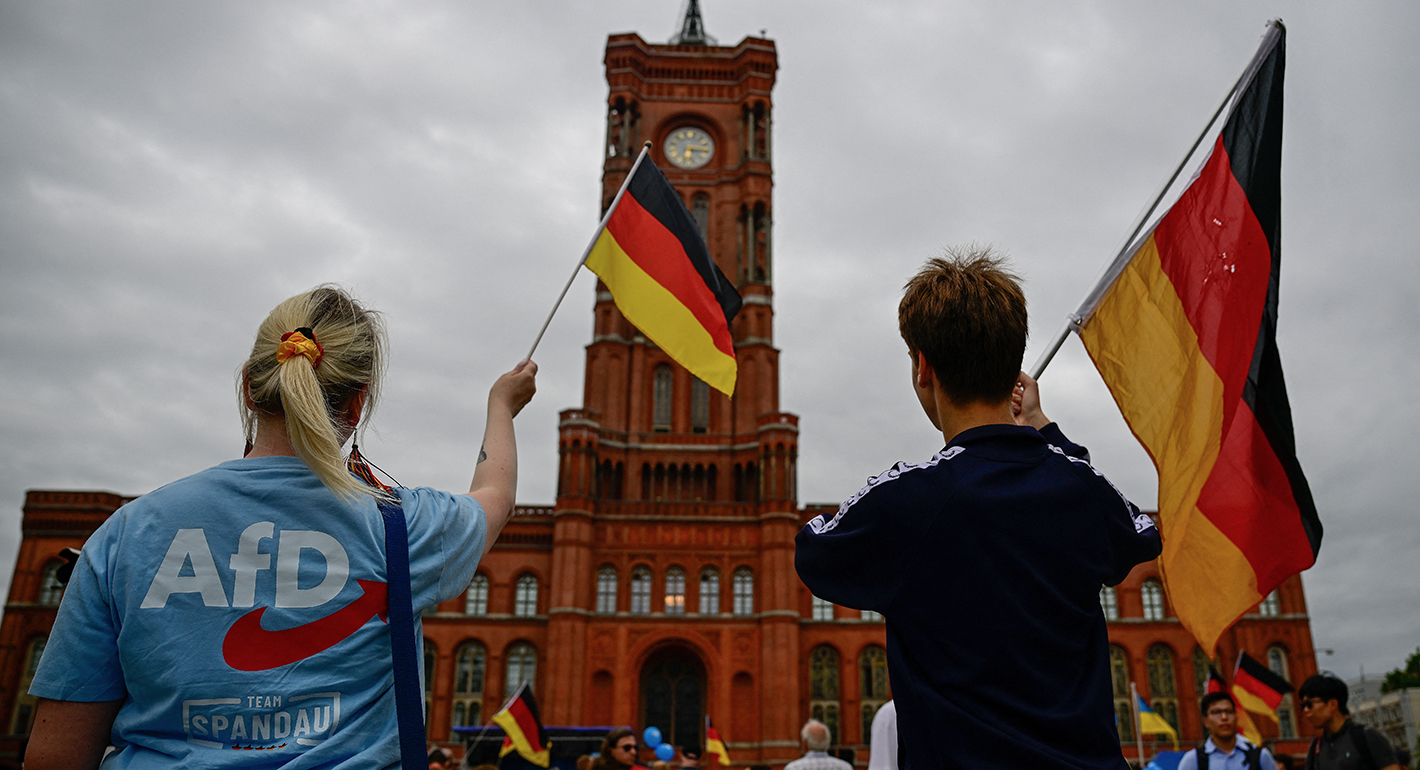
Unresolved tensions within the AfD may ultimately constrain the its potential as a leader among European and global populist forces.
Jeremy Cliffe