

In The Media
David Rothkopf
{
  "authors": [
    "David Rothkopf"
  ],
  "type": "legacyinthemedia",
  "centerAffiliationAll": "",
  "centers": [
    "Carnegie Endowment for International Peace"
  ],
  "collections": [],
  "englishNewsletterAll": "",
  "nonEnglishNewsletterAll": "",
  "primaryCenter": "Carnegie Endowment for International Peace",
  "programAffiliation": "",
  "programs": [],
  "projects": [],
  "regions": [
    "North America",
    "United States"
  ],
  "topics": [
    "Foreign Policy"
  ]
}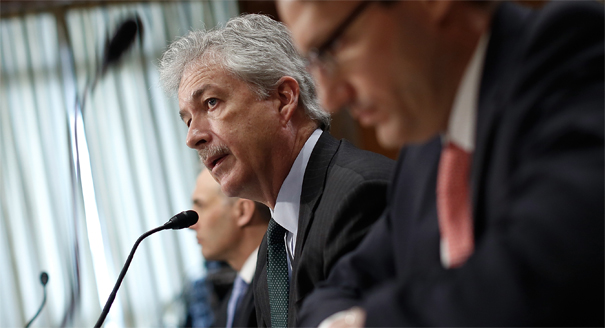
Source: Getty
Deputy U.S. Secretary of State William J. Burns reflects on his distinguished tenure as a career foreign service officer.
Source: Foreign Policy
Today, Deputy U.S. Secretary of State William J. Burns retires after one of the most distinguished tenures as a career foreign service officer in memory. Only the second career diplomat in history to ascend to the No. 2 job at the State Department, he served during over three decades as undersecretary of state for political affairs, ambassador to Russia, assistant secretary of state for Near Eastern Affairs, and ambassador to Jordan. He has also worked as a senior director on the National Security Council staff, as executive secretary to Secretaries of State Warren Christopher and Madeleine Albright, and has won an array of departmental awards in recognition of his service.
Foreign Policy's David Rothkopf sat down with him for an exit interview on the current state of the world, U.S. leadership in a time of crisis, and what may be just around the bend.
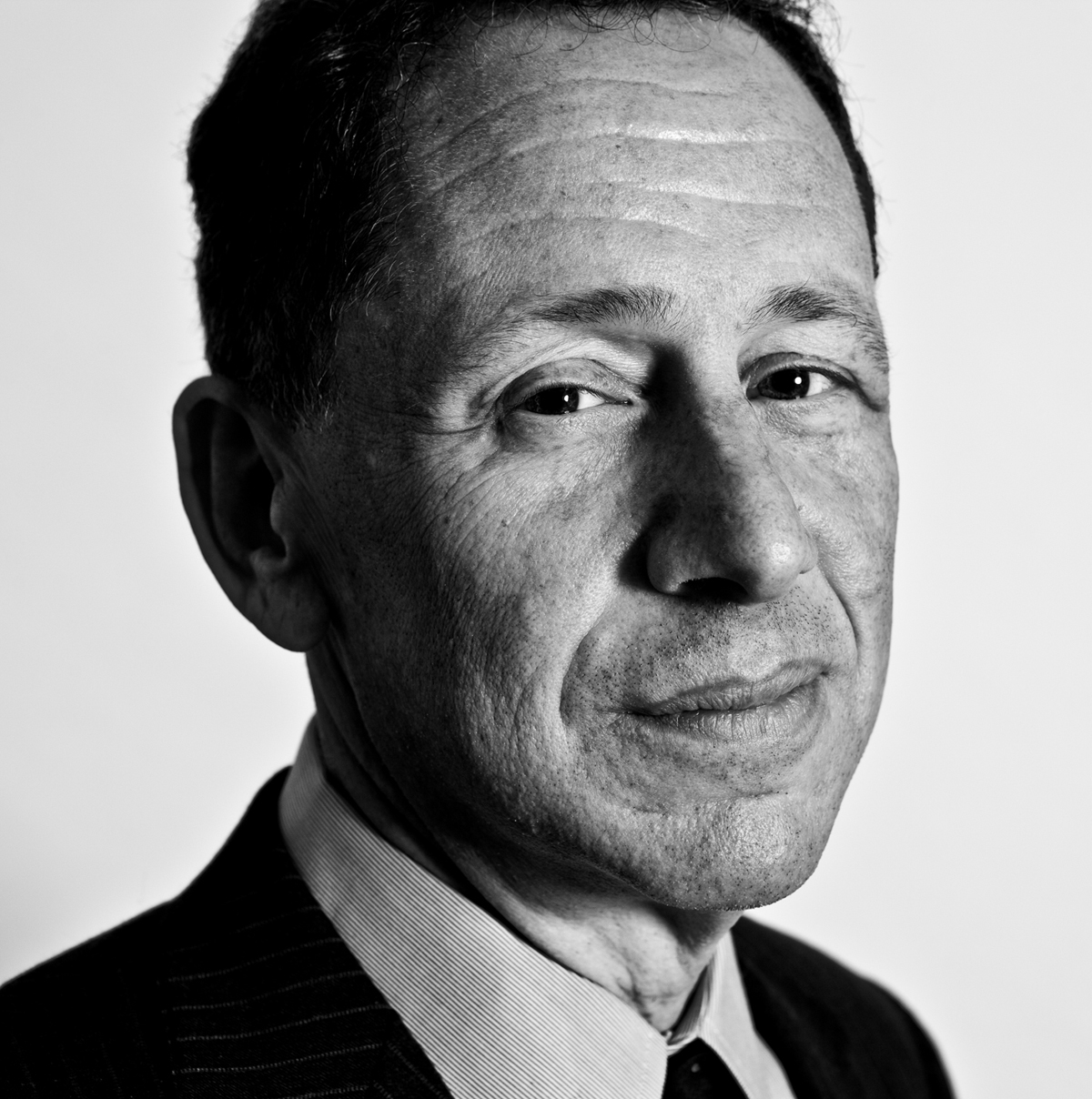
Former Visiting Scholar
David Rothkopf was a visiting scholar at the Carnegie Endowment as well as the former CEO and editor in chief of the FP Group.
Recent Work
David Rothkopf
David Rothkopf
Carnegie does not take institutional positions on public policy issues; the views represented herein are those of the author(s) and do not necessarily reflect the views of Carnegie, its staff, or its trustees.
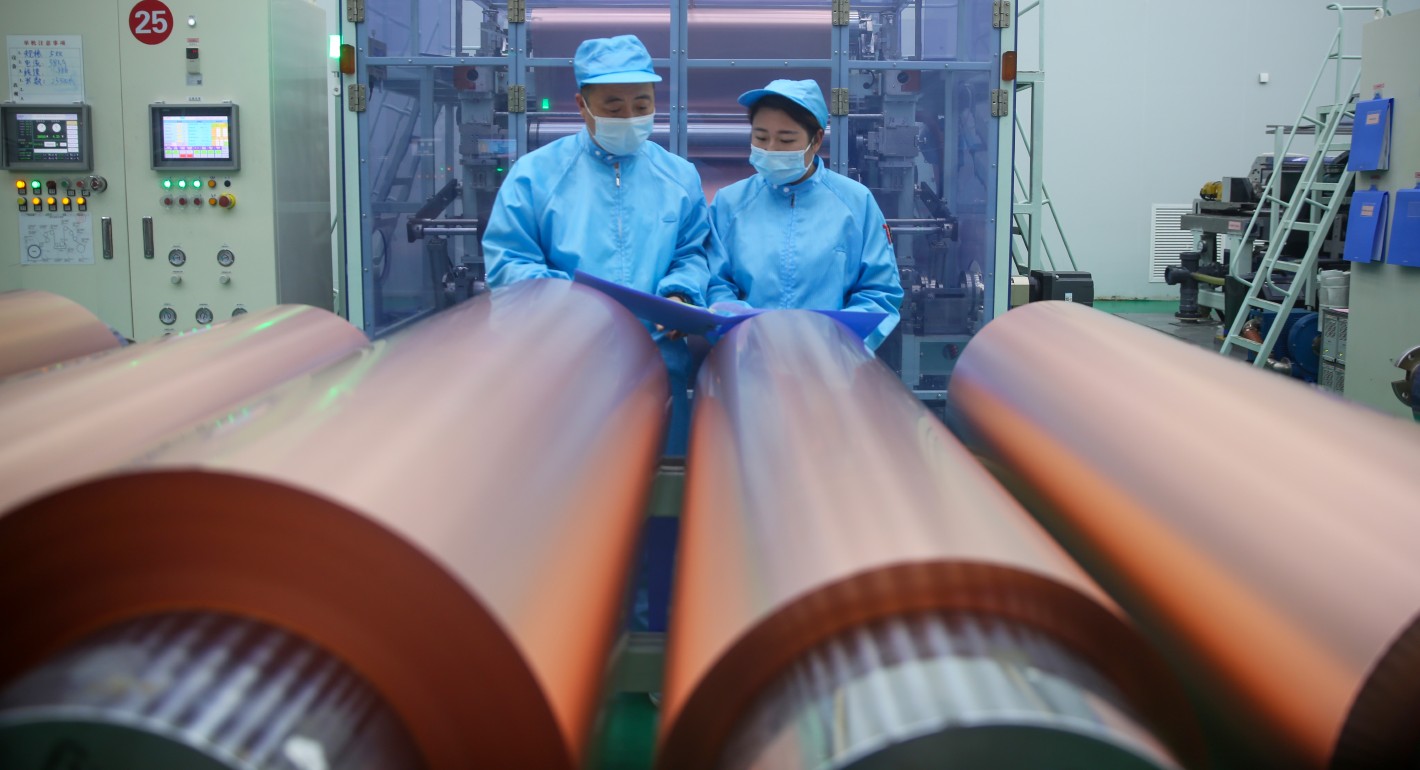
Over the past decade, China has moved from marginal player to major producer of all things batteries. The United States, Europe, and others are aiming to balance the market.

Milo McBride
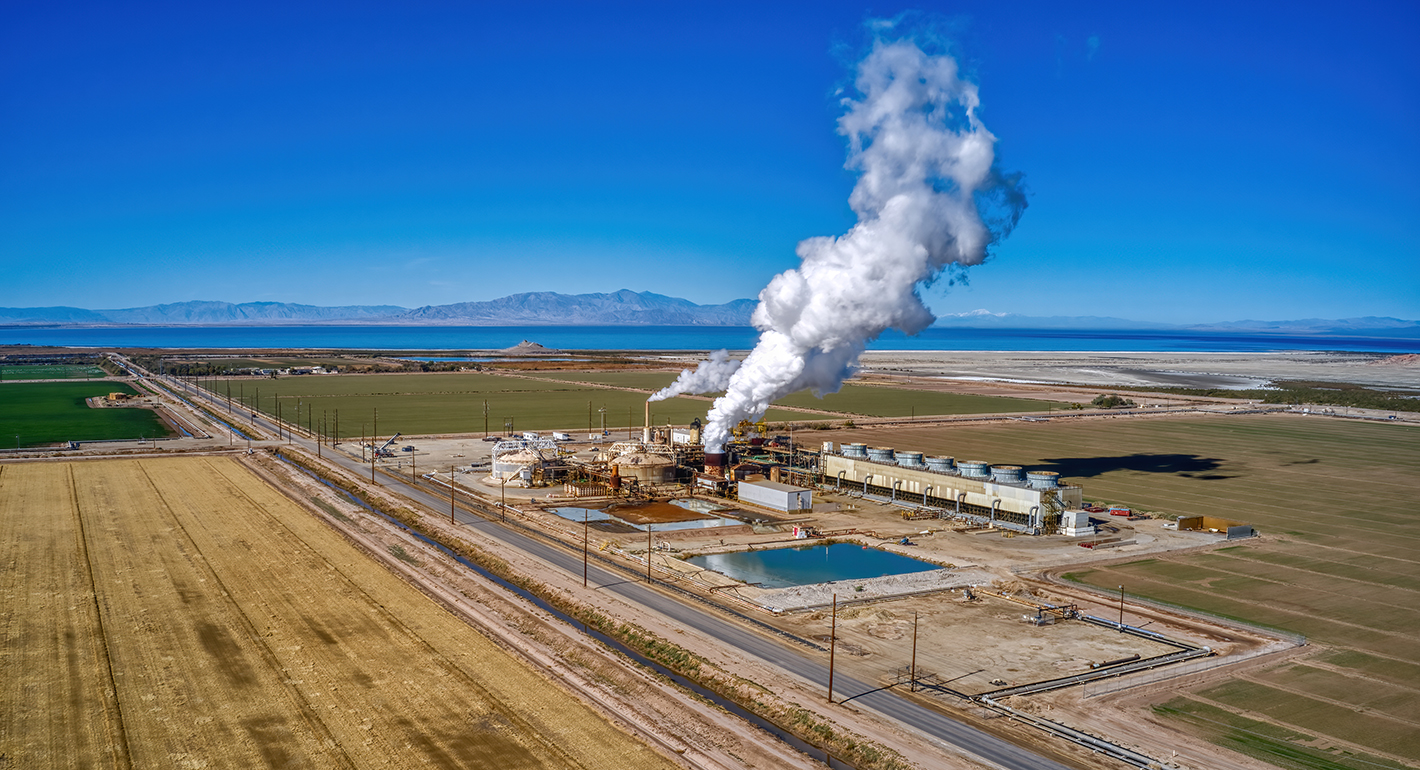
The DFC should focus on advanced, low-carbon energy sources, prioritizing areas where the United States has comparative advantages.
Noah Gordon, Liana Schmitter-Emerson
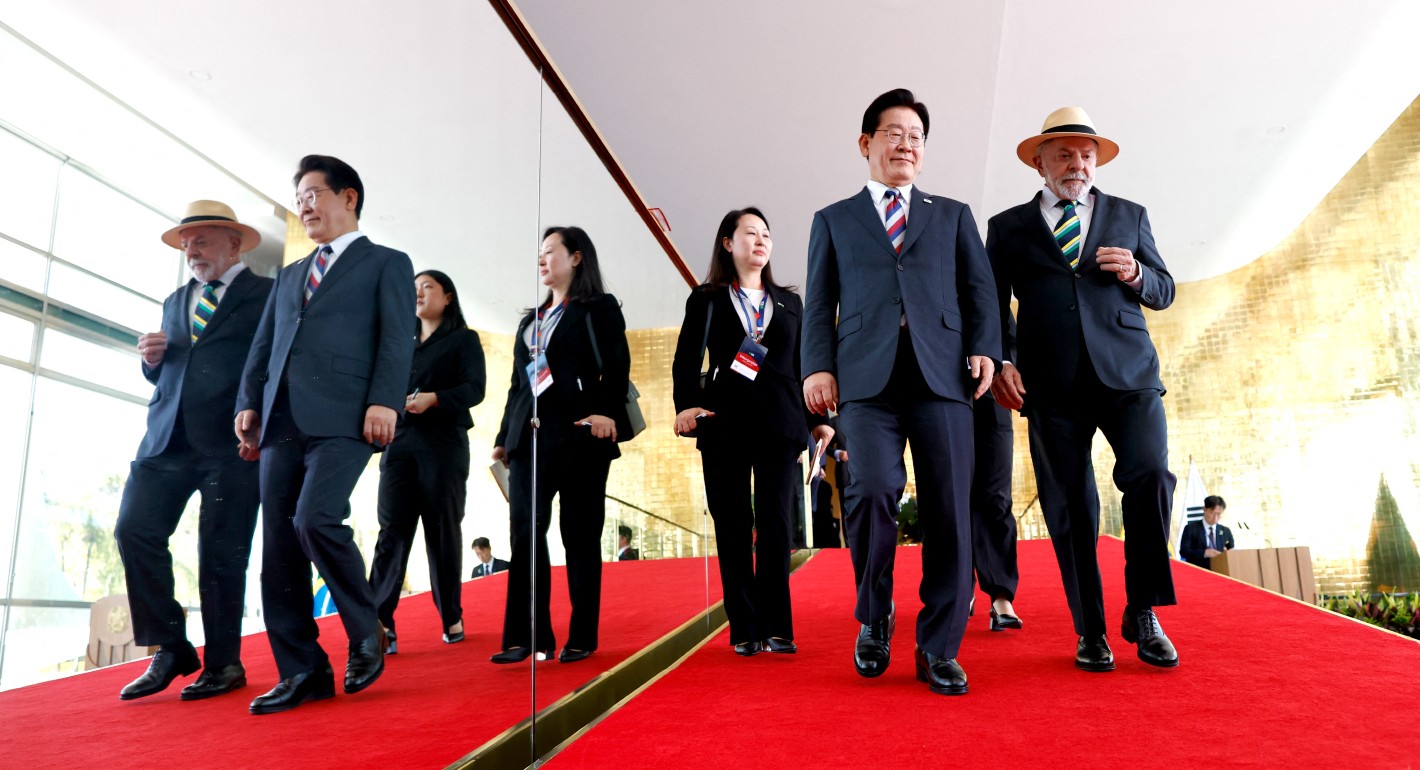
Lee’s tour shows how Seoul is reorganizing its diplomacy away from Pyongyang and toward industrial networks and the geography of the compute economy.

Darcie Draudt-Véjares
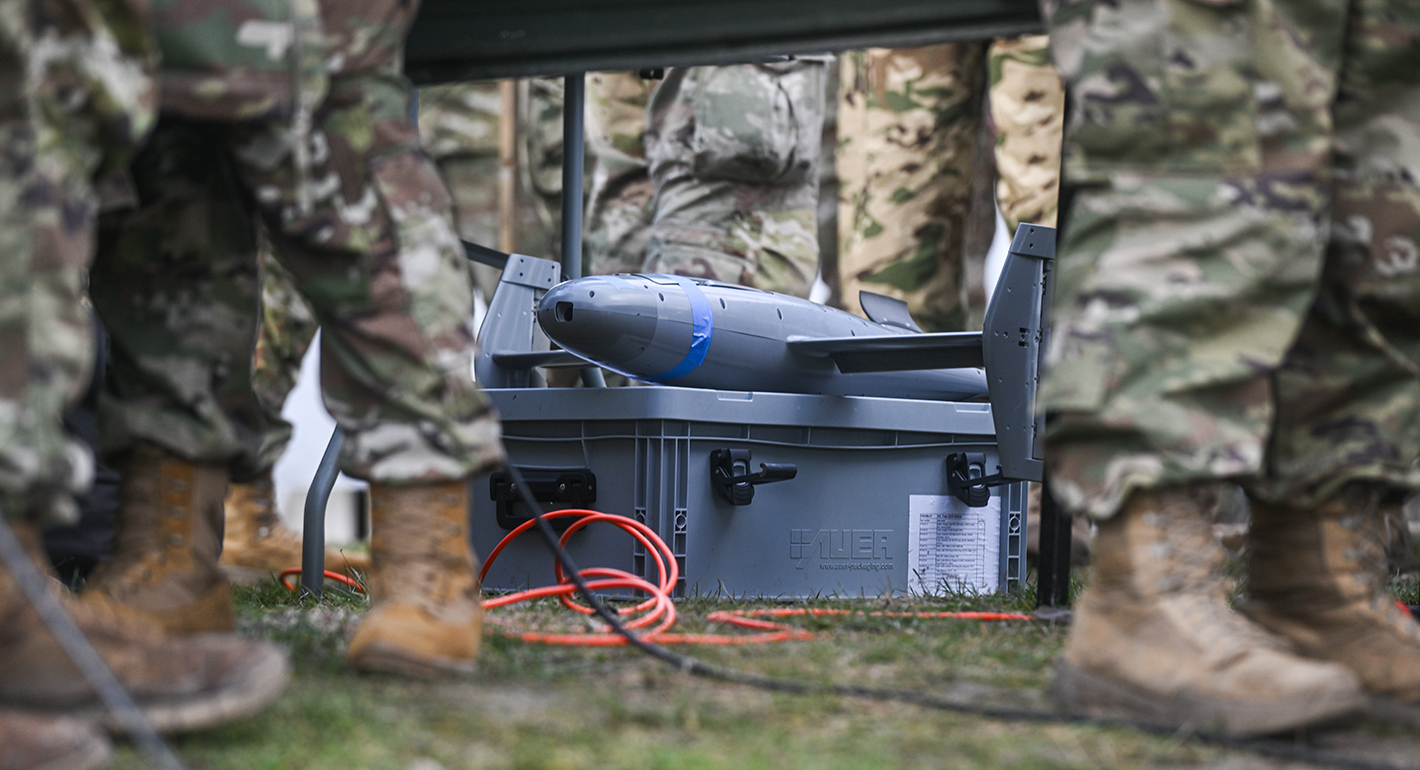
The Pentagon is calling for a rapid AI transformation. Autonomous drones offer a case study in the eight bottlenecks the U.S. military must navigate to realize that vision.
Jake Steckler

Most migrants may have left Ceuta, but the effects may linger.


Alejandro Martin Rodriguez, Sarah Yerkes